
 简体中文
简体中文 English
Website review
This review may include AI-generated content and is not individually verified. Domain, certificate and other facts come from the observed data on this page.
What is Achaea?
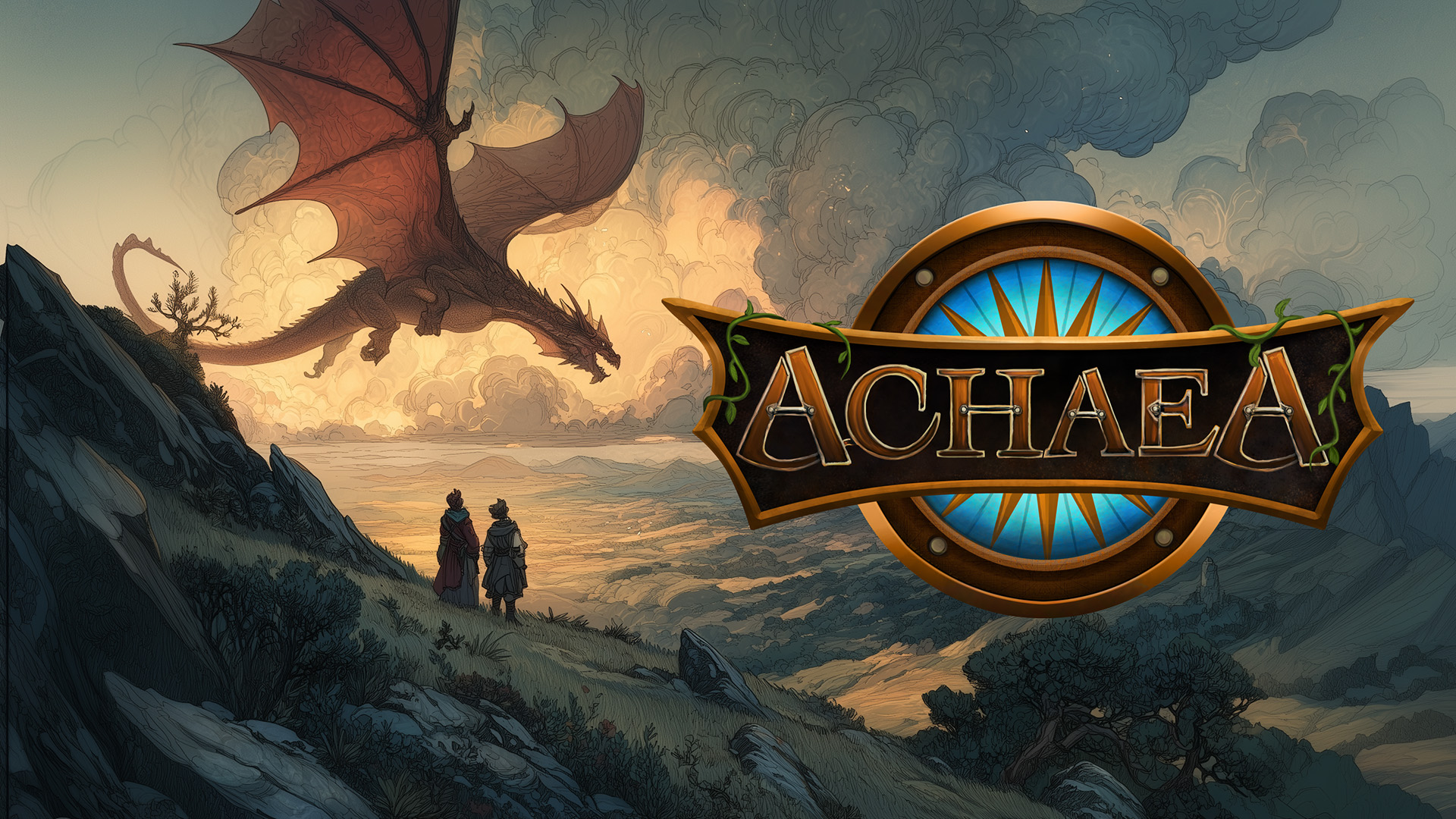
Achaea is a long-running text-based online role-playing game, often called a MUD (multi-user dungeon). You play by reading descriptions and typing commands rather than clicking through graphics, and the game is set in a persistent fantasy world shared with other players. It is published by Iron Realms Entertainment and is presented as one of its flagship titles.
Its defining features, based on the game's own description, are depth and player control:
- A large class system: Around 20 classes, including Serpentlords, Depthswalkers, Paladins and Occultists. Each class has three skill lines, generally with 20–50 abilities per line, so many classes offer roughly 100 or more class abilities.
- Player-run cities: Six cities with player governments, from ruling councils to ministries covering war, trade and maritime affairs. Each city has its own culture, such as Mhaldor, Eleusis and Targossas.
- Long-term development: The game has been continuously developed since 1995.
- Cross-platform client: The Nexus client is available on Android and iOS as well as desktop.
Who it suits
Achaea appeals most to people who enjoy reading, imagination and systems with a lot to learn — combat, politics, roleplay and community life. If you prefer fast graphical action or quick matches, the text format and the large ability lists will likely feel like a barrier rather than a feature.
How to try it
Create a character and connect through the Nexus client on desktop or mobile. Expect a learning curve: choose one class, read its three skill lines, and join a city early so other players can guide you. For a broader sense of the hobby, the MUD community at Reddit and general references like Wikipedia can help you understand the format before committing time.
How do I get started playing Achaea?
To get started with Achaea, create a character and connect through the Nexus Client, which the site says is available on Android and iOS as well as desktop. There is no download-and-install barrier in the usual sense: the game is text-based, so you begin by picking a race and class, then learning the command syntax as you explore.
Achaea
First steps
- Create a character. You choose from the 14 races and 21 classes the site lists. Class choice matters more than race for moment-to-moment play, since each class has three skill trees with roughly 20–50 abilities each.
- Connect with Nexus. The browser/mobile client is the intended entry point. If you prefer a traditional MUD client, the site's "How to Connect" guide covers alternatives.
- Read the new-player help. The Help section, FAQ and Guides explain commands, movement, combat and communication. The Achaea Wiki is useful for deeper reference once you are in.
- Join a city. The six player-run cities are the main social and political structure. Each has a distinct culture, from Mhaldor to Eleusis to Targossas, and city governments and ministries are staffed by players.
What to expect
Achaea has been in continuous development since 1995, so the depth is real but the learning curve is steep. Expect to spend your first sessions on movement, communication and basic combat rather than mastering a class. The class descriptions on the site—Serpentlords, Depthswalkers, Paladins, Occultists and others—give a sense of the range, but each class's full ability list takes time to learn.
A practical approach: pick a class whose theme appeals to you rather than one you are told is "best," ask questions in the newbie channels, and treat the first week as orientation. The player-run cities mean other players, not NPCs, are your main source of help and conflict.
If you are unsure
Try the Nexus client first, since it removes setup friction. If you later want more control over triggers and scripting, look at the connection guides for dedicated clients. Membership options exist, but the site's pricing details are worth checking directly rather than assuming.
What are the different classes and races in Achaea?
Achaea offers 20 unique classes and 14 races, according to its own game features page. The class list is the more distinctive of the two: each class has three skills, and each skill generally contains 20–50 abilities spanning combat and utility, so most classes end up with roughly 100 or more class abilities before you count the many non-class abilities you can learn.
Classes
The page names a few examples rather than listing all 20:
- Serpentlords — wormhole and venom users
- Depthswalkers — wield shadow and time
- Paladins — dual-wielding nobles assisted by a companion falcon
- Occultists — summon chaos entities
The framing is that the line-up is unusually diverse, with each class built around a distinct mechanical identity rather than a variation on a template.
Races
Achaea has 14 races, and the site links to a dedicated races page. The supplied material does not name them or describe their traits, so treat the count as the reliable detail and check the in-game race page for stat tendencies, resistances and roleplay flavour before committing.
What this means in practice
The real decision is not "which class is strongest" but which ability loadout matches how you want to spend a session. A player who enjoys preparation and control will get more from a venom-and-wormhole kit than from a straightforward melee build, because the ability count means a steep learning curve either way. Race and class are separate choices, so you can pair a race you like aesthetically with a class whose abilities you actually enjoy using.
Next step
Read the class pages for two or three candidates, then pick the one whose abilities you can imagine using in a normal fight. If you want a broader sense of how text-based multiplayer worlds compare, Achaea sits alongside its sister games from the same studio, and Iron Realms Entertainment is the publisher behind that family of MUDs.
How do player-run cities work in Achaea?
Player-run cities in Achaea are exactly what the name suggests: the six cities are governed by players rather than by NPC administrators, and most day-to-day civic functions are handled through player-held roles. According to the site's own feature description, each city has a government with ruling council members and ten Ministries — including War, Trade and Maritime Affairs — and "virtually all aspects of a city are run by players." Each city also has a distinct culture, illustrated by examples like the evil-worshipping Mhaldor, the forest-loving Eleusis and the righteous Targossas.
What that means in practice
- Political roles are real positions: players can serve on councils or run ministries, so decisions about war, trade and city direction come from the player base rather than scripted events.
- City identity matters: choosing a city is a social and roleplay decision as much as a mechanical one, since each has its own outlook and norms.
- The system is long-running: Achaea's feature set has been under continuous development since 1995, so these institutions have had decades of player involvement shaping them.
A concrete scenario
Imagine you join and pick Targossas for its righteous reputation. Your first weeks are less about grinding and more about learning who holds which office, which ministries are active, and how the council makes decisions. If you enjoy politics, you might work toward a ministry post; if you prefer combat, you might coordinate with the Ministry of War. Either way, your experience of the city depends heavily on the players currently running it — which is the appeal and the risk of a player-governed system.
How to decide if it suits you
If you want a world where your actions can influence a whole city's direction, and you're comfortable with social negotiation and shifting player politics, Achaea's model is a strong fit. If you prefer stable, developer-controlled factions where outcomes are predictable, the same design may feel volatile. A useful next step is to read the city descriptions on Achaea and, if you want outside perspectives, compare notes with the community on the Achaea wiki or Discord.
What makes Achaea different from other MUDs?
Achaea differentiates itself from most MUDs in three main ways: longevity, depth of class design, and governance by players.
Continuous development since 1995. Achaea has been under constant development for decades, which is unusual even among long-running text games. In practice, that means an established world with accumulated lore, systems, and a settled community rather than a small hobby server. A new player benefits from documentation and guides, but also faces a steeper social and mechanical learning curve.
Classes with unusually large ability sets. Achaea advertises 20 unique classes, each with three skills typically containing 20–50 abilities, so most classes end up with roughly 100 class abilities plus many non-class abilities. Examples given include Serpentlords using wormholes and venom, Depthswalkers wielding shadow and time, Paladins with dual weapons and a companion falcon, and Occultists summoning chaos entities. For a player who enjoys build experimentation and long-term mastery, this is the main draw; for someone wanting quick pick-up-and-play, the breadth can be intimidating.
Cities run by players. Six player cities have player-run governments, from ruling councils to ten ministries each, covering areas like War, Trade, and Maritime Affairs. Each city has a distinct culture, such as the evil-worshipping Mhaldor, forest-loving Eleusis, or righteous Targossas. This makes politics, reputation, and city membership meaningful in a way that NPC-governed MUDs rarely match.
| Aspect | Typical MUD | Achaea |
|---|---|---|
| Development history | Often static or short-lived | Continuous since 1995 |
| Class complexity | Modest skill lists | ~100+ class abilities per class |
| Governance | NPC or staff-run | Player-run councils and ministries |
| Access | Desktop clients | Nexus Client on Android and iOS |
Next step: If you want to test whether the depth suits you, create a character and read the class overview before committing to a city, since your class and city together shape most of your early gameplay. If you prefer comparing options first, Iron Realms also runs other MUDs such as Aetolia and Lusternia.
What are the payment options for Achaea memberships?
Achaea's site lists PayPal among its payment platforms for memberships, but the page evidence does not enumerate a full set of options or any card/billing details. Treat PayPal as the one confirmed route and verify the rest at checkout.
For a concrete example: if you want an Elite Membership and only see PayPal mentioned, log in to your account and open the membership purchase page, where the available payment methods are shown before you commit.
If you prefer not to use PayPal, compare alternatives before subscribing:
| Situation | Practical approach |
|---|---|
| You have PayPal | Use it if it appears at checkout; it is the only platform named in the site information |
| You lack PayPal | Check the in-game or account billing page for other methods; the site information does not confirm any |
| You want to try before paying | Create a character and play the free portion first, then decide on membership |
A useful next step is to create a character and open the membership or account billing screen, since payment choices are usually confirmed there rather than on the public homepage. If you need a definitive list, contact Achaea support through the site's Help section, as membership billing terms can change.

User reviews (0)