Website profiles · Technology insights · Alternatives

reknew.org

Resourcing the Revolution Seeking to inspire, educate and expand the Kingdom Revolution centered around the beautiful God we find in Jesus Search The Site We run our website the way we wished the whole internet worked: we provide high quality original content with no ads. We are funded solely by your direct support. Please consider…

No paid content found
Visit website
Profile views 4 Outbound visits 1 Normal
ReKnew Full homepage screenshot

At a glance

Category
Religion & Faith
Language
English
Paid-content signal
No paid content foundObserved
Registered
2010
Hosting
Google LLCInferred
HTTPS certificate trusted
PassedObserved
Last updated

Website review

This review may include AI-generated content and is not individually verified. Domain, certificate and other facts come from the observed data on this page.

What is ReKnew?

ReKnew is the online home of pastor, author and theologian Greg Boyd, built around the tagline "Resourcing the Revolution." It publishes original articles, blog posts, book announcements and podcast episodes that explore a "Kingdom Revolution centered around the beautiful God we find in Jesus." The site is ad-free and says it is funded by direct reader support rather than advertising.

What you'll find there

The page evidence shows two main content streams: recent posts and recent podcast episodes. Posts mix new writing with older material, such as "The Silly Search for Free Will," "Love Weeps" and "Why Christ, not Scripture, is Our Ultimate Foundation." Podcast episodes address listener-style questions, including "Will God Resurrect and Judge Every Human Who Has Ever Existed?" and "Can Evil Spirits Repent?" There is also a books section for Greg Boyd's titles and a church-finder feature for locating a like-minded congregation.

The topics it centers on

The site lists four popular topics: Open Theism, Cruciform Theology, Spiritual Warfare and the Problem of Evil. These reflect Boyd's well-known theological positions, particularly the idea that God's character is most clearly revealed in the crucified Christ. If those themes are unfamiliar, the topic pages are the most efficient entry point.

Who it suits

ReKnew is likely most useful if you want long-form theological reflection from a single, consistent voice rather than a general news or reference site. It suits readers who already follow Boyd's work, people wrestling with questions about God's nature and suffering, and small groups or classes looking for discussable articles and podcast episodes. Readers who want neutral summaries of many viewpoints, or who prefer content without a strong theological commitment, will find it narrower than a general religion portal.

A practical next step

Pick one popular topic that matches your current question, read the most recent post under it, then listen to one podcast episode on a related theme. That pairing gives you a written argument and a more conversational treatment of the same idea. If you want to compare Boyd's approach with other perspectives, the Internet Encyclopedia of Philosophy at Internet Encyclopedia of Philosophy covers open theism and related debates from an academic angle, and the Stanford Encyclopedia of Philosophy at Stanford Encyclopedia of Philosophy offers peer-reviewed overviews of divine foreknowledge and the problem of evil.

How does ReKnew differ from other Christian websites in its funding and ad-free approach?

ReKnew's most distinctive structural choice is that it combines original editorial content with no advertising, and says it is funded directly by reader support rather than by ad networks or sponsored placements. That matters beyond aesthetics: ad-funded Christian sites typically optimize for broad traffic, which pushes them toward quick takes, listicles and topics with wide search appeal. A directly supported site can publish long-form arguments, podcasts and book-related material that may only interest a narrower audience.

What the difference looks like in practice

  • Revenue source: ReKnew states that it is funded solely by direct support and invites visitors to contribute. Ad-driven sites earn from impressions, clicks or sponsors, so their incentives sit with volume and advertiser-friendly framing.
  • Editorial independence: No ads means no advertiser to offend and no sponsored slot to fill. The trade-off is dependence on whether readers actually give; funding can fluctuate with audience attention.
  • Content mix: The page emphasizes high-quality original content, recent posts, podcast episodes and books by Greg Boyd, plus topics such as Open Theism, Cruciform Theology, Spiritual Warfare and the Problem of Evil. That is a coherent theological niche rather than a general-interest Christian portal.
  • Reader experience: No ad clutter usually means faster, calmer reading. The cost is that the site must ask for money directly, which some visitors find more intrusive than passive ads.

Who benefits, and who might not

A reader who wants sustained theological argument — say, someone working through cruciform theology or the problem of evil over several weeks — gets more value from a donation-supported archive than from an ad-heavy site that rarely goes deep. A reader who mainly wants quick devotional snippets or comparison shopping across many voices may find a single-ministry site too narrow, regardless of how it is funded.

A practical next step

Before deciding whether to support it, test the fit: read one recent post and listen to one podcast episode, then ask whether you would miss the site if it disappeared. If the answer is yes, direct support is the mechanism that keeps it ad-free. If you want a broader survey of perspectives first, compare with a general Christian resource such as Christianity Today or a reference-oriented site like BibleGateway, and note how their funding models shape what they publish.

What is open theism and how does Greg Boyd present it through ReKnew?

Open theism is a theological position that God is omniscient in the sense of knowing all that can be known, but that the future is partly unsettled and therefore not exhaustively knowable—even by God. On this view, God does not script history in advance; God knows all possibilities and responds to free creatures in real time, which means prayer, decisions and history can genuinely affect what happens. Greg Boyd is one of its best-known contemporary advocates, and ReKnew is his main platform for explaining and defending it.

How ReKnew presents it

ReKnew frames open theism as part of a larger "Kingdom Revolution" centered on the character of God revealed in Jesus. The site lists Open Theism as a popular topic alongside related themes such as Cruciform Theology, Spiritual Warfare and the Problem of Evil—so open theism is presented not as an isolated academic debate but as connected to how God's love, power and goodness are understood. Boyd's related emphasis, visible in a featured post titled "Why Christ, not Scripture, is Our Ultimate Foundation," illustrates the interpretive approach: Jesus is treated as the clearest revelation of what God is like, and doctrinal claims are tested against that picture.

Content on ReKnew appears in two main formats: written posts (including older essays such as "Determinism Is Ugly") and podcast episodes addressing listener questions, for example episodes on whether God will resurrect and judge every human who has ever existed, or whether evil spirits can repent. That mix suits two audiences: readers who want structured arguments, and listeners who want to hear objections handled conversationally.

What the view does and does not claim

Common misconception Open theism, as typically argued
"God doesn't know the future" God knows everything knowable; an unsettled future isn't a body of facts to be known
"This limits God's power" God remains sovereign, but rules through persuasion and love rather than exhaustive control
"It's a new invention" Advocates present it as a recovery of themes in Scripture and church history

A practical next step

If you are weighing the view, start with the topic page on ReKnew and read or listen to one argument for it alongside one critique from a classical-theist source, such as a Reformed or Thomist site. Ask a concrete question as you read: does the biblical language of God changing his mind, regretting, or testing someone make better sense if the future is partly open, or can a classical view account for it? Your answer to that specific case will tell you more than a general impression of either side.

How can I find a church that aligns with ReKnew's cruciform theology?

ReKnew's own page points toward a practical tool for exactly this: a "Find a like-minded church near you" link, alongside its core topics of cruciform theology, open theism, spiritual warfare and the problem of evil. That tells you the site already assumes alignment is a searchable thing, not something you have to guess at from a Sunday service. Start there, then test any candidate church against the specific claims ReKnew treats as central.

What "cruciform" actually commits you to

Cruciform theology, as ReKnew frames it, treats the cross as the definitive revelation of God's character: God looks like Jesus, including in self-sacrificial love rather than coercive power. The page's own recent-post titles make the practical stakes visible — "Why Christ, not Scripture, is Our Ultimate Foundation" and "God Looks Like Jesus" are claims about how you read the Bible and how you picture God.

That gives you concrete things to listen for in a church:

  • How is God described? Is God's power consistently defined by the cross, or does the preaching quietly assume God uses violence, retribution or control to get his way?
  • How is the Bible handled? Is Jesus the lens for reading difficult passages, or is every verse flattened to the same authority and used to override Jesus?
  • How is the problem of evil addressed? Is suffering explained as God's hidden will, or is God's goodness maintained against it?
  • What is said about the atonement? Is the cross presented as God absorbing hostility rather than God requiring violence to be appeased?
  • How does the church treat outsiders and enemies? Cruciform theology should show up in how the congregation talks about people who disagree with them.

A quick comparison of church types you'll meet

Church type Likely fit with cruciform theology Main trade-off
Open theism / "warfare worldview" churches Often strong alignment on God's openness and on evil as genuine conflict Smaller and harder to find; teaching can lean heavily on one author
Mainstream evangelical Mixed; strong on Jesus, but often retributive atonement and closed future Familiar structure and community, but recurring friction on God's character
Mainline Protestant Sometimes good on non-violence and social ethics May not share ReKnew's supernatural or open-theism commitments
Progressive / deconstructing communities Often sympathetic to questioning inherited images of God Can drift from ReKnew's high view of Scripture and Jesus

How to test a church before committing

Attend a few services and, if possible, a small group. Then ask a pastor or leader one honest question: "When you read the Old Testament, how does Jesus shape what you see of God?" The answer will tell you more than a statement of faith. If the response is that God's character is consistent throughout and revealed in Christ, you're likely in the right room. If it's that God sometimes acts in ways that contradict Jesus, you've found the gap.

Use ReKnew to check the church-finder and the topic pages, and read the "Why Christ, not Scripture, is Our Ultimate Foundation" post so you can state your own position clearly before you visit. If nothing local fits, a ReKnew-aligned online community or podcast discussion group can hold you over while you keep looking.

What is the problem of evil according to Greg Boyd's teachings on ReKnew?

Greg Boyd treats the problem of evil as a pastoral and theological puzzle that a particular picture of God makes harder than it needs to be. On ReKnew, the topic sits alongside open theism, cruciform theology and spiritual warfare, which signals the shape of his answer: evil is a real problem for any view of God as exhaustively controlling everything, and Boyd's alternative centers on a God who is loving, self-giving and willing to suffer with creation rather than a God who ordains each tragedy for a hidden purpose.

The core move

Boyd's cruciform approach reads God's character through Jesus crucified rather than through abstract claims about omnipotence. If Jesus is the definitive revelation of what God is like, then God is not the author of gratuitous suffering. That reframes the question from "Why did God decide to do this?" to "What is God doing about it, and why does evil persist at all?"

Where free will and spiritual warfare fit

The ReKnew material links the problem of evil to free will and to cosmic conflict. Boyd's open theism holds that the future is partly open, so God does not foreordain every event. Creaturely freedom and, in his spiritual warfare framework, the activity of hostile powers explain much of the evil in the world without making God its direct cause. The page's recent posts—"The Silly Search for Free Will," "Determinism Is Ugly," and "Why Christ, not Scripture, is Our Ultimate Foundation"—show how tightly these themes are woven together.

What this means for a reader

If you are grieving or wrestling with a specific tragedy, the practical payoff is a God who is not the one who orchestrated it. A reader who finds the classic "everything happens for a reason" answer unbearable may find this framing more livable; a reader who wants a single philosophical solution to the logical problem of evil will find Boyd offers a narrative and relational answer rather than a tidy formula.

A useful next step: read the "Problem of Evil" topic page and the "Love Weeps" post together, since one gives the framework and the other shows how it sounds when applied to grief. For a broader contrast, see how other Christian sites frame the same question, such as Desiring God or BioLogos.

Where can I listen to Greg Boyd's podcast episodes and what topics do they cover?

Greg Boyd's podcast episodes are published on ReKnew, his own ministry site, where they sit alongside his blog posts, topic pages and book listings. Episodes are posted individually with their own titles and dates, so the simplest route is the recent-episodes list on the homepage, or the full podcast archive if you want to browse further back.

What the episodes cover

From the episode titles visible on the site, the range is broad but consistently theological and question-driven:

  • Afterlife and judgment — e.g. whether God will resurrect and judge every human who has ever existed
  • New creation and animals — e.g. whether predators become vegetarian in a renewed creation
  • Prayer and discipleship — e.g. why Jesus wouldn't coach his disciples to pray
  • Spiritual beings — e.g. whether evil spirits can repent
  • Church practice — e.g. whether the church is neglecting missions
  • Practical Bible engagement — e.g. how to better remember Scripture

These sit within the wider themes ReKnew organises its material around: open theism, cruciform theology, spiritual warfare and the problem of evil. If you already know which of those draws you, the topic pages are a faster entry point than scrolling episodes.

Practical next step

If you're deciding whether the podcast suits you, pick one episode from the list above that overlaps with a question you actually have — the judgment/resurrection episode or the prayer one are good tests — and listen for whether the reasoning style works for you. Boyd's episodes are typically conversational responses to listener questions rather than lectures, so they reward patience with the argument rather than expecting a quick summary.

For background on the thinker himself and his wider writing, ReKnew is the primary source. If you want a second perspective on open theism as a position, BioLogos and Christianity Today both carry discussion of it, though neither is built around Boyd's own episodes.

Related questions

More questions →
How to Find a Like-Minded Church Through ReKnew

ReKnew offers a "Find a like-minded church near you" link on its site, which is the starting point for locating a congregation aligned with its theological perspective. The tool is a directory-style entry point rather than a matching service, so you will still need to verify a church's actual beliefs and community culture yourself. This guide covers what the feature is, how to use it, and what to check before committing to a visit.

What ReKnew Is

ReKnew (reknew.org) is the ministry site of Greg Boyd. It describes itself as "Resourcing the Revolution," seeking to "inspire, educate and expand the Kingdom Revolution centered around the beautiful God we find in Jesus." The site publishes original articles, podcast episodes, and books, and organizes content around topics such as Open Theism, Cruciform Theology, Spiritual Warfare, and the Problem of Evil.

The site states it runs without ads and is funded solely by direct support from readers. That matters for how you use the church finder: it is a ministry resource, not a commercial directory, so listings reflect the network's own theological filter rather than paid placement.

How to Use the Church Finder

  1. Go to reknew.org. The church finder link appears in the site's footer area, near the "Find a like-minded church near you" text.
  2. Follow the link. You will be taken to the church-finding resource ReKnew points to.
  3. Search by location. Enter your city, region, or postal area to see what comes up nearby.
  4. Review each result. Note the church name, location, and any description provided.
  5. Cross-check before visiting. Use the church's own website or contact information to confirm current service times, leadership, and stated beliefs.

The expected result is a shortlist of candidate churches in your area. If your search returns nothing nearby, that is a common outcome for a niche theological network — see the fallback options below.

What "Like-Minded" Means Here

ReKnew's content centers on a specific set of convictions. When evaluating a church listing, these are the themes worth checking against:

ReKnew theme What to look for in a church
Cruciform Theology Teaching that God's character is revealed definitively in Jesus on the cross
Open Theism A view of God's knowledge and the future that allows for genuine human freedom
Spiritual Warfare Engagement with the cosmic conflict theme rather than dismissing it
The Problem of Evil A pastoral approach to suffering consistent with a non-controlling view of God
Christ as ultimate foundation Jesus treated as the interpretive center, not a secondary layer on top of other authorities

A church may share some of these and not others. Decide in advance which convictions are non-negotiable for you and which are preferences.

What to Verify Before You Commit

The directory gives you a starting point, not a guarantee. Before settling in:

  • Check the statement of faith. Look specifically for how the church describes God's sovereignty, the atonement, and Scripture's role.
  • Listen to a sermon or two. Many churches post audio or video. This tells you more about actual teaching than a statement of faith does.
  • Ask about community life. Small groups, service opportunities, and how newcomers are received matter as much as doctrine.
  • Visit more than once. A single service rarely reveals a congregation's culture.
  • Talk to the pastor. A direct question about theological emphases is usually welcome and often clarifying.

If Nothing Comes Up Nearby

ReKnew's network is concentrated around a particular theological tradition, so local results may be sparse depending on where you live. Options:

  • Widen your radius. Search surrounding towns or the nearest metro area.
  • Use ReKnew's other resources first. The site's articles, podcasts, and book listings can help you articulate what you are looking for, which makes conversations with local pastors more productive.
  • Consider online community. If no local church fits, ReKnew's own content and podcast episodes function as a teaching community, though they do not replace in-person fellowship.
  • Start conversations locally. Some readers use ReKnew material as a basis for discussion groups within existing churches.

A Practical Sequence

If you want a clear path: search the finder for your area, shortlist two or three churches, check each one's website and a recent sermon, then visit the most promising one twice before deciding. Keep the theological checklist above in hand so your evaluation stays consistent across visits.

What Is ReKnew.org?

ReKnew.org is the website of Greg Boyd, a pastor and theologian, and it describes itself as a resource hub for what it calls the "Kingdom Revolution" — content meant to "inspire, educate and expand" a view of God centered on Jesus. If you're looking for Greg Boyd's articles, podcasts, and book announcements in one place, this is that site. It is not a general Christian content aggregator; the material reflects Boyd's own theological perspective, so it's most useful to readers already interested in his work or in the specific topics the site covers.

Who runs it and what it's for

The site is built around Greg Boyd personally — the homepage links to "Books by Greg" and to a tool for finding "a like-minded church near you." Its stated mission is resourcing a "Kingdom Revolution centered around the beautiful God we find in Jesus." In practice, that means the site functions as a home base for Boyd's writing and teaching rather than as a neutral library or a multi-author publication.

What content you'll find

The homepage organizes content into a few clear streams:

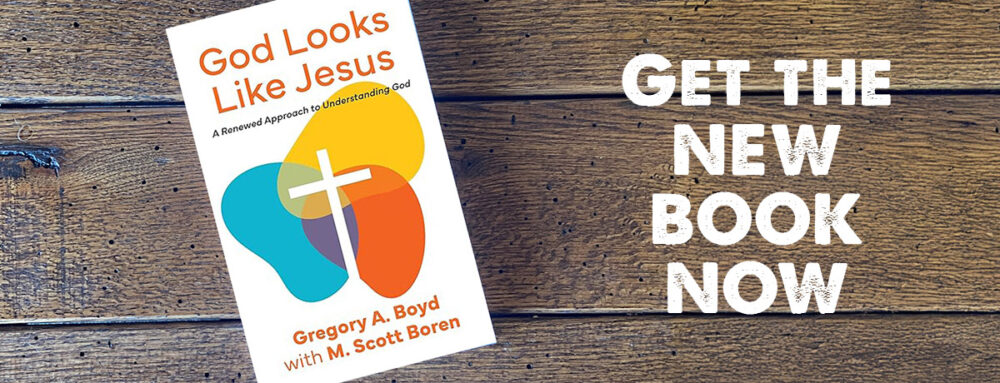
  • Recent posts — short articles and essays. Examples visible on the site include "The Silly Search for Free Will," "NEW BOOK: 'God Looks Like Jesus,'" "Love Weeps," and "Why Christ, not Scripture, is Our Ultimate Foundation."
  • Recent podcast episodes — audio content with titles like "Will God Resurrect and Judge Every Human Who Has Ever Existed?" and "Why Wouldn't Jesus Coach His Disciples to Pray?"
  • Popular topics — a set of recurring themes the site groups content under: Open Theism, Cruciform Theology, Spiritual Warfare, and The Problem of Evil.
  • Books — a section pointing to Greg Boyd's published work.
  • Email updates — a signup form for ReKnew updates.

There's also a site search and a "Search All Topics" entry point, which is the fastest way to check whether a specific question has already been addressed.

The topics it focuses on

The four "Popular Topics" give a good sense of the site's center of gravity:

Topic What it signals
Open Theism The view that God's knowledge of the future is open, not exhaustively settled
Cruciform Theology Reading God's character through the cross and Jesus
Spiritual Warfare The cosmic-conflict framing of evil and the world
The Problem of Evil How to reconcile a good God with suffering

If your interest is in one of these areas, the site is likely to have relevant articles and podcast episodes. If your interest is elsewhere, the search function is the practical way to find out.

How it's funded

The site states plainly that it runs "the way we wished the whole internet worked": high-quality original content with no ads, funded "solely by your direct support," with a prompt to consider supporting the project. That matters for how you use the site — there are no ad interruptions, and the content isn't shaped by advertisers, but the site does ask readers to contribute. The homepage does not list specific prices or membership tiers, so if you want to know what supporting it involves, you'd need to follow the support link rather than assume a cost from the homepage alone.

When ReKnew.org is the right stop

  • Use it if you want Greg Boyd's own writing and podcast episodes, especially on Open Theism, cruciform theology, spiritual warfare, or the problem of evil.
  • Use it if you want ad-free, original content from a single theological voice.
  • Look elsewhere if you need a broad, multi-perspective reference source, denominational official teaching, or content from many different authors.
  • Check the topic list or search first if you have a specific question — the site's value is depth within its themes, not breadth across all of Christianity.
How to Explore ReKnew's Articles, Podcasts, and Books

ReKnew (reknew.org) organizes its content into four main entry points: Recent Posts for articles, Recent Podcast Episodes for audio, Popular Topics for browsing by theme, and a Books by Greg section for published works. The homepage also has a site-wide search. If you already know what you want — a specific essay, a podcast episode, or a book — search or the topic list will get you there fastest. If you're browsing, the recent-posts and recent-episode feeds show what's newest.

Articles: Recent Posts

The homepage's Recent Posts column lists the latest written content with publication dates. Examples currently shown include:

  • "The Silly Search for Free Will" (July 24, 2026)
  • "Come Join Greg at ORTLine26!" (January 11, 2026)
  • "NEW BOOK: 'God Looks Like Jesus'" (March 2, 2025)
  • "Love Weeps" (October 23, 2023)
  • "Why Christ, not Scripture, is Our Ultimate Foundation" (August 3, 2023)
  • "Determinism Is Ugly (June 2007)" (May 29, 2023)

Each entry has a Read More... link. A See All Recent Posts link at the bottom of the column takes you to the full archive — useful when you want to scroll further back than the six items shown on the homepage.

Note that the dates span years, and one post is labeled with its original year (2007) alongside a 2023 posting date. That's a signal ReKnew republishes or re-dates older material, so don't assume the newest date always means newly written.

Podcasts: Recent Podcast Episodes

A separate Recent Podcast Episodes column lists audio content, also with dates and Read More... links:

  • "Will God Resurrect and Judge Every Human Who Has Ever Existed?" (October 7, 2026)
  • "Will Predators Become Vegan in Heaven?" (October 7, 2026)
  • "Why Wouldn't Jesus Coach His Disciples to Pray?" (October 6, 2026)
  • "Can Evil Spirits Repent?" (October 6, 2026)
  • "Is the Church Neglecting Missions?" (September 26, 2026)
  • "How Can I Better Remember the Bible?" (September 26, 2026)

A See All Recent Podcast Episodes link opens the full episode list. Episodes are published in pairs on the same date, so expect roughly two per release day rather than a daily drip.

Browsing by Theme: Popular Topics

If you don't have a specific title in mind, the Popular Topics list is the better starting point. The homepage names four:

Topic What it points to
Open Theism God's foreknowledge and the openness of the future
Cruciform Theology Reading God's character through the cross
Spiritual Warfare The cosmic-conflict framework
The Problem of Evil Suffering and God's goodness

A Search All Topics link expands this into the full topic index. This is the most efficient route if you're researching a theme across many posts and episodes rather than reading one item.

Books by Greg

The Books by Greg link leads to Greg Boyd's published books. The homepage also flags a specific new title, "God Looks Like Jesus," as a recent post — so book announcements and book pages are separate from the article feed. If you want the catalog rather than a single announcement, use the Books by Greg entry.

Search and Staying Updated

  • Search The Site — a search box near the top of the homepage. Best when you remember a phrase, a title fragment, or a name.
  • Sign Up for ReKnew Updates — an email field with a Sign Up button. The form includes a validation field, so it expects a working email address. This is how you get notified of new posts and episodes without checking the site.
  • Find a like-minded church near you — a link at the bottom of the page, separate from the content sections.

A Note on How the Site Is Funded

ReKnew states it runs "the way we wished the whole internet worked": original content with no ads, funded solely by direct support, with a Support Us Now link. Practically, this means you won't hit ad walls or paywalled articles while browsing — but it also means the site depends on reader contributions, and there's no indication of a free-tier versus paid-tier content split. Treat the content as openly accessible and the support link as voluntary.

Which Entry Point to Use

  • You want the newest writing → Recent Posts, then See All Recent Posts.
  • You want audio → Recent Podcast Episodes, then See All Recent Podcast Episodes.
  • You're researching a theme → Popular Topics or Search All Topics.
  • You want a book → Books by Greg.
  • You remember a specific phrase or title → Search The Site.
  • You want ongoing updates → the email signup form.
What Topics and Theological Themes Does ReKnew Cover?

ReKnew.org is a Christian resource site led by Greg Boyd that centers on what it calls a "Kingdom Revolution" — a way of reading faith through the character of God as revealed in Jesus. Its content clusters around a handful of recurring theological themes: Open Theism, Cruciform Theology, spiritual warfare, the problem of evil, and the claim that Christ rather than Scripture is the ultimate foundation for faith. If those themes match your interests, the site is built for you; if you're looking for neutral academic overviews or devotional material without a strong theological argument, it will feel pointed in a specific direction.

The Core Themes

The site lists its own "Popular Topics," which is the clearest guide to what it actually covers:

Theme What it addresses
Open Theism Whether God knows and determines the future exhaustively, or whether the future is partly open
Cruciform Theology Reading God's character through the cross and Jesus rather than through power or violence
Spiritual Warfare The role of cosmic conflict between God and evil forces
The Problem of Evil How to reconcile a good God with suffering
Christ as Ultimate Foundation Why the site treats Jesus, not the Bible text alone, as the final authority

These aren't separate silos — they reinforce each other. Open Theism and the problem of evil connect directly (if the future is open, God isn't the direct author of every tragedy), and Cruciform Theology shapes how the site reads both Scripture and spiritual conflict.

What the Content Actually Looks Like

ReKnew publishes two main formats, and knowing the difference helps you decide where to start.

Written posts

Recent article titles show the range:

  • "The Silly Search for Free Will"
  • "Why Christ, not Scripture, is Our Ultimate Foundation"
  • "Determinism Is Ugly"
  • "Love Weeps"

These tend to be argument-driven essays that take a position and defend it, often responding to a common objection or a rival view.

Podcast episodes

The podcast tackles listener-style questions, for example:

  • "Will God Resurrect and Judge Every Human Who Has Ever Existed?"
  • "Will Predators Become Vegan in Heaven?"
  • "Why Wouldn't Jesus Coach His Disciples to Pray?"
  • "Can Evil Spirits Repent?"
  • "How Can I Better Remember the Bible?"

The podcast is the better entry point if you want the themes explained conversationally rather than through a formal essay.

How the Site Is Run

ReKnew states that it runs "the way we wished the whole internet worked": original content with no ads, funded solely by direct support from readers. That matters for how you use it — there's no paywall described, but the site actively asks for support, and its independence is tied to that funding rather than to advertising or institutional backing.

The site also offers a "Find a like-minded church near you" tool and a sign-up for updates, which signals that it's aimed at people who want to connect with others who share these views, not just read.

Who This Is For

ReKnew is a good fit if you:

  • Are already curious about Open Theism or the "warfare worldview" and want a sustained case for them
  • Want to explore how the cross shapes the doctrine of God
  • Prefer long-form argument and podcast discussion over short devotionals
  • Are comfortable with a site that takes clear theological positions

It's probably not the right starting point if you:

  • Want a neutral survey of these debates from multiple sides
  • Are looking for content unconnected to a specific teacher's framework
  • Prefer material that avoids controversy around God's foreknowledge and biblical authority

A Practical Way to Explore

  1. Start with the Popular Topics list on the homepage to confirm the themes interest you.
  2. Pick one podcast episode on a question you already wonder about — this gives you the site's voice quickly.
  3. Read one written post on the theme that matters most to you (for example, the Christ-as-foundation essay if authority is your question).
  4. Use the search to check whether a specific question you have is already covered before assuming it isn't.

The main thing to decide up front: ReKnew is an advocacy site for a particular theological vision, not a general reference. Judge it on whether that vision is what you want to understand.

How ReKnew Is Funded and How You Can Support It

ReKnew (reknew.org) is funded entirely by direct support from its readers, not by advertising. The site states that it runs "the way we wished the whole internet worked: we provide high quality original content with no ads" and that it is "funded solely by your direct support." If you value ad-free, original theological content, the two ways to participate described on the site are a direct financial contribution through its "Support Us Now" link and signing up for ReKnew updates by email.

What "No Ads, Reader-Funded" Actually Means

The operating model is stated plainly on the homepage:

  • No advertising. ReKnew does not sell ad space on its pages, so the content you read is not interrupted or influenced by sponsors.
  • Direct support only. The site says it is funded solely by direct contributions from its audience.
  • Original content priority. The stated aim is "high quality original content," which is the thing the funding is meant to sustain.

This is a straightforward donation-style model: readers who find the material valuable cover the cost of producing it. The site does not describe subscription tiers, paywalls, or premium memberships in the material available, so the support relationship appears to be voluntary giving rather than a paid-access arrangement.

How to Support ReKnew

Give directly

The homepage includes a "Support Us Now" link, presented alongside the explanation of the funding model. That is the entry point the site itself offers for financial support. The site does not publish specific amounts, recurring-versus-one-time options, or payment methods in the material available, so check the link itself for those details.

Sign up for updates

The homepage also offers a "Sign Up for ReKnew Updates" email form. Entering your email and submitting it subscribes you to ReKnew's updates. The form includes a validation field (labeled for company/validation purposes) that is part of the standard signup, not something you need to fill in as a reader.

Staying subscribed keeps you informed about new posts, podcast episodes, and books — which is itself a form of participation in the project's reach.

What Your Support Goes Toward

The content the site produces falls into a few visible categories, all of which the reader-funded model supports:

Category Examples from the site
Recent posts "The Silly Search for Free Will," "Come Join Greg at ORTLine26!," "NEW BOOK: 'God Looks Like Jesus'," "Love Weeps," "Why Christ, not Scripture, is Our Ultimate Foundation"
Podcast episodes "Will God Resurrect and Judge Every Human Who Has Ever Existed?," "Will Predators Become Vegan in Heaven?," "Why Wouldn't Jesus Coach His Disciples to Pray?," "Can Evil Spirits Repent?," "Is the Church Neglecting Missions?," "How Can I Better Remember the Bible?"
Books Books by Greg (listed on the site)
Popular topics Open Theism, Cruciform Theology, Spiritual Warfare, The Problem of Evil

The site also points readers to a "Find a like-minded church near you" resource, which extends the same mission beyond the website itself.

Practical Notes Before You Give or Subscribe

  • Check the Support Us Now link for current mechanics. The homepage confirms the link exists but does not spell out payment platforms, amounts, or whether giving is recurring. Those details live behind the link.
  • Email signup is separate from giving. You can subscribe to updates without contributing financially, and the site presents both options side by side.
  • No ad-free "free tier" language. Because the site never mentions ads being optional or removable, don't assume there's a paid ad-free version — the whole site is already ad-free by design.

If the goal is simply to keep the content coming, the two actions the site asks for are the same two it offers: support the project directly, and stay connected through the update list.

Website Overview

An established domain and managed infrastructure suggest continuity of operations and may support dependable delivery, although neither guarantees service quality. An active inbound-mail setup with incomplete authentication may leave the domain more open to impersonation. Provider hosting alone does not close that gap.

Domain and Registration

Registered in 2010, this domain has about 15 years of history. That suggests continuity, although ownership and purpose may have changed. Transfer-protection status is present, helping reduce the risk of unauthorized domain transfers. The registrar is NameCheap, Inc., a widely used domain service provider. The domain uses the common .org extension, which is not an independent safety signal.

DNS and Email

The observed email authentication setup is incomplete: SPF is missing. The lowest TTL is 60 seconds, supporting rapid record changes at the cost of more frequent lookups. Nameservers are provided by Namecheap, indicating managed DNS hosting. MX records point to the Google Workspace email service. No CNAME was found; the observed records resolve directly to addresses.

TLS and Certificates

The certificate uses an RSA 2048-bit public key, offering broad client compatibility. The server supplied a complete certificate chain. No organization name is present in the certificate; the available fields are consistent with domain validation. The certificate was issued by Let's Encrypt, commonly associated with automated certificate services. The certificate's total validity is about 89 days, consistent with a short renewal cycle.

HTTP and Browser Security

X-Powered-By exposes backend information: WP Engine. The checked browser-security headers were not detected, leaving fewer explicit browser-side safeguards. The x-cache response header indicates a CDN or caching proxy in the delivery path. No obvious internal addresses or debug information were found in the headers. The Server header identifies nginx without an exact version.

Technology Stack Analysis

The public page identifies WordPress, jQuery, Google Analytics, nginx without precise versions, leaving fewer clues for version-specific scanning.

Search and Social Sharing

No homepage meta description was detected, leaving snippet selection more dependent on page text. Twitter Card metadata is configured. The title has 25 characters, within a common display range. The observed directives allow indexing and link following. No Generator meta tag is publicly exposed.

Hosting and Email

DNSNamecheap
HostingGoogle LLC
EmailGoogle Workspace
Approximate IP geolocation (inferred; a CDN or proxy may differ from the origin server) United States flagThe Dalles, Oregon, United States Inferred 104.199.123.8

Registration details

RDAP / WHOIS

RegistrarNameCheap, Inc.
Registered2010-11-19
Expires2026-11-19
Domain statusclient transfer prohibited
Nameserversdns1.registrar-servers.com、dns2.registrar-servers.com
DNSSECunsigned

DNS records

DNS

TypeNameValueTTLPriority
Areknew.org104.199.123.8300—
MXreknew.orgaspmx.l.google.com601
MXreknew.orgalt1.aspmx.l.google.com605
MXreknew.orgalt2.aspmx.l.google.com605
MXreknew.orgaspmx2.googlemail.com6010
MXreknew.orgaspmx3.googlemail.com6010
NSreknew.orgdns1.registrar-servers.com1800—
NSreknew.orgdns2.registrar-servers.com1800—
DMARC_dmarc.reknew.orgv=DMARC1; p=none;300—

TLS and certificates

TLS / SSL

AssessmentNormal configuration
Supported protocolsTLSv1.2、TLSv1.3
Negotiated protocolTLSv1.3
Certificate subjectreknew.org
IssuerLet's Encrypt
Valid until2026-11-19T16:26 · Remaining when checked: 42 days
Verification detailsCertificate trust: Passed · Hostname match: Passed

HTTP response headers

HTTP

HeaderValue
content-typetext/html; charset=UTF-8
cache-controlmax-age=600, must-revalidate
servernginx

Identified technologies

WordPressjQueryGoogle Analyticsnginx

Pages, Search and Sharing

Meta descriptionNot detected
Canonical URLhttps://reknew.org/
LanguageEnglish (default)
Twitter Cardsummary_large_image
All bots 0 allowed · 4 disallowed
  • Disallow/wp-admin/
  • Disallow/wp-login.php
  • Disallow/*blackhole
  • Disallow/?blackhole

User reviews (0)

  • No reviews yet.