
 简体中文
简体中文 English
Website review
This review may include AI-generated content and is not individually verified. Domain, certificate and other facts come from the observed data on this page.
What is Cape Breton University?
Cape Breton University (CBU) is a public university located on Cape Breton Island in Nova Scotia, Canada. Its site presents it as a diverse, welcoming campus where students from more than 70 countries study together, combining academics with the culture of the island — called Unama'ki in Mi'kmaq.
What the university emphasizes
- Community and belonging: The homepage frames CBU as "community," stressing friendships, global perspectives and a welcoming environment rather than rankings.
- A clear application path: Prospective students are walked through stages — Before You Apply, How To Apply, Accept Your Offer and What's Next — covering accounts, course registration and other setup steps.
- A medical campus: The Cape Breton Medical Campus is highlighted, including a welcome for its incoming medical class and a story about a second-year medical student mentoring local high school students.
- Student life and leadership: CBUSU (the students' union) executives appear in news stories about promotions, finance and events, giving a sense of an active campus culture.
- Open House: A pre-registration open house is promoted, which is typically the easiest way to see the campus and meet recruiters in person.
Who it suits
It is aimed at applicants who want a smaller, community-oriented Canadian university with a strong international mix, and at students interested in health professions given the medical campus. Those who prefer a large research-intensive city campus may find the setting different from what they expect.
Practical next step
If you are considering applying, start with the "Before You Apply" section to check admission requirements for your program, then work through the application steps in order. To compare options, look at program availability, co-op or clinical placements, and the cost of living in the area — not just tuition. You can also explore Nova Scotia's other institutions, such as Dalhousie University and St. Francis Xavier University, or review national program listings through Universities Canada.
How do you apply to Cape Breton University?
Applying to Cape Breton University means working through a staged process rather than a single form: the university's own admissions pages walk you through what to consider before applying, how to submit your admission application, how to accept an offer if you're accepted, and the steps new students take afterwards to set up accounts and register for classes. Start at Cape Breton University and follow that sequence in order.
The application path
- Before you apply. Review the information the university flags as worth considering before you submit anything — this is where you confirm you're applying to the right program and term.
- Apply. Complete the admission application itself through the university's application route.
- Accept your offer. If you're admitted, the next stage covers how to formally accept.
- What's next. After acceptance, new students set up accounts, get registered for classes and handle the remaining onboarding tasks.
Who this suits
The structure favours applicants who are organised and comfortable with a multi-step process, including international students — CBU describes students from over 70 countries studying on campus. If you're weighing CBU against other Canadian universities, compare the clarity of each school's admissions steps and how early you can speak to a recruiter, since that shapes how smoothly the process goes.
A practical next step
If anything in the "before you apply" stage is unclear — program eligibility, term dates, or which documents you need — use the recruiter contact option on the site before submitting. A short conversation early usually prevents a rejected or delayed application later. Prospective students in the region can also attend an open house, which the homepage promotes as a pre-registration event, to get questions answered in person.
Two related official sources worth checking alongside the university's own pages are OntarioColleges.ca and EduCanada, the latter being the Government of Canada's official resource for international students; confirm which application route applies to you based on your status and where you studied previously.
What programs and degrees does Cape Breton University offer?
Cape Breton University offers undergraduate degrees, graduate programs, and professional pathways across arts and social sciences, business, science and technology, health, and education. The site also highlights a medical campus, the Cape Breton Medical Campus (CBMC), which points to medicine and health-related study as a growing part of its profile.
What you can study
- Arts and social sciences — humanities and social science subjects, including the School of Arts and Social Sciences referenced in CBU stories.
- Business — undergraduate and graduate business study is a core part of the university's offering.
- Science and technology — including analytical and research-oriented fields; a CBU professor's pop-culture podcast example shows the range of faculty work within the arts and social sciences.
- Health and medicine — the Cape Breton Medical Campus is training medical students, with CBMC students and mentors featured in CBU's news.
- Education and community-focused programs — CBU emphasizes community connections, and its stories profile students and alumni moving into mentoring and leadership roles.
Degrees and credentials
CBU's admissions pathway describes applying for admission, accepting an offer, and then registering for classes. That structure fits bachelor's degrees as the main entry point, with graduate and professional programs such as medicine available at the medical campus. Specific program names, majors, and degree designations are best confirmed on CBU's own program pages, since the homepage excerpt focuses on the application journey and campus life rather than a full program list.
Who it suits
CBU presents itself as a diverse campus with students from over 70 countries, so it may appeal to international students and those who want a smaller, community-oriented Canadian university experience. The medical campus makes it relevant for students aiming at health careers, while the arts, business, and science offerings cover more traditional degree paths.
Next step
Use CBU's "Before You Apply," "How To Apply," and "What's Next" pages to see which programs accept applications and what each requires. For a broader comparison of Canadian universities, you can also look at University Study or EduCanada.
What scholarships and financial aid are available for CBU students?
Cape Breton University's own pages point students toward entrance and in-course awards, but the site does not publish a single consolidated scholarship list in the material available here. The practical starting point is the university's own awards and financial aid section, plus the step-by-step application pages it links from the main site (Before You Apply, How To Apply, Accept Your Offer, What's Next) at Cape Breton University.
What to expect at CBU
- Entrance awards for new students. Most Canadian universities reserve their largest automatic and application-based scholarships for students entering directly from high school or transferring in. At CBU, these are typically assessed on admission, so applying early matters more than hunting for a separate form later.
- In-course and donor awards. Continuing students usually apply through a single general application each year rather than one form per award. Deadlines tend to fall in the fall term for the following academic year.
- International student awards. CBU enrols students from over 70 countries, and international entrants are usually eligible for a separate set of entrance scholarships and bursaries. These often require a study permit and full-time registration to remain valid.
- Bursaries and emergency funds. Needs-based bursaries and short-term emergency assistance are handled separately from merit scholarships and usually require a budget or documentation.
- Government aid. Canadian students apply for provincial and federal student loans and grants through their home province, not through CBU. The university's role is to confirm enrolment.
- Work and research funding. On-campus jobs, co-op placements and graduate research stipends are other routes, though these are earned rather than awarded.
How to decide where to focus
| Situation | Best first move |
|---|---|
| Applying from high school | Check entrance awards before submitting your application |
| Already enrolled | Look for the general in-course award application and its deadline |
| International applicant | Confirm which awards are open to international students and what conditions apply |
| Facing a shortfall mid-year | Ask about bursaries and emergency funds, not scholarships |
Next step
Contact a CBU recruiter through the university's own site and ask three specific questions: which awards you are automatically considered for, which require a separate application, and what the deadlines are. For Canadian students, start the provincial student aid application in parallel, since it has its own early deadline and does not depend on CBU's award decisions.
What is student life like at Cape Breton University?
Student life at Cape Breton University centres on a small-island campus with a deliberately international student body — the university says students come from over 70 countries — so the social experience tends to be shaped as much by cross-cultural mixing as by traditional Canadian campus traditions. The tone the university projects is community-oriented and welcoming rather than anonymous or big-city.
What that means day to day
- A close-knit campus. CBU is in Sydney, Nova Scotia, on Cape Breton Island. A smaller institution generally means smaller classes, familiar faces and easier access to instructors — a real advantage if you learn best with personal contact rather than lecture-hall anonymity.
- A globally mixed peer group. With students drawn from many countries, expect friendships, study groups and social events that cut across nationalities. That suits students who want an international outlook without leaving Canada.
- A student union that visibly runs things. The CBUSU executive roles featured on the site — promotions, finance and operations, executive vice president — point to an active students' union organising events, clubs and advocacy. If you want leadership experience, these are the kinds of roles and volunteer positions to look for early.
- Island culture as part of the package. The university frames Cape Breton's music, Gaelic heritage and outdoor landscape as part of student life, not just local colour. Students who enjoy hiking, coastal scenery and live music tend to get more out of it than those who want a large urban scene.
Trade-offs to weigh
| If you want... | CBU fits well | Look elsewhere |
|---|---|---|
| Small classes, known professors | Yes | — |
| A dense big-city nightlife and transit network | — | Larger urban universities |
| A multicultural friend group | Yes | — |
| Proximity to major airports and big employers | — | — (Sydney is remote; travel home takes planning) |
The main practical trade-off is location: Cape Breton is beautiful but distant from major Canadian cities, so travel costs and logistics matter for students who plan to go home often.
A useful next step
Book a spot at an Open House or contact a recruiter through Cape Breton University and ask three specific questions: how clubs and societies are funded, what orientation looks like for international students, and how students typically get around and travel off-island. If you are comparing options, also look at Cape Breton University Students' Union for the student-run side of campus life, and check Discover Halifax if you want to understand how far the nearest larger city is.
What are the admission requirements for international students at CBU?
Cape Breton University's own admission pages set out the requirements for international applicants, and the process is organised in stages: what to consider before applying, how to apply, how to accept an offer, and what to do after acceptance. The page describes an applicant pool drawn from more than 70 countries, so international admission is a well-travelled route rather than an exception.
What you can expect to provide
- Academic records from secondary school or previous post-secondary study, showing you meet the level required for your chosen program.
- English language proficiency, normally demonstrated through a recognised test or an accepted alternative qualification. Requirements differ by program, so check the specific page for your intended degree.
- Program-specific material where relevant — portfolios, auditions, supplementary forms or prerequisite subjects for certain faculties.
- Identification and immigration documents needed to support a study permit application once you are admitted.
CBU does not publish a single universal cut-off that applies to everyone; the academic and English requirements vary by program and by the education system you are coming from. Treat the program page, not a general summary, as the deciding source.
How the application flows
- Before You Apply — confirm your program, check prerequisites and gather documents.
- How To Apply — submit your application and supporting files through the official channel.
- Accept Your Offer — respond formally once a decision is issued.
- What's Next — set up accounts, register for classes and prepare for arrival.
A practical next step
Identify the exact program you want, then open that program's admission requirements page and build a checklist against it: transcripts, English test, prerequisites, deadlines and any supplementary items. If anything is ambiguous, contact a CBU recruiter through the university's official contact route before you submit, since a short email can save a rejected or delayed application. For a second opinion on how your credentials compare, provincial and national bodies such as EduCanada explain how Canadian credentials are assessed, and World Education Services describes document-by-document evaluation for internationally educated applicants.
 Cloudflare
 Microsoft 365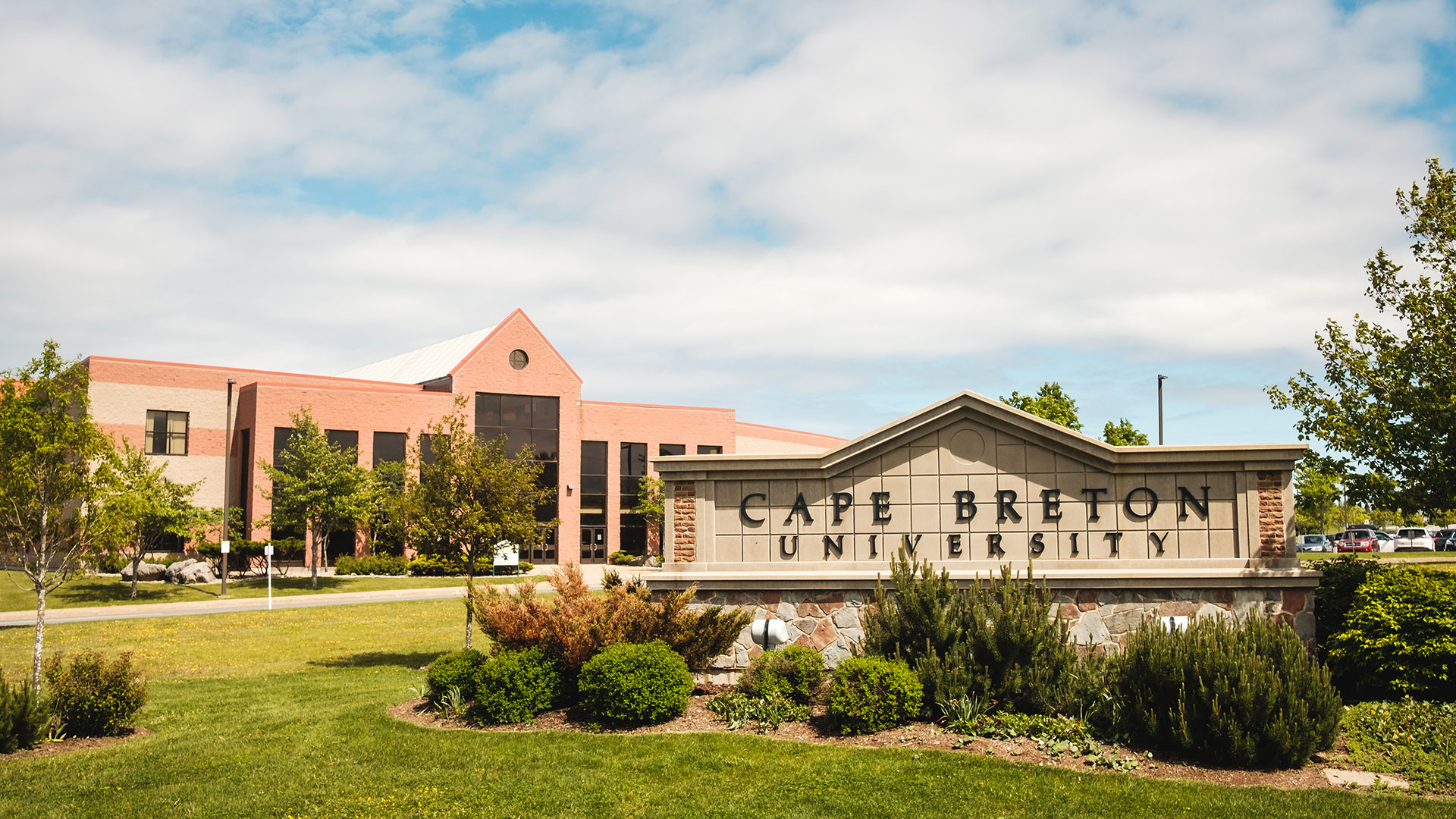
User reviews (0)