
 简体中文
简体中文 English
Website review
This review may include AI-generated content and is not individually verified. Domain, certificate and other facts come from the observed data on this page.
What is the College of Engineering at the University of St. Thomas?
The College of Engineering at the University of St. Thomas is a Minnesota-based engineering school that emphasizes hands-on, applied, and industry-relevant education. Its programs span undergraduate and graduate degrees, with engineering majors including Civil, Mechanical, Computer, Electrical, Manufacturing, Systems, Regulatory Science, and Engineering Management, plus graduate software programs in Artificial Intelligence, Data Science, Information Technology, and Software Engineering.
The college describes itself as producing "well-rounded, hands-on engineers and savvy technology leaders," and it pairs that with a liberal arts foundation. Its facilities include the Frey Science & Engineering Complex, which the college says contains nearly 400,000 square feet of modern labs and equipment for STEM education. Faculty-student connections are presented as a priority, with student development described as the college's top concern.
For ranking context, the college says U.S. News & World Report ranks it #29 in the U.S. and #1 in Minnesota among engineering colleges without a doctoral program.
Who it may suit
- Prospective undergraduates who want an applied engineering education with room for liberal arts coursework.
- Working professionals or career changers considering graduate study in engineering, software, data science, or AI.
- Students who value small-group faculty interaction over a large research-university environment.
A practical next step
If you are evaluating the college, decide first which level fits you — undergraduate or graduate — then compare specific degree pages for curriculum and admission requirements. For a broader look at the university, see University of St. Thomas.
What undergraduate engineering majors does the College of Engineering offer?
The College of Engineering at the University of St. Thomas offers undergraduate engineering programs in Civil, Mechanical, Computer, Electrical, Manufacturing, Systems, Regulatory Science, and Engineering Management. Graduate programs in Software are also available, including Artificial Intelligence, Data Science, Information Technology and Software Engineering.
If you're comparing options, use this quick filter:
- Civil, Mechanical, Electrical, Computer: traditional engineering disciplines with broad industry demand.
- Manufacturing, Systems, Engineering Management: strong fits if you want to work at the intersection of engineering, operations and leadership.
- Regulatory Science: a narrower path suited to students interested in compliance, medical devices, pharmaceuticals or safety-focused industries.
As a next step, visit the college's program pages at College of Engineering | University of St. Thomas to check each major's course sequence and admission requirements, then compare them against schools like University of Minnesota College of Science and Engineering or UMN Civil, Environmental, and Geo- Engineering if you want a regional benchmark. A useful decision criterion: pick the major whose required math and physics sequence you can see yourself completing, not just the one with the best-sounding title.
What graduate programs in software and data science are available?
The College of Engineering at the University of St. Thomas offers graduate programs in software with named tracks in Artificial Intelligence, Data Science, Information Technology and Software Engineering. It also lists graduate study in data science and engineering more broadly, alongside engineering master's areas such as Civil, Mechanical, Computer, Electrical, Manufacturing, Systems, Regulatory Science and Engineering Management. The college describes these graduate offerings as practical and industry-relevant, aimed at working professionals who want to upskill without leaving the workforce.
Who this fits
- Software developers or IT staff moving toward AI, data or architecture roles.
- Analysts and scientists who want formal data science training.
- Engineers in civil, mechanical, electrical or manufacturing fields adding management or systems depth.
How to choose among them
- Pick Artificial Intelligence if your goal is model building, applied AI or machine learning engineering.
- Pick Data Science if you work with analytics, statistics or data pipelines.
- Pick Information Technology or Software Engineering if you want broader systems, architecture or development leadership rather than modeling.
- Pick Engineering Management if your trajectory is technical leadership rather than deeper technical specialization.
Next step Request the current graduate catalog or program pages from the College of Engineering at University of St. Thomas College of Engineering and confirm delivery format, part-time pacing and whether each track is a full master's or a certificate. Ask directly how the AI and Data Science tracks differ in required coursework, since the page groups them under one software graduate umbrella without listing individual courses.
How does the College of Engineering incorporate hands-on learning and industry connections?
The College of Engineering at the University of St. Thomas builds its identity around applied, collaborative engineering, with hands-on work and industry relevance woven through both undergraduate and graduate programs. The page describes a "purposeful, applied, hands-on, collaborative, industry-relevant" educational experience rather than a purely theoretical one.
Where the hands-on element shows up
- Facilities and labs: The Frey Science & Engineering Complex provides nearly 400,000 square feet of modern labs and equipment dedicated to STEM education, giving students physical space to build, test and experiment.
- Faculty contact: The college states that faculty build strong connections with students inside and outside the classroom, and calls student development its top priority. Close faculty relationships are often what turn lab work into mentored, project-based learning.
- Degree range: Programs span Civil, Mechanical, Computer, Electrical, Manufacturing, Systems, Regulatory Science and Engineering Management, plus graduate software programs in Artificial Intelligence, Data Science, Information Technology and Software Engineering. Disciplines like manufacturing, systems and software tend to involve applied projects by nature.
How industry connections are framed
The page positions industry relevance as a core program trait, and the graduate offerings are described as practical and industry-relevant for people who want to upskill. It also highlights faculty activity in current technical debates — for example, commentary from Manjeet Rege, director of the Center for Applied Artificial Intelligence, on AI risks and regulation, and civil engineering professor Ali Ling's published research on PFAS regulation in water supplies in Nature Water. Faculty engaged in current practice tend to bring real problems and professional context into coursework.
A practical way to judge the fit
If you are choosing a program, ask these questions on a visit or in an admissions conversation:
- How many courses include a lab, studio or team project, and how are they assessed?
- Are capstone or client projects sourced from companies, and who owns the resulting work?
- Do internships or co-ops count toward the degree, and how are they arranged?
- Which faculty have recent industry or applied research experience in your intended specialty?
For a student who learns by building and wants a Minnesota-based program with a broad engineering and software menu, the structure described here is a reasonable starting point. Compare it against alternatives such as University of Minnesota College of Science and Engineering or Maricopa Community Colleges if cost or transfer pathways matter to you.
What facilities and labs are available for engineering students?
The College of Engineering at the University of St. Thomas centers its lab space in the Frey Science & Engineering Complex, described as nearly 400,000 square feet of modern labs and equipment dedicated to STEM education. The college frames this as part of a hands-on, applied, industry-relevant engineering experience rather than lecture-only learning.
College of Engineering | University of St. Thomas – Minnesota
What the page tells you
- Frey Science & Engineering Complex: the main facility, with roughly 400,000 square feet of labs and equipment for STEM teaching and research.
- Facilities and Labs section: the site groups its lab and facility information under this heading, so that is where a prospective student should look for specifics by discipline.
- Faculty connections: the college states that faculty build strong connections with students inside and outside the classroom and calls student development its top priority — relevant if you want lab access paired with mentorship rather than independent bench time.
How to use this
The page confirms scale and setting but does not list individual labs by name in the supplied material. If you are comparing programs, ask admissions or a department contact for the specific lab a given major uses — for example, civil and mechanical students, computer and electrical students, or software and data science students will each spend time in different spaces. A useful next step is to request a campus visit or lab tour and ask which facilities first-year students can access versus which are reserved for upper-level or graduate work.
How is the College of Engineering ranked compared to other programs?
The College of Engineering at the University of St. Thomas is ranked #29 in the U.S. and #1 in Minnesota among engineering colleges without a doctoral program, according to U.S. News & World Report, as cited on its site.
What that ranking actually tells you
That "without a doctoral program" category matters. It groups St. Thomas with institutions that focus on undergraduate teaching and master's-level training rather than PhD research output. So the #29 placement reflects strength in applied, hands-on teaching and industry relevance, not research volume.
If you are comparing schools, this distinction is the key decision criterion:
| If you want... | Programs like St. Thomas fit | Large research universities fit |
|---|---|---|
| Small classes, faculty access | Strong fit | Varies |
| Undergraduate research with faculty | Possible, but less PhD-driven lab scale | Strong fit |
| Industry-focused master's (software, data, AI) | Strong fit | Strong fit |
| PhD track or heavy research funding | Less suited | Strong fit |
Practical next step
Ask each program you're considering two questions: "What percentage of classes are taught by full-time faculty?" and "What does the doctoral-program category mean for lab access and research funding?" The answers will show whether a ranking like #29 reflects the experience you actually want.
 Amazon CloudFront
 Microsoft 365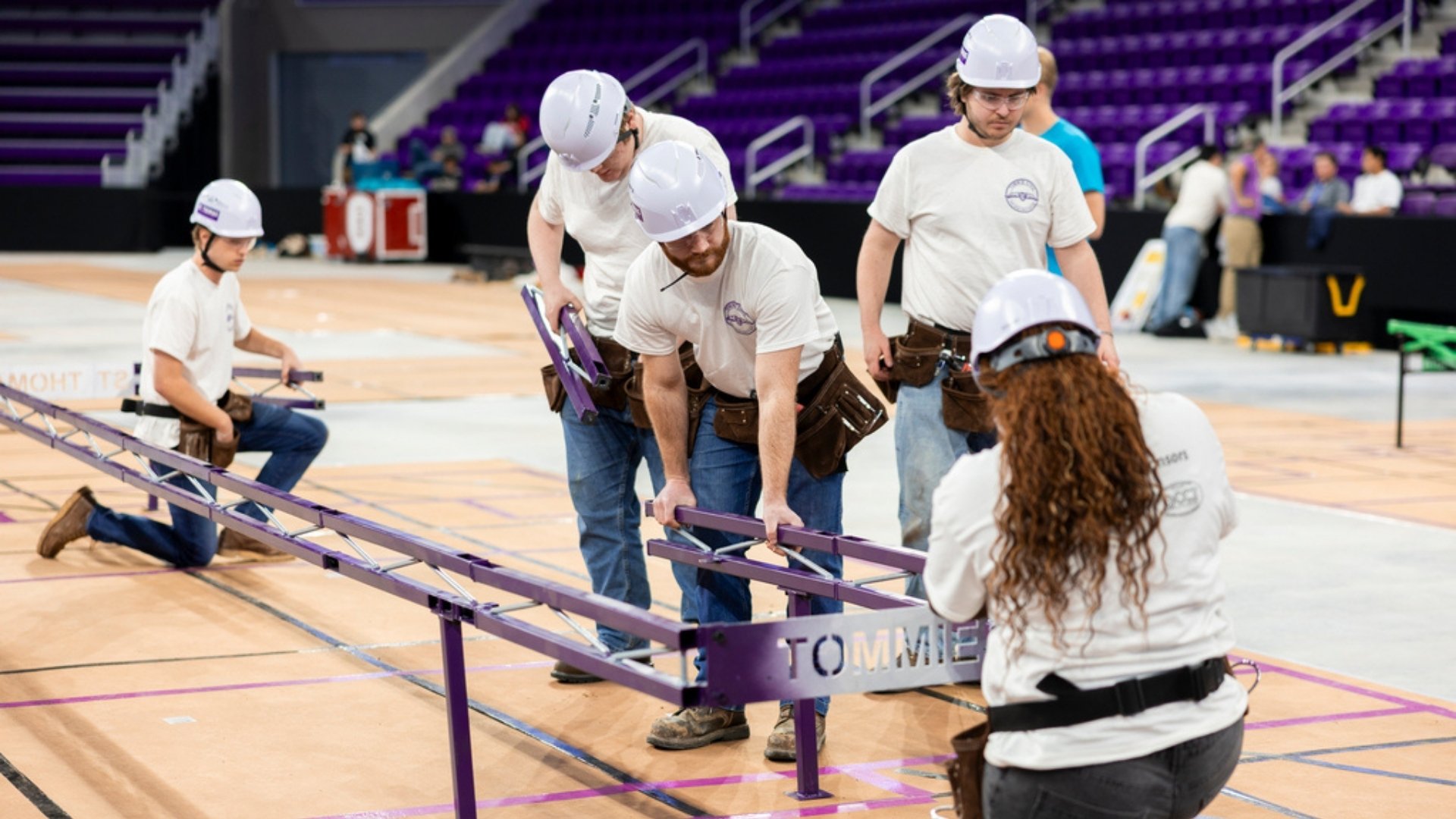
User reviews (0)