Website profiles · Technology insights · Alternatives

genderdysphoria.fyi

A resource for those questioning their gender, already on a gender journey, or simply wanting to learn more about what it is to be transgender.

No paid content found
Visit website
Profile views 7 Outbound visits 12 Normal
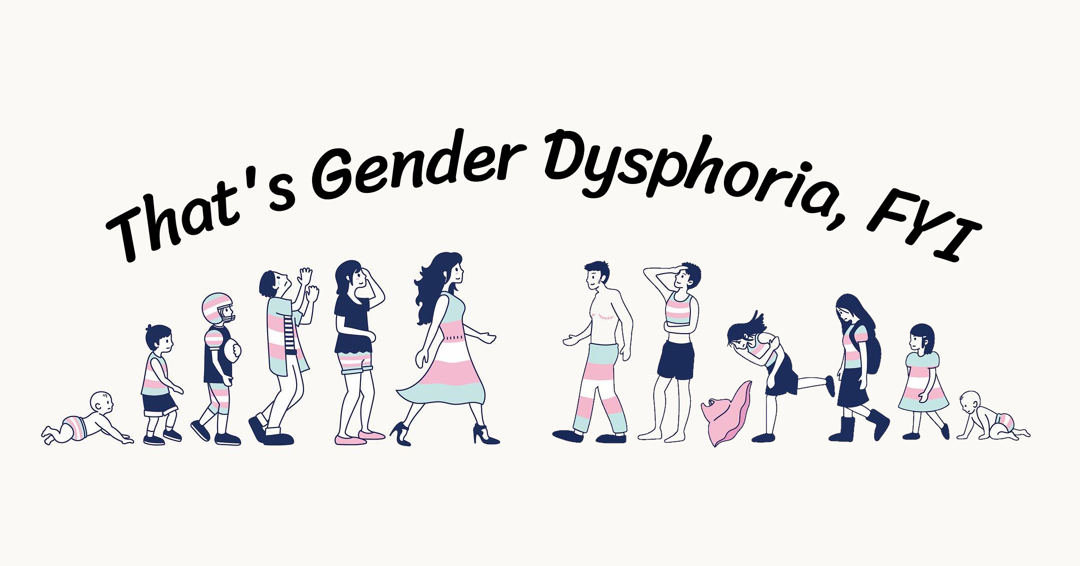
That's Gender Dysphoria, FYI Full homepage screenshot

At a glance

Category
Education & Learning
Language
English
Paid-content signal
No paid content foundObserved
Registered
2020
Hosting
Amazon CloudFrontInferred
HTTPS certificate trusted
PassedObserved
Last updated

Website review

This review may include AI-generated content and is not individually verified. Domain, certificate and other facts come from the observed data on this page.

What is That's Gender Dysphoria, FYI?

That's Gender Dysphoria, FYI is an educational website built around a long-form guide called the Gender Dysphoria Bible. It is written for people questioning their gender, people already exploring a gender journey, and friends, partners or family who want a clearer explanation of what it means to be transgender.

Its core value is structure. Instead of one broad article, the site breaks the topic into named chapters covering gender itself, the history of gender dysphoria, gender euphoria, and several forms of dysphoria: physical, biochemical, social, societal, sexual, presentational, existential and managed. It also addresses impostor syndrome, the question "Am I trans?", clinical diagnoses, treatment, causes, chromosomes, how hormones work, and androgenic and estrogenic second puberty.

The site is available in many languages, including Spanish, French, German, Portuguese, Russian, Ukrainian, Arabic, Japanese, Korean and both Chinese variants. A downloadable PDF version is offered, which matters if you want to read offline, share it with someone who prefers print, or keep a copy for later.

Who it suits

  • Someone early in questioning who wants vocabulary for feelings they have not been able to name.
  • A trans person who wants a reference to revisit during transition or while considering hormones.
  • A parent, partner or friend trying to move past stereotypes toward a more accurate picture.
  • A reader who prefers a coherent, book-like guide over scattered forum threads.

How to use it

Start with the chapters on gender and on the different forms of dysphoria, since those define the terms the rest of the guide relies on. If you are mainly trying to decide whether transition is right for you, read "Am I Trans?" alongside the material on gender euphoria, because the guide treats relief and joy as informative, not just distress. If hormones are on your mind, the sections on how hormones work and second puberty are the practical next step.

Treat the site as a starting point for understanding and language, not as a substitute for a clinician who knows your history. For a broader community perspective, TransActual covers UK-specific rights and healthcare questions, while Trans Lifeline is a peer support and crisis resource.

What are the different types of gender dysphoria?

"That's Gender Dysphoria, FYI" breaks dysphoria into named categories rather than treating it as one feeling. Its table of contents lists physical, biochemical, social, societal, sexual, presentational, existential and managed dysphoria, plus gender euphoria, impostor syndrome, "Am I Trans?" and clinical diagnoses. The site's framing is that these are facets of one experience, and that not everyone will recognise themselves in every category.

The categories the site names

  • Physical — distress relating to the body and its sex characteristics.
  • Biochemical — distress tied to how the body runs on its dominant hormones; often described as relief or clarity arriving after a hormone regimen changes.
  • Social — distress around how others read, name and treat you.
  • Societal — distress from cultural norms, expectations and roles rather than from any one person's behaviour.
  • Sexual — distress affecting intimacy, desire and how you are wanted.
  • Presentational — distress about clothing, appearance and self-presentation.
  • Existential — distress about meaning, identity and whether you count as "really" trans.
  • Managed — the coping patterns built up to keep the other kinds at bay.

How to use the list

Treat it as a vocabulary, not a diagnostic checklist. A useful exercise: write down the moments in the last month when you felt wrong, numb or withdrawn, then ask which category each one fits. Patterns matter more than any single label — someone whose distress is almost entirely social may need different support than someone whose distress centres on their body.

The "Managed Dysphoria" and "Impostor Syndrome" entries are the ones people often miss, because long-standing avoidance can hide the underlying feeling. If you read only two sections, read those.

Where it sits among other resources

For a broad explanatory reference, That's Gender Dysphoria, FYI is unusually thorough and is translated into many languages, which helps if English is not your first. For peer support and practical questions, Reddit communities such as r/asktransgender offer lived experience, though quality varies. For clinical framing, American Psychological Association publishes diagnostic and practice material, and World Health Organization maintains the ICD classification. For UK-specific practical guidance, NHS covers referral routes and what to expect from services.

A reasonable next step: read the introduction and the "Am I Trans?" section first, then jump to whichever category matched most of what you wrote down.

How can I tell if I'm transgender?

The honest answer is that no website can tell you whether you are transgender — it can only help you understand what you're feeling and give you language for it. "That's Gender Dysphoria, FYI" is built for exactly that stage of questioning, and it is most useful as a map of experiences to compare against your own, not as a test you pass or fail.

What this resource actually offers

The site is structured as a long-form guide (the "Gender Dysphoria Bible"), with sections that break dysphoria into types rather than treating it as one feeling:

  • Physical, biochemical, social, societal, sexual, presentational, existential and managed dysphoria — separate pages for each, so you can see which descriptions fit and which don't.
  • Gender euphoria — the positive counterpart, often easier to notice than distress.
  • Impostor syndrome and "Am I Trans?" — pages aimed directly at the doubt that comes with questioning.
  • Clinical diagnoses, causes, chromosomes, and hormone-driven "second puberty" — background for people considering medical steps.

It is also translated into many languages, including Spanish, French, German, Arabic, Japanese, Korean and both Taiwanese Mandarin and Chinese, which matters if English is not your first language or if you want to share it with family.

How to use it without spiraling

Read for recognition, not for a verdict. A practical approach:

  1. Keep a short note of which sections produce a strong "that's me" reaction, and which leave you cold. Both kinds of data are useful.
  2. Pay attention to euphoria as much as dysphoria — wanting a different life is as informative as disliking the current one.
  3. Give it time. The site's own framing is that people recognize this at many different ages; there is no deadline.
  4. If reading raises distress rather than clarity, stop and talk to a person, not a page.

When a website isn't enough

If you are looking for a definitive yes-or-no, a guide like this will frustrate you. Its value is descriptive: it shows the range of ways being trans can look, which can loosen the feeling that you must match a single stereotype. For a personal conclusion, the more reliable route is a gender-experienced therapist or a local trans peer group — people who can ask follow-up questions a static page cannot.

For a broader community perspective and practical questions to ask yourself, [[site:trans lifeline.org|Trans Lifeline]] and The Trevor Project both offer peer support and crisis lines, and GLAAD publishes plain-language material you can hand to skeptical relatives.

How do I cope with gender dysphoria?

Coping with gender dysphoria usually means reducing the distress it causes in daily life while you decide what longer-term steps you want. That's Gender Dysphoria, FYI is written for people questioning their gender, those already on a gender journey, and anyone who wants to understand the trans experience better. Its table of contents maps the terrain in unusual detail: physical, biochemical, social, societal, sexual, presentational, existential, and managed dysphoria, plus gender euphoria, impostor syndrome, "Am I Trans?", clinical diagnoses, and treatment.

A practical way to use that structure: name which kind of dysphoria is hitting you hardest this week, then address that one. The site's own framing suggests it treats dysphoria as many distinct experiences rather than a single feeling, so a strategy that helps with social dysphoria may do nothing for the physical kind.

Common coping directions

  • Reduce the trigger where you can. Clothing, name, pronouns, grooming, voice, or online presentation are changeable levers for many people. Test changes in low-stakes settings first.
  • Add gender-affirming experiences. The site gives gender euphoria its own section, which is a useful reminder that noticing what feels right can be more informative than cataloguing what feels wrong.
  • Find language for it. Reading descriptions of biochemical or existential dysphoria can turn a vague, shameful fog into something nameable, which often makes it easier to discuss.
  • Connect with others. Peer support, trans communities, and supportive friends reduce the isolation that amplifies distress.
  • Get professional support. A therapist experienced with gender issues can help you separate dysphoria from depression or anxiety, and the site includes a section on clinical diagnoses and on treating gender dysphoria.
  • Use crisis help when needed. If dysphoria tips into self-harm thoughts, contact a local crisis line or emergency service rather than coping alone.

Trade-offs to weigh

Approach Helps with Limits
Presentation changes Social, presentational dysphoria Not safe or possible in every setting
Community and peer support Isolation, validation Availability varies by location
Therapy Clarifying identity, treating co-occurring conditions Access, cost, and finding a competent provider
Medical steps Physical and biochemical dysphoria Requires clinical guidance and is not reversible in every respect

The site is available in many languages, including Spanish, French, German, Arabic, Japanese, and Chinese, and offers a downloadable PDF, so you can read privately or share a specific section with someone who wants to understand you better. A reasonable next step is to open the section matching your strongest symptom, read it, and write down one small change you could try this week. If you are unsure where you fit, start with "Am I Trans?" and "Impostor Syndrome." For a broader community perspective alongside it, TransActual publishes UK-focused information on rights and healthcare.

What is gender euphoria?

Gender euphoria is the positive counterpart to gender dysphoria: the comfort, relief, joy or rightness a person feels when something about their gender is affirmed or expressed. That's Gender Dysphoria, FYI treats it as a named topic in its own right, alongside the various forms of dysphoria, which is a useful signal that euphoria is not just the absence of distress but an experience worth noticing.

What it tends to look like

  • Being called by a name or pronoun that fits, and feeling unexpectedly light or happy about it.
  • Seeing yourself in a mirror, photo or recording and liking what you see.
  • Wearing particular clothes, a haircut or accessories and feeling "like yourself."
  • Being read correctly by strangers, or being included in a gendered space you belong in.
  • Physical changes from transition, such as a voice, hair pattern or body shape that feels right.

Why it matters practically

Dysphoria is often easier to describe because it hurts, but it can also be masked by numbness, dissociation or years of coping. Euphoria sometimes shows up first, and it can be easier to recognise: a small, disproportionate lift from something that would seem trivial to anyone else. For someone questioning their gender, noticing those moments is often more informative than trying to measure pain. It can also reframe transition decisions around what you want rather than only what you're escaping.

A next step

For a week, note moments when something gender-related made you feel good, calm or more present, and what specifically caused it. If a pattern emerges, that's concrete material to bring to a therapist, support group or trusted friend. The site's sections on gender euphoria and impostor syndrome are written for people questioning, already transitioning, or simply trying to understand a trans person in their life, and it offers translations in many languages if English isn't your first.

What are the effects of hormone therapy on the body?

Hormone therapy changes the body gradually and in different ways depending on which hormones are used. On this site, the relevant sections are "Androgenic Second Puberty 101" and "Estrogenic Second Puberty 101," alongside "How Hormones Work" and "Biochemical Dysphoria." The site treats these as educational explanations of typical effects, not as a personal medical plan.

Effects commonly discussed

  • Estrogen-based therapy is described as producing softer skin, reduced muscle mass, breast development, changes in fat distribution, and often reduced body and facial hair growth. Some effects, such as breast growth, are typically permanent; others depend on continuing the medication.
  • Testosterone-based therapy is described as producing a lower voice, increased facial and body hair, increased muscle mass, changes in fat distribution, and often changes in menstrual patterns. Voice deepening is generally permanent, while other changes may depend on continued use.
  • Both directions can affect mood, libido, and energy. The site's "Biochemical Dysphoria" chapter discusses how some people experience a sense of relief or improvement when their hormone profile better matches their identity.
  • Timelines vary widely. Some changes appear within months, while others take years. Genetics, age, dosage, and how the body responds all matter.

A practical way to read the site

If you are trying to understand what might change, start with the two "Second Puberty 101" chapters, then read "Biochemical Dysphoria" for the mood and mental-health angle. Use the site's "Am I Trans?" and "Clinical Diagnoses" sections if you are still sorting out identity questions. For medical decisions, bring your questions to a clinician who can assess your health history and monitor your levels.

Where to go next

For general information about hormone therapy and transgender health, you can also consult Planned Parenthood or Mayo Clinic. These are not part of the site you asked about; they are simply additional places to compare general explanations with clinical guidance.

Related questions

More questions →
What Is That's Gender Dysphoria, FYI?

That's Gender Dysphoria, FYI (genderdysphoria.fyi) is a free online resource built around a long-form guide called The Gender Dysphoria Bible. It is written for people questioning their gender, people already on a gender journey, and anyone who simply wants to understand what it means to be transgender. You can read it in the browser, download it as a PDF, and switch between roughly twenty languages, including Chinese, Japanese, Korean, Spanish, French, German, Arabic, and Russian.

What the site actually contains

The site is not a forum, a clinic directory, or a social network. It is a single structured reference document, split into chapters you can read in order or jump into by topic.

The chapter list visible on the site covers:

  • Foundations — What is Gender?, The History of Gender Dysphoria
  • Types of dysphoria — Physical, Biochemical, Social, Societal, Sexual, Presentational, Existential, and Managed Dysphoria
  • Related experiences — Gender Euphoria, Impostor Syndrome
  • Self-reflection and clinical context — Am I Trans?, Clinical Diagnoses, Treating Gender Dysphoria, Causes of Gender Dysphoria
  • Biology background — Chromosomes, How Hormones Work, Androgenic Second Puberty 101, Estrogenic Second Puberty 101

That spread matters if you are deciding whether to read it. Someone who only wants a definition of "transgender" will find one in the opening lines. Someone trying to understand why a specific feeling keeps recurring has a chapter that names it.

Who each part is for

If you are… Start with
New to the word "transgender" and want a plain definition The introduction and "What is Gender?"
Questioning your own gender and unsure if your feelings "count" The dysphoria chapters, then "Am I Trans?"
Already transitioning and trying to make sense of a new feeling Biochemical, Social, or Managed Dysphoria; the second puberty chapters
A friend, partner, or family member trying to understand Gender Euphoria, Impostor Syndrome, and the dysphoria overview
Looking for clinical or diagnostic framing Clinical Diagnoses, Treating Gender Dysphoria, Causes of Gender Dysphoria

How to use it

  1. Open genderdysphoria.fyi in a browser.
  2. Pick your language from the selector if English is not your first language.
  3. Read the introduction, or use the chapter list to jump straight to the topic that matches your question.
  4. Use Download PDF if you want an offline copy to read privately or share.
  5. Treat each chapter as a description of a possible experience, not a checklist you must pass.

The expected result is not a diagnosis. The site's own framing is educational: it explains what gender dysphoria and related experiences can look like, and leaves the conclusion about your own identity to you.

What it does not do

  • It does not provide medical care, therapy, prescriptions, or referrals.
  • It does not tell you whether you are trans. The "Am I Trans?" chapter is a reflection aid, not a test with a pass mark.
  • It does not replace a clinician if you are seeking a formal diagnosis or treatment.
  • No pricing, account, or login requirement appears in the site's own materials; the guide is presented as a readable and downloadable document.

A practical note on reading it

The chapters on hormones and second puberty are the most technical, and they describe biological processes in general terms rather than giving individual medical advice. If you are reading those to make a decision about your own body, use them to build vocabulary for a conversation with a qualified provider, not as a substitute for one.

The most common mistake readers make with a resource like this is treating it as a verdict. A more useful approach: read one chapter that matches your current question, notice which sentences feel uncomfortably familiar, and write those down. That list is more valuable to bring to a therapist, a support group, or a trusted person than any score you might try to assign yourself.

What Is the Difference Between Gender Dysphoria and Gender Euphoria on That's Gender Dysphoria, FYI?

Gender dysphoria is the distress or discomfort that can arise when your gender identity does not match the sex you were assigned at birth. Gender euphoria is the positive, often joyful feeling that comes when your gender is recognized, expressed, or affirmed correctly. On That's Gender Dysphoria, FYI (genderdysphoria.fyi), both concepts are treated as important lenses for understanding transgender experience — not as opposites, and not as competing diagnoses. The site lists Gender Euphoria as a distinct chapter alongside its many dysphoria chapters, which signals that relief and joy matter just as much as pain when someone is figuring out their gender.

How the site frames the two concepts

The site is structured as a long-form resource — "The Gender Dysphoria Bible" — aimed at people questioning their gender, people already on a gender journey, and anyone who wants to learn more about what it is to be transgender. Its table of contents moves from foundational questions ("What is Gender?", "The History of Gender Dysphoria") into a detailed breakdown of dysphoria types, then into adjacent experiences like impostor syndrome, clinical diagnoses, and treatment.

Two things stand out in that structure:

  • Gender Euphoria gets its own chapter, placed right after the history section and before the physical, biochemical, social, societal, sexual, presentational, existential, and managed dysphoria chapters.
  • Dysphoria is not one thing. The site separates it into multiple categories, which matters because people often assume dysphoria only means body-related distress.

The dysphoria types the site covers

Chapter What it generally addresses
Physical Dysphoria Discomfort related to the body and physical characteristics
Biochemical Dysphoria Distress tied to how the brain and body respond to hormones
Social Dysphoria Distress from how others perceive or treat you
Societal Dysphoria Distress from broader cultural norms and expectations
Sexual Dysphoria Distress connected to intimacy and sexual experience
Presentational Dysphoria Distress around clothing, appearance, and self-presentation
Existential Dysphoria Distress about existence, meaning, and being seen
Managed Dysphoria How people cope with or work around dysphoria

This list is useful because it shows that dysphoria can show up in ways that have nothing to do with hating your body. Someone might feel fine physically but deeply uncomfortable being referred to by a certain name or pronoun — that is still dysphoria in the site's framing.

Why gender euphoria is not just "the absence of dysphoria"

A common assumption is that if you don't feel dysphoric, you must be cisgender, or that euphoria is simply what's left when dysphoria goes away. The site's decision to give euphoria its own chapter works against that idea.

Gender euphoria is an active, positive experience. It can include:

  • Relief or happiness when someone uses your correct name or pronouns
  • Comfort when you wear clothes that match how you see yourself
  • Joy when your body or presentation aligns with your internal sense of self
  • A sense of "rightness" or recognition in a social or medical context

For some people, euphoria is actually the clearer signal. They may not have recognized their dysphoria until they experienced what it felt like to be affirmed — and then the contrast made the earlier discomfort visible.

How the two work together

The site treats dysphoria and euphoria as complementary, not mutually exclusive:

  • You can experience both. Feeling euphoric about one aspect of your gender doesn't cancel out dysphoria about another.
  • Euphoria can help clarify identity. A strong positive reaction to being seen correctly can be more informative than trying to measure how much you suffer.
  • Dysphoria is not required. The site's framing does not set a threshold of pain you must meet before your gender identity counts.
  • Both are about alignment. Dysphoria tends to track misalignment; euphoria tends to track alignment. They are two readings of the same underlying relationship between identity and experience.

What this means if you're questioning

If you are trying to figure out whether the site's material applies to you, the dysphoria/euphoria distinction gives you two entry points rather than one:

  1. Start with dysphoria if you notice persistent discomfort — about your body, your social treatment, your presentation, or your sense of existence. The site's separate chapters can help you name what you're feeling.
  2. Start with euphoria if you notice positive reactions — moments where being gendered correctly felt unexpectedly good. That reaction is meaningful on its own.
  3. Don't wait for a threshold. The site does not present dysphoria as a prerequisite for being trans, and it does not treat euphoria as a lesser signal.

The site also includes chapters on Impostor Syndrome, "Am I Trans?", Clinical Diagnoses, and Treating Gender Dysphoria, which suggests it anticipates that readers will move between self-questioning, formal evaluation, and practical next steps. The euphoria chapter sits early in that journey for a reason: it gives you something to look for besides pain.

Where to read more

The full resource is available at genderdysphoria.fyi, including a downloadable PDF and translations into many languages (Spanish, French, German, Chinese, Japanese, Korean, Arabic, and others). If you want to understand the dysphoria side in depth, the individual dysphoria chapters are the place to go. If you want to understand why the site treats joy as equally important, start with the Gender Euphoria chapter.

Does That's Gender Dysphoria, FYI Offer Chinese and Other Translations?

Yes. That's Gender Dysphoria, FYI lists a language switcher with multiple translations, including 中文 (Chinese) and 台灣華語 (Taiwanese Mandarin). If you want to read The Gender Dysphoria Bible in a language other than English, you can use the language options shown on the site.

Which Languages Are Listed?

Based on the site's language menu, the available options include:

Language (as listed) Code / label
English EN
Bulgarian Български
German Deutsch
Greek Ελληνικά
Spanish Español
French Français
Hungarian Magyar
Italian Italiano
Dutch Nederlands
Polish polski
Portuguese Português
Russian русский
Ukrainian Українська
Taiwanese Mandarin 台灣華語
Chinese 中文
Japanese 日本語
Korean 한국어
Arabic العربية

This means Chinese readers have two relevant choices: 中文 and 台灣華語. The site also lists many other major languages, so it is not English-only.

How to Switch Languages

The page evidence shows a language selector on the site. The practical steps are:

  1. Open genderdysphoria.fyi.
  2. Find the language menu, which appears alongside the English (EN) label.
  3. Select 中文 or 台灣華語 if you want Chinese.
  4. The site should then display the translated version of the available content.

The exact placement of the menu may vary by device or page layout, but the language list itself is part of the site's navigation.

What Content Is Translated?

The site is built around The Gender Dysphoria Bible, and the language options appear in the same navigation context as the main content sections. Those sections include topics such as:

  • What is Gender?
  • The History of Gender Dysphoria
  • Gender Euphoria
  • Physical Dysphoria
  • Biochemical Dysphoria
  • Social Dysphoria
  • Societal Dysphoria
  • Sexual Dysphoria
  • Presentational Dysphoria
  • Existential Dysphoria
  • Managed Dysphoria
  • Impostor Syndrome
  • Am I Trans?
  • Clinical Diagnoses
  • Treating Gender Dysphoria
  • Causes of Gender Dysphoria
  • Chromosomes
  • How Hormones Work
  • Androgenic Second Puberty 101
  • Estrogenic Second Puberty 101

The language switcher is presented as a way to read the site in another language, so the translated versions are intended to cover the same resource rather than a small summary page.

What to Keep in Mind When Using a Translation

A translation can make the material much easier to read, especially for complex topics like hormones, clinical diagnoses, or dysphoria types. But there are a few practical caveats:

  • Terminology may vary. Terms like "gender dysphoria," "transgender," or "non-binary" may be translated differently across languages or regions.
  • Chinese options differ. 中文 and 台灣華語 are listed separately, so choose the one that matches your preferred reading conventions.
  • English remains the reference. If a translated passage seems unclear, comparing it with the English version can help clarify the intended meaning.
  • Not every page may be equally polished. Community translations can vary in completeness or style, though the site presents them as available reading options.

Bottom Line

That's Gender Dysphoria, FYI does offer translations, including 中文 and 台灣華語, along with many other languages. If your goal is to read The Gender Dysphoria Bible in Chinese, you can use the site's language menu to switch. For precise terminology, especially around medical or hormonal topics, it may still help to check the English version alongside the translation.

What Types of Gender Dysphoria Does That's Gender Dysphoria, FYI Cover?

That's Gender Dysphoria, FYI (genderdysphoria.fyi) organizes gender dysphoria into several named categories rather than treating it as a single experience. Its table of contents lists Physical, Biochemical, Social, Societal, Sexual, Presentational, Existential, and Managed Dysphoria, alongside related pages on Gender Euphoria and Impostor Syndrome. These categories are descriptive tools for understanding your own patterns — they are not a diagnostic checklist, and the site does not present them as clinical criteria.

The categories at a glance

Category What it generally points to
Physical Dysphoria Distress related to the body and sex characteristics
Biochemical Dysphoria The felt mismatch between how the brain expects to run and the hormones present
Social Dysphoria Distress tied to how others perceive, name, or treat you
Societal Dysphoria Pressure from cultural norms, roles, and expectations
Sexual Dysphoria How dysphoria shows up in sexual contexts and relationships
Presentational Dysphoria Distress around clothing, appearance, and self-presentation
Existential Dysphoria Distress about meaning, identity, and how you fit into the world
Managed Dysphoria Dysphoria that has been suppressed, masked, or coped with over time

How the categories differ

Physical and biochemical

Physical Dysphoria covers discomfort with bodily features — the site's framing centers on sex characteristics and how the body reads to yourself and others. Biochemical Dysphoria is a distinct idea: the site describes it as a mismatch between how your brain functions and the hormonal environment it is running on, which some people describe as a kind of fog or wrongness that shifts with hormonal changes.

Social, societal, and presentational

Social Dysphoria is about interpersonal treatment — pronouns, names, being read a certain way in conversation. Societal Dysphoria sits one level up: the weight of cultural expectations, gender roles, and institutional norms rather than any single interaction. Presentational Dysphoria focuses on clothing, grooming, and appearance, and often overlaps with social dysphoria because presentation is how others read you.

Sexual and existential

Sexual Dysphoria describes how dysphoria appears in intimate or sexual situations, which can be separate from everyday social discomfort. Existential Dysphoria is broader and harder to pin down — the site uses it for distress about identity, meaning, and belonging, the kind that persists even when external circumstances are fine.

Managed dysphoria

Managed Dysphoria is less a separate type than a state: dysphoria that has been hidden, rationalized, or worked around. The site places it near Impostor Syndrome in its contents, which reflects a common pattern — people who have coped for years may doubt that their experience "counts."

Overlap is the norm, not the exception

These categories are not mutually exclusive. A single situation can trigger several at once: trying on clothes might involve presentational dysphoria, social dysphoria about being seen, and physical dysphoria about how the clothes fit. The site's structure suggests using the labels to notice patterns, not to sort yourself into one box.

Using this to understand your own experience

  • Read the category descriptions and note which ones feel familiar, without forcing a fit.
  • Track when discomfort shows up and what triggered it — the trigger often reveals which category is at play.
  • Treat overlap as expected; several categories firing together is common.
  • Remember these are descriptive concepts from a community resource, not a clinical diagnosis. If you want a formal assessment, that comes from a qualified professional.

The site also includes pages on Gender Euphoria and "Am I Trans?", which pair with the dysphoria categories for readers who want to look at positive experiences alongside distress. It is available in many languages, including Chinese, Japanese, Korean, Spanish, French, and Arabic, so you can read the same framework in the language you are most comfortable with.

How That's Gender Dysphoria, FYI Explains the Causes and Treatment of Gender Dysphoria

That's Gender Dysphoria, FYI (genderdysphoria.fyi) is a free educational resource that explains gender dysphoria through a structured, chapter-based format. It addresses causes and treatment not as a single medical verdict but as a set of biological, developmental, and social mechanisms, with dedicated sections on "Causes of Gender Dysphoria" and "Treating Gender Dysphoria." The site is written for people questioning their gender, those already on a gender journey, and anyone wanting to understand transgender experience. It is educational material, not a diagnostic tool or a substitute for individualized clinical advice.

What the site is

The site presents itself as "The Gender Dysphoria Bible," a long-form guide organized into named chapters. Its stated audience is broad: people questioning their gender, people already navigating a gender journey, and readers who simply want to learn more about what it means to be transgender.

The content is available in many languages, including English, Spanish, French, German, Chinese, Japanese, Korean, Arabic, and others. A "Download PDF" option and a "View All" index are provided, so the material can be read as a whole or by topic.

How it frames the question of causes

The site's table of contents places "Causes of Gender Dysphoria" alongside chapters on chromosomes, hormone function, and puberty. This structure signals its explanatory approach: it treats dysphoria as something to be understood through developmental and biological processes rather than as a single origin story.

Chromosomes

A dedicated "Chromosomes" chapter suggests the site addresses the common assumption that sex is determined by a simple XX/XY binary. In the site's framing, chromosomal configuration is one input among several, not a complete explanation of a person's gender identity.

How hormones work

The chapters "How Hormones Work," "Androgenic Second Puberty 101," and "Estrogenic Second Puberty 101" indicate that the site explains hormonal mechanisms directly. This matters for the treatment discussion, because the same hormonal framework used to describe causes also describes what changes when someone undergoes gender-affirming hormone therapy.

Second puberty

The two "Second Puberty 101" chapters (androgenic and estrogenic) describe the developmental changes associated with hormone therapy in the same terms used for endogenous puberty. Framing it as a "second puberty" helps readers understand that these changes are developmental processes with timelines, not instant switches.

How it frames treatment

"Treating Gender Dysphoria" appears as its own chapter in the index. Based on the surrounding structure, treatment is presented in the context of gender-affirming care, with the hormonal chapters supplying the mechanism-level detail for what hormone therapy does.

The site also includes chapters that map the experience of dysphoria itself, which is relevant to why treatment takes the forms it does:

  • Physical Dysphoria
  • Biochemical Dysphoria
  • Social Dysphoria
  • Societal Dysphoria
  • Sexual Dysphoria
  • Presentational Dysphoria
  • Existential Dysphoria
  • Managed Dysphoria

The distinction between these categories matters for treatment: different types of dysphoria may respond to different interventions, and "Managed Dysphoria" implies that some dysphoria can be managed rather than fully resolved.

What the site does not do

The index includes "Clinical Diagnoses" and "Am I Trans?" as separate chapters, which keeps the educational material distinct from formal diagnosis. The site does not present itself as issuing diagnoses or personalized treatment plans. Its treatment chapter explains directions and mechanisms; it does not replace evaluation by a qualified clinician.

How to use it

  1. Start with the "View All" index to see the full chapter list.
  2. Read "What is Gender?" and the dysphoria-type chapters first if you are trying to understand your own experience.
  3. Read "Causes of Gender Dysphoria," "Chromosomes," and "How Hormones Work" if your question is about mechanisms.
  4. Read "Treating Gender Dysphoria" together with the two "Second Puberty 101" chapters if your question is about what gender-affirming hormone therapy involves.
  5. Use the language selector if English is not your preferred reading language, or download the PDF for offline reading.

A reasonable expectation: the site will give you vocabulary and a framework for understanding dysphoria and its treatment. It will not tell you whether you are transgender or what treatment you personally should pursue.

Website Overview

An established domain and managed infrastructure suggest continuity of operations and may support dependable delivery, although neither guarantees service quality. Several search or sharing settings need attention. Together they may make snippets, preview images or preferred URLs less consistent across platforms.

Domain and Registration

Registered in 2020, this domain has about 6 years of history. That suggests continuity, although ownership and purpose may have changed. Transfer-protection status is present, helping reduce the risk of unauthorized domain transfers. The registrar is NameCheap, Inc., a widely used domain service provider. The domain uses the common .fyi extension, which is not an independent safety signal.

DNS and Email

The lowest TTL is 60 seconds, supporting rapid record changes at the cost of more frequent lookups. Nameservers are provided by Amazon Route 53, indicating managed DNS hosting. MX records point to the Fastmail email service. No CNAME was found; the observed records resolve directly to addresses. SPF and DMARC are configured. DKIM status is unknown.

TLS and Certificates

The certificate uses an RSA 2048-bit public key, offering broad client compatibility. The server supplied a complete certificate chain. No organization name is present in the certificate; the available fields are consistent with domain validation. The certificate was issued within the Amazon cloud or CDN ecosystem. The certificate is valid for about 197 days in total, with 171 days remaining.

HTTP and Browser Security

The checked browser-security headers were not detected, leaving fewer explicit browser-side safeguards. No X-Powered-By header was found, reducing one common source of backend fingerprinting information. The x-cache, via response header indicates a CDN or caching proxy in the delivery path. No obvious internal addresses or debug information were found in the headers. The Server header contains the custom value AmazonS3.

Technology Stack Analysis

The public page identifies Amazon CloudFront without precise versions, leaving fewer clues for version-specific scanning.

Search and Social Sharing

No homepage meta description was detected, leaving snippet selection more dependent on page text. No homepage canonical URL was detected. If duplicate URLs exist, consolidation may be less explicit. Open Graph is partially configured; og:type is missing. Twitter Card metadata is configured. The title has 28 characters, within a common display range.

Hosting and Email

DNSAmazon Route 53
HostingAmazon CloudFront
EmailFastmail
Approximate IP geolocation (inferred; a CDN or proxy may differ from the origin server) United States flagUnited States Inferred 3.171.100.26

Registration details

RDAP / WHOIS

RegistrarNameCheap, Inc.
Registered2020-02-02
Expires2028-02-02
Domain statusclient transfer prohibited
Nameserversns-1191.awsdns-20.org、ns-1980.awsdns-55.co.uk、ns-431.awsdns-53.com、ns-911.awsdns-49.net
DNSSECunsigned

DNS records

DNS

TypeNameValueTTLPriority
Agenderdysphoria.fyi3.171.100.2660—
Agenderdysphoria.fyi3.171.100.3760—
Agenderdysphoria.fyi3.171.100.4660—
Agenderdysphoria.fyi3.171.100.7960—
MXgenderdysphoria.fyiin1-smtp.messagingengine.com8640010
MXgenderdysphoria.fyiin2-smtp.messagingengine.com8640020
NSgenderdysphoria.fyins-1191.awsdns-20.org172800—
NSgenderdysphoria.fyins-1980.awsdns-55.co.uk172800—
NSgenderdysphoria.fyins-431.awsdns-53.com172800—
NSgenderdysphoria.fyins-911.awsdns-49.net172800—
TXTgenderdysphoria.fyigoogle-site-verification=qidEaa68dfZvcMDRv-pQdLlTSUpF1TJWiwtaVoGK8s8300—
TXTgenderdysphoria.fyiv=spf1 include:spf.messagingengine.com ?all300—
DMARC_dmarc.genderdysphoria.fyiv=DMARC1; p=none;300—

TLS and certificates

TLS / SSL

AssessmentNormal configuration
Supported protocolsTLSv1.2、TLSv1.3
Negotiated protocolTLSv1.3
Certificate subjectgenderdysphoria.fyi
IssuerAmazon
Valid until2027-03-17T23:59 · Remaining when checked: 171 days
Verification detailsCertificate trust: Passed · Hostname match: Passed

HTTP response headers

HTTP

HeaderValue
content-typetext/html; charset=utf-8
cache-controlmax-age=3600, s-maxage=3600, no-transform, public
serverAmazonS3

Identified technologies

Amazon CloudFront

Pages, Search and Sharing

Meta descriptionNot detected
Canonical URLNot detected
LanguageEnglish (default)
Twitter Cardsummary_large_image
bingbot 1 allowed · 0 disallowed
  • Allow/
googlebot 1 allowed · 0 disallowed
  • Allow/
slurp 1 allowed · 0 disallowed
  • Allow/
duckduckbot 1 allowed · 0 disallowed
  • Allow/
trendkite-akashic-crawler 0 allowed · 1 disallowed
  • Disallow/
ccbot 0 allowed · 1 disallowed
  • Disallow/
google-extended 0 allowed · 1 disallowed
  • Disallow/
zing-bottabot/2.0 0 allowed · 1 disallowed
  • Disallow/
gptbot 0 allowed · 1 disallowed
  • Disallow/
claudebot 0 allowed · 1 disallowed
  • Disallow/
claude-searchbot 0 allowed · 1 disallowed
  • Disallow/
perplexitybot 0 allowed · 1 disallowed
  • Disallow/
bytespider 0 allowed · 1 disallowed
  • Disallow/
meta-externalagent 0 allowed · 1 disallowed
  • Disallow/
oai-searchbot 0 allowed · 1 disallowed
  • Disallow/
anthropic-ai 0 allowed · 1 disallowed
  • Disallow/
cohere-ai 0 allowed · 1 disallowed
  • Disallow/

User reviews (0)

  • No reviews yet.