
 Visit website
 Updated: 2026-10-01 16:20
 Language: English (default)
 Access: Normal
 Profile views 3
  Outbound visits 0
 Website Review
What is Ging Mo Academy?
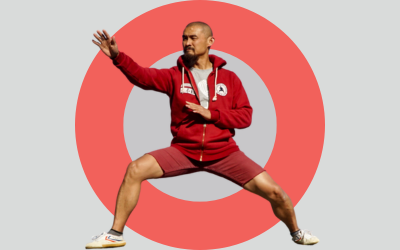
Ging Mo Academy is a martial arts school in West Leederville, Western Australia, that blends Kung Fu and Tai Chi for adults and children. Its stated focus goes beyond fighting technique: the school frames practice around stress relief, mobility, strength, focus and confidence, and welcomes beginners regardless of fitness or age. Classes are offered for adults and for children, with one-on-one instruction available from Si Fu Gawain Siu.
The academy describes itself as a place for people who feel stuck, stressed, or worn down by gym routines and want a slower, more structured way to rebuild energy. Its marketing leans on traditional Chinese arts as a route to both physical and mental change, so expect an emphasis on breath, posture, balance and calm alongside practical self-defence.
Who it may suit
- Adults returning to exercise after a long break, or those who find conventional gyms uninspiring.
- Parents looking for a children's activity that builds discipline and resilience.
- People interested in Kung Fu or Tai Chi as a long-term practice rather than a quick fitness fix.
Trade-offs to weigh
- A blended Kung Fu and Tai Chi curriculum may feel less specialised than a school focused purely on one art or on competition sparring.
- The tone is holistic and transformation-oriented; if you want hard sparring or sport-focused training, ask directly whether that is offered before committing.
- Class times are described as flexible, but you should confirm the current adult and children's timetable for your own schedule.
A practical next step: decide whether you want the softer, health-centred side of Tai Chi, the more active Kung Fu side, or both, then contact the school to ask which class fits that goal and whether you can observe a session first. For comparison, you can also look at other Australian martial arts organisations such as Martial Arts Australia or Kung Fu Wushu Australia to see how their programmes and beginner pathways differ.
How do I choose between Kung Fu and Tai Chi classes at Ging Mo Academy?
Choose based on the outcome you want first, not on which art sounds more impressive. At Ging Mo Academy, the two are taught as complementary practices rather than rivals: Kung Fu leans toward practical technique, fitness and confidence, while Tai Chi leans toward slow, deliberate movement, balance and calm. If you mainly want to feel stronger, more capable and more alert, start with Kung Fu. If you mainly want to unwind, improve mobility and steady your mind, start with Tai Chi.
H3: A quick way to compare them
| Your priority | Better first choice | Why |
|---|---|---|
| Fitness, energy, practical self-defence | Kung Fu | Technique-driven training in a supportive setting |
| Stress relief, calm, gentle mobility | Tai Chi | Slow, breath-led practice suited to winding down |
| Feeling unfit, older or inexperienced | Either, but ask about pace | The academy states classes meet you where you are |
| Fast progress on a personal goal | One-on-one with Si Fu Gawain | Private sessions can target physical or emotional aims |
H3: What the academy itself emphasises
The page frames the work around balance, harmony, strength and transformation, and describes classes that build strength, clarity and mobility while relieving stress. It also names common starting points: daily stress, feeling stuck, poor sleep, mental fog, and the belief that you are too unfit, too old or too inexperienced to begin. Those are useful signals. If your main complaint is tension and restlessness, Tai Chi addresses it directly. If your main complaint is low energy and wanting to feel capable, Kung Fu is the more natural entry.
H3: A practical next step
Try one class of each before committing, then judge by how you feel the next morning rather than during the class. Ask the instructor how beginners are integrated and whether you can move between the two later, since many people eventually train both. For background on the wider martial arts landscape, see Ging Mo Academy.
What should I expect in my first adult martial arts class at Ging Mo Academy?
Expect a calm, technique-first introduction rather than a hard workout or sparring session. Ging Mo Academy describes its adult classes as blending Kung Fu and Tai Chi to build fitness, focus and resilience, with all levels welcome and a pace that "meets you where you are." The page's own framing — stress relief, mobility, clarity, confidence — suggests the first class leans toward posture, breathing and basic technique over competition.
Practical things to plan for:
- Arrive early and introduce yourself. Say it's your first class and mention any injuries or limitations. Beginner nerves are explicitly anticipated on the site ("too unfit, too old, or too inexperienced"), so this is a normal conversation there.
- Wear loose, comfortable clothing you can move and stretch in, and bring water. Ask ahead about footwear, since Kung Fu and Tai Chi training is often done in flat shoes or barefoot.
- Expect a warm-up, then basics. Likely stance work, simple strikes or forms, and slow Tai Chi-style movement. You may pair up for drills; tell the instructor if you'd rather observe first.
- Ask about the class split. The site separates adult and children's classes, so confirm which session you're joining and whether beginners are grouped or mixed in.
- Ask about class length, frequency and what to bring next time at the end, when you know whether the style suits you.
A useful decision criterion: judge the first class by how clearly the instructor corrects your posture and how comfortable you feel asking questions, not by how sore you are the next day. If you want faster progress or have a specific goal, the academy notes one-on-one work with Si Fu Gawain as an option — worth asking about after you've tried a group class.
For context on the style itself, see Ging Mo Academy.
Are Ging Mo Academy's children's martial arts classes suitable for my child's age and experience?
Ging Mo Academy runs separate adult and children’s martial arts classes, and the site describes the children’s program as blending Kung Fu and Tai Chi while welcoming all levels. That means the school is set up to accommodate beginners rather than expecting prior martial arts experience.
What the page does not provide is an explicit age range or a breakdown by age group. So suitability depends on details you will need to confirm directly: your child’s exact age, whether classes are grouped by age or mixed, class length, and how instructors handle a complete beginner versus a child with some training.
A practical way to judge fit:
- Age: Ask which age bands the children’s classes cover and whether your child would be with peers close to their own age.
- Experience: Since all levels are welcome, a beginner should not feel out of place, but ask how new students are introduced and whether they can try a class first.
- Teaching style: The academy emphasizes fitness, focus, and resilience, plus a supportive, no-pressure environment. Visit or observe a class to see whether the pace and discipline style suit your child’s temperament.
- Class structure: Confirm whether children train Kung Fu and Tai Chi together or separately, and how much one-on-one attention new students receive.
If your child is anxious or has never done martial arts, ask about a trial session and watch how the instructor works with the least experienced child in the room. That will tell you more about fit than any general description.
For context on the academy’s location and programs, see Ging Mo Academy.
Can private lessons with Si Fu Gawain help me reach specific fitness or mindfulness goals?
Yes—private lessons are the clearest path at Ging Mo Academy to work toward a personal fitness or mindfulness goal, because the format is described as one-on-one with Si Fu Gawain rather than a fixed group syllabus. On the page, that option is framed around fast-tracking “personal growth goals, whether physical, emotional, or spiritual,” so you can name the outcome you want and have the teaching shaped around it.
What that looks like in practice
- Fitness goal example: If your aim is mobility, strength, or simply feeling less stiff, a private session lets the instructor adjust pace and intensity to your current condition instead of matching a class average.
- Mindfulness goal example: If your aim is calm, focus, or better stress recovery, the traditional Kung Fu and Taiji content gives you breath, posture and slow-movement work to practise deliberately, with correction you would not get in a crowded group class.
- Confidence and technique: Private time is useful if you feel “too unfit, too old, or too inexperienced” for a group—the page explicitly addresses that hesitation, and one-to-one teaching removes the comparison pressure.
Group classes vs private lessons
| Group classes | Private lessons with Si Fu Gawain | |
|---|---|---|
| Pace | Set by the class | Adapted to you |
| Feedback | Shared across students | Direct and continuous |
| Best for | Routine, community, lower cost per session | A specific goal, a short deadline, or a nervous beginner |
| Main trade-off | Less individual correction | Usually fewer people to train alongside |
How to decide
Choose private lessons if you can state your goal in one sentence—for example, “sleep better,” “regain flexibility,” or “learn basic self-defence in three months.” Choose group classes if your main need is regular structure and training partners, then add occasional private sessions to fix specific habits.
Next step
Before booking, ask two questions: how progress will be reviewed, and how many sessions are realistic for your goal. For context on the style and typical class environment, you can also look at Ging Mo Academy and compare with a general martial arts directory such as Martial Arts Industry Association if you want to understand what else is available in Western Australia.
How can I schedule a trial class or visit Ging Mo Academy in West Leederville?
Contact Ging Mo Academy directly to arrange a trial or first visit; the page promotes adult and children's classes and one-on-one work with Si Fu Gawain, but it does not publish a booking form or online timetable. So the practical route is a quick enquiry, then confirm a class that matches your age group and level.
What to ask when you enquire
- Whether they offer a trial class, an introductory session, or a drop-in visit, and what it costs.
- Which class suits you: adult or children's, Kung Fu or Tai Chi, beginner or mixed level.
- Current class times and whether you need to arrive early for paperwork, warm-up, or a briefing.
- What to wear and bring for a first session, and whether equipment is provided.
- Any health or injury information they want to know before you train.
A simple first-visit plan
- Send an enquiry through the contact details on the academy's site, or phone if a number is listed.
- State your goal plainly: fitness, stress relief, mobility, self-defence, or trying martial arts for the first time.
- Ask for the next beginner-friendly session rather than the next available session; the pace matters more than the date.
- Confirm the address and arrival time for the West Leederville location before you travel.
- If you are booking for a child, ask whether a parent stays for the first class and what the age groupings are.
Choosing between options
| If you want… | Ask for… | Why |
|---|---|---|
| A low-pressure start | A trial or introductory class | Lets you judge the teaching style before committing |
| Faster progress on a specific goal | One-on-one time with Si Fu Gawain | The page highlights personal guidance for physical, emotional or spiritual goals |
| A gentler, calmer practice | Tai Chi | Better fit if stress relief and mobility matter more than intensity |
| A structured, practical skill | Kung Fu | Builds technique, strength and focus in a group setting |
| A family arrangement | Children's class plus an adult class | Check whether times align so one trip covers both |
If you are unsure which style fits, ask to observe or try a beginner session in both Kung Fu and Tai Chi before deciding. For broader context on what to expect from a first martial arts class, see Ging Mo Academy.
 Hosting and Email
 GoDaddy
 Hosting
 Cloudflare
 Google Workspace
 Location
 United States
 Pages, Search and Sharing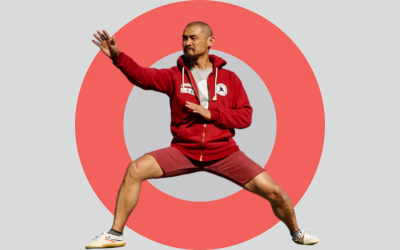


 Registration details

 Identified technologies
User reviews (0)