Website profiles · Technology insights · Alternatives

iplsa.org

Illinois Professional Land Surveyors Association

No paid content found
Visit website
Profile views 0 Outbound visits 0 Normal
Illinois Professional Land Surveyors Association - Home Full homepage screenshot

At a glance

Category
Education & Learning
Language
English
Paid-content signal
No paid content foundObserved
Registered
1999
Hosting
CloudflareInferred
HTTPS certificate trusted
PassedObserved
Last updated

Website review

This review may include AI-generated content and is not individually verified. Domain, certificate and other facts come from the observed data on this page.

What is the Illinois Professional Land Surveyors Association?

The Illinois Professional Land Surveyors Association (IPLSA) is the statewide professional body for land surveyors in Illinois. It serves as a hub for licensing guidance, continuing education, career development and public resources related to land surveying.

What the site offers

  • Public help finding a surveyor: A "Find a Surveyor" directory and a "Get It Surveyed" section help property owners locate a licensed professional for boundary, title or construction work.
  • Licensing support: Pages on the path to licensure, maintaining a license, and regulation and enforcement explain how Illinois surveyors qualify and stay compliant.
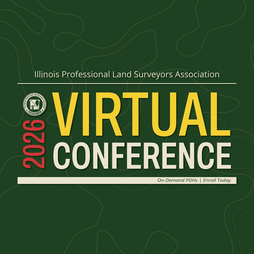
  • Education and events: An event calendar, annual conference and education portal; the site currently lists a 2026 virtual conference (eight courses, 21 Professional Development Hours including sexual harassment prevention, ethics, and statutes and standards) and a 2026 Professional Development Seminar webinar presented by Gary Kent covering statutes and standards, ethics and risk management.
  • Exam preparation: An Illinois Jurisdictional Exam Review Course, available alone or bundled with the Illinois Compiled Statutes.
  • Career pipeline: A career center, student scholarships, a Young Surveyors Network, teacher instructional videos, and student jobs and internships.
  • Member resources: A member portal, chapters, an association benefits program including a Section 125 plan, and legislative and regulatory updates such as Davis-Bacon and prevailing wage guidance.
  • Reference material: Government Land Office (GLO) plats and a statute book.

Who it is for

Property owners who need a surveyor will get the most immediate value from the directory. Licensed surveyors and firms use it for continuing education, licensing updates and legislative news. Students and career-changers can explore the profession through the career and scholarship pages.

A practical next step

If you need a boundary survey in Illinois, start with the "Find a Surveyor" directory and confirm the surveyor's license status through the state's licensing records. For national context, the National Society of Professional Surveyors covers the profession beyond Illinois.

How can I find a licensed land surveyor in Illinois through IPLSA?

Use the Find a Surveyor tool on the Illinois Professional Land Surveyors Association site to locate a licensed surveyor in Illinois. It is listed in the site's main navigation, alongside Get It Surveyed, which explains what a survey involves before you contact someone. Start at Illinois Professional Land Surveyors Association and choose Find a Surveyor.

What to do with the results

  • Search by location first. For a boundary, elevation or mortgage-related survey, a surveyor who regularly works in your county is usually the practical choice, since they may already know local records and terrain.
  • Confirm the license. IPLSA membership is a professional signal, not a license check. Verify the individual or firm through the state licensing lookup before hiring.
  • Match the surveyor to the job. A rural boundary dispute, a subdivision plat and a construction stakeout call for different experience. Ask what similar work they have done locally.
  • Ask about records and deliverables. Clarify whether you will receive a stamped plat, a written description, and field notes, and who handles county recording.

A concrete example

A homeowner planning a fence along a disputed property line should look for a surveyor experienced in boundary retracement in that county, then ask whether they will research the chain of title and any recorded plats before fieldwork. The Get It Surveyed page is a sensible first read to frame those questions.

Useful next step

If you are early in a career decision rather than hiring, IPLSA's Career Center, Why Become a Surveyor? and Student Surveying Jobs and Internships pages cover the path to licensure and entry routes. For the national professional body, see National Society of Professional Surveyors.

What continuing education courses or PDH opportunities does IPLSA offer for maintaining an Illinois surveyor license?

IPLSA lists several routes to continuing-education hours, mostly aimed at Illinois-licensed surveyors who need Professional Development Hours (PDHs) for license renewal. The main options named on its site are:

  • 2026 Virtual Conference — eight courses totaling 21 PDHs, including Sexual Harassment Prevention Training, Ethics, and Statutes & Standards; sold through the site's store.
  • 2026 Professional Development Seminar — an 8-PDH webinar presented by Gary Kent, sponsored by the Little Egyptian and Northeast chapters with IPLSA, covering Statutes and Standards, Professional Ethics, and Risk Management, held November 4–5.
  • Illinois Jurisdictional Exam Review Course — offered standalone or bundled with the Illinois Compiled Statutes, positioned as exam preparation rather than renewal credit.
  • Education Portal and Event Calendar — the association's hubs for other courses and scheduled sessions.

The practical distinction is between renewal credit and exam prep. A surveyor with an active Illinois license who needs a mix of ethics, harassment-prevention and statutes hours would find the virtual conference the broadest single package, while the November seminar suits someone who wants a concentrated two-day ethics and risk-management block. The jurisdictional exam review is for candidates preparing for the Illinois-specific exam, not for accumulating renewal PDHs.

As a next step, check the Education Portal and Event Calendar for current dates and registration, and confirm with IDFPR that a given course's hours count toward your renewal cycle before paying.

How do I become a land surveyor in Illinois, including the path to licensure and jurisdictional exam?

In Illinois, licensure runs through the state's surveying board, and the Illinois Professional Land Surveyors Association (IPLSA) organizes the practical resources candidates use along the way: a "Path to Licensure" section, a Jurisdictional Exam Review Course, and statute books. The general sequence is education, the national fundamentals exam, supervised experience, then the Illinois-specific jurisdictional exam and license application. Confirm current requirements with the Illinois Department of Financial and Professional Regulation, since rules change.

The typical path

  1. Check the education route. Illinois recognizes more than one pathway, generally a surveying degree or a related degree plus specified surveying coursework. The board's rules define which combinations qualify.
  2. Pass the NCEES Fundamentals of Surveying (FS) exam. This is the national exam; passing it makes you a Surveyor-in-Training (SIT) in Illinois.
  3. Accumulate supervised experience. You work under a licensed Professional Land Surveyor for the number of years the state requires for your education route.
  4. Pass the NCEES Principles and Practice of Surveying (PS) exam.
  5. Pass the Illinois jurisdictional exam. This tests Illinois-specific law, the state's surveying standards, and the Illinois Compiled Statutes that govern practice—topics the national exams don't cover.
  6. Apply for the PLS license through the state and pay the required fees.

Preparing for the jurisdictional exam

IPLSA's Jurisdictional Exam Review Course is available as a standalone course or bundled with the Illinois Compiled Statutes, and the site also offers a 2024 statute book. A candidate who has finished the PS exam but hasn't sat the Illinois exam would reasonably start with the course plus the current statutes, then read the statutes directly—exam questions tend to turn on precise statutory language about records, monuments and standards.

For structured continuing education, IPLSA lists a 2026 Virtual Conference of eight courses worth 21 Professional Development Hours, including sexual harassment prevention, ethics, and statutes and standards. Its 2026 Professional Development Seminar, presented by Gary Kent as a webinar on November 4–5, covers 8 PDHs of statutes and standards, professional ethics and risk management. These are association offerings for license maintenance, not licensure requirements themselves.

A practical comparison

Step Who administers it What it tests
FS exam NCEES National fundamentals
Supervised experience State board rules Documented field/office practice
PS exam NCEES National professional practice
Illinois jurisdictional exam State board Illinois law and standards

Next step

Open IPLSA and read its "Path to Licensure" and "Maintaining Your License" pages alongside the board's official rules, then map your own education and experience against the route that fits. If you're still deciding on the career, the association's "Why Become a Surveyor?" and scholarship pages are aimed at future surveyors.

What are the benefits of joining IPLSA as a member, such as the Section 125 plan or legislative resources?

Joining the Illinois Professional Land Surveyors Association (IPLSA) mainly buys you three things: a route to continuing education and licensure support, a voice on legislative and regulatory issues, and practical member services such as the Section 125 benefit plan. The Illinois Professional Land Surveyors Association presents these as member resources rather than public tools, so the value depends on how much you use them.

Where membership pays off

  • Licensure and professional development. The site lists an education portal, a path-to-licensure section, and guidance on maintaining your license. Events include an annual conference and a 2026 virtual conference described as eight courses worth 21 Professional Development Hours, covering sexual harassment prevention training, ethics, and statutes and standards. There is also a 2026 professional development webinar by Gary Kent offering 8 PDHs in statutes and standards, professional ethics and risk management, and a standalone Illinois jurisdictional exam review course. For a surveyor who needs PDHs and exam prep in one place, this consolidates the search.
  • Legislative and regulatory resources. A dedicated section covers Davis-Bacon and prevailing-wage matters, "State House Rock," and regulation and enforcement. This is most useful for firm owners and solo practitioners who need to track rules affecting contracts and pay, and who would rather read a summary than monitor the statehouse themselves.
  • The Section 125 plan. Listed under member resources, a Section 125 plan lets employees pay certain insurance premiums and out-of-pocket medical costs with pre-tax dollars. For a small surveying firm, offering this through the association can be a low-effort benefits add-on; individual members with no employees gain little from it.
  • Career and community support. A career center, student scholarships, a young surveyors network, internships and job listings, and chapter involvement give newer surveyors mentoring and work leads. The "Find a Surveyor" directory and "Get It Surveyed" pages help the public reach members, which is a modest marketing benefit.
  • Store and statute materials. The online store sells items such as the 2024 statute book, and the exam review course can be bundled with the Illinois Compiled Statutes. These are purchases separate from membership, so check whether member pricing applies before buying.

Trade-offs to weigh

Membership is Illinois-specific: if you work across state lines, compare it with a national body such as NSPS for broader coverage, and keep your state license requirements in view. Much of the education is delivered virtually or through chapters, so members far from chapter meetings rely on the online portal. The legislative and Section 125 benefits matter most to firms and license-holders; students and early-career surveyors should weigh the scholarship, internship and young-surveyors offerings instead.

A practical next step

List what you actually need this year — PDH hours, exam review, prevailing-wage guidance, or an employee benefit — then compare that list against the member resources and event calendar. If two or more items line up, membership is likely to pay for itself; if you only need one course, buying it from the store may be the cheaper route.

How can students or career changers explore land surveying as a profession through IPLSA scholarships and internships?

Students and career changers can use IPLSA's site as a starting point for both money and hands-on experience: it lists Future Surveyors Scholarships, a Career Center, and Student Surveying Jobs and Internships, alongside "Why Become a Surveyor?" and instructional videos for teachers. The practical path is to read the scholarship and internship listings, then use the career resources to confirm the work matches your expectations before committing to a degree.

A realistic sequence

  1. Test interest first. Watch the career videos and read the "About Surveying" and "Path to Licensure" pages so you understand the fieldwork-plus-math mix and Illinois licensing steps.
  2. Apply for scholarship support. Scholarship pages typically state eligibility, deadlines and required documents; gather transcripts and a short statement early, since deadlines rarely bend for late applicants.
  3. Chase internships through the job listings. Employers often use internships as a trial run for entry-level hires, so treat a summer position as an extended interview.
  4. Join the student pathway. IPLSA's Young Surveyors Network and student portal connections help you hear about openings and exam prep before they circulate widely.

What to weigh

Route Best for Trade-off
Scholarship Tuition or exam costs Competitive; paperwork and deadlines
Internship Confirming you enjoy field and office work Often seasonal and weather-dependent
Exam review course Career changers nearing licensure Assumes baseline knowledge; costs money

A career changer with a construction or engineering background might pair an internship with the Illinois Jurisdictional Exam Review Course, while a high school student should start with the scholarship and teacher-facing videos. For national context on the profession, NSPS covers the broader career picture.

Next step: open the IPLSA scholarship page this week and note every deadline in a calendar, then check the internship listings monthly—postings cluster in late winter and spring.

Related questions

More questions →
What Do Land Surveyors Do and How Do I Find One?

Land surveyors measure and map property boundaries, elevations, and improvements so you know exactly where a property line, building, or easement sits. You need one when buying or selling land, building near a line, dividing a parcel, or resolving a boundary dispute. In Illinois, the Illinois Professional Land Surveyors Association (IPLSA) provides a Find a Surveyor tool and a Get It Surveyed resource to help you locate licensed professionals and understand when a survey is warranted.

What a Land Surveyor Does

A land surveyor establishes and re-establishes property boundaries, prepares plats and legal descriptions, and documents physical features on the land. The work typically includes:

  • Boundary surveys — locating corners and lines based on deeds, plats, and recorded documents
  • Topographic surveys — mapping elevation and terrain for design and drainage
  • ALTA/NSPS surveys — detailed surveys often required for commercial real estate transactions
  • Subdivision plats — dividing land into lots and dedicating rights-of-way
  • Elevation and construction layout — setting grades and staking improvements

Surveyors also research the public record, including General Land Office (GLO) plats, which IPLSA makes available as a reference resource.

When You Need a Property Survey

A survey is commonly needed when:

  • You are buying or selling property and the deed description is unclear or the parcel has not been surveyed recently
  • You plan to build, add a fence, or place a structure near a boundary
  • You want to divide or combine parcels
  • A neighbor dispute arises over an encroachment or easement
  • A lender or title company requires one for a transaction

If you are unsure whether your situation requires a full boundary survey, IPLSA's Get It Surveyed page is designed to explain the process and help you decide.

How to Find a Licensed Land Surveyor

  1. Use IPLSA's Find a Surveyor tool — the association maintains a directory to connect property owners with surveyors.
  2. Confirm licensure — Illinois surveyors are licensed through the state; IPLSA's Licensure section covers the path to licensure and regulation and enforcement, which explains how the profession is governed.
  3. Ask about scope and deliverables — confirm whether you will receive a plat, a written report, or both, and whether monumentation is included.
  4. Check for relevant experience — for boundary or ALTA work, ask whether the surveyor regularly handles that type of survey in your county.

What to Prepare Before Contacting a Surveyor

Having the right documents ready speeds up the process and often reduces cost:

  • Deed and legal description for the property
  • Plat of survey from a prior survey, if one exists
  • Title commitment or property record card, if available
  • A clear statement of purpose — purchase, construction, subdivision, or dispute
  • Any known concerns — fences that may not match the deed line, easements, or neighbor issues

Typical Steps in a Boundary Survey

  1. Research — the surveyor reviews deeds, plats, and recorded documents affecting the parcel.
  2. Field work — the surveyor locates existing monuments and measures the property, setting or re-setting corners as needed.
  3. Analysis — field measurements are compared against the record documents to resolve discrepancies.
  4. Deliverables — you receive a plat of survey and, where required, a written description or report.

Expect the surveyor to explain any discrepancies between the deed and physical conditions, since those findings often matter most in a transaction or dispute.

Verifying Licensure and Reading the Survey Report

Before hiring, confirm the surveyor's license is active through the state licensing authority; IPLSA's Licensure pages describe the regulatory structure and enforcement process. When you receive the survey:

  • Check that the plat matches your deed description and shows all improvements, easements, and setbacks
  • Confirm monuments are shown and described (what was found versus set)
  • Review the surveyor's certification, date, and seal
  • Ask the surveyor to walk you through any encroachments or discrepancies noted

Building a Career or Staying Current

IPLSA also supports the profession itself. The Career Center, Young Surveyors Network, and Future Surveyors scholarships and instructional videos serve students and teachers exploring surveying. For licensed professionals, the association offers continuing education, including a 2026 Virtual Conference with eight courses totaling 21 Professional Development Hours (covering sexual harassment prevention, ethics, and statutes and standards), a 2026 Professional Development Seminar webinar with Gary Kent offering 8 PDHs on statutes and standards, professional ethics, and risk management on November 4–5, and an Illinois Jurisdictional Exam Review Course available standalone or bundled with the Illinois Compiled Statutes for exam preparation. A 2024 Statute Book is also available. These resources are listed on the IPLSA site with purchase and registration links; check the site for current availability and pricing.

What Is Land Surveying and How Do I Find a Land Surveyor?

Land surveying is the professional practice of measuring and mapping land boundaries, elevations, and features to establish legal property lines and support design and construction. You need a licensed land surveyor when buying or dividing property, building near setbacks, resolving boundary disputes, or preparing a site plan. To find one, use a professional association directory such as the Illinois Professional Land Surveyors Association's "Find a Surveyor" tool, then verify the license with your state's licensing board before hiring.

What Land Surveying Is

A land surveyor measures the physical world and translates it into legally defensible records. The work combines field measurement (using instruments such as total stations and GPS) with research into deeds, plats, and prior surveys, and produces a signed, sealed document—often a plat or boundary survey—that describes where lines and features actually lie.

The Illinois Professional Land Surveyors Association (IPLSA) describes surveying as a career and profession with its own licensure path, regulation, and enforcement, and it maintains resources on "About Surveying," "Path to Licensure," and "Maintaining Your License." That structure matters to you as a consumer: a surveyor's authority to certify boundaries comes from a state license, not just from experience.

Main Types of Surveys and When You Need One

Survey type What it establishes Typical trigger
Boundary survey Location of property lines, corners, and encroachments Buying/selling land, fences, disputes, additions
Topographic survey Elevations, contours, natural and built features Site design, drainage, grading, permits
Construction survey Layout and staking of improvements New builds, roads, utilities
ALTA/NSPS survey Detailed title-related boundary and easement map Commercial real estate transactions, title insurance

Use this as a starting point, not a menu: the scope you actually need depends on your project and on what your lender, title company, or local permitting authority requires. Ask the surveyor to state in writing which type they will perform and what it will and will not show.

What a Land Surveyor Does

In practice, a surveyor will:

  • Research public records—deeds, plats, and prior surveys—to understand the legal description of the property.
  • Measure in the field to locate corners, lines, and physical features.
  • Analyze evidence and reconcile it with the record description.
  • Prepare and certify a plat or report, and often file or record it as required.
  • Advise on encroachments, easements, and setback questions within the scope of the survey.

IPLSA's site also points to GLO (General Land Office) plats, which are historical federal survey records used in boundary research—an example of the record work that precedes field measurement.

How to Find and Verify a Licensed Surveyor

  1. Start with a directory. IPLSA offers a "Find a Surveyor" search and a "Get It Surveyed" resource for the public. Similar directories exist through other state associations and the National Society of Professional Engineers' affiliated surveying bodies.
  2. Confirm the license. Licensing is handled at the state level. IPLSA's "Licensure" and "Regulation & Enforcement" sections describe Illinois' path to licensure and how the state regulates the profession; check your own state board's license lookup for the individual's name and status.
  3. Ask about scope and credentials. Request the surveyor's license number, the type of survey they propose, and whether they carry professional liability insurance.
  4. Get a written proposal. It should list the survey type, deliverables, timeline, and any exclusions (for example, whether utility locating or wetland delineation is included).

What to Prepare Before You Call

Gather these items to get an accurate quote and avoid delays:

  • The property's legal description, deed, and any prior survey or plat you have.
  • The address, parcel number, and approximate acreage.
  • A sketch or photos of known corners, fences, and structures near the lines.
  • The purpose of the survey (sale, permit, dispute, construction) and any deadline.
  • Any requirements from your lender, title company, or local building department.

Expect the surveyor to need access to the property and possibly neighbors' land to locate corners; discuss access and any locked gates up front.

Common Pitfalls and How to Check Credentials

  • Hiring on price alone. A cheap "mortgage inspection" or spot survey is not a boundary survey and may not protect you in a dispute. Confirm the deliverable in writing.
  • Skipping license verification. A license lookup takes minutes and is the single best check. IPLSA's licensure and enforcement pages show that the state, not the association, holds disciplinary authority.
  • Assuming a survey settles ownership. A survey locates lines based on record and evidence; it does not by itself resolve title or legal ownership questions. For those, involve a title company or attorney.
  • Ignoring continuing education. IPLSA promotes professional development hours (PDH) and courses such as its virtual conference and jurisdictional exam review—signs of a profession that expects ongoing training. Ask whether your surveyor stays current.

For a property purchase or a boundary question, the practical sequence is: identify the survey type you need, find a licensed surveyor through a directory like IPLSA's, verify the license with the state board, and get a written scope before work begins.

What Is Surveying and What Does a Surveyor Do?

Surveying is the measurement and mapping of land and features on the earth's surface, and a professional surveyor is the licensed person who performs those measurements and certifies the results. You need a surveyor when you want to know where a property boundary legally sits, how land should be divided, or how a construction project should be laid out. In Missouri, the profession is represented by the Missouri Society of Professional Surveyors (MSPS), which describes itself as representing the interests of surveying and improving public and professional recognition of the field.

What Surveying Actually Involves

Surveying combines fieldwork and analysis. A surveyor measures angles, distances, elevations, and positions, then turns those measurements into maps, plats, descriptions, and reports that other people can rely on.

The work typically includes:

  • Measuring — using instruments to record distances, angles, and elevations on the ground.
  • Researching records — reviewing deeds, plats, and recorded land records to understand what has already been established.
  • Interpreting boundaries — determining where a boundary line legally lies, not just where a fence or marker happens to be.
  • Documenting results — producing plats, legal descriptions, and reports that can be recorded or used for permits and construction.

The distinction that matters most: a surveyor doesn't just measure where things are. A licensed surveyor applies law and record evidence to say where a boundary legally is.

Common Types of Surveys and When You Need One

Different tasks call for different surveys. The list below covers the situations most people encounter.

Type of survey What it answers Typical trigger
Boundary survey Where are the legal property lines? Buying land, building a fence, resolving a neighbor dispute
ALTA/NSPS survey What encumbrances, easements, and improvements exist? Commercial real estate transactions, title insurance
Topographic survey What does the terrain look like? Site design, drainage, engineering
Subdivision/plat survey How is a larger tract divided into lots? Development, splitting property
Construction survey Where should structures and utilities go? Building roads, foundations, utilities
Elevation/certificate survey Is the property in a flood zone? Flood insurance, permitting

If your question is "where is my line," you want a boundary survey. If your question is "can I build here and how," you likely need topographic or construction layout work on top of boundary information.

How Surveying Is Regulated and Licensed

Surveying is a regulated profession. Licensing exists so that boundary determinations and certified documents carry legal weight and accountability.

Using Missouri as an example, the pattern looks like this:

  • State licensure — surveyors must be licensed by the state to practice and to certify surveys.
  • Professional standards — licensed surveyors are held to standards of practice and ethics.
  • Record keeping — surveys and plats are recorded so that boundary information stays available to the public and to future surveyors.
  • Professional representation — organizations such as MSPS advocate for the profession and its standards.

Because requirements vary by state, always confirm the current licensing rules with the state board or a professional organization rather than assuming another state's rules apply.

Where to Find Surveyor Jobs and Land Records in Missouri

Two practical needs come up often: finding work in the field, and finding the records that surveying depends on.

For jobs, MSPS lists "surveyor jobs in Missouri" and "surveyor jobs" among its site keywords, and it also references a Survey Technician Council, which points to career paths that start below the licensed level. Job seekers can use the organization as a starting point for industry and career information.

For land records, MSPS lists "land records" among its topics. Land records are the deeds, plats, and recorded documents that surveyors research when establishing boundaries. If you're trying to understand your own property, the county recorder's office is the usual place to start, and a licensed surveyor is the person who can interpret what those records mean for your specific boundary.

Why Professional Organizations Like MSPS Matter

The Missouri Society of Professional Surveyors exists to represent the surveying profession in Missouri and to improve how the public and related professions recognize it. For someone outside the field, that translates into a few useful things:

  • A central source for industry information and legislation affecting surveying.
  • A connection point for jobs and career development, including technician-level roles.
  • A voice for professional standards in a field where accuracy has legal consequences.

If you're a landowner, you probably don't need to join anything — you need a licensed surveyor. If you're considering the profession, or you're a surveyor looking for work and industry news in Missouri, MSPS is a reasonable place to look.

Quick Answers

What is surveying? Measuring and mapping land and features, then interpreting that data against legal records.

What does a surveyor do? Measures, researches records, determines legal boundaries, and produces certified maps and descriptions.

When do I need one? Buying or dividing land, building near a boundary, resolving a dispute, or preparing a site for construction.

How is it regulated? Through state licensure and professional standards; Missouri is one example, and MSPS represents the profession there.

Where do I find jobs or records? Jobs and industry information through MSPS; land records through county records and the surveyors who interpret them.

Website Overview

An established domain and managed infrastructure suggest continuity of operations and may support dependable delivery, although neither guarantees service quality. Several search or sharing settings need attention. Together they may make snippets, preview images or preferred URLs less consistent across platforms.

Domain and Registration

Registered in 1999, this domain has about 27 years of history. That suggests continuity, although ownership and purpose may have changed. Transfer-protection status is present, helping reduce the risk of unauthorized domain transfers. The registrar is GoDaddy.com, LLC, a widely used domain service provider. The domain uses the common .org extension, which is not an independent safety signal.

DNS and Email

Nameservers are provided by GoDaddy, indicating managed DNS hosting. MX records point to the Microsoft 365 email service. No CNAME was found; the observed records resolve directly to addresses. SPF and DMARC are configured. DKIM status is unknown. TXT records include verification markers for Google, Microsoft. Such markers may also remain after a service stops being used.

TLS and Certificates

The public key uses EC with 256 bits. The server supplied a complete certificate chain. No organization name is present in the certificate; the available fields are consistent with domain validation. The certificate was issued within the Google Trust Services cloud or CDN ecosystem. The certificate's total validity is about 90 days, consistent with a short renewal cycle.

HTTP and Browser Security

The checked browser-security headers were not detected, leaving fewer explicit browser-side safeguards. No X-Powered-By header was found, reducing one common source of backend fingerprinting information. The cf-ray response header indicates a CDN or caching proxy in the delivery path. No obvious internal addresses or debug information were found in the headers. The Server header identifies cloudflare without an exact version.

Technology Stack Analysis

The public page identifies Google Tag Manager, Google Analytics, Cloudflare without precise versions, leaving fewer clues for version-specific scanning.

Search and Social Sharing

No homepage canonical URL was detected. If duplicate URLs exist, consolidation may be less explicit. Open Graph is partially configured; og:type is missing. The title has 55 characters, within a common display range. A meta description is present, with 48 characters. The observed directives allow indexing and link following.

Hosting and Email

DNSGoDaddy
HostingCloudflare
EmailMicrosoft 365
Approximate IP geolocation (inferred; a CDN or proxy may differ from the origin server) United States flagUnited States Inferred 199.34.229.100

Registration details

RDAP / WHOIS

RegistrarGoDaddy.com, LLC
Registered1999-03-16
Expires2028-03-16
Domain statusclient delete prohibited、client renew prohibited、client transfer prohibited、client update prohibited
Nameserversns27.domaincontrol.com、ns28.domaincontrol.com
DNSSECunsigned

DNS records

DNS

TypeNameValueTTLPriority
Awww.iplsa.org199.34.229.1003600—
MXiplsa.orgd36140a.ess.barracudanetworks.com360010
MXiplsa.orgd36140b.ess.barracudanetworks.com360010
MXiplsa.orgiplsa-org.mail.protection.outlook.com360020
NSiplsa.orgns27.domaincontrol.com3600—
NSiplsa.orgns28.domaincontrol.com3600—
TXTiplsa.orgMS=ms129173203600—
TXTiplsa.orggoogle-site-verification=WyCW_0KcwVrW4mgF9X3HnXlhgeuc0Dg_pr77aCck6uQ3600—
TXTiplsa.orgv=spf1 mx a include:spf.protection.outlook.com include:servers.mcsv.net include:spf.ess.barracudanetworks.com include:relay1weblinkinternational.com ~all3600—
DMARC_dmarc.iplsa.orgv=DMARC1; p=quarantine3600—

TLS and certificates

TLS / SSL

AssessmentNormal configuration
Supported protocolsTLSv1.2、TLSv1.3
Negotiated protocolTLSv1.3
Certificate subjectwww.iplsa.org
IssuerGoogle Trust Services
Valid until2026-12-10T00:16 · Remaining when checked: 52 days
Verification detailsCertificate trust: Passed · Hostname match: Passed

HTTP response headers

HTTP

HeaderValue
content-typetext/html; charset=UTF-8
cache-controlmax-age=30, private, no-store
servercloudflare

Identified technologies

Google Tag ManagerGoogle AnalyticsCloudflare

Pages, Search and Sharing

Meta descriptionIllinois Professional Land Surveyors Association
Canonical URLNot detected
LanguageEnglish (default)
Twitter CardNot detected
nerdybot 0 allowed · 1 disallowed
  • Disallow/
dotbot 0 allowed · 0 disallowed
  • IntervalCrawl delay 10 seconds
All bots 0 allowed · 33 disallowed
  • Disallow/ajax/
  • Disallow/apps/
  • Disallow/about-iplsa1.html
  • Disallow/handouts.html
  • Disallow/https://iplsa.weblinkconnect.com/template-update?cleartemplatecache=true
  • Disallow/https://iplsa.weblinkconnect.com/atlas/portal/web-content/198
  • Disallow/404.html
  • Disallow/https://iplsa.weblinkconnect.com/atlas/portal/web-content/214
  • Disallow/benefits.html
  • Disallow/annual-conference.html
  • Disallow/about.html
  • Disallow/https://iplsa.weblinkconnect.com/hc/en-us/articles/360032450892-MC-Job-Board-Setup-Instructions
  • Disallow/legislative--regulatory.html
  • Disallow/https://iplsa.weblinkconnect.com/search
  • Disallow/virtual-conference.html
  • Disallow/events-education--licensure.html
  • Disallow/https://getitsurveyed.org
  • Disallow/old-join-iplsa.html
  • Disallow/https://beasurveyor.com
  • Disallow/http://www.idaillinois.org/digital/collection/IllinoisPlats/search/page/1
  • Disallow/compiled-statutes---1-page.html
  • Disallow/member-resources.html
  • Disallow/licensure.html
  • Disallow/future-surveyors.html
  • Disallow/sponsorship--exhibiting.html
  • Disallow/upcoming-events-module.html
  • Disallow/do-not-edit---memberclicks-template.html
  • Disallow/extra-content.html
  • Disallow/salarysurveygiveaway.html
  • Disallow/do-not-use-old-unused-pages---archive.html
  • Disallow/exam-review-seminars.html
  • Disallow/additional-training.html
  • Disallow/votervoice.html

User reviews (0)

  • No reviews yet.