
 简体中文
简体中文 English
Website review
This review may include AI-generated content and is not individually verified. Domain, certificate and other facts come from the observed data on this page.
What is Masson Mills?
Masson Mills is a historic former cotton spinning mill in Matlock Bath, Derbyshire, built by Sir Richard Arkwright in 1783 and powered by the River Derwent. It operated commercially until 1991 and is now a mixed-use heritage site: a textile museum, visitor centre, offices, and meeting and event spaces. It sits at the northern gateway to the Derwent Valley Mills World Heritage Site.
What you can actually do there
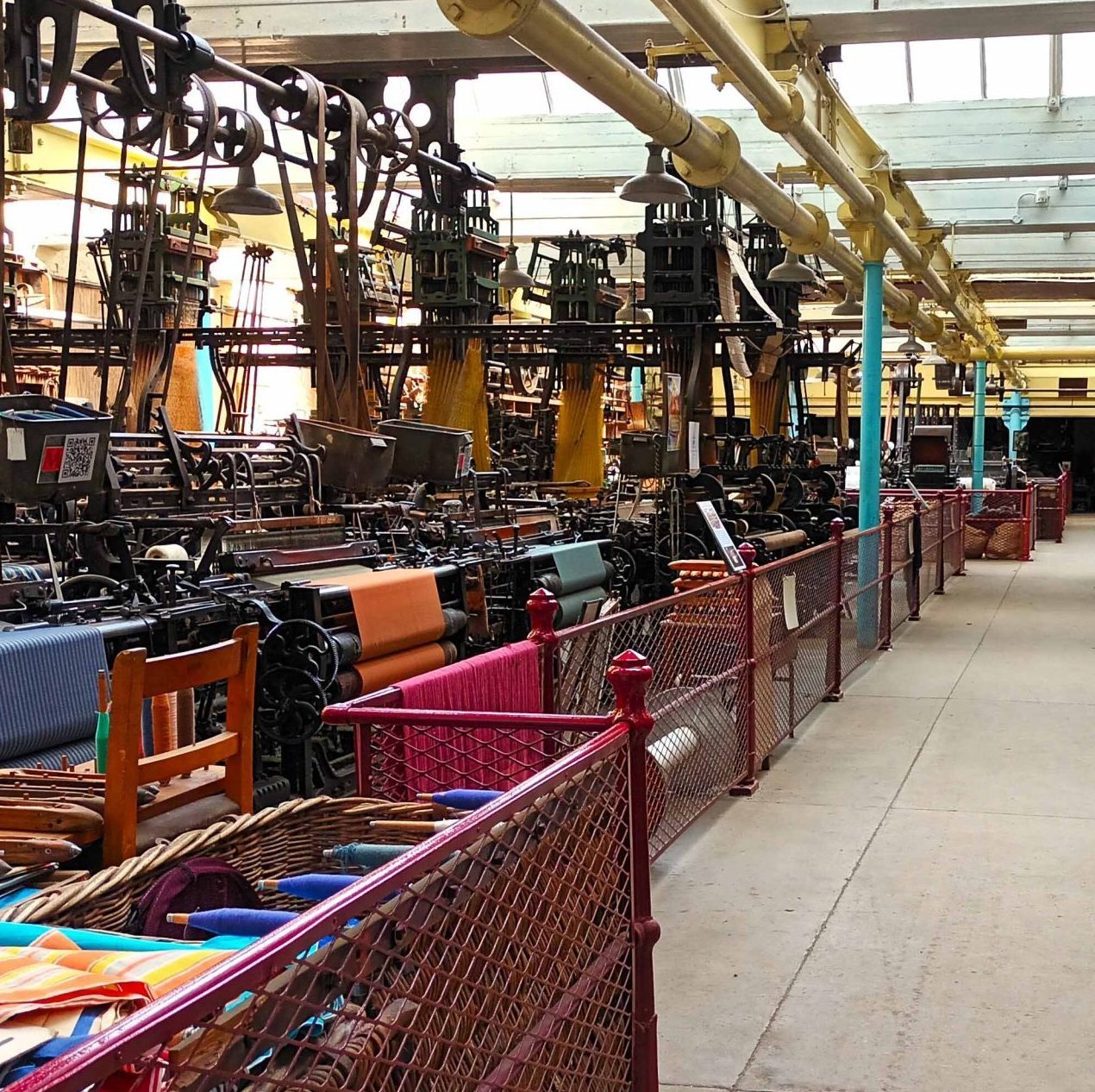
- Textile Museum – See the machinery that turned raw cotton into spun yarn and woven fabric, tracing the industrial process that reshaped cotton production.
- Visitor Centre – Barista coffee, locally sourced cakes, and a textile-themed gift shop selling string and woven fabric made in the museum.
- Meetings and events – Rooms and event space in a historic setting, positioned as an environmentally conscious destination for meetings, socialising and exhibitions.
- Workshops – Felting and handspinning sessions appear in the site's navigation, alongside events such as the Derbyshire Makes Festival.
- Educational and school visits – Structured visits for groups.
- Hydropower – The site is still powered by the River Derwent via on-site hydroelectric turbines, which the mill presents as net-zero electricity.
Whose observation is this? The details above come from the mill's own website, so they describe how the site presents itself rather than an independent visitor's experience. Practical takeaway: treat the museum and visitor centre as the core visit, and check ahead if you are travelling specifically for workshops or events.
A note on timing
The site states that the Visitor Centre and Textile Museum close for winter on Monday 2 November and reopen in March 2027. Private guided tours still run by appointment during that closure. If you are planning around a specific date, confirm current opening times and tour availability before setting out, especially outside the main season.
Who it suits
- Families and general visitors wanting a heritage day out with food and a shop attached.
- Textile, engineering or industrial-history enthusiasts interested in working cotton machinery.
- Schools and groups needing an educational visit with a clear industrial-revolution focus.
- Organisations looking for an unusual meeting or event venue with a sustainability angle.
Next step: decide whether you want the museum visit, a private guided tour, or a room hire enquiry, then check the relevant page for opening times and booking. For context on the wider heritage landscape, see Derwent Valley Mills.
Is the Masson Mills Textile Museum open right now, and when does it reopen after the winter closure?
No — the Masson Mills Textile Museum is not open right now. According to the site, the Visitor Centre and Textile Museum close for the winter on Monday 2 November and reopen in March 2027. Private guided tours continue during the closure by appointment.
What this means in practice
- If you are planning a museum visit, aim for the reopening in March 2027 rather than turning up during the winter.
- If you want to see the machinery and the site before then, book a private guided tour instead of a standard admission.
- The wider site is not dormant: it also houses offices, meeting and event spaces, and the visitor centre with barista coffee, cakes and a textile-themed gift shop — though the same winter closure notice applies to the Visitor Centre.
A useful next step
Check the museum opening times page or contact the site directly before travelling, since reopening dates and tour availability can shift:
- Phone: 01629 581001
- Email: [email protected]
- Address: Matlock Bath DE4 3PY
For context, Masson Mills is Sir Richard Arkwright's 1783 water-powered cotton spinning mill on the River Derwent, and the site says it is powered by hydro-electric turbines using the river today. If your interest is the industrial machinery rather than the building, the private guided tour is the option that survives the winter shutdown.
Can I book a private guided tour of Masson Mills during the winter closure, and how do I arrange one?
Yes. Masson Mills closes its Visitor Centre and Textile Museum for winter, but Private Guided Tours still run during that period by appointment. The page states the winter closure begins Monday 2 November and reopening is scheduled for March 2027.
How to arrange one
- Call 01629 581001 or email [email protected] to request a date.
- Book ahead rather than turning up: tours are appointment-only while the museum is shut, so availability depends on staff being on site.
- Say how many people are in your group and whether you want a general mill history tour or a focus on the textile machinery, so the guide can pitch it correctly.
- Ask about access needs and parking at the time of booking, since the café, shop and visitor facilities will not be operating normally.
Who this suits
Private tours during closure are a good fit for organised groups, school or university parties, family groups with a specific interest in Arkwright and the Derwent Valley Mills World Heritage Site, and anyone who cannot visit in the standard season. The trade-off is that you get the machinery and the building's history without the full visitor-centre experience — no barista coffee, no gift shop, and possibly limited access to some areas.
For context on the wider site, see Derwent Valley Mills and Masson Mills itself for contact details and any updates to the closure dates.
What can I see and do at the Masson Mills Visitor Centre, including the café and gift shop?
Masson Mills is a former working cotton mill in Matlock Bath, now split between a textile museum, a visitor centre with café and gift shop, and spaces used for meetings and events. A visit combines industrial history with a straightforward stop for coffee and shopping, all in one riverside site.
The Textile Museum
The museum focuses on the machinery that turned raw cotton into spun yarn and woven fabric. This is the core reason to come if you are interested in how the Industrial Revolution changed textile production. Expect working or displayed machinery rather than a purely object-and-label gallery, so allow enough time to read and watch rather than just walk through.
The Visitor Centre, Café and Gift Shop
The visitor centre is the social and practical hub. Its café serves barista coffee and locally sourced cakes, making it a reasonable stop whether or not you tour the museum. The gift shop is textile-themed and sells string and woven fabric produced in the museum itself, which gives it a more specific identity than a generic heritage shop. If you want a memento tied to the site's craft rather than a standard souvenir, that is the thing to look for.
Other Things to Do
- Workshops — felting and handspinning sessions are listed, so check dates if you want a hands-on activity rather than a self-guided look.
- Educational and school visits — the site caters to organised groups.
- Events — including the Derbyshire Makes Festival.
- Meetings and room hire — the historic buildings double as meeting and event space.
- Hydropower — the site is powered by hydro-electric turbines using the River Derwent, the same water power that originally drove the mill. It is worth noticing as part of the story, not just an environmental footnote.
Seasonal Timing and Practical Planning
The key trade-off is availability. The visitor centre and textile museum close for winter and reopen in March, though private guided tours run by appointment during the closure. If your trip falls in that window, a guided tour is your route in; otherwise plan around the main season.
Before travelling, confirm current opening times and tour availability directly, since seasonal closures and appointment-only arrangements change what is actually open on the day. Contact details are on the site: Masson Mills.
Can I hire a room at Masson Mills for a meeting, event or workshop, and what spaces are available?
Yes. Masson Mills offers meetings and room hire alongside its museum and visitor centre, and the site describes itself as a historic, environmentally conscious destination to meet, socialise and exhibit. Private guided tours also run by appointment during the winter closure, so the buildings remain in use outside the main visitor season.
What you can book
- Meeting and event spaces – the site lists “Meetings & Room Hire” and “meetings & events”, aimed at business meetings, social gatherings and exhibitions.
- Workshops – the programme includes felting and handspinning workshops, which shows the venue already hosts hands-on group sessions.
- Private guided tours – available by appointment when the Visitor Centre and Textile Museum are closed for winter.
- Educational and school visits – a separate strand of the offer, useful if your group is a school or college rather than a company.
Practical points to weigh
The setting is an 18th-century water-powered cotton mill, so expect character rather than a purpose-built conference centre: rooms in historic buildings can vary in shape, ceiling height and daylight, and access or layout may differ from a modern hotel suite. On the plus side, the site is powered by hydro-electric turbines on the River Derwent, which is a genuine talking point for sustainability-focused organisations.
The main trade-off is seasonality. The Visitor Centre and Textile Museum close for winter from early November and reopen in March 2027, so if your event depends on museum access or the café, plan around those dates. Room hire itself is listed separately, so meeting space may still be available when the museum is shut — worth confirming rather than assuming.
Next step
Contact the venue directly with your date, group size and whether you need catering, museum access or AV equipment. The published contact details are 01629 581001 and [email protected], and the address is Matlock Bath DE4 3PY. If you want to see the mill first, book a private guided tour and inspect the rooms while you are there. For context on the wider heritage site, see Derwent Valley Mills.
How is Masson Mills powered by hydropower from the River Derwent, and what does that mean for visitors?
Masson Mills is powered by hydro-electric turbines that use the flow of the River Derwent, the same water source Sir Richard Arkwright harnessed in 1783 to drive his cotton-spinning machinery. The site describes its electricity as "Net Zero" and renewable, generated on site.
For visitors, this is mostly a story you encounter rather than a service you use. The lights, café equipment and museum displays run on the river, and the hydropower is presented as part of the industrial heritage narrative — the reason the mill was sited at Matlock Bath in the first place.
H3 Practical implications
- No impact on opening arrangements. The winter closure and reopening are operational decisions; hydropower doesn't change ticket access or timings. Check current opening times and book ahead via Masson Mills.
- Best experienced alongside the museum. The machinery and the water-power story make more sense together; the hydropower page and the textile museum are complementary stops.
- A talking point for group visits. If you are booking a meeting, event or private guided tour, the renewable-energy angle is a genuine differentiator for an environmentally conscious organisation.
H3 Who gets the most from it
| Visitor type | Why it matters |
|---|---|
| Heritage and industrial-history enthusiasts | Direct continuity from 1783 water power to modern turbines |
| School and educational groups | A concrete example of energy, engineering and sustainability |
| Event and meeting organisers | A distinctive, environmentally framed venue story |
| General day-trippers | A café, gift shop and riverside setting with added context |
H3 A useful next step
If hydropower is your main interest, treat it as the thread running through a visit rather than a standalone attraction: pair the hydropower information with the textile museum and a look at the river itself. Private guided tours run by appointment during the winter closure, which can suit anyone wanting the energy story explained in context.
 DigitalOcean
 Google Workspace
 Slough, United Kingdom
User reviews (0)