Website profiles · Technology insights · Alternatives

mining.jamison.museum

[…]

No paid content found
Visit website
Profile views 2 Outbound visits 0 Normal
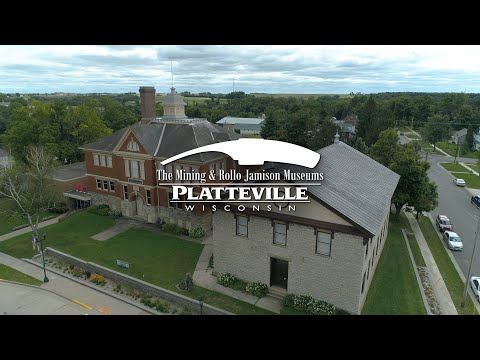
Home - The Mining & Rollo Jamison Museums Full homepage screenshot

At a glance

Category
Other
Language
English
Paid-content signal
No paid content foundObserved
Registered
2001
Hosting
Google LLCInferred
HTTPS certificate trusted
PassedObserved
Last updated

Website review

This review may include AI-generated content and is not individually verified. Domain, certificate and other facts come from the observed data on this page.

What is The Mining & Rollo Jamison Museums?

The Mining & Rollo Jamison Museums is a three-acre heritage campus in southwestern Wisconsin's historic lead-zinc mining region, near the world's largest "M." It combines an underground mine tour, a short mine-train ride, and exhibit galleries on the natural and cultural history of the Upper Mississippi Valley.

What a visit involves

  • Bevans Lead-Zinc Mine tour: A one-hour guided walk down a 90-step incline into the 1845 mine, covering more than a century of local lead and zinc mining. A headframe display shows how ore was hoisted and hand-sorted.
  • Mine train: A ride in ore cars pulled by a 1931 Whitcomb locomotive, running through the campus when weather permits.
  • Exhibits: Regional mining artifacts and dioramas, plus cultural-history displays drawn from folk historian Rollo Jamison's collection—rural life objects rather than fine art.
  • Grounds: Pollinator garden, picnic areas, and green space, with a museum store selling rock and mineral specimens and regional-history gifts.

Practical points

The museum is closed November 1 through April 30, with tours running May through October; special winter programming is listed separately. The mine tour involves stairs and a temperature and humidity change underground, so it suits visitors comfortable with enclosed, uneven spaces. The train is weather-dependent, so treat it as a bonus rather than the reason for the trip.

Who it suits

Families with children old enough for a guided underground walk, geology and industrial-history enthusiasts, and travelers interested in the region's immigrant mining heritage. Anyone wanting a quick indoor museum stop should note that the mine tour is the centerpiece and takes about an hour.

Next step: Check the tour schedule and winter programming on The Mining & Rollo Jamison Museums before planning a May–October visit, and confirm train operation on the day.

When is the museum open, and what happens during the winter closure?

The museum is open seasonally: tour season runs May through October, and the site is closed from November 1 through April 30. During the closure, special winter programming is offered under the programs and special events section rather than the regular tours.

What a May–October visit includes

The core experience is built around the underground mine and the outdoor campus:

  • Bevans Lead-Zinc Mine tour: a one-hour guided tour that takes you down a 90-step incline into the 1845 mine, with changing temperature and humidity underground.
  • Mine train ride: an ore-car ride pulled by a 1931 Whitcomb locomotive, weather permitting.
  • Headframe and exhibits: see how ore was hoisted and hand-sorted, plus galleries on regional mining and cultural history.
  • Grounds: pollinator garden, picnic areas, greenspace and a museum store with rock and mineral specimens.

Planning around the seasons

If an underground mine tour is the reason for your trip, aim for the May–October window and treat the train as a bonus, since it depends on weather. For a winter visit, check the programs and special events listing first to see what is actually running before making the drive. Details and ticket information are on The Mining & Rollo Jamison Museums.

What can visitors expect on the underground tour of the 1845 Bevans Lead Mine?

Visitors descend a 90-step incline into the 1845 Bevans Lead Mine on a one-hour guided underground tour, where the temperature and humidity shift noticeably as they go. Inside, the tour traces more than 100 years of local lead and zinc mining history, and above ground a headframe shows how ore was hoisted and hand-sorted. Tours run May through October; the museum is closed November 1 through April 30, with separate winter programming listed under programs and special events on The Mining & Rollo Jamison Museums.

Practical points to plan around: the mine train ride is weather permitting, so treat it as a bonus rather than a guarantee, and the 90-step descent means you should be comfortable walking and climbing in a cool, damp setting. If stairs or enclosed underground spaces are a concern for anyone in your group, check accessibility details before booking.

A useful next step is to pair the mine tour with the above-ground exhibits in the 1863 Rock School and 1905 Hanmer Robbins School, plus the outdoor pollinator garden and picnic grounds, so a visit works for mixed ages and interests.

Is the 1931 mine train ride included with admission, and when does it operate?

The mine train ride is described as part of the museum visit alongside the underground mine tour, but the page does not state a separate train ticket, so treat it as included in the admission/tour offering rather than a standalone attraction. The one caveat is explicit: the train runs weather permitting, so it can be unavailable even on an open day.

When it operates

  • Season: tours run May through October; the museum is closed November 1 through April 30, with separate winter programming listed under programs and special events.
  • Train: a ride through the three-acre campus pulled by the 1931 Whitcomb locomotive, subject to weather.
  • Mine tour: the one-hour guided underground tour involves a 90-step incline, worth planning for if anyone in your group has mobility or claustrophobia concerns.

Practical next step

If the train is the main reason for a child's visit, check the day's conditions or ask on arrival before buying tickets, and pair it with the mine tour and indoor exhibits in the 1863 Rock School and 1905 Hanmer Robbins School as a fallback. For regional context, the site sits near the world's largest "M" in the historic lead-zinc district; see The Mining & Rollo Jamison Museums for current tour times.

What exhibits and artifacts can I see in the museum's galleries?

The galleries mix regional mining history with the eclectic folk collection of Rollo Jamison. According to the museum, its regional mining artifacts and dioramas are among the largest collections in the Upper Midwest. Exhibits cover Mississippi Valley-type lead-zinc ore deposits and explain how local mining helped establish Wisconsin as the "Badger State." The cultural-history displays represent Jamison's one-man collection of rural life, including objects such as cigar molds, bull halters, hair wreaths and even boxing squirrels.

The exhibits sit inside historic buildings on the three-acre campus, including the 1863 Rock School and the 1905 Hanmer Robbins School, with outdoor spaces, a pollinator garden and picnic grounds also open to explore. The underground mine tour and mine train ride are separate experiences from the indoor galleries, so check the tour schedule if you want both.

As a practical next step, decide how much time to set aside: gallery browsing suits visitors interested in local history and oddities, while the one-hour guided mine tour rewards those who want the geology and working-life story. The museum is closed November 1 through April 30, with tours running May through October, so plan a seasonal visit and confirm current hours through The Mining & Rollo Jamison Museums.

What should I know before visiting with children, and what else is there to do on the three-acre campus?

Plan for a half day: the one-hour underground mine tour and the mine train are the headline activities, and young children should be prepared for the 90-step descent into the 1845 Bevans Mine, where temperature and humidity shift noticeably. The train ride is weather permitting, so treat it as a bonus rather than a guarantee. Note the seasonal constraint: the museum is closed November 1 through April 30, with tours running May through October and separate winter programming listed under programs and special events.

With children

  • The mine tour is guided and lasts about an hour; check ages and stamina before booking, since the incline is the physically demanding part.
  • The train appeals across ages and has carried more than 300,000 riders since 1978, so it works well as the reward after the mine.
  • Outdoor space—greenspace, pollinator garden and picnic grounds—gives restless kids room to run between activities.
  • The museum store sells rock and mineral specimens, a low-cost souvenir that extends the geology lesson at home.

Elsewhere on the three-acre campus

  • Exhibit galleries in the 1863 Rock School and 1905 Hanmer Robbins School cover Mississippi Valley-Type lead-zinc deposits and how mining shaped Wisconsin as the Badger State.
  • The headframe demonstrates how ore was hoisted and hand-sorted.
  • Cultural history displays drawn from Rollo Jamison's collection show rural life through unusual objects like cigar molds and hair wreaths.
  • The nearby world's largest "M" makes a short add-on stop.

As a practical rule, book the mine tour first and build the rest of the visit around it; if the weather looks uncertain, plan the indoor galleries as the fallback. More at The Mining & Rollo Jamison Museums.

Related questions

More questions →
When Is The Mining & Rollo Jamison Museums Open?

The Mining & Rollo Jamison Museums is closed from November 1 through April 30. Its tour season runs May through October. If you are planning a winter visit, the museum notes that special winter programming is listed under its programs and special events section, so check that page before assuming the site is inactive.

Tour Season at a Glance

Period Status
May 1 – October 31 Tour season; underground mine tours and mine train rides are offered
November 1 – April 30 Museum closed; only special winter programming, listed under programs and special events

What the Season Means for Your Visit

The one-hour guided tour of the 1845 Bevans Lead-Zinc Mine and the ride on the 1931 mine train are the centerpiece of a visit, and both sit inside the May–October window. The mine train runs weather permitting, so even in season a ride is not guaranteed on a given day.

The mine tour involves walking down a 90-step incline, where temperature and humidity change as you descend — worth knowing when you pick clothing and footwear for a summer or early-fall visit.

Planning Around the Closure

  • Summer and early fall: the safest window for the full experience — mine tour, train ride, and the exhibit galleries in the 1863 Rock School and 1905 Hanmer Robbins School.
  • November through April: plan on the museum being closed. Check the programs and special events listings for winter offerings rather than turning up expecting a tour.
  • Late October: the season ends October 31, so treat the final days of the month as the tail end of tour availability rather than a shoulder period.

The museum's three-acre campus also includes outdoor greenspace, a pollinator garden, and picnic grounds, and the museum store sells rock and mineral specimens and regional-history gifts — all part of an in-season visit.

What Is The Mining & Rollo Jamison Museums Website?

The Mining & Rollo Jamison Museums website is the official online home of a three-acre museum campus in southwestern Wisconsin that preserves the lead-zinc mining heritage and regional natural and cultural history of the Upper Mississippi Valley. The site is useful if you are planning a visit, want to understand what the museum offers, or are looking for tour and exhibit information before you go. Note that the museum is closed from November 1 through April 30, with the tour season running May through October.

What the museum is

The campus sits in the historic lead-zinc mining region near the world's largest "M." Its exhibits and interpretive programs are housed in several historically significant buildings and outdoor spaces:

  • The 1845 Bevans Lead-Zinc Mine
  • The 1863 Rock School
  • The 1905 Hanmer Robbins School
  • Outdoor greenspace, a pollinator garden, and picnic grounds

The museum's collection of regional mining artifacts and dioramas, founded in 1964, is described as among the largest in the Upper Midwest. Exhibits cover Mississippi Valley-Type lead-zinc ore deposits and how local mining led to Wisconsin's nickname as the Badger State. Cultural history displays represent the one-man collection of folk historian Rollo Jamison, with objects ranging from cigar molds and bull halters to hair wreaths.

What you can do on a visit

The core experience is a one-hour guided tour of the underground mine, reached by a 90-step incline into the 1845 Bevans Mine. Along the way, you pass through more than 100 years of local lead and zinc mining history, and a visit to the headframe shows how ore was hoisted to the surface and hand-sorted. Weather permitting, you can also ride in an ore car pulled by a 1931 Whitcomb locomotive that was used at the Blackstone Mine near Shullsburg until the 1950s; the train has carried more than 300,000 visitors since 1978.

Beyond the mine, you can explore indoor exhibit galleries, walk the outdoor grounds, and shop for rock and mineral specimens and regional-history gifts in the museum store.

What the website provides

The site functions as a visitor planning tool rather than an online catalog. Based on the homepage, it offers:

Section What it covers
Tickets A "Buy Tickets" entry point for tours
Tours Details on the underground mine tour and mine train
Discover Background on the Bevans Lead Mine and the site's history
Programs and special events Winter programming offered while the museum is closed for tours
Museum store Rock and mineral specimens and regional-history gifts

When to use it

Use the site if you are deciding whether to visit, checking whether tours are running in a given month, or looking for winter programming during the November–April closure. Because the homepage does not list prices, tour times, or booking conditions, confirm those details directly through the ticket and tour pages before making plans.

What History Does The Mining & Rollo Jamison Museums Preserve?

The Mining & Rollo Jamison Museums in southwestern Wisconsin preserve two distinct but connected histories: the lead and zinc mining heritage of the Upper Mississippi Valley Mining District, and the rural folk culture of the region as collected by local historian Rollo Jamison. You can see both on a single visit — the underground mine tour covers more than 100 years of local mining, while the exhibit galleries hold Jamison's one-man collection of everyday rural objects. The museum is open seasonally, with tours running May through October and the site closed November 1 through April 30 (special winter programming is listed separately).

The Lead and Zinc Mining Story

The museum sits in the heart of the historic lead-zinc mining region, on a three-acre campus near the world's largest "M." Its centerpiece is the 1845 Bevans Lead Mine, where Lorenzo Bevans struck it rich just yards from the museum's back door more than 150 years ago.

On the one-hour guided underground tour, you walk down a 90-step incline into the mine. The temperature and humidity shift as you descend — a sensory detail the museum highlights as part of the experience. The tour traces over a century of local lead and zinc mining, and a visit to the headframe shows how ore was hoisted to the surface and hand-sorted.

Above ground, the 1931 Whitcomb locomotive pulls ore cars on a train ride across the campus (weather permitting). The locomotive was used at the Blackstone Mine near Shullsburg until the 1950s, and the train has carried more than 300,000 adults and children since 1978.

The exhibit galleries, founded in 1964, hold one of the largest collections of regional mining artifacts and dioramas in the Upper Midwest. Displays explain Mississippi Valley-Type lead-zinc ore deposits and how local mining led to Wisconsin's nickname, the Badger State.

Rollo Jamison's Folk-History Collection

The cultural history exhibits represent the one-man collection of folk historian Rollo Jamison. The displays range widely — from boxing squirrels to hair wreaths, bull halters, and cigar molds — and are meant to give visitors a picture of rural life in southwestern Wisconsin.

Where the History Lives on Campus

The museum's place-based exhibits and interpretive programs are spread across several historic structures and outdoor spaces:

Site What it holds
1845 Bevans Mine Underground mine tour and headframe
1863 Rock School Historically significant school building housing exhibits
1905 Hanmer Robbins School Exhibits and interpretive programs
Outdoor spaces Greenspace, pollinator garden, picnic grounds

The museum store sells rock and mineral specimens and gifts related to regional history.

Planning Around the Season

The single most important fact for a visit: the museum is closed November 1 through April 30, and the tour season runs May through October. If you want the underground mine tour and train ride, plan for that window and check the programs and special events page for winter offerings. The mine tour takes about an hour, so budget time for the galleries and outdoor grounds as well.

What Visitors Can See and Do at The Mining & Rollo Jamison Museums

The Mining & Rollo Jamison Museums in southwestern Wisconsin offer a guided one-hour underground tour of the 1845 Bevans Lead-Zinc Mine, a ride on a 1931 mine train (weather permitting), exhibits on regional natural and cultural history, and outdoor spaces including a pollinator garden and picnic grounds. The key condition for a visit is timing: the museum is closed from November 1 through April 30, and the tour season runs May through October. Special winter programming is listed separately under the programs and special events section.

The Underground Mine Tour

The centerpiece is the 1845 Bevans Mine, entered by walking down a 90-step incline. The museum notes that temperature and humidity change as you descend, so the underground portion is a sensory experience as well as a historical one. The tour covers more than 100 years of local lead and zinc mining history, and a visit to the headframe shows how ore was hoisted to the surface and hand-sorted.

Practical points to plan around:

  • Duration: about one hour for the guided underground tour.
  • Location: the mine entrance is in the backyard of the museum campus.
  • Access: the 90-step incline is the route in, which matters for anyone with mobility concerns.

The Mine Train

Climb into an ore car for a train ride across the three-acre campus, pulled by a 1931 Whitcomb locomotive that was used at the Blackstone Mine near Shullsburg until the 1950s. The museum reports the train has carried more than 300,000 adults and children since 1978. Rides depend on the weather, so treat the train as a likely but not guaranteed part of the visit.

Exhibits and Buildings

The campus spreads across several historically significant structures, each with its own role:

Site What it holds
1863 Rock School Place-based exhibits and interpretive programs
1905 Hanmer Robbins School Place-based exhibits and interpretive programs
1845 Bevans Mine Underground tour and headframe
Outdoor spaces Greenspace, pollinator garden, picnic grounds

The exhibit galleries, founded in 1964, hold a collection of regional mining artifacts and dioramas described as among the largest in the Upper Midwest. Displays explain Mississippi Valley-Type lead-zinc ore deposits and how local mining led to Wisconsin's nickname as the Badger State. Cultural history exhibits drawn from folk historian Rollo Jamison's one-man collection cover rural life in the region, with objects ranging from cigar molds and bull halters to hair wreaths.

Shopping and Grounds

The museum store sells rock and mineral specimens along with gifts related to regional history. Outside, visitors are encouraged to use the greenspace, pollinator garden, and picnic grounds, which makes the campus workable as a longer stop rather than a quick tour.

Deciding Whether to Go

The museum suits visitors interested in industrial and mining history, geology, or regional rural culture, and families looking for a combined indoor-outdoor outing. Two conditions shape the decision:

  • Season: plan between May and October for the mine tour and train; check the programs and special events listings for winter offerings.
  • Weather: the train runs weather permitting, so build some flexibility into the day.

Tickets are sold through the museum's website, and the site's "Buy Tickets" prompt is the starting point for booking.

How to Buy Tickets for The Mining & Rollo Jamison Museums

The museum's website offers a Buy Tickets option on its home page, and that is the entry point to use for booking a visit. Before buying, confirm two things: the museum is closed November 1 through April 30, with the tour season running May through October, and the mine train ride operates weather permitting. Tickets are for the guided underground mine tour and campus visit; the site does not publish prices or say whether advance online purchase is required, so treat the Buy Tickets link as the starting point and confirm details there.

Step-by-step: buying tickets

  1. Go to the museum website at mining.jamison.museum.
  2. Find the "Buy Tickets" link on the home page, shown alongside the "Your Underground Adventure Awaits!" heading.
  3. Choose your visit date inside the tour season (May–October). If you are planning a trip between November 1 and April 30, the museum is closed; check the Programs and Special Events section for winter programming instead.
  4. Complete the purchase through the ticket flow linked from the site. The site does not list prices, so the amount due will appear during the ticket process.
  5. Keep your confirmation and bring it on the day of your visit.

Expected result: a confirmed ticket for your chosen date, which you present on arrival for the one-hour guided mine tour.

What your ticket covers

Experience Details
Underground mine tour One-hour guided tour of the 1845 Bevans Lead-Zinc Mine, reached by a 90-step incline
Mine train ride Ride in an ore car pulled by a 1931 Whitcomb locomotive; weather permitting
Exhibits and grounds Galleries in the 1863 Rock School and 1905 Hanmer Robbins School, plus outdoor greenspace, pollinator garden, and picnic grounds
Museum store Rock and mineral specimens and regional-history gifts

The mine tour and train are the two experiences most likely to fill a visit, so plan around the tour time you book.

Common snags to check before you pay

  • Off-season dates. Tickets for a November–April visit will not work because the museum is closed then. Look at winter programming separately.
  • Train availability. The train runs weather permitting, so a ticket does not guarantee a ride on a rainy or snowy day. The mine tour is the core booked experience.
  • Accessibility of the mine. The entrance is a 90-step incline with changing temperature and humidity underground; consider whether everyone in your group can manage the descent before buying.
  • Group or special-event visits. The site points to a Programs and Special Events section; if you want a school group, event, or winter program, check there rather than the standard ticket link.

If you only want to browse

You do not need a ticket to use the website to plan. The home page describes the three-acre campus near the world's largest "M," the history of the Upper Mississippi Valley Mining District, and the Rollo Jamison cultural-history collection. Use that material to decide whether the mine tour fits your trip, then return to Buy Tickets when your dates are set.

Website Overview

Identifiable technologies and additional version or configuration signals make the service easier to fingerprint, which may help targeted scanners narrow their checks.

Domain and Registration

Registered in 2001, this domain has about 24 years of history. That suggests continuity, although ownership and purpose may have changed. Registration contact information is publicly available through RDAP. The domain uses the common .museum extension, which is not an independent safety signal.

DNS and Email

No CNAME was found; the observed records resolve directly to addresses. No MX record was found. A conventional explicit inbound-mail route is not configured. The lowest observed DNS TTL is 86400 seconds. No CAA record was found; there is no additional DNS-based restriction on certificate issuers.

TLS and Certificates

The certificate uses an RSA 2048-bit public key, offering broad client compatibility. The server supplied a complete certificate chain. No organization name is present in the certificate; the available fields are consistent with domain validation. The certificate was issued by Let's Encrypt, commonly associated with automated certificate services. The certificate's total validity is about 89 days, consistent with a short renewal cycle.

HTTP and Browser Security

The checked browser-security headers were not detected, leaving fewer explicit browser-side safeguards. No X-Powered-By header was found, reducing one common source of backend fingerprinting information. No obvious internal addresses or debug information were found in the headers. The Server header identifies nginx without an exact version. No explicit CDN or WAF marker was found in the response headers.

Technology Stack Analysis

The public page identifies WordPress 7.1.3, jQuery, Google Tag Manager, Google Analytics, nginx, with exact versions exposed for 1 technologies. These details can narrow vulnerability checks, although exposure alone is not a vulnerability.

Search and Social Sharing

No homepage meta description was detected, leaving snippet selection more dependent on page text. The Generator tag identifies WordPress 7.1.3, making the publishing system easier to fingerprint. Twitter Card metadata is configured. JSON-LD includes Organization data, helping describe the organization as an entity. The title has 41 characters, within a common display range.

Hosting and Email

DNSUnknown
HostingGoogle LLC
EmailUnknown
Approximate IP geolocation (inferred; a CDN or proxy may differ from the origin server) United States flagWashington, District of Columbia, United States Inferred 35.212.32.162

Registration details

RDAP / WHOIS

RegistrarRegistry AutoRenew
Registered2001-10-29
Expires2031-09-13
Domain statusactive
NameserversUnknown
DNSSECunknown

DNS records

DNS

TypeNameValueTTLPriority
Amining.jamison.museum35.212.32.16286400—

TLS and certificates

TLS / SSL

AssessmentNormal configuration
Supported protocolsTLSv1.2、TLSv1.3
Negotiated protocolTLSv1.3
Certificate subject*.mining.jamison.museum
IssuerLet's Encrypt
Valid until2026-11-26T23:18 · Remaining when checked: 31 days
Verification detailsCertificate trust: Passed · Hostname match: Passed

HTTP response headers

HTTP

HeaderValue
content-typetext/html; charset=UTF-8
cache-controlmax-age=0
servernginx

Identified technologies

WordPress 7.1.3jQueryGoogle Tag ManagerGoogle Analyticsnginx

Pages, Search and Sharing

Meta descriptionNot detected
Canonical URLhttps://mining.jamison.museum/
LanguageEnglish (default)
Twitter Cardsummary_large_image
All bots 1 allowed · 6 disallowed
  • Allow/wp-admin/admin-ajax.php
  • Disallow/wp-content/uploads/wc-logs/
  • Disallow/wp-content/uploads/woocommerce_transient_files/
  • Disallow/wp-content/uploads/woocommerce_uploads/
  • Disallow/*?add-to-cart=
  • Disallow/*?*add-to-cart=
  • Disallow/wp-admin/

User reviews (0)

  • No reviews yet.