
 简体中文
 English
Website review
This review may include AI-generated content and is not individually verified. Domain, certificate and other facts come from the observed data on this page.
What is Roberto Dansie's Cultural Wisdom known for?
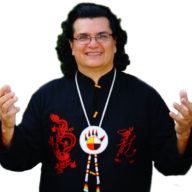
Roberto Dansie's Cultural Wisdom is known for translating cultural diversity into practical work—especially in healthcare, education and community settings. The site presents Dansie as a clinical psychologist, storyteller and Toltec/Mayan curandero whose keynotes and workshops are tailored to the audience, and it highlights a shift toward culturally appropriate care as a reason organizations seek him out.
Its work spans three areas:
- Speaking and training: keynotes and workshops for healthcare providers, educators and organizations, built around storytelling rather than generic diversity slides.
- Cultural events: organizing and promoting celebrations such as the Day of the Dead, including community outreach and media promotion.
- Consulting and community development: strategic planning, needs assessments, grant writing, board and staff training, and community-based research focused on rural and Indigenous communities and climate equity.
A useful next step is to match the offering to your goal: choose a keynote or workshop for awareness and team learning, an event partnership for public engagement, and consulting when you need planning, assessment or grant support.
How can Roberto Dansie's culturally appropriate care training help healthcare providers improve patient outcomes?
Dr. Roberto Dansie's culturally appropriate care training is aimed at helping healthcare providers close the gap between clinical treatment and the cultural context patients bring into the room. On his site, the emphasis is on teaching people "how to bring cultural diversity and wisdom into their work," with growing demand noted among healthcare providers as the industry shifts toward culturally appropriate care. The practical value for clinicians is less about memorizing facts about specific groups and more about building the awareness and communication habits that make patients feel understood, which in turn supports trust, disclosure and follow-through on care plans. His background as a clinical psychologist, storyteller and curandero shapes an approach that uses narrative and cultural wisdom rather than dry compliance modules.
Where it fits in a care setting
- Patient communication: helping clinicians recognize when cultural beliefs, family roles or language shape how symptoms and treatment are described.
- Trust and engagement: storytelling and humor, which his site highlights as central to his style, can make sensitive topics like mental health or end-of-life care easier to discuss.
- Workforce training: sessions for mixed teams of clinicians, administrators and community health workers, useful for organizations serving rural, Indigenous and minority communities.
- Community partnerships: the Cultural Wisdom team's consulting work includes collaboration with health and education leaders and community-based research, which can inform outreach beyond the clinic walls.
A realistic scenario
A clinic serving a large Indigenous or immigrant population notices that patients from one community keep missing follow-up appointments. A training session alone won't fix that, but it can help staff examine whether scheduling, intake questions or assumptions about family decision-making are contributing. Pairing the training with the team's community needs assessment or facilitation services would give the clinic data to act on, not just awareness.
Decision criteria
Choose this kind of training when the gap is relational and cultural rather than purely procedural, and when leadership is prepared to change workflows afterward. If your need is a one-off diversity lecture with no follow-up, the impact will be limited. As a next step, identify one patient population with measurably worse outcomes and ask whether staff understand the cultural factors behind those numbers before booking any training.
What does it cost to book Roberto Dansie for a keynote or workshop?
The site does not publish a fee for booking Roberto Dansie, so there is no listed keynote or workshop price to quote. Speaking fees for a clinical psychologist, author and storyteller with his profile are typically quoted per engagement and vary with format, travel, audience size and whether the booking includes event support.
What the page does show
The site presents three bookable areas:
- Keynotes and workshops — described as tailored to the specific audience, with a lively, storytelling-driven style.
- Cultural events — the Cultural Wisdom team can help organize, market and promote events such as Day of the Dead celebrations and heritage-day keynotes.
- Consulting and community development — staff training, board training, community meeting facilitation, needs assessments, strategic planning and grant writing for companies, nonprofits, tribal and government organizations.
Because consulting and event support are offered alongside speaking, a quote may bundle several of these rather than price a single talk.
Practical next step
Send an inquiry through Cultural Wisdom with your event date, location, audience size, session length and budget range, and ask separately for the speaking fee and any travel or event-support costs. If you are comparing speakers, use total cost per session and the fit with your audience as the deciding criteria, not the headline fee alone.
How can Cultural Wisdom help my organization plan and promote a Day of the Dead or Native American Heritage event?
Cultural Wisdom helps organizations plan and promote Day of the Dead and Native American Heritage events by combining event organization, community outreach and media promotion with Dr. Roberto Dansie as a keynote speaker and storyteller. According to the site, the team can help you organize the event, market it on social media, organize the community to attend, and provide media promotion through web, news and radio outlets. The Day of the Dead Celebration of Life at Minnesota State University, which Dansie keynotes each year, is the site's example of this kind of event; Native American Heritage Day at the University of Alabama in Huntsville is cited as another keynote engagement.
What the service covers
- Event design and logistics: help organizing the event itself, from concept to program.
- Promotion: social media marketing plus web, news and radio media promotion.
- Audience building: organizing the surrounding community to attend.
- Program content: a keynote and cultural storytelling from Dansie, a clinical psychologist, Toltec/Mayan curandero and storyteller, whose presentations the site describes as tailored to the specific audience.
Which event fits your organization
| Your situation | Better starting point |
|---|---|
| Campus, museum or community group wanting a public cultural celebration | Day of the Dead event, modeled on the annual Minnesota State University celebration |
| Tribal, health or education organization marking heritage or addressing cultural competence | Native American Heritage Day keynote, with the option of broader consulting and staff training |
| Organization that also needs research, planning or funding support | Consulting services such as needs assessments, strategic planning and grant writing |
A practical next step
Decide first whether you need a speaker only or a full event partnership, since the site presents these as different levels of involvement. Then contact the team with your date, audience size, venue and budget, and ask which elements—organizing, social media marketing, community outreach, media promotion and keynote—can be bundled for your event. If your goal is cultural learning rather than a one-off celebration, ask about pairing the event with staff training or a community needs assessment so the programming connects to longer-term work.
What consulting services does Cultural Wisdom offer tribal, nonprofit, or government organizations for community development?
Cultural Wisdom offers consulting and community development services for companies, nonprofits, tribal organizations and government agencies. According to the site, the work centers on building resilient communities and includes:
- Training for nonprofit boards and staff
- Facilitation of community meetings
- Collaboration with health and education leaders
- Community capacity building
- Community-led, community-based research focused on rural and Indigenous communities of color and on climate equity
- Five-year strategic planning
- Community needs assessments
- Grant writing and implementation support
The team also includes Stanford School of Medicine Health Equity Ambassadors Tessa and Emily Dansie, described as trained to build academic–community relationships and match Stanford researchers with community partners.
How to judge fit
The offering spans two different needs: organizational capacity (board training, strategic planning, grant writing) and participatory research and equity work (community-led research, needs assessments, health and education partnerships). A tribal health department preparing a grant and a nonprofit board seeking governance training would use different parts of this menu.
As a next step, define your goal and timeframe before inquiring—for example, "a community needs assessment for a rural clinic over six months" or "board training for a twelve-member nonprofit board"—and ask which team members would lead it and how community members would be involved in designing the work. The site presents the approach as community-led; asking how that commitment shapes timelines and decision-making is a practical way to test alignment with your organization.
How does Roberto Dansie's Toltec/Mayan curanderismo background shape his approach to cultural storytelling and healing?
Roberto Dansie presents his Toltec/Mayan curanderismo background as the frame that unifies his work: cultural storytelling and healing are treated as one practice rather than separate services. On Roberto Dansie, PhD, he describes himself as a clinical psychologist and curandero, and describes each presentation as "like a Navajo sand painting, created for the specific healing of those who receive it" — that is, storytelling is tailored to the particular audience and its needs, not delivered as a fixed lecture. His Day of the Dead storytelling is offered as a way to learn the traditions behind the holiday, and his cultural events (such as an annual Day of the Dead Celebration of Life) pair commemoration with community organizing and media promotion.
In practical terms, this shapes his approach in three ways. Healing is framed culturally: the Arizona PBS interview cited on the site notes growing demand among healthcare providers amid a shift toward culturally appropriate care, which fits a model where stories carry the healing rather than sit beside it. Audience is treated as a community to be moved, not just informed — his stated style is jovial and participatory, keeping people laughing and clapping. And cultural knowledge is presented as ancestral wisdom worth honoring, which is why the same framing extends into consulting for tribes, nonprofits and health agencies, including community-led research with rural and Indigenous communities of color.
For a program planner, the useful distinction is between booking a keynote and booking a cultural event. A keynote suits a conference or heritage-day audience that needs an accessible, story-driven introduction to cultural diversity. A cultural event suits a campus or community that wants participation and commemoration, and the site indicates his team can help organize, market and promote it. If your goal is clinical or workforce training in culturally appropriate care, ask specifically how the storytelling connects to your staff's daily practice; if your goal is a public celebration, ask about community involvement and outreach.
 Cloudflare
User reviews (0)