Website profiles · Technology insights · Alternatives

saugeenshoresskatingclub.com

Welcome to the Saugeen Shores Skating Club! Whether you want to learn to skate just for the fun of it, stay fit, master the skating fundamentals for your hockey career or to reach your dreams of a...

No paid content found
Visit website
Profile views 3 Outbound visits 1 Normal
Saugeen Shores Skating Club Full homepage screenshot

At a glance

Category
Education & Learning
Language
English
Paid-content signal
No paid content foundObserved
Registered
2003
Hosting
CloudflareInferred
HTTPS certificate trusted
PassedObserved
Last updated

Website review

This review may include AI-generated content and is not individually verified. Domain, certificate and other facts come from the observed data on this page.

What is Saugeen Shores Skating Club?

Saugeen Shores Skating Club is a community figure-skating club in Ontario, Canada, that runs Skate Canada–style programs for people who want to learn to skate, stay fit, build hockey fundamentals, or progress toward competitive skating. Its own description frames the offer around "Fun, Fitness or Achievement," with youth and adult options.

Programs on the site

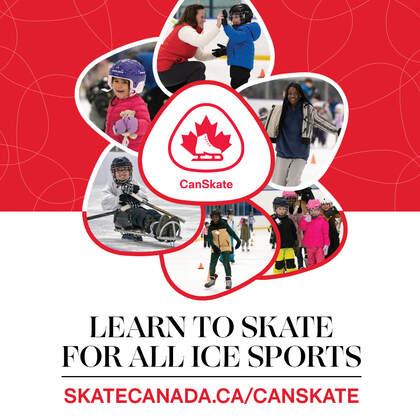
  • CANSkate — the club's flagship learn-to-skate program, taught in group lessons by nationally certified coaches and program assistants, with skills introduced progressively. Youth and adult sessions are available.
  • Pre-Star — group lessons emphasizing strength, speed, edges and turns, useful for hockey players as well as skaters; it also introduces basic jumps and spins for those heading into STARSkate.
  • STARSkate — for skaters continuing beyond Pre-Star, covering ice dance, skating skills, freeskate and interpretive skating, with progress measured through standardized tests evaluated by certified Skate Canada judges.
  • SynchroSkate — listed among the club's programs, though the page gives no detail on levels or schedule.

The club also lists its coaches by name (Janet Dawson, Brittany Sanderson, Cathy Champagne-Baker, Tamara Fenton, Jessica Ronholm and Michelle Venne Wardrop), which matters if you want continuity with a particular instructor.

Who it suits

A parent weighing options for a child who has never been on ice would start with CANSkate; a hockey-minded family might look at Pre-Star once basic skating is secure; a teenager or adult aiming at tests and competition would move into STARSkate. Because the club runs spring and summer ice as well as the usual season, it can also work for families whose winters are already committed to other sports.

Next step

Check the registration and schedule page on Saugeen Shores Skating Club for current session dates, then confirm with the club by email which program fits your skater's age and ability before registering. For broader context on how these program names map to levels nationwide, Skate Canada explains the pathway.

Which program should I choose if my child wants to build skating fundamentals for hockey?

Choose PRE-Star if your child already has basic skating comfort and wants to build the strength, speed, edges and turns that matter for hockey. The club describes PRE-Star as group lessons focused on those skills, with basic jumps and spins added for skaters who may later move into STARSkate.

If your child is new to skating or still learning balance and gliding, start with CANSkate instead. It is the club's progressive group program taught by nationally certified coaches and program assistants, and it is the foundation the other programs build on.

A practical next step: ask the club whether your child should enter CANSkate or go straight into PRE-Star, and mention hockey as the goal so the coaches can place them correctly.

How do I register for spring or summer skating sessions and see the schedule?

Registration and the spring/summer schedule both run through the same path on the club site: use the Register link on the homepage (in the spring/summer notice) or the Registration & Schedule item in the main menu. The homepage notice says spring and summer skating is open and points to registration, while the schedule sits alongside registration in the menu.

What to check before registering

  • Pick the right program first. The club lists CANSkate (progressive group lessons for youth and adults), PRE-Star (strength, speed, edges and turns, plus basic jumps and spins), STARSkate (ice dance, skating skills, freeskate, interpretive skating with standardized tests), and SynchroSkate. Spring/summer session availability can differ by program, so confirm yours appears in the current listing.
  • Match the session to your goal. A hockey player building fundamentals fits CANSkate or PRE-Star; a skater aiming at tests and competition needs STARSkate.
  • Check the location. The site has a separate Skating Locations page, so confirm which rink your session uses before you commit.
  • Note the contact route. Questions go to the club email listed on the homepage; use it if a program or session is missing from the registration listing.

For a concrete case: a parent registering a beginner for summer should open Registration & Schedule, find the CANSkate summer session, verify the rink on the Skating Locations page, then register through the link. If the session isn't listed, email the club rather than assuming it's full.

As a next step, open Saugeen Shores Skating Club and go straight to Registration & Schedule; if the spring/summer dates aren't visible there, email the club address on the homepage with your skater's level and preferred program.

What is the difference between CanSkate, Pre-Star, and STARSkate for a beginner?

For a true beginner, the practical difference is purpose and progression. CanSkate is the entry point for learning basic skating; Pre-Star adds strength, speed, edges and turns with a first taste of jumps and spins; STARSkate is the longer-term pathway for skaters who want to develop advanced skills and test them formally.

Program Best suited to What it emphasizes Commitment and progression
CanSkate First-time skaters, youth or adult Learning to skate in a progressive group format with nationally certified coaches and program assistants The starting level; no prior skating needed
Pre-Star Skaters who have mastered basic skating Strength, speed, edges and turns useful for hockey and figure skating, plus introductory jumps and spins A bridge between CanSkate and more serious training
STARSkate Skaters ready to train beyond the basics Ice dance, skating skills, freeskate and interpretive skating, with standardized test evaluations by certified Skate Canada judges The most structured and longest pathway of the three

The club describes CanSkate as Skate Canada's flagship learn-to-skate program and offers both youth and adult versions, so an adult beginner does not need to join a children's class. Pre-Star is the useful choice if the skater's goal is hockey or general athletic skating, because its focus on edges and turns transfers directly to those needs. STARSkate suits someone who enjoys the figure-skating side and wants measurable progress through tests; it is not the natural first step for someone who has never been on the ice.

A sensible next step is to match the program to the skater's goal rather than age: fun and basic confidence point to CanSkate, hockey or power skating to Pre-Star, and competitive or test-oriented figure skating to STARSkate. The club's registration and schedule page lists current spring and summer sessions, and questions can go to its contact email. For broader context on how these pathways are structured, see Skate Canada.

Is there an adult skating program available at this club?

Yes. The Saugeen Shores Skating Club offers youth and adult programs within its CanSkate stream, which is Skate Canada's flagship learn-to-skate program. CanSkate is described on the club's site as a progressive, group-lesson format led by Nationally Certified Coaches and Program Assistants, so an adult beginner can expect structured instruction in a group setting rather than private one-on-one coaching. The club frames its programs around skating "for fun, fitness or achievement," which suggests adults skating purely for recreation or fitness are welcome, not only those aiming at competitive pathways.

Where adults fit in the program ladder

Program Focus Likely adult fit
CanSkate Progressive fundamentals in group lessons; youth and adult streams Best entry point for adults new to skating or rebuilding basics
Pre-Star Strength, speed, edges and turns; introduces basic jumps and spins Adults with solid fundamentals who want more technical work, including hockey players
STARSkate Ice dance, skating skills, freeskate and interpretive skating, with standardized test evaluations by certified Skate Canada judges Adults pursuing structured skill development or testing
SynchroSkate Listed among the club's programs; team skating format Worth asking about, since adult synchro teams exist in some clubs

Practical next step

Before registering, confirm two things with the club: which adult CanSkate session times are offered in the current spring/summer schedule, and whether adults can enter Pre-Star or STARSkate directly or must progress through CanSkate first. Session days, ice times and any equipment requirements (such as helmet rules for beginners) are the details that usually decide whether a program fits an adult's schedule. The club lists contact by email and maintains a registration and schedule page, so a short message describing your skating level and availability is the most efficient way to get placed correctly.

For broader context on how adult learn-to-skate fits into the national program structure, Skate Canada explains the CanSkate and STARSkate pathways.

Who are the coaches at Saugeen Shores Skating Club and what certifications do they hold?

The club lists seven coaches on its site: Janet Dawson, Brittany Sanderson, Cathy Champagne-Baker, Tamara Fenton, Jessica Ronholm, and Michelle Venne Wardrop, plus a "Coaches" page that leads to their profiles. The page evidence does not state individual certification levels for each coach. It does say the CanSkate program is taught by "Nationally Certified Coaches and Program Assistants," and that STARSkate skaters are evaluated through standardized tests by certified Skate Canada judges. Those are program-level statements, not a per-coach certification list.

What this means for choosing a coach

  • If you are enrolling a beginner: the group CanSkate format is the entry point, and the club's own description emphasizes nationally certified instruction and program assistants.
  • If you are moving toward competitive or test-stream skating: ask which coach holds the certification required for the specific discipline (freeskate, ice dance, skills, interpretive) and for test judging or coaching at that level.
  • If you are an adult or hockey-focused skater: confirm whether the coach works with adult or power-skating groups, since the site notes youth and adult programs but does not map coaches to them.

Practical next step

Open the Coaches page on Saugeen Shores Skating Club for any bios, then email the club with a specific question such as: "Which coach is certified to coach STARSkate freeskate tests, and what level are they certified to?" That gets you a concrete answer rather than a general assurance.

Related questions

More questions →
Is Martial Arts a Good Fitness Option for Kids Compared to Other Youth Sports?

Yes. For most children, a well-run martial arts class is a legitimate fitness activity—not a substitute for recess, but a real workout that develops cardiovascular endurance, strength, balance, and flexibility. It differs from typical youth sports in one important way: fitness is built as a byproduct of skill practice rather than as the explicit goal. That distinction matters when you're deciding whether to enroll your child, and it shapes what you should look for in a local program.

How Kids Martial Arts Builds Fitness

A karate-style class rarely involves treadmills, weight machines, or fitness testing. Instead, fitness comes from the structure of the session itself:

  • Warm-ups – jumping jacks, running in place, squat variations, and dynamic stretching raise the heart rate and prepare the body.
  • Drills – repeated punches, kicks, blocks, and footwork patterns build muscular endurance in the legs, core, and shoulders.
  • Skills practice – stances held for time, forms (kata) performed with control, and partner work develop balance, coordination, and stability.
  • Conditioning segments – many programs include push-ups, planks, or bodyweight circuits, especially as students advance.
  • Cool-down and stretching – improves flexibility and teaches recovery habits.

The result is a mixed-modality workout: aerobic work during warm-ups and drills, muscular endurance during stance and technique repetition, and mobility work at the end. For a child who dislikes organized running or team sports, this variety can be the difference between staying active and quitting.

What "Fitness" Actually Means Here

It helps to separate fitness into components so you can judge whether a class delivers:

Component How martial arts addresses it
Cardiovascular endurance Warm-ups, continuous drills, forms
Muscular strength Bodyweight exercises, stance work, kicking
Muscular endurance High-repetition technique practice
Flexibility Structured stretching, high kicks
Balance and coordination Stances, footwork, partner drills
Agility Direction changes, sparring footwork

A class that only practices techniques slowly, with long lectures and short active periods, will not deliver much fitness. A class with 40+ minutes of continuous movement will.

Martial Arts vs. Other Youth Sports and Fitness Programs

Different activities emphasize different things. None is universally "best"—it depends on your child and your goals.

Activity Fitness emphasis Discipline structure Team vs. individual Notes for parents
Martial arts (karate-style) Mixed: cardio, strength, balance, flexibility High—rank, etiquette, repetition Individual within a group Progress is visible through belt ranks; self-defense included
Soccer, basketball, etc. High cardio, some strength Moderate—coach-led, team rules Team Game-dependent activity; bench time can reduce fitness
Gymnastics High strength, flexibility, balance High—technical progression Individual within a team Excellent fitness; higher injury risk in advanced levels
Swimming High cardio, full-body strength Moderate Individual or team Low-impact; requires pool access
General kids fitness/gym classes Varies widely Low to moderate Group Quality depends heavily on instructor and curriculum
Running clubs High cardio Moderate Individual or team Can be repetitive for young children

Two practical differences stand out:

  1. Consistency of activity. In team sports, a child may spend significant time waiting for a turn, standing in the outfield, or sitting on the bench. In a martial arts class, every student is typically moving for most of the session.
  2. Discipline as part of the product. Martial arts explicitly teaches focus, respect, and self-control alongside physical skills. Team sports teach discipline too, but often as a side effect of competition rather than as a stated curriculum.

What Parents Should Look For

Not every martial arts program provides real fitness benefits. Use these criteria when evaluating a local school:

  • Active time per class. Ask to observe a session. If students are moving for at least 30–40 minutes of a 45–60 minute class, fitness is likely being developed.
  • Warm-up and conditioning structure. A program with a consistent warm-up and some bodyweight conditioning is more fitness-oriented than one that jumps straight into technique.
  • Progression. Belt ranks or skill levels should reflect genuine improvement in technique, stamina, and control—not just attendance.
  • Instructor qualifications. Ask about experience, teaching style, and how they handle different fitness levels and ages.
  • Class size and age grouping. Younger children need shorter, game-based activities; older kids can handle longer drills and sparring.
  • Safety practices. Proper warm-ups, controlled contact, and appropriate protective gear matter, especially as intensity increases.
  • Trial options. A trial class or observation period lets you judge fit before committing.

A Simple Observation Checklist

When you visit a class, watch for:

  1. Are kids sweating and breathing harder during drills?
  2. Do they hold stances and repeat techniques enough to build endurance?
  3. Is there a stretching segment?
  4. Does the instructor correct form, or just count repetitions?
  5. Do students seem engaged, or are they standing around?

If you can answer "yes" to the first three and "engaged" to the last, the class is likely providing meaningful fitness.

Fitness Is One Benefit, Not the Only Goal

It's worth being clear about expectations. Parents often enroll children in martial arts for self-defense, discipline, confidence, and focus—fitness is a welcome side effect. If your primary goal is maximum cardiovascular conditioning, a sport like swimming or soccer may push that specific button harder. If your goal is a well-rounded activity that builds strength, balance, flexibility, and character while keeping your child active several times a week, martial arts is a strong choice.

For a child in Bensalem or any similar community, the practical question isn't "Is martial arts as good as soccer?" but "Does this specific program keep my child moving, progressing, and enjoying it?" Observe a class, ask about the structure, and judge for yourself. A good program will welcome the questions—and your child's improved stamina will be the evidence.

How to Register for Saugeen Shores Skating Club Programs and Find the Schedule

To register, start at saugeenshoresskatingclub.com and use the Registration & Schedule section in the site menu, or the Click Here to Register link in the home page's spring and summer skating notice. The site does not publish program dates, fees, or a downloadable schedule on the pages summarized here, so the registration link and the club email (shown on the site as [email protected]) are your two practical routes to current details.

Before You Register: Pick the Program

Registration is organized around the club's four program streams, so it helps to know which one fits your skater before you fill anything in.

Program Who it suits What it covers
CANSkate Beginners of any age; youth and adult groups available Skate Canada's flagship learn-to-skate program, taught progressively in group lessons by nationally certified coaches and program assistants
Pre-Star Skaters who have completed the basics and want more Group lessons on strength, speed, edges and turns, useful for hockey players and figure skaters alike, plus introductory jumps and spins
STARSkate Skaters continuing from Pre-Star Ice dance, skating skills, freeskate and interpretive skating, with progress measured through standardized tests evaluated by certified Skate Canada judges
SynchroSkate Listed as a program on the site Details are not described on the home page; confirm with the club

If your skater is brand new, CANSkate is the entry point. If they can already skate and are weighing hockey against figure skating, Pre-Star is the bridge program the club describes for both paths.

Registration Steps

  1. Go to saugeenshoresskatingclub.com.
  2. Open Registration & Schedule from the main menu, or click the Click Here to Register link in the "Spring and Summer skating is here!" notice on the home page.
  3. Choose the program stream that matches your skater (see table above).
  4. Complete the registration form and submit it as directed on that page.
  5. Watch for confirmation and schedule details from the club. If nothing arrives, email [email protected] with your skater's name and the program you registered for.

Expected result: you receive confirmation of your skater's placement and their session times. Common snag: the home page promotes spring and summer skating specifically, so if you are looking for fall or winter sessions, check the Registration & Schedule page or email the club rather than assuming the same link covers every season.

Finding the Schedule and Location

The schedule lives in the same Registration & Schedule section as registration, which is why the two are grouped together. Skating locations are listed separately under Skating Locations in the menu — check that page before your first session so you arrive at the right rink. The site does not state fees or session times in the material available here, so treat any schedule you find as the authoritative source and confirm changes by email.

Who to Contact

The club lists a single contact channel on its home page: [email protected]. Use it for questions about which program fits, schedule changes, or registration problems. The site also names its coaches — Janet Dawson, Brittany Sanderson, Cathy Champagne-Baker, Tamara Fenton, Jessica Ronholm and Michelle Venne Wardrop — with a Coaches page in the menu if you want background before choosing a stream.

What Skating Programs Does the Saugeen Shores Skating Club Offer?

The Saugeen Shores Skating Club offers four programs: CANSkate, Pre-Star, STARSkate, and SynchroSkate. CANSkate is the entry point for beginners of any age, Pre-Star bridges learn-to-skate and figure skating while building hockey-relevant skills, and STARSkate is the advanced track for skaters pursuing ice dance, skills, freeskate, and interpretive skating. SynchroSkate appears in the club's program menu, though the site's program descriptions focus on the first three. The club also lists spring and summer skating sessions with registration available through its site.

CANSkate: The Entry Program

CANSkate is Skate Canada's flagship learn-to-skate program, and the club describes it as having taught "the best skaters in Canada how to skate" for decades. Key features:

  • Progressive skill teaching in a group lesson format
  • Delivered by Nationally Certified Coaches and Program Assistants
  • Youth and adult programs are both available

This is the right starting point if the goal is simply to learn to skate for fun, to build fitness, or to establish the fundamentals before hockey or figure skating. No prior skating experience is implied as a requirement.

Pre-Star: The Bridge Program

Pre-Star is designed for skaters who have completed the beginner stage ("the slippery side of the sport," as the club puts it). It uses group lessons and shifts focus toward:

  • Strength, speed, edges, and turns — skills the club notes are crucial for hockey players and figure skaters alike
  • Basic jumps and spins for those planning to continue into STARSkate

Choose Pre-Star if the skater has basic skating ability and wants either a stronger foundation for hockey or a preview of figure skating elements before committing to STARSkate.

STARSkate: The Advanced Track

STARSkate is open to skaters of all ages who have moved through Pre-Star and want to develop more advanced elements. Participants train in four areas:

Training Area What It Covers
Ice dance Dance patterns and technique on ice
Skating skills Edge work, turns, and overall skating quality
Freeskate Jumps and spins
Interpretive skating Artistic expression and program interpretation

Progress is measured through standardized test evaluations by certified Skate Canada judges, so STARSkate suits skaters working toward formal achievement levels or competitive goals.

SynchroSkate

SynchroSkate is listed among the club's programs in its navigation menu. The site's program descriptions do not detail its format, schedule, or eligibility, so contact the club directly for specifics before registering.

How to Choose

  • Never skated, or skating for fun/fitness: CANSkate (youth or adult stream)
  • Basic skills in place, aiming at hockey or curious about figure skating: Pre-Star
  • Ready for jumps, spins, dance, and formal testing: STARSkate
  • Interested in team skating: ask the club about SynchroSkate

Registration and Contact

The club advertises spring and summer skating with a registration link on its homepage, and registration and schedule information is available through the site's Registration & Schedule page. For program placement questions, the club lists its contact email as [email protected]. Coaches named on the site include Janet Dawson, Brittany Sanderson, Cathy Champagne-Baker, Tamara Fenton, Jessica Ronholm, and Michelle Venne Wardrop.

What Is the Saugeen Shores Skating Club?

The Saugeen Shores Skating Club is a community skating club that offers Skate Canada–structured programs for every level of skater — from children and adults learning to skate for fun or fitness, to hockey players building fundamentals, to competitive skaters working toward their goals. It is the right fit if you are looking for a local club with nationally certified coaches and a progressive, group-lesson format; it is not a drop-in public skate or a private one-on-one coaching service.

Who the club serves

The club describes its programs as open to "all levels of skating," with youth and adult options. That covers four broad groups:

  • Beginners who want to learn to skate for fun or fitness
  • Hockey-minded skaters who need skating fundamentals for their hockey career
  • Recreational figure skaters who want to stay fit and progress through skills
  • Competitive aspirants working toward higher-level achievement

The program ladder

Programs are organized so skaters can move from first steps to advanced training. The club lists four program areas:

Program What it focuses on Who it's for
CANSkate Skate Canada's flagship learn-to-skate program; skills taught progressively in group lessons by Nationally Certified Coaches and Program Assistants Youth and adult beginners
Pre-Star Group lessons on strength, speed, edges and turns, plus basic jumps and spins Skaters moving past the basics, including hockey players
STARSkate Ice dance, skating skills, freeskate and interpretive skating, with standardized test evaluations by certified Skate Canada judges Skaters continuing from Pre-Star to advanced elements
SynchroSkate Listed as a program area on the site Skaters interested in team skating

The progression is deliberate: CANSkate builds the foundation, Pre-Star adds power and edge control plus an introduction to jumps and spins, and STARSkate develops advanced elements with formal test evaluation.

Coaches and structure

Coaching is delivered by Nationally Certified Coaches, supported by Program Assistants in the CANSkate group format. The club's coach roster listed on the site includes Janet Dawson, Brittany Sanderson, Cathy Champagne-Baker, Tamara Fenton, Jessica Ronholm and Michelle Venne Wardrop. Because programs follow the Skate Canada structure, skills are taught progressively rather than in an ad-hoc format — useful if you want a skater's progress to be measurable through standardized evaluations.

How to register or get in touch

The site points visitors to a Registration & Schedule page for current sessions, and notes that spring and summer skating registration is available through a registration link on the homepage. For questions before signing up, the club's contact email is listed as [email protected]. Skating locations are also listed on the site, so you can confirm which rink applies to your program before registering.

What to check before committing

  • Confirm the session and schedule on the Registration & Schedule page — the site advertises spring and summer skating, so availability varies by season.
  • Match the program to the skater: true beginners start with CANSkate; hockey players and skaters ready for edges, turns and introductory jumps look at Pre-Star; those continuing to dance, skills, freeskate and interpretive work go to STARSkate.
  • Ask about age and level placement by email if you are unsure where a skater fits, since the site describes youth and adult streams but not specific age cut-offs.
  • Check equipment and location details with the club directly, as the site does not publish them in the material available.
How Do I Choose the Right Saugeen Shores Skating Club Program for My Skater?

Start with the skater's current ability and goal: complete beginners and recreational skaters belong in CANSkate, skaters who have mastered the basics and want more speed, edges and turns (including future hockey players) move to Pre-Star, and skaters ready for advanced elements and formal test evaluations continue to STARSkate. The club describes its programs as covering "all levels of skating," from learning for fun to competitive goals.

Match the Program to the Skater

Skater's situation Program What it involves
New to skating, or skating mainly for fun and fitness CANSkate Skate Canada's flagship learn-to-skate program; progressive skills taught in group lessons by Nationally Certified Coaches and Program Assistants
Has the basics and wants more challenge, or is building toward hockey Pre-Star Group lessons focused on strength, speed, edges and turns, plus an introduction to basic jumps and spins for those continuing to STARSkate
Wants advanced elements and standardized testing STARSkate Training in ice dance, skating skills, freeskate and interpretive skating, with progress measured through test evaluations by certified Skate Canada judges

CANSkate: the default starting point

CANSkate is the right first choice for most families. Skills are taught progressively in a group format, so a skater who has never been on the ice is placed with others at the same stage rather than dropped into advanced drills. The club notes that youth and adult programs are available, so adults learning to skate are not limited to a children's stream.

Pre-Star: the bridge program

Pre-Star is where the club explicitly names hockey players alongside figure skaters. The emphasis on strength, speed, edges and turns serves both groups, and the introduction to basic jumps and spins keeps the door open for skaters who later want to continue to STARSkate. Choose this once a skater is comfortable on the "slippery side of the sport" and is ready for more structured skill work.

STARSkate: for committed, test-oriented skaters

STARSkate is the most advanced of the three core streams. Skaters train across four disciplines — ice dance, skating skills, freeskate and interpretive skating — and progress is measured through standardized test evaluations by certified Skate Canada judges. This suits skaters working toward competitive goals or who want formal recognition of their progress.

Other Things to Check Before Registering

  • SynchroSkate appears in the club's program menu alongside CANSkate, Pre-Star and STARSkate. If your skater is interested in team skating, ask the club about it directly, as the site gives no further detail on this page.
  • Season timing: the club advertises spring and summer skating and directs visitors to register through its registration page, so confirm the current session before planning.
  • Coaches: the club lists its coaching team (Janet Dawson, Brittany Sanderson, Cathy Champagne-Baker, Tamara Fenton, Jessica Ronholm and Michelle Venne Wardrop), which is useful if your skater has a preferred coach or discipline.
  • Location and schedule: these are separate pages on the site; check them before committing, since program availability can vary by rink and session.

A Simple Decision Path

  1. Has the skater never skated, or skates only casually? → CANSkate
  2. Is the skater comfortable on the ice and aiming at hockey or wanting a bigger challenge? → Pre-Star
  3. Does the skater want advanced elements and formal test evaluations? → STARSkate

If you are still unsure, the club invites questions by email at [email protected] — describing your skater's age, experience and goal is the fastest way to get a placement recommendation.

Website Overview

An established domain and managed infrastructure suggest continuity of operations and may support dependable delivery, although neither guarantees service quality. Several search or sharing settings need attention. Together they may make snippets, preview images or preferred URLs less consistent across platforms.

Domain and Registration

Registered in 2003, this domain has about 22 years of history. That suggests continuity, although ownership and purpose may have changed. The domain uses the common .com extension, which is not an independent safety signal.

DNS and Email

Nameservers are provided by spiritdomains.com, indicating managed DNS hosting. No CNAME was found; the observed records resolve directly to addresses. No MX record was found. A conventional explicit inbound-mail route is not configured. DNSSEC signatures were not detected, so this additional DNS authenticity protection is not confirmed. The lowest observed DNS TTL is 28800 seconds.

TLS and Certificates

The public key uses EC with 256 bits. The server supplied a complete certificate chain. No organization name is present in the certificate; the available fields are consistent with domain validation. The certificate was issued within the Google Trust Services cloud or CDN ecosystem. The certificate's total validity is about 90 days, consistent with a short renewal cycle.

HTTP and Browser Security

The checked browser-security headers were not detected, leaving fewer explicit browser-side safeguards. No X-Powered-By header was found, reducing one common source of backend fingerprinting information. The cf-ray response header indicates a CDN or caching proxy in the delivery path. No obvious internal addresses or debug information were found in the headers. The Server header identifies cloudflare without an exact version.

Technology Stack Analysis

The public page identifies Cloudflare without precise versions, leaving fewer clues for version-specific scanning.

Search and Social Sharing

No homepage meta description was detected, leaving snippet selection more dependent on page text. No homepage canonical URL was detected. If duplicate URLs exist, consolidation may be less explicit. Open Graph is partially configured; og:type is missing. The title has 34 characters, within a common display range. The observed directives allow indexing and link following.

Hosting and Email

DNSspiritdomains.com
HostingCloudflare
EmailUnknown
Approximate IP geolocation (inferred; a CDN or proxy may differ from the origin server) United States flagUnited States Inferred 199.34.228.56

Registration details

RDAP / WHOIS

RegistrarThe Registry at Info Avenue, LLC d/b/a Spirit Communications
Registered2003-10-31
Expires2027-10-31
Domain statusactive
Nameserversdns1.spiritdomains.com、dns2.spiritdomains.com、dns3.spiritdomains.com、dns4.spiritdomains.com
DNSSECunsigned

DNS records

DNS

TypeNameValueTTLPriority
Awww.saugeenshoresskatingclub.com199.34.228.5628800—
NSsaugeenshoresskatingclub.comdns1.spiritdomains.com38400—
NSsaugeenshoresskatingclub.comdns2.spiritdomains.com38400—
NSsaugeenshoresskatingclub.comdns3.spiritdomains.com38400—
NSsaugeenshoresskatingclub.comdns4.spiritdomains.com38400—

TLS and certificates

TLS / SSL

AssessmentNormal configuration
Supported protocolsTLSv1.2、TLSv1.3
Negotiated protocolTLSv1.3
Certificate subjectwww.saugeenshoresskatingclub.com
IssuerGoogle Trust Services
Valid until2026-11-30T09:44 · Remaining when checked: 40 days
Verification detailsCertificate trust: Passed · Hostname match: Passed

HTTP response headers

HTTP

HeaderValue
content-typetext/html; charset=UTF-8
cache-controlmax-age=30, private, no-store
servercloudflare

Identified technologies

Cloudflare

Pages, Search and Sharing

Meta descriptionNot detected
Canonical URLNot detected
LanguageEnglish (default)
Twitter CardNot detected
nerdybot 0 allowed · 1 disallowed
  • Disallow/
dotbot 0 allowed · 0 disallowed
  • IntervalCrawl delay 10 seconds
All bots 0 allowed · 2 disallowed
  • Disallow/ajax/
  • Disallow/apps/

User reviews (0)

  • No reviews yet.