
 简体中文
 English

Website review
This review may include AI-generated content and is not individually verified. Domain, certificate and other facts come from the observed data on this page.
What is Westdel Shelties?
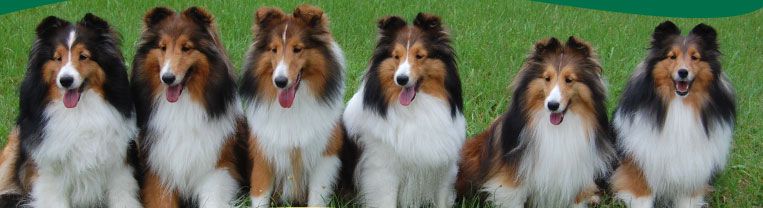
Westdel Shelties is a small Shetland Sheepdog (Sheltie) kennel based in London, Ontario, Canada. It describes itself as a registered Canadian Kennel Club breeder with about 20 years of experience, and its dogs are raised in the home rather than in kennel runs. The stated aim is to produce Shelties suited to conformation showing, obedience, agility and everyday companionship.
The site is essentially a breeder's information page rather than an online shop. Its main sections cover the kennel's dogs ("The Girls" and "The Boys"), puppies, news and contact details, with phone and email given for inquiries. Puppies are not listed with prices or sold through a checkout; the site says inquiries are welcome about what is currently available and about upcoming litters, and notes that older Shelties are occasionally available for show or companionship homes.
What matters if you are considering them
- Health testing before breeding. The site states that all breeding Shelties are tested prior to breeding, with the goal of long-lived, active dogs. Ask which specific tests and whether results are documented for the individual parents of a litter.
- Registration and club involvement. It identifies itself as a Canadian Kennel Club registered kennel and a member of the Canadian Shetland Sheepdog Association and the Forest City Kennel Club. You can verify a CKC-registered kennel and check parentage papers directly with the club.
- Breed suitability. Shelties are vocal, bright herding dogs that need daily mental and physical activity and tend to bond closely with their people. They suit homes ready for training and grooming; they are often a poor fit for households wanting a low-exercise, low-barking dog.
- Buying from a distance. Because inquiries go through phone or email, expect a conversation about temperament, timing and pickup rather than an instant online purchase.
As a next step, call or email with three specific questions: the date of birth and current availability, the health tests completed on both parents, and whether the puppy is sold with CKC registration and a written health agreement. For context on the breed itself, the Canadian Kennel Club publishes breed standards and breeder resources, and American Shetland Sheepdog Association offers breed care and rescue information.
How can I contact Westdel Shelties to inquire about available puppies?
Contact Westdel Shelties by phone at (519) 474-6358 and ask for Leslie or Charlotte Linton. The site lists no contact form or email address, so a call is the reliable route; if you prefer email, mention that when you call and ask which address to use.
Before calling, note what the site says you can ask about:
- Puppies currently available
- Upcoming litters
- Older shelties occasionally available for show or companionship
What to have ready
- Your experience with shelties or other dogs
- Whether you want a companion, show, obedience or agility prospect
- Your timeline and location, since the kennel is in London, Canada
A practical next step
Call once, and if no one answers, try again at a different time of day rather than leaving a single vague message. In your message, state your name, the best time to reach you, and whether you are asking about a puppy now or a future litter.
For general background on the breed before you call, the Canadian Kennel Club at Canadian Kennel Club and the Canadian Shetland Sheepdog Association are the organisations the kennel says it is registered with and active in.
What does Westdel Shelties do to ensure the health and quality of their breeding Shelties?
Westdel Shelties says it tests all of its Shelties before breeding, with the stated goal of producing healthy dogs that live long, active and happy lives. The kennel also says it takes care to build its breeding program around what it describes as quality bloodlines and pedigrees. It has been breeding Shelties in London, Canada, for 20 years, is a registered kennel with the Canadian Kennel Club, and says it is an active member of the Canadian Shetland Sheepdog Association and the Forest City Kennel Club. For a buyer, the practical takeaway is to ask which specific health tests were done, on which dogs, and when — then confirm the results rather than relying on a general statement that testing occurs.
What this means if you are considering a puppy
Use the kennel's claims as a starting point for questions, not as a finished health record. A concrete example: before putting down a deposit, ask for the registered names or registration numbers of the dam and sire, the dates and results of their health screenings, and whether those results are recorded with the Orthopedic Foundation for Animals (OFA) or an equivalent registry. Then check the parents' registered names yourself through the Canadian Kennel Club (Canadian Kennel Club) to confirm the breeding dogs and the kennel's registration status.
How to weigh the answers
- Specific tests beat broad assurances. "All our Shelties are tested" is less useful than knowing which conditions were screened for and what the results showed.
- Verifiable records beat paperwork alone. Certificates and registry entries you can look up independently carry more weight than copies you cannot confirm.
- Breeder involvement matters. Membership in breed and kennel clubs suggests some accountability, but it does not replace health documentation.
- Ask about the whole picture. In addition to testing, ask how puppies are raised, what socialization they receive, and whether the breeder will take a dog back if your circumstances change.
If the kennel can supply clear test results and registered names you can verify, that is a strong signal. If it cannot or will not, treat that as a reason to keep looking, even if everything else about the breeder seems appealing.
What types of activities or sports are Westdel Shelties puppies bred for?
Westdel Shelties describes its home-raised puppies as suited to four main roles: conformation, obedience, agility, and companionship.
What each activity involves
- Conformation — dog show judging against the breed standard, where structure, movement, and breed type matter. Puppies from show-oriented lines are usually placed with owners who will campaign them or with experienced show homes.
- Obedience — formal obedience competition covering heelwork, recalls, stays, and directed exercises. It suits biddable shelties that enjoy structured training and clear criteria.
- Agility — an obstacle-course sport of jumps, tunnels, weave poles, and contacts, run against the clock. Shelties are a common agility breed because they are fast, responsive, and handler-focused.
- Companionship — a family pet or everyday companion. This is the broadest category and the one most buyers will actually be choosing, including people who never plan to compete.
Choosing based on what you want to do
| Your goal | What to ask the breeder |
|---|---|
| Show or conformation | Whether the litter is being evaluated as show potential, and whether a co-ownership or show contract applies |
| Obedience or agility | Whether the parents have titles in those sports, and how drive and focus show up in the puppies |
| Family companion | Temperament, energy level, and how the puppy has been socialized in the home |
| An adult dog instead | Availability of older shelties, since the site notes these come up occasionally for show or companionship |
A practical next step
Before inquiring, decide whether you want a competition prospect or a companion, because that changes which puppy and which contract terms fit you. Then contact the kennel with that goal stated plainly and ask what is currently available and when the next litter is expected. If you are new to dog sports, ask whether the puppy's line is better suited to a first-time agility or obedience handler, and whether the breeder offers guidance on classes in your area.
For context on the breed and its typical temperaments and activity needs, the Canadian Kennel Club Canadian Kennel Club and the Canadian Shetland Sheepdog Association are reasonable starting points, since Westdel states it is registered with and active in both.
Are there older Shelties available for adoption from Westdel Shelties?
Yes. Westdel Shelties says it "occasionally" has older Shelties available for show or companionship, so retired adults do come up — but not on a predictable schedule.
What that means in practice
- Availability is intermittent. If you want an adult rather than a puppy, ask to be put on a waiting list and check back periodically rather than expecting a ready-to-go listing.
- Two different placements are mentioned: show homes and companionship homes. A show/breeding prospect may go to someone who will campaign the dog, while a companion placement suits a pet household. Be clear about which you want.
- Health testing is part of the program: the kennel states it tests its Shelties before breeding, which is the main question to ask about any adult dog you take on.
- Ask about the individual dog's history — how many litters, how she lives in the house, crate and leash habits, how she is with children, cats and other dogs, and whether she has been spayed or neutered.
A realistic reader scenario
A retired couple in southwestern Ontario wants a calm, leash-trained Sheltie and would rather skip puppy biting and house-training. They call, explain their household, and ask to be contacted when an adult becomes available. They also ask whether the dog has lived indoors, how it reacts to strangers at the door, and what veterinary records come with it. That conversation tells them more than any photo.
Decision criteria
- Choose an adult if you want a known temperament, size and energy level, and you can accept an unknown or partly known history.
- Choose a puppy if you want to shape early socialization yourself and are ready for adolescent herding-dog energy.
- In either case, confirm the dog's registration, vaccination and health-testing records, and ask what happens if the placement does not work out.
Next step
Call the number listed on the site or send an email stating the type of home you offer, whether you have a fenced yard, and whether you want a show or companion dog. Ask directly: "Do you have any adults available now, and can I be notified about the next one?" For breed background and rescue options, Canadian Shetland Sheepdog Association and Canadian Kennel Club are useful starting points.
What registrations and club affiliations does Westdel Shelties have?
Westdel Shelties states that it is a registered kennel with the Canadian Kennel Club. The kennel also says it holds active memberships in the Canadian Shetland Sheepdog Association and the Forest City Kennel Club. These are the only registrations and affiliations named on the page.
What each affiliation signals
- Canadian Kennel Club registration — the kennel is registered with Canada's national purebred dog registry, which matters if you want registration paperwork tied to a recognized Canadian body.
- Canadian Shetland Sheepdog Association membership — a breed-specific association, relevant if you care about Sheltie-focused breeding practices and community.
- Forest City Kennel Club membership — a local all-breed club based in the London, Ontario area, useful for regional shows, events and training contacts.
If registration papers matter to you, ask which specific dogs or litters carry CKC registration and request the paperwork before committing.
 GoDaddy
 Amazon.com, Inc.

User reviews (0)