
 sarcoma.org.uk
No paid content found
sarcoma.org.uk
No paid content found
Categories: Other
Sarcoma UK is the national sarcoma charity, providing information, support and funding research for people affected by sarcoma.
 Visit website
 Updated: 2026-09-27 10:14
 Language: English (default)
 Access: Normal
 Profile views 5
 Outbound visits 1
Related questions
More questions →What Is Sarcoma UK?
Sarcoma UK is the national sarcoma charity in the UK. It provides information about sarcoma, emotional and practical support for people affected by sarcoma, and funds research into the disease. Its website, sarcoma.org.uk, is the main entry point for all three.
If you or someone you know has been diagnosed with sarcoma, or you are concerned about it, the site is organised around what you need at that moment: understanding the cancer, finding support, or getting involved with the charity.
What sarcoma is, in the charity's own framing
Sarcoma UK describes sarcomas as uncommon cancers that can affect any part of the body. That rarity is central to the charity's message — its homepage heading reads "Not everyone understands sarcoma. We do." — and it explains why the site puts so much emphasis on explaining the basics before anything else.
What the website offers
The site is structured into four main areas:
| Area | What it covers |
|---|---|
| About sarcoma | What sarcoma is, whether you might have it, referral explained, types of sarcoma |
| Diagnosing and treating | Diagnostic scans, staging and grading, treatment types, specialist centres, multidisciplinary teams |
| Get support | Emotional support, practical support, support for children/teenagers/young people, rehabilitation, living with and beyond sarcoma, financial support |
| Get involved | Challenges, volunteering, the Involvement Network, donating, policy and public affairs |
Two features are worth knowing about specifically:
- Clinical Trials Hub — described on the site as a way to "find an open trial near you."
- Patient guides — the charity offers "high quality, up-to-date information for sarcoma patients" that you can order.
There is also a Sarcoma UK Support Line, described as friendly, expert, confidential and free advice, and support groups that meet across the UK and online.
If you are supporting someone else
The site has a dedicated section for people who know someone with sarcoma, covering supporting someone with sarcoma, support for family and friends, and support for carers. This matters because sarcoma's rarity often means friends and family have never encountered it before.
Research and where donations go
Sarcoma UK states that it only funds research which will be most beneficial to sarcoma patients, and describes funding "world-class science to understand sarcoma better, improve treatment" as part of its mission. If you want to know how the charity is governed or how funds are allocated, that detail sits in the About us and Research sections rather than the homepage.
Practical notes before you use the site
- The site uses Google Translate for translation, and the charity notes this may not be 100% accurate.
- All assets — videos, PDFs and images — are in English only, and the same applies to page searching and external forms.
- The site is in British English (en-GB), so spelling and terminology follow UK usage.
When this site is the right starting point
Use sarcoma.org.uk if you want plain-language information about sarcoma, need to find patient guides or an open clinical trial, want to contact a support line or join a support group, or want to donate or volunteer. If you are looking for a diagnosis or individual medical advice, the site is an information and support resource — it points you toward specialist centres and multidisciplinary teams rather than replacing them.
Where to Find Sarcoma Diagnosis and Treatment Information on Sarcoma UK
Sarcoma UK (sarcoma.org.uk) organises its clinical information under About sarcoma in the main navigation. If you have been diagnosed with, or are being investigated for, sarcoma, the most useful path is: start with What is sarcoma? for background, move to Diagnosing sarcoma for the referral, scan, staging and grading pathway, then go to Treating sarcoma for treatment types, specialist centres and the multidisciplinary team (MDT). From there you can branch into the Clinical Trials Hub or order patient guides.
The main information sections
The site's own navigation lists these pages under About sarcoma:
| Section | Pages within it | What it covers |
|---|---|---|
| About sarcoma | What is sarcoma? | General explanation of the disease |
| Do I have sarcoma? | Symptoms and when to seek help | |
| Your referral explained | What happens when you are referred | |
| Types of sarcoma | The different forms of sarcoma | |
| Diagnosing sarcoma | I've been diagnosed with sarcoma | What a diagnosis means |
| Diagnostic scans | Imaging used in diagnosis | |
| Staging and grading | How far the disease has spread and how aggressive it is | |
| Treating sarcoma | Treatment types | The treatment options available |
| Sarcoma specialist centres | Where specialist care is delivered | |
| Multidisciplinary team (MDT) | Who is involved in treatment decisions |
How to move through it in order
- Background first — What is sarcoma? explains that sarcomas are uncommon cancers that can affect any part of the body. This is the page to read if you are starting from scratch.
- If you are worried but not diagnosed — Do I have sarcoma? and Your referral explained cover symptoms and what a referral involves.
- If you have been diagnosed — go to Diagnosing sarcoma, then work through Diagnostic scans and Staging and grading. Staging and grading are the two pieces of information that shape which treatments are offered.
- For treatment decisions — Treating sarcoma contains Treatment types, plus Sarcoma specialist centres and Multidisciplinary team (MDT), which explain where and by whom treatment is planned.
- For trials and written guides — the Clinical Trials Hub lets you "find an open trial near you", and Patient guides lets you "order high quality, up-to-date information for sarcoma patients."
Support alongside the clinical information
The Get support area sits separately from the clinical pages and covers emotional support, practical support, rehabilitation, living with and beyond sarcoma, and financial support. There is also a Sarcoma UK Support Line, described on the site as "friendly, expert, confidential and free advice", and support groups that meet across the UK and online. If you are supporting someone else, there are dedicated pages under Someone I know has sarcoma for family, friends and carers.
Practical notes
- The site states it uses Google Translate for translation, and warns that this "might mean the translation is not 100% accurate." All assets including videos, PDFs and images are in English only, and the same applies to page searching and external forms.
- The navigation also includes a Healthcare professionals section and a Research section, which are aimed at clinicians and researchers rather than patients.
- No pricing or login requirements are stated in the site information for these information pages.
What Support Does Sarcoma UK Offer for Patients, Families and Carers?
Sarcoma UK provides information and support for anyone affected by sarcoma, including patients, family members, friends and carers. Its support pages cover emotional support, practical support, financial support, rehabilitation, what to do if sarcoma comes back, and end of life and bereavement support. There is also dedicated content for children, teenagers and young people, and for people supporting someone with sarcoma. The charity runs a Support Line and support groups across the UK and online.
Emotional and practical support
Sarcoma UK groups its help under "Get support", with separate sections for:
- Emotional support – for the emotional impact of a sarcoma diagnosis and treatment.
- Practical support – day-to-day help for people living with sarcoma.
- Support for children, teenagers and young people – content aimed at younger people affected by sarcoma.
- If sarcoma comes back – guidance for people whose sarcoma returns.
- End of life and bereavement support – support for the final stages of illness and for people who have been bereaved.
These sections are written for patients, but family members and carers can use them too.
Support for family, friends and carers
Sarcoma UK has a dedicated area called "Someone I know has sarcoma", which includes:
- Supporting someone with sarcoma
- Support for family and friends
- Support for carers
This is the starting point if you are not the patient but want to know how to help, what to expect, or where to get support for yourself.
Rehabilitation, living with sarcoma and financial support
Under practical support, Sarcoma UK covers:
- Rehabilitation Hub – information on rehabilitation after sarcoma treatment.
- Living with and beyond sarcoma – support for life during and after treatment.
- Financial support – guidance on money matters related to sarcoma.
How to contact Sarcoma UK for support
Sarcoma UK describes its Support Line as friendly, expert, confidential and free advice. It also lists support groups that meet across the UK and online. To use either, start from the "Get support" section of the website and follow the Support Line or support groups links.
Where to find diagnosis and treatment information
If you are looking for information about diagnosis or treatment rather than support, Sarcoma UK separates these into their own sections:
- About sarcoma – what sarcoma is, do I have sarcoma, your referral explained, types of sarcoma.
- Diagnosing sarcoma – diagnostic scans, staging and grading.
- Treating sarcoma – treatment types, sarcoma specialist centres, multidisciplinary team (MDT), and a Clinical Trials Hub to find an open trial near you.
- Patient guides – high quality, up-to-date information for sarcoma patients that you can order.
Things to know before you use the site
Sarcoma UK states it uses Google Translate to translate the website, and that the translation may not be 100% accurate. All assets including videos, PDFs and images are in English only, and this also applies to page searching and external forms. If you need information in a language other than English, keep this limitation in mind.
The site also notes that it only funds research which will be most beneficial to sarcoma patients, which is relevant if you are looking at its research pages rather than its support pages.
How Can I Get Involved With or Donate to Sarcoma UK?
Sarcoma UK is the national sarcoma charity in the UK, and it offers several ways to get involved or give money: taking on a challenge, volunteering, joining its Involvement Network, partnering as an organisation, or donating. Donations can be one-off, regular, in memory of someone, or left as a gift in a will. The charity states that it only funds research which will be most beneficial to sarcoma patients, so if research impact is your priority, that is the stated basis for how funds are used.
Ways to get involved
The "Get involved" section of sarcoma.org.uk lists these routes:
- Take on a challenge — including running with Team Sarcoma, and walks and treks. The site also promotes a specific awareness and fundraising walk under the message "Rare But Real: Let's walk to make sarcoma seen."
- Volunteer — general volunteering with the charity.
- Join the Involvement Network — for people who want to contribute their perspective to the charity's work.
- Partner with us — for organisations that want to work with Sarcoma UK.
- Supporting Sarcoma UK at School — a route aimed at schools.
- Other ways to help — a catch-all category on the site for further options.
If you are unsure which fits, the practical distinction is: challenge events are time- and fundraising-based, volunteering and the Involvement Network are time-based, and partnering is organisational rather than individual.
Ways to donate
The site lists these donation routes:
| Route | What it is |
|---|---|
| Donate | A standard one-off donation |
| Give a regular gift | Ongoing, recurring giving |
| Remember someone | Donating in memory of a person |
| Leave a gift in your will | A legacy gift arranged through your will |
The site does not publish specific suggested amounts, minimums, or payment methods in the material available here, so check the individual donation pages for current options before you commit.
Where the money goes
Sarcoma UK states: "We only fund research which will be most beneficial to sarcoma patients." That is the charity's own description of its funding principle. If you want to know which specific research projects are funded, that detail sits in the Research section of the site rather than the donation pages.
Before you start
- Decide whether you want to give time (challenge, volunteering, Involvement Network) or money (one-off, regular, in memory, legacy).
- For challenge events, check the event page for the specific activity, location, and any fundraising commitment — the site promotes walks in the summer but does not list dates or targets in the material here.
- For anything involving your will, treat the charity's page as a starting point and take your own legal advice.
- Note that the site uses Google Translate for translation, and that all assets including videos, PDFs, and images are in English only — relevant if English is not your first language.
If you are affected by sarcoma rather than looking to give
Sarcoma UK also runs a Support Line, described on the site as "friendly, expert, confidential and free advice," plus support groups that meet across the UK and online, and dedicated support for children, teenagers and young people, family and friends, and carers. That is a separate route from getting involved or donating, and it may be the more relevant one if you arrived here after a diagnosis.
What Is Sarcoma and How Rare Is It?
Sarcoma is an uncommon cancer that can affect any part of the body, according to Sarcoma UK. If you have just heard the word "sarcoma" — whether about yourself, a family member, or in the news — the two things worth knowing first are that it is a distinct group of cancers rather than one single disease, and that it is rare enough that many people, including some healthcare professionals, will not have seen it before. Sarcoma UK is the national sarcoma charity in the UK, and its site is built around exactly that gap: information on what sarcoma is, how it is diagnosed and treated, and support for patients, families and carers.
What sarcoma actually is
Sarcoma is a cancer that starts in connective tissue. That is the broad category of tissue that holds the body together and includes bone, muscle, fat, blood vessels, nerves and cartilage. Because connective tissue exists almost everywhere, a sarcoma can arise almost anywhere in the body — which is why the phrase "can affect any part of your body" matters more here than it would for many other cancer types.
Sarcoma UK treats this as the starting point of its information, then splits it into more specific questions:
- What is sarcoma? — the general explanation of the disease.
- Do I have sarcoma? — for people trying to make sense of symptoms before any diagnosis.
- Your referral explained — what happens when a GP refers someone onward.
- Types of sarcoma — because "sarcoma" covers many different tumours rather than one.
If you are at the stage of wondering whether a symptom means anything, the "Do I have sarcoma?" and referral pages are the relevant ones. If you already have a diagnosis, the types, scans, staging and grading pages are the ones to read next.
How rare is it?
Sarcoma UK describes sarcomas as uncommon cancers, and the charity's own framing — "Not everyone understands sarcoma. We do." — reflects how rarely clinicians outside specialist settings encounter them. Rarity has practical consequences that are worth understanding rather than just noting:
- Referral pathways matter. Because sarcoma is uncommon, suspected cases are typically directed to specialist centres rather than handled in general settings. Sarcoma UK devotes a page to explaining the referral process for this reason.
- Specialist centres and multidisciplinary teams exist for a reason. The site lists sarcoma specialist centres and explains the role of the multidisciplinary team (MDT) — the group of specialists who review a case together.
- Diagnosis involves several steps. Scans, then staging and grading, are described as separate stages, which is typical for cancers where the exact type and extent determine the treatment plan.
The charity does not present sarcoma as common, and it does not present it as something a general reader should try to rule in or out on their own. Its structure assumes you will move from general explanation to diagnosis to treatment, in that order.
What Sarcoma UK provides
Sarcoma UK is a charity, not a clinical service, and its site is organised into three broad areas:
| Area | What it covers |
|---|---|
| Information about sarcoma | What sarcoma is, symptoms and referral, types, diagnosis, scans, staging and grading, treatment types, specialist centres, MDTs, clinical trials |
| Help and support | Emotional support, practical support, end of life and bereavement support, support for children and young people, rehabilitation, financial support, support for family, friends and carers |
| Get involved | Fundraising challenges, volunteering, the Involvement Network, donations, policy and public affairs, research |
Two specific resources are worth knowing about if you want reliable material rather than general web searching:
- The Clinical Trials Hub — described on the site as a way to find an open trial near you.
- Patient guides — the charity offers "high quality, up-to-date information for sarcoma patients" that you can order.
There is also a Sarcoma UK Support Line, described as friendly, expert, confidential and free advice, and support groups that meet across the UK and online. Note that the site uses Google Translate for translation and states that this may not be 100% accurate, and that all assets including videos, PDFs and images are in English only — so if you are reading in a language other than English, treat translated pages as a starting point and confirm details with the Support Line.
Where to go next
The order the charity itself implies is: understand what sarcoma is, then work out whether your situation needs referral, then — if there is a diagnosis — learn about types, scans, staging and treatment. If you are supporting someone rather than affected yourself, the "Someone I know has sarcoma" section covers supporting a person with sarcoma, family and friends, and carers separately.
For anything time-sensitive or personal, the Support Line and the patient guides are the two routes the site points to directly. For research or fundraising interest, the research and "get involved" sections explain where donations go — Sarcoma UK states it only funds research it judges most beneficial to sarcoma patients.
Website Overview
Identifiable technologies and additional version or configuration signals make the service easier to fingerprint, which may help targeted scanners narrow their checks. An established domain and managed infrastructure suggest continuity of operations and may support dependable delivery, although neither guarantees service quality.
Domain and Registration
Registered in 2000, this domain has about 26 years of history. That suggests continuity, although ownership and purpose may have changed. The registrar is Gandi, a widely used domain service provider. Registration contact information is publicly available through RDAP. The domain uses the common .uk extension, which is not an independent safety signal.
DNS and Email
Nameservers are provided by gandi.net, indicating managed DNS hosting. MX records point to the Microsoft 365 email service. No CNAME was found; the observed records resolve directly to addresses. SPF and DMARC are configured. DKIM status is unknown. TXT records include verification markers for Google, Apple. Such markers may also remain after a service stops being used.
TLS and Certificates
The certificate uses an RSA 2048-bit public key, offering broad client compatibility. The server supplied a complete certificate chain. No organization name is present in the certificate; the available fields are consistent with domain validation. The certificate was issued by Let's Encrypt, commonly associated with automated certificate services. The certificate's total validity is about 89 days, consistent with a short renewal cycle.
HTTP and Browser Security
The checked browser-security headers were not detected, leaving fewer explicit browser-side safeguards. No X-Powered-By header was found, reducing one common source of backend fingerprinting information. No obvious internal addresses or debug information were found in the headers. The Server header identifies nginx without an exact version. No explicit CDN or WAF marker was found in the response headers.
Technology Stack Analysis
The public page identifies Site Kit by Google 1.179.0, WordPress, jQuery, Google Tag Manager, nginx, with exact versions exposed for 1 technologies. These details can narrow vulnerability checks, although exposure alone is not a vulnerability.
Search and Social Sharing
The Generator tag identifies Site Kit by Google 1.179.0, making the publishing system easier to fingerprint. Twitter Card metadata is configured. JSON-LD includes Organization data, helping describe the organization as an entity. The title has 46 characters, within a common display range. A meta description is present, with 127 characters.
 Hosting and Email
 Hosting
 Microsoft 365
 Location
 Ashburn, Virginia, United States
 Pages, Search and Sharing
| Meta description | Sarcoma UK is the national sarcoma charity, providing information, support and funding research for people affected by sarcoma. |
|---|---|
| Canonical URL | https://sarcoma.org.uk/ |
| Language | English (default) |
| Twitter Card | summary_large_image |
Social Sharing Preview
13 fields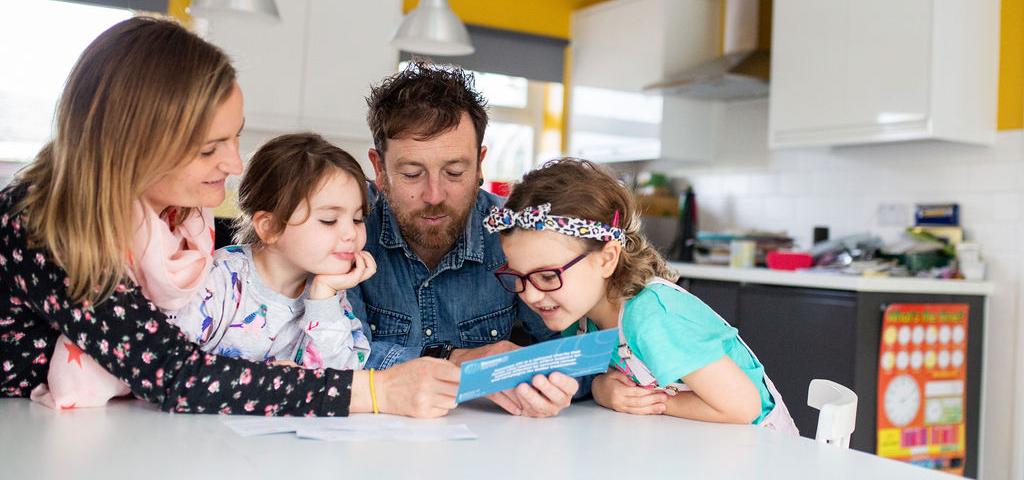
Sharing metadata
| og:url | https://sarcoma.org.uk/ |
|---|---|
| og:type | website |
| og:image | https://sarcoma.org.uk/wp-content/uploads/2022/01/Gift-in-will.jpg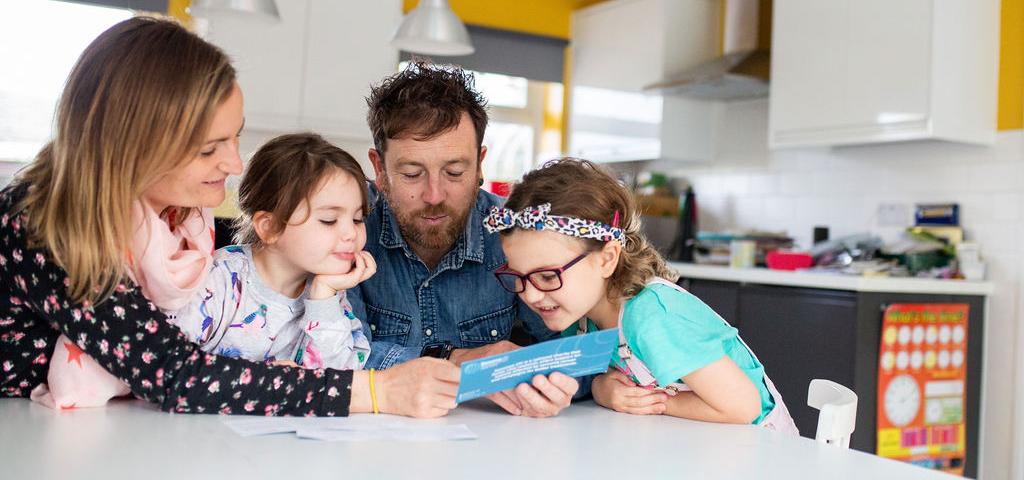 |
| og:title | Sarcoma UK | Information, Support and Research |
| og:locale | en_GB |
| og:site_name | Sarcoma UK |
| og:image:type | image/jpeg |
| og:description | Sarcoma UK is the national sarcoma charity, providing information, support and funding research for people affected by sarcoma. |
| og:image:width | 1024 |
| og:image:height | 480 |
| twitter:card | summary_large_image |
| twitter:site | @Sarcoma_UK |
| twitter:title | Home |
robots.txt (opens in a new tab)
9 rulesAll bots 0 allowed · 4 disallowed

 All bots

/*?form=donate/*?member=/*?fundraiser=/*?element=
ahrefsbot 0 allowed · 1 disallowed
/
semrushbot 0 allowed · 1 disallowed
/
mj12bot 0 allowed · 1 disallowed
/
moz 0 allowed · 1 disallowed
/
rogerbot 0 allowed · 1 disallowed
/
No matching rules.
Sitemaps
1 Registration details RDAP / WHOIS
| Registrar | Gandi |
|---|---|
| Registered | 2000-06-19 |
| Expires | 2029-06-19 |
| Domain status | active |
| Nameservers | ns-111-b.gandi.net、ns-157-c.gandi.net、ns-194-a.gandi.net |
| DNSSEC | unsigned |
 DNS records
| Type | Name | Value | TTL | Priority |
|---|---|---|---|---|
| A | sarcoma.org.uk | 50.6.194.162 | 900 | — |
| MX | sarcoma.org.uk | sarcoma-org-uk.mail.protection.outlook.com | 10800 | 0 |
| NS | sarcoma.org.uk | ns-111-b.gandi.net | 10800 | — |
| NS | sarcoma.org.uk | ns-157-c.gandi.net | 10800 | — |
| NS | sarcoma.org.uk | ns-194-a.gandi.net | 10800 | — |
| TXT | sarcoma.org.uk | anthropic-domain-verification-yyn656=Cntjdl4WWdFP7ReZfMRbDrKVr | 10800 | — |
| TXT | sarcoma.org.uk | apple-domain-verification=9XfX8-alcsX4AL4H2j8POWoTVQegqKFrKRaKKL85qdw | 10800 | — |
| TXT | sarcoma.org.uk | apple-domain-verification=SEysvUPM5QAxLkGY | 10800 | — |
| TXT | sarcoma.org.uk | canva-site-verification=XLwHcqNZHrIltELj_igSdQ | 10800 | — |
| TXT | sarcoma.org.uk | google-site-verification=IhxxW2JytIpNvBpUO7ZkDDldnsLdsaMhqxWai_Op8rs | 10800 | — |
| TXT | sarcoma.org.uk | google-site-verification=gQ3t_fGf9PAUivTQK2e9nVBVhQRvan_aiEjWsOm-9-Q | 10800 | — |
| TXT | sarcoma.org.uk | v=spf1 include:spf.protection.outlook.com include:spf-uk.emailsignatures365.com include:outboundmail.blackbaud.net include:_spf.elasticemail.com include:sendgrid.net ip4:50.6.194.162 ip4:195.224.210.133 ~all | 10800 | — |
| DMARC | _dmarc.sarcoma.org.uk | v=DMARC1; p=none; | 300 | — |
 TLS and certificates
| Assessment | Normal configuration |
|---|---|
| Supported protocols | TLSv1.2、TLSv1.3 |
| Negotiated protocol | TLSv1.3 |
| Certificate subject | sarcoma.org.uk |
| Issuer | Let's Encrypt |
| Valid until | 2026-11-02T20:16 · Remaining when checked: 36 days |
| Verification details | Certificate trust: Passed · Hostname match: Passed |
 HTTP response headers
| Header | Value |
|---|---|
| content-type | text/html; charset=UTF-8 |
| cache-control | must-revalidate |
| server | nginx |
 Identified technologies
Recent Updates
- Website images
- Screenshots
- Network details
- Website Technologies
- Pages and Search Information
- HTTP Response Information
- TLS and certificates
- DNS Information
- Domain Registration
- Website profile
- Website Description
- Website Name
- Website profile
- Website Description
- Website Name
User reviews (0)