
 简体中文
简体中文 English
Website review
This review may include AI-generated content and is not individually verified. Domain, certificate and other facts come from the observed data on this page.
What is Alpine Academy?
Alpine Academy is a residential treatment facility and therapeutic boarding school for teenagers in Utah. It combines clinical therapy with accredited academics on a single campus, so students live there while receiving mental health treatment and attending school. Its stated focus is the health, safety, and well-being of students, with separate campuses for females and males: Mountain View Campus and Lakeview Campus.
What it offers
- Therapy and clinical care: An evidence-based treatment model delivered by therapists, with the program reporting a 95% positive parent feedback rating and an 85% positive student rating.
- Academics: An accredited alternative high school with small class sizes, individualized academic plans, and teachers dual-endorsed in their content area and special education.
- Additional programming: Equine therapy and a robust curriculum, positioned as part of students' educational and therapeutic progress.
- Parent involvement: The RISES Dashboard lets parents track milestones and follow their child's progress in real time.
- Accreditation recognition: Alpine Academy received Cognia's School of Distinction award for 2021, described as Cognia's highest honor and extended to 80 of 36,000 accredited schools.
Who it is for
Families considering a therapeutic boarding school or residential treatment center for a teenager who needs structured, around-the-clock support alongside continued education. The campus is about 20 minutes from Salt Lake City International Airport and 30 minutes from downtown Salt Lake City, which matters for families planning regular visits.
A practical next step
Before inquiring, write down your child's specific needs — therapy goals, academic level, and any special education requirements — then ask the admissions team how the treatment model and academic plan would address each one. If you want to compare options, look at other accredited therapeutic programs such as Cedar Ridge Academy or general accreditation information at Cognia.
How do I know if Alpine Academy is the right residential treatment facility for my teenager?
Start with fit, not reputation: Alpine Academy is built for families who need a residential treatment center and therapeutic boarding school combined, where a teenager lives on campus, attends an accredited alternative high school, and receives clinical therapy in the same setting. If your child mainly needs outpatient counseling or a standard day school with extra support, this level of care may be more than necessary.
Signs it may be the right fit
- Your teenager needs 24/7 structure and supervision, not just weekly appointments.
- Previous outpatient therapy, school accommodations or shorter programs have not been enough to stabilize things.
- You want treatment and academics handled together, rather than shuttling between a therapist and a separate school.
- You are willing to be an active participant. Alpine describes a RISES Dashboard that gives parents real-time visibility into progress, plus campus visits — this model assumes family involvement, not drop-off care.
- You want an evidence-based treatment model and an accredited academic program. Alpine states its teachers are dual-endorsed in their content area and special education, and its therapists report a 95% positive parent feedback rating and 85% positive student rating.
Practical trade-offs to weigh
Alpine runs separate campuses — Mountain View for females and Lakeview for males — which may matter if your child does better in a single-gender milieu. The campus is about 20 minutes from Salt Lake City International Airport and 30 minutes from downtown Salt Lake City, so distance from home is a real factor for family visits and eventual transitions.
Residential placement also means your teenager steps away from their local school, friends and home routines for a period of time. That can be exactly the reset some families need, but it is a significant disruption, and the quality of the fit matters more than the length of stay.
A useful next step
Before deciding, write down three things: the specific behaviors or symptoms you want addressed, what previous supports have already been tried, and what your teenager will return to — school, community and home environment. Then ask Alpine directly how its clinical team would assess those needs, how progress is measured on the RISES Dashboard, and what family involvement is expected.
For context on residential treatment and therapeutic boarding options, you can also review NATSAP and AACAP.
What is the daily life and therapy like for students at Alpine Academy?
Daily life at Alpine Academy blends a structured residential routine with school, therapy, and campus activities. The program is described as a residential treatment facility and therapeutic boarding school for teens, with separate campuses for females and males. Students attend small classes taught by teachers dual-endorsed in their subject area and special education, and they follow individualized academic plans. Therapy is presented as evidence-based, with equine therapy named as part of the program. Parents are kept involved through the RISES Dashboard, which tracks milestones and progress, and students can share their own experiences through the site’s student testimonials.
What a typical day likely includes
- Academics: Small, individualized classes rather than a standard large-school schedule.
- Therapy: Evidence-based treatment, with equine therapy included among the options.
- Residential structure: A supervised campus environment designed to support healing and safety.
- Progress tracking: Parents can follow milestones and breakthroughs through the RISES Dashboard.
- Campus setting: The Utah location is about 20 minutes from Salt Lake City International Airport and 30 minutes from downtown Salt Lake City, which matters for family visits.
How to judge whether this fits your child
The useful question is not whether the campus sounds peaceful, but whether the level of structure matches your teen’s needs. A student who needs strong therapeutic support and a smaller academic setting may benefit from the combination of treatment and school. A teen who mainly needs academic acceleration without residential care would likely find this environment more intensive than necessary.
Before deciding, ask the admissions team concrete questions: How many hours of individual therapy and group therapy happen each week? How are therapy goals set and reviewed? What does a school day look like from morning to lights-out? How often can parents visit or call? For a broader comparison of residential and therapeutic school options, you can also review California Department of Education for general guidance on nonpublic school placements, or NATSAP for a directory of therapeutic programs and schools.
How can parents stay involved in their child's treatment at Alpine Academy?
Parents stay involved at Alpine Academy mainly through structured communication, campus visits, and the school's RISES Dashboard, which the program describes as giving parents real-time insight into their child's progress, milestones, and breakthroughs. The page also frames family involvement as part of the culture — "we're like family here" — and quotes a parent describing the experience of being seen and understood, which suggests the program positions parents as participants rather than spectators. Note that the specific mechanics (call schedules, therapy participation, visit rules) are not detailed on the page, so confirm them directly with admissions.
Practical ways involvement tends to work
- Progress tracking: The RISES Dashboard is the page's headline parent tool. Expect it to be a window into goals and milestones rather than a substitute for conversations with your child's therapist.
- Visits: The campus is about 20 minutes from Salt Lake City International Airport and 30 minutes from downtown Salt Lake City, which the page presents as making in-person visits convenient. Families often pair a visit with time in the city.
- Two campuses: Mountain View Campus serves females and Lakeview Campus serves males, so visit logistics depend on your child's placement.
- Therapy and academics: Therapists report high parent feedback ratings, and teachers are dual-endorsed in their content area and special education. Parent involvement typically includes participating in treatment planning and academic updates, not just social contact.
A realistic scenario
Suppose your child is admitted in the fall. In the first weeks, you would likely rely on the dashboard and scheduled therapist calls to understand the treatment plan, then plan a first visit timed around a flight into Salt Lake City. Over months, your role shifts from monitoring to reinforcing skills at home during and after discharge — which is where family therapy and parent coaching matter most.
Decision criteria
Ask three questions before enrolling: How often will I speak with my child's therapist, and in what format? What exactly does the dashboard show, and who updates it? What does the program require of parents — therapy participation, letters, visit frequency — for the treatment to work as designed? If the answers are vague, that is a signal to look further.
For comparison, you can review other accredited programs such as National Association of Therapeutic Schools and Programs or learn about academic accreditation through Cognia, which recognized Alpine Academy with a School of Distinction award.
What types of therapy and academic programs does Alpine Academy offer?
Alpine Academy is a residential treatment center and therapeutic boarding school for teens in Utah, combining clinical therapy with accredited academics on a single campus. Its stated model is evidence-based, and its academic program is described as an alternative high school with small class sizes and individualized academic plans. The campus is split into a Mountain View campus for females and a Lakeview campus for males.
Therapy and support
- Therapists work with students on emotional and behavioral health within a residential setting, where the stated first priority is health, safety and well-being.
- Equine therapy is named as part of the program, alongside the clinical therapy students receive.
- Parents stay involved through the RISES Dashboard, which the site describes as tracking milestones and progress in real time — useful for families who live far away and cannot visit often.
- The site reports a 95% positive parent feedback rating for therapists and an 85% positive rating from students. These are the provider's own figures, so treat them as a starting point for questions rather than independent proof.
Academic program
- Teachers are described as dual-endorsed in their content area and special education, which matters for students who have fallen behind or need learning accommodations alongside treatment.
- The curriculum is presented as robust, with individualized plans rather than a single fixed track.
- Alpine Academy states it is accredited and received Cognia's School of Distinction award for 2021, described as Cognia's highest honor and extended to 80 of 36,000 accredited schools.
How to judge fit
Therapy and school are delivered together, so the practical question is whether a teen needs full residential care or could manage in a less restrictive setting such as a day program or outpatient therapy. Families weighing this option should ask how often individual, group and family therapy occur, how academic credits transfer back to a home school, and how equine therapy is integrated into the treatment plan rather than offered as an add-on.
As a next step, compare the program's structure with other accredited options, for example Cognia for accreditation verification or NATSAP for member schools, and ask Alpine Academy directly how a student's specific diagnosis, grade level and credit history would shape their plan.
What is the admissions process and cost for Alpine Academy?
Alpine Academy does not lay out its admissions steps or tuition on the page summarized here, so the honest answer is: the process and cost are arranged directly with the school rather than published as a fixed public checklist or price. What the page does establish is the setting and the fit criteria you would be evaluating during admissions.
What the page supports
- It is a residential treatment center and therapeutic boarding school for teens in Utah, with separate campuses: Mountain View for females and Lakeview for males.
- It describes an evidence-based treatment model, accredited academics, teachers dual-endorsed in content areas and special education, small class sizes, individualized academic plans, and equine therapy.
- It cites parent and student feedback ratings and a Cognia School of Distinction award.
- It mentions a RISES Dashboard that gives parents real-time insight into their child's progress.
- It notes the campus is about 20 minutes from Salt Lake City International Airport and 30 minutes from downtown Salt Lake City, which matters for visit planning.
How admissions typically works at this kind of program
Treat this as general advice, not a description of Alpine's actual steps: families usually start with an inquiry call, then a clinical and academic records review, an interview or campus visit, a determination of whether the program can meet the teen's needs, and enrollment paperwork. Cost is usually quoted individually because length of stay, level of care and therapeutic services vary. Ask specifically about tuition, therapy fees, academic fees, insurance or out-of-network reimbursement, payment plans, and what happens if the recommended stay is extended.
A practical next step
Before you call, write down your teen's current diagnoses, medications, school supports and prior treatments, then ask three questions: what is the typical length of stay, what is the all-in monthly cost, and which costs insurance may cover. For comparison, other well-known Utah programs in this category include Utah.com listings and NATSAP, the national association of therapeutic schools and programs, which can help you verify accreditation and membership.
 Cloudflare
 Google Workspace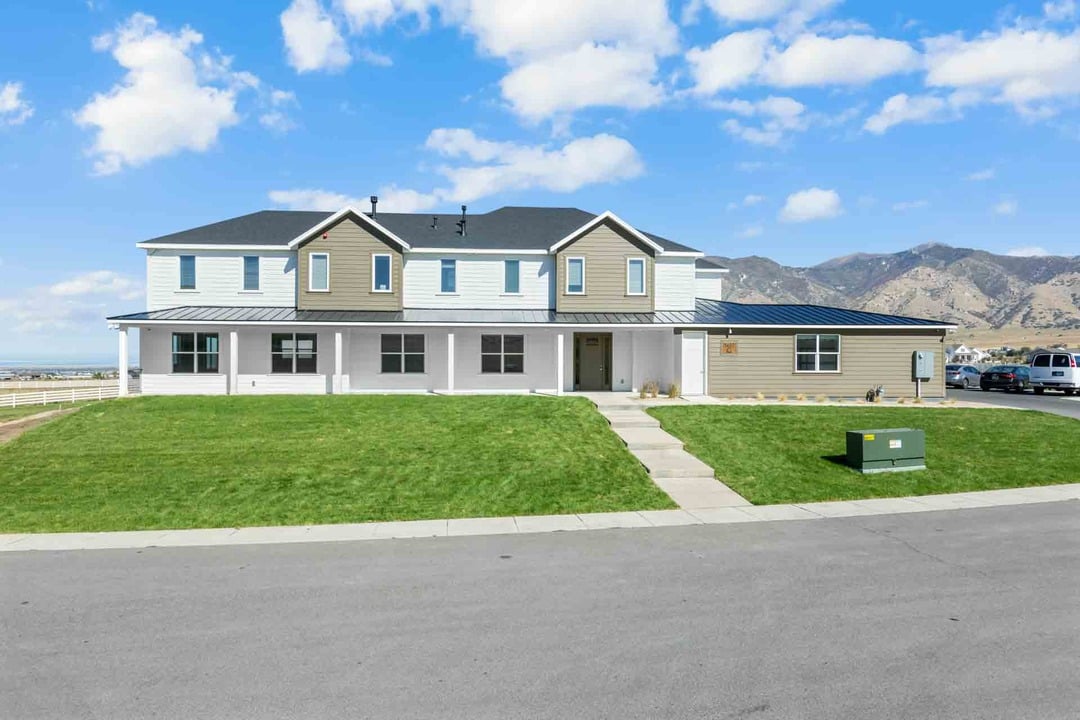
User reviews (0)