
 简体中文
简体中文 English
Website review
This review may include AI-generated content and is not individually verified. Domain, certificate and other facts come from the observed data on this page.
What is Baby Nurses America?
Baby Nurses America is the national baby-nurse placement division of Absolute Best Care, a New York–area nanny agency that has operated since 2002. It places newborn care specialists — often called baby nurses — with families across the country, offering 24-hour care as well as day and night-shift placements. According to its site, it has served more than 10,000 families and works with singletons, multiples, and premature infants.
What the service covers
- 24-hour or shift-based care — families can reserve round-the-clock coverage or day/night nurses, depending on their needs.
- Matching by goals, not just due date — the agency says it uses a questionnaire and conversation to hand-pick a specialist for each family's situation, rather than sending the next available nurse.
- Screening — face-to-face interviews, reference checks, and criminal background checks are described as standard.
- Parent education — duties listed include infant care, breastfeeding support, sleep training, and scheduling guidance for new and experienced parents.
- Post-hire support — help drafting a work agreement, finalizing an offer, and ongoing advice after placement.
Who it suits
First-time parents who want hands-on guidance, families with twins or premature babies needing extra hands, and experienced parents who want night coverage so they can sleep. The trade-off of an agency model is cost and lead time: you pay for vetting and matching, and popular due dates may book early. Families who already have a trusted referral may not need that layer.
Next step: If you're considering it, contact the agency with your due date, location, and whether you want 24-hour or night-only care, and ask how far ahead to reserve. Compare that against local independent newborn care specialists, who may cost less but typically come without agency screening or backup coverage.
How do I reserve a baby nurse for my newborn's due date?
Start by contacting Baby Nurses America before your due date, not after the baby arrives. The site presents itself as a national baby nurse placement division that matches families with 24-hour, day, or night nurses based on a required questionnaire, so the reservation process begins with that intake conversation rather than a simple calendar booking.
What the reservation likely involves, based on the site
- You share your due date, location, and care needs (singleton, multiples, or premature infant).
- The agency uses a questionnaire to understand your goals, experience level, and schedule.
- They hand-pick a newborn care specialist rather than assigning the next available nurse.
- After you hire, they say they help you create a work agreement and finalize your offer.
Practical steps for a smooth reservation
- Inquire several months before your due date, especially for 24-hour care.
- Be specific about whether you want day, night, or round-the-clock coverage.
- Ask what happens if your delivery date shifts.
- Clarify the nurse's duties: infant care, scheduling, sleep training, and breastfeeding support are listed as typical.
- Confirm screening details: face-to-face interviews, reference checks, and criminal background checks are stated.
A concrete scenario
If you are a first-time parent in New York, New Jersey, or Connecticut expecting twins, you would contact the agency early, complete the questionnaire, and discuss whether a 24-hour nurse or a night nurse fits your budget and recovery plan. The agency's stated strength is matching based on your goals, so the more detail you give, the better the fit.
For broader context on newborn care options, you can compare approaches with Baby Nurses America and general parenting resources, but the reservation itself runs through this agency's intake process.
What tasks do baby nurses perform for twins or premature infants?
Baby Nurses America describes its baby nurses as handling infant care, education and scheduling, with 24-hour as well as day and night-time placements, and it says it places specialists for singletons, multiples and premature infants. For twins or preemies, expect the same core duties as for a single newborn, but with more hands-on time and closer coordination with parents.
Typical tasks for twins or premature infants
- Feeding support: helping with breastfeeding, bottle feeding and, for preemies, whatever feeding plan the pediatrician has set, including paced feeding and tracking intake.
- Sleep and scheduling: working toward a sustainable routine, which is often the hardest part with two babies or a baby who needs to feed frequently.
- Newborn care: diapering, bathing, soothing, and safe-sleep practices.
- Monitoring and reporting: watching for feeding or breathing concerns and keeping parents informed, especially important with premature infants.
- Parent education: teaching techniques for feeding, calming and sleep so parents can manage after the nurse leaves.
- Overnight care: night nurses let parents recover, which matters more when there are two infants or a medically fragile one.
What to ask before booking
- Experience with multiples and with premature infants specifically, not just newborns.
- Whether the nurse works alongside parents or takes over entirely, and how night shifts are structured.
- How feeding decisions are made: who follows the pediatrician's plan and how it is documented.
- Whether the agency helps with a work agreement and ongoing support after placement, which this agency says it provides.
Practical next step Write down your baby's specific needs — feeding method, any medical follow-up, and the hours you want covered — then use that list when you contact the agency through its site, Baby Nurses America. If you are also comparing national options, Care.com lists caregivers by location, but verify newborn and premature-infant experience directly rather than relying on a profile.
How does Baby Nurses America screen and match baby nurses to my family's needs?
Baby Nurses America describes a two-part process: a detailed screening stage for each baby nurse, and a matching stage based on what your family says it wants.
Screening, as the agency describes it
- Face-to-face interviews
- Thorough reference checks
- Complete criminal background checks
- A claim that it places only “the highest qualified and skilled” baby nurses, including for first-time and experienced parents
Matching, as the agency describes it
- It says most agencies simply reserve the next available specialist by due date; it presents itself as different by hand-picking newborn care specialists around your goals and needs.
- It uses communication with you plus a required questionnaire to define those goals.
- It then selects a match by considering your specific circumstances and what you hope to accomplish by having a baby nurse in your home.
What this means in practice The screening list is concrete and checkable. The matching claim is more about method than a published formula: there is no stated scoring system, no stated number of candidates you review, and no stated policy on interviews or trial periods. If those details matter to you, treat them as questions to ask rather than assumptions.
A useful next step Before you reserve, write down your non-negotiables — for example, overnight-only versus 24-hour coverage, multiples or premature-infant experience, breastfeeding support, sleep-training approach, and whether you want to interview candidates yourself. Then ask the agency how the questionnaire captures each one and what happens if the first match is not right.
For context on how other agencies present screening and matching, you can compare Baby Nurses America with Care.com or Adventures in Nannying, but note that the specific screening steps above come from Baby Nurses America’s own description.
What are the costs and payment options for hiring a baby nurse?
Baby Nurses America does not publish rates or payment methods on the page provided. The site describes its service as a nationwide baby nurse placement agency offering 24-hour, day, and night placements, but the page_evidence contains no pricing signals, no fee schedule, and no payment platforms. So any dollar figure you see elsewhere should be treated as a general market estimate, not this agency's quote.
What typically drives the cost
Baby nurse pricing is usually quoted as a daily or weekly rate, not an hourly wage, because the work is live-in or overnight. The main variables:
- Coverage pattern — 24-hour live-in care costs more per day than a night nurse who works a 10–12 hour overnight shift.
- Number of infants — twins, triplets, or a premature baby in the NICU generally carry a higher rate.
- Experience and credentials — a certified newborn care specialist or lactation consultant commands more than a general infant caregiver.
- Duration and location — a two-week booking in a major metro area differs from a six-week booking elsewhere; travel and lodging may be added outside the agency's home region.
- Agency vs. direct hire — going through a placement agency usually adds a placement fee on top of the nurse's pay, but includes screening, matching, and backup support.
Payment options to ask about
Because this page lists none, ask the agency directly before you reserve:
- Is the nurse paid by you (the family) as a household employee, or does the agency handle payroll?
- Is there a separate placement or registration fee, and is it refundable if the match fails?
- What deposit is required to hold a due date, and when is the balance due?
- Are overtime, holidays, and travel expenses billed separately?
- Which payment methods are accepted — check, bank transfer, credit card, or a payroll service?
A practical next step
Treat cost as a total engagement figure, not a rate. For a two-week, 24-hour placement, estimate: nurse's weekly rate × weeks + agency placement fee + travel/lodging if applicable + payroll taxes if you employ the nurse directly. Ask Baby Nurses America for that itemized total in writing, along with the cancellation and replacement policy, before you pay a deposit.
For comparison shopping, you can also look at how other placement agencies structure fees, such as Care.com for general caregiver rates or International Nannies for placement-fee models.
Can I get breastfeeding support and sleep training from a baby nurse?
Yes. Baby Nurses America explicitly lists breastfeeding support and sleep training among the services its baby nurses provide, along with infant care and scheduling guidance. The agency frames the nurse's role as partly educational: helping parents understand feeding and sleep routines rather than simply covering night wakings.
What that looks like in practice
- Breastfeeding support: A baby nurse can help with positioning and latching, pacing feeds, and supporting a pumping or combination-feeding routine. This is practical, in-home help — not a substitute for a lactation consultant or physician when there are clinical concerns such as poor weight gain, suspected tongue-tie, or mastitis.
- Sleep training: Expect help establishing day/night differentiation, age-appropriate wake windows, and a consistent wind-down routine. For a newborn, this is usually gentle rhythm-building; formal sleep training typically starts later, and a good nurse will tell you when your baby is ready rather than pushing a method.
- Scheduling and education: The agency describes its nurses as guiding new and experienced parents through infant care and scheduling, which is useful if you want to learn the routine yourself rather than hand it off entirely.
How to decide what to book
| Your situation | Likely fit |
|---|---|
| First-time parents, want hands-on coaching while recovering | 24-hour or overnight nurse for the first weeks |
| Breastfeeding is going well but nights are brutal | Night nurse; keep daytime feeds yourself to protect supply |
| Specific feeding pain or slow weight gain | Baby nurse plus a lactation consultant or pediatrician |
| You want one consistent method taught to both parents | Ask that the same nurse stay on and brief your partner |
Because the agency says it matches nurses to your goals and questionnaire rather than sending whoever is free, be specific at intake: state that you want breastfeeding support and sleep guidance, name any method you prefer or want to avoid, and ask what training and recent experience the proposed nurse has in those two areas.
 OVH SAS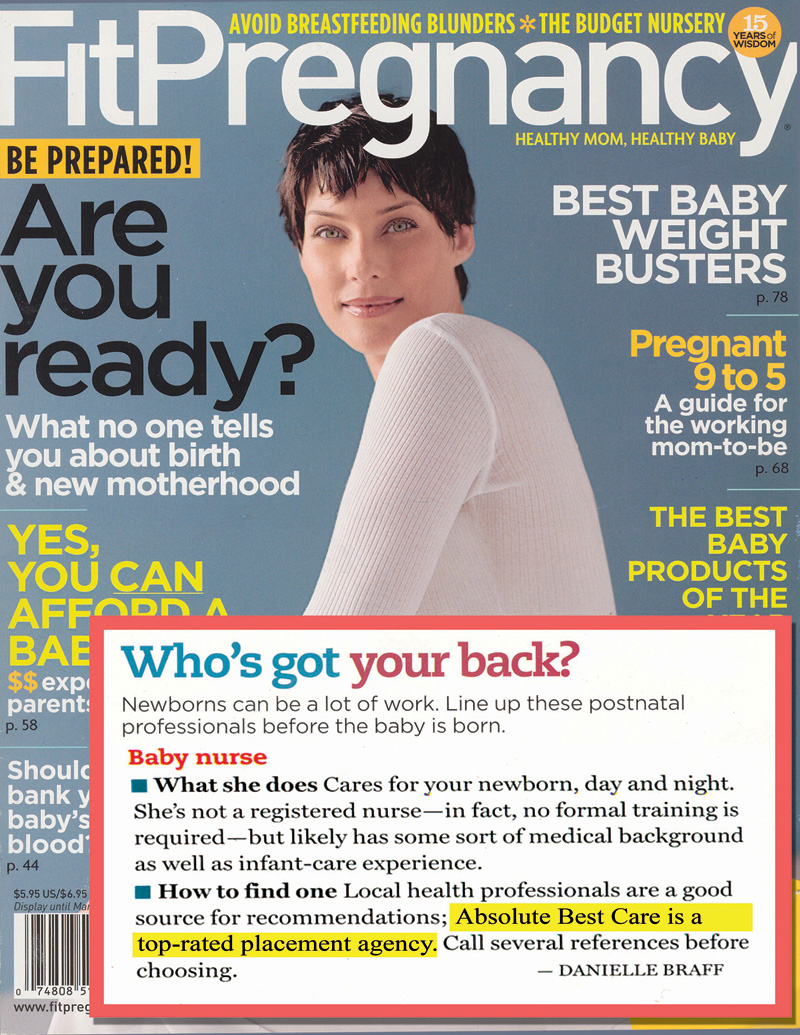
User reviews (0)