
 简体中文
 English

Website review
This review may include AI-generated content and is not individually verified. Domain, certificate and other facts come from the observed data on this page.
What is East Gwillimbury Veterinary Hospital?
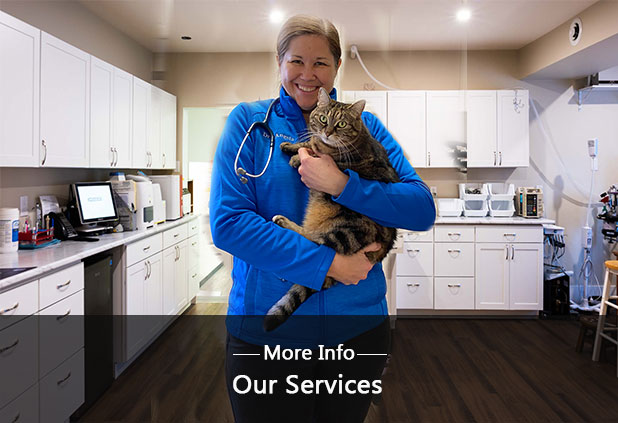
East Gwillimbury Veterinary Hospital is a companion-animal veterinary practice in York Region, Ontario, serving pet owners in Mount Albert, Sharon, Queensville, Newmarket, Georgina, Keswick, Sutton, Uxbridge, Stouffville and the surrounding Durham Region communities. Its site presents it as a full-service clinic focused on making routine visits comfortable for both pets and owners, with appointments booked through the reception desk.
What the hospital offers
The services described on the homepage fall into three main areas:
- Wellness examinations and vaccinations — annual nose-to-tail physical exams intended to catch subtle health changes early.
- Surgery and anesthesia — elective and emergency soft-tissue and orthopedic procedures, with complete anesthetic monitoring throughout each procedure.
- Dentistry — dental cleanings, surgical extractions and full-mouth dental x-rays, noting that more than 85% of cats and dogs have dental disease by age 3.
The site also indicates that a broader service list is available, and it publishes a COVID-19 policy for visitors.
Who it suits
This is a general-practice option for dog and cat owners who want preventive care, dentistry and surgical services coordinated at one clinic, rather than a referral-only specialist center. Someone in Newmarket or Sharon looking for a single practice to handle a puppy's vaccinations, a senior cat's dental cleaning and a later soft-tissue procedure would find the scope relevant. Owners seeking advanced specialty care, exotic-animal medicine or 24-hour emergency service should confirm availability directly, since the homepage does not describe those.
A practical next step
Before booking, call reception with three questions: whether the clinic treats your species, how it handles after-hours emergencies, and what a first wellness visit involves for your pet's age. For a new puppy or kitten, ask which vaccinations are due and when; for an older pet, ask whether dental x-rays and bloodwork are part of the initial assessment.
How do I book an appointment at East Gwillimbury Veterinary Hospital?
Contact the hospital's reception desk to book an appointment. The clinic's site directs pet owners to call or use its contact option rather than offering online self-scheduling, and it specifically asks clients to book through reception so the team can help efficiently at the next visit. Use the contact details on East Gwillimbury Veterinary Hospital to reach the front desk.
What to have ready when you call
- Your pet's name, age, species and breed.
- The reason for the visit (annual wellness exam, vaccination, dental concern, surgery consultation, or something urgent).
- Your preferred days and times, plus a backup option.
- Your pet's vaccination history and any medications, especially for a first visit.
- Whether your pet is anxious or reactive, so the team can plan the appointment accordingly.
Choosing the right type of appointment
The hospital lists wellness examinations and vaccinations, surgery and anesthesia, and dentistry among its services. If you are unsure whether a concern needs a full exam or a dental or surgical consultation, describe the symptoms when you call and let reception guide you. For anything that seems urgent, say so up front rather than booking a routine slot.
The hospital serves clients across the York and Durham Regions, including Mount Albert, Sharon, Queensville, Newmarket, Georgina, Keswick, Sutton, Uxbridge and Stouffville, so mention your location if you are choosing between nearby clinics.
Which communities does East Gwillimbury Veterinary Hospital serve?
East Gwillimbury Veterinary Hospital serves clients across the York and Durham Regions of Ontario. Its homepage names Mount Albert, Sharon, Queensville, Newmarket, Georgina, Keswick, Sutton, Uxbridge and Stouffville as surrounding communities it serves, and it describes that list as including but not limited to nearby areas, so it is not a strict boundary.
For a practical next step, if you live near the edge of that list—say in Aurora, Bradford or another nearby town not named—call the reception desk before booking. The site asks clients to book appointments through reception, and confirming catchment and appointment availability is quicker than assuming service based on proximity. If you are choosing between clinics, weigh travel time for routine wellness visits against how close you would be in an emergency, since the hospital advertises both elective and emergency surgery.
What should I expect during my pet's first wellness exam and vaccination visit?
Expect a full nose-to-tail physical examination, a conversation about your pet's history and lifestyle, and any vaccinations that are due — all in one appointment. East Gwillimbury Veterinary Hospital describes its wellness visits this way: an annual physical exam is "one of the best ways to keep your pet healthy," and thorough exams help detect subtle changes in health early. The hospital serves pet owners across York and Durham Regions, including Mount Albert, Sharon, Queensville, Newmarket, Georgina, Keswick, Sutton, Uxbridge and Stouffville, and asks clients to book through its reception desk so visits run efficiently East Gwillimbury Veterinary Hospital.
What typically happens, step by step
- History and questions. Bring notes on diet, activity, behaviour changes, past vaccines and any medications. For a first visit, bring previous records if you have them.
- The physical exam. The vet checks eyes, ears, mouth and teeth, skin and coat, heart and lungs, abdomen, joints and weight. For puppies and kittens, expect more emphasis on development and vaccine timing.
- Vaccination planning. Which vaccines your pet receives depends on species, age and lifestyle — indoor versus outdoor, boarding, travel, contact with other animals. Ask which are core versus lifestyle-based for your pet.
- Preventive care talk. Flea, tick and parasite prevention, dental care and nutrition usually come up here.
- Next steps. You should leave with a vaccination schedule, a reminder date, and a clear sense of what to watch for at home.
How to prepare
- Bring your pet hungry if treats are used for rewards, and use a carrier or leash.
- Write down three questions in advance; first visits go quickly.
- Ask for a written record of vaccines and weights so you can track trends.
- Confirm the clinic's current visit policy before arriving, since the hospital's site references a Covid-19 policy.
A practical decision criterion
If your pet is a puppy or kitten, prioritize a visit that sets the full vaccine series and a weight baseline. If your pet is an adult with no records, treat the first exam as a baseline: ask the vet to note dental health and body condition, since the hospital points out that more than 85% of cats and dogs have dental disease by age 3. That single note gives you a comparison point for every annual exam after.
How does the hospital handle surgery and anesthesia monitoring for pets?
East Gwillimbury Veterinary Hospital states that it performs elective and emergency soft tissue and orthopedic surgeries, and that all patients receive complete anesthetic monitoring throughout their procedure. The site does not detail the specific monitoring equipment, the anesthetic protocol, or who is assigned to watch the patient during surgery, so those particulars would need to be confirmed with the clinic directly.
What the page does say
- Surgical scope: Both elective and emergency procedures, covering soft tissue and orthopedic cases.
- Anesthesia safety claim: Continuous monitoring for every patient for the full duration of the procedure.
- Related care: Separate dental services include cleanings, surgical extractions and full-mouth dental x-rays — useful if your pet's procedure is dental rather than orthopedic.
Practical next step
If your pet is scheduled for surgery, ask the reception desk three concrete questions before the appointment: what monitoring is used (for example, blood pressure, ECG, capnography or pulse oximetry), whether a dedicated staff member is assigned to anesthesia, and what pre-anesthetic bloodwork is required. For a senior pet or a breed with known anesthesia sensitivity, these answers matter more than the general "complete monitoring" phrasing on the homepage.
The hospital serves pet owners across the York and Durham Regions, including Mount Albert, Sharon, Queensville, Newmarket, Georgina, Keswick, Sutton, Uxbridge and Stouffville, so proximity for drop-off and post-operative pickup is worth weighing alongside the surgical services. Appointments are booked through the reception desk at East Gwillimbury Veterinary Hospital.
When should I consider dental cleaning or extractions for my cat or dog?
Consider dental cleaning when your cat or dog shows signs of periodontal disease or has not had a professional dental assessment in about a year; consider extraction when a tooth is too damaged or infected to be saved. East Gwillimbury Veterinary Hospital's site notes that more than 85% of cats and dogs have dental disease by age 3, and lists dental cleanings, surgical teeth extractions and full-mouth dental x-rays among its services East Gwillimbury Veterinary Hospital. That is a useful prompt to book a dental exam rather than a diagnosis: the decision should follow an oral examination and imaging, not a guess from bad breath alone.
Signs that warrant a dental exam soon
- Persistent bad breath, drooling, or pawing at the mouth
- Red, swollen or bleeding gums; visible tartar
- Chewing on one side, dropping food, or reluctance to eat hard food
- Loose, broken or discoloured teeth
- Facial swelling or a sudden change in eating or behaviour (seek care promptly)
Cleaning versus extraction
| Situation | Typical direction | What to expect |
|---|---|---|
| Tartar and gingivitis, teeth structurally sound | Cleaning under anesthesia, with x-rays | Scaling and polishing; some patients need follow-up care |
| Deep periodontal pocket or bone loss around a tooth | Cleaning plus possible extraction | X-rays guide whether the tooth can be saved |
| Fractured tooth with exposed pulp, or a tooth causing pain | Extraction or referral for advanced care | Pain relief and infection control first |
| Stubborn baby teeth or crowded teeth | Extraction may be advised | Prevents trapping of food and misalignment |
Practical decision points
Ask whether full-mouth x-rays are taken before extraction decisions, since much disease sits below the gumline. Ask how anesthesia monitoring is handled, because the hospital states that all surgical patients receive complete anesthetic monitoring throughout their procedure East Gwillimbury Veterinary Hospital. For an older pet or one with a heart condition, ask what pre-anesthetic bloodwork and adjustments are recommended.
Your next step: book a dental examination and request an estimate covering exam, x-rays, cleaning and the possible cost of extractions, so you can decide with a clear picture. If your pet is in pain, has facial swelling, or has stopped eating, treat it as urgent rather than waiting for a routine slot.
 Google Cloud DNS
 Google Workspace
 Toronto, Ontario, Canada
User reviews (0)