
 简体中文
 English
Website review
This review may include AI-generated content and is not individually verified. Domain, certificate and other facts come from the observed data on this page.
What is Ellen Steinbaum known for?
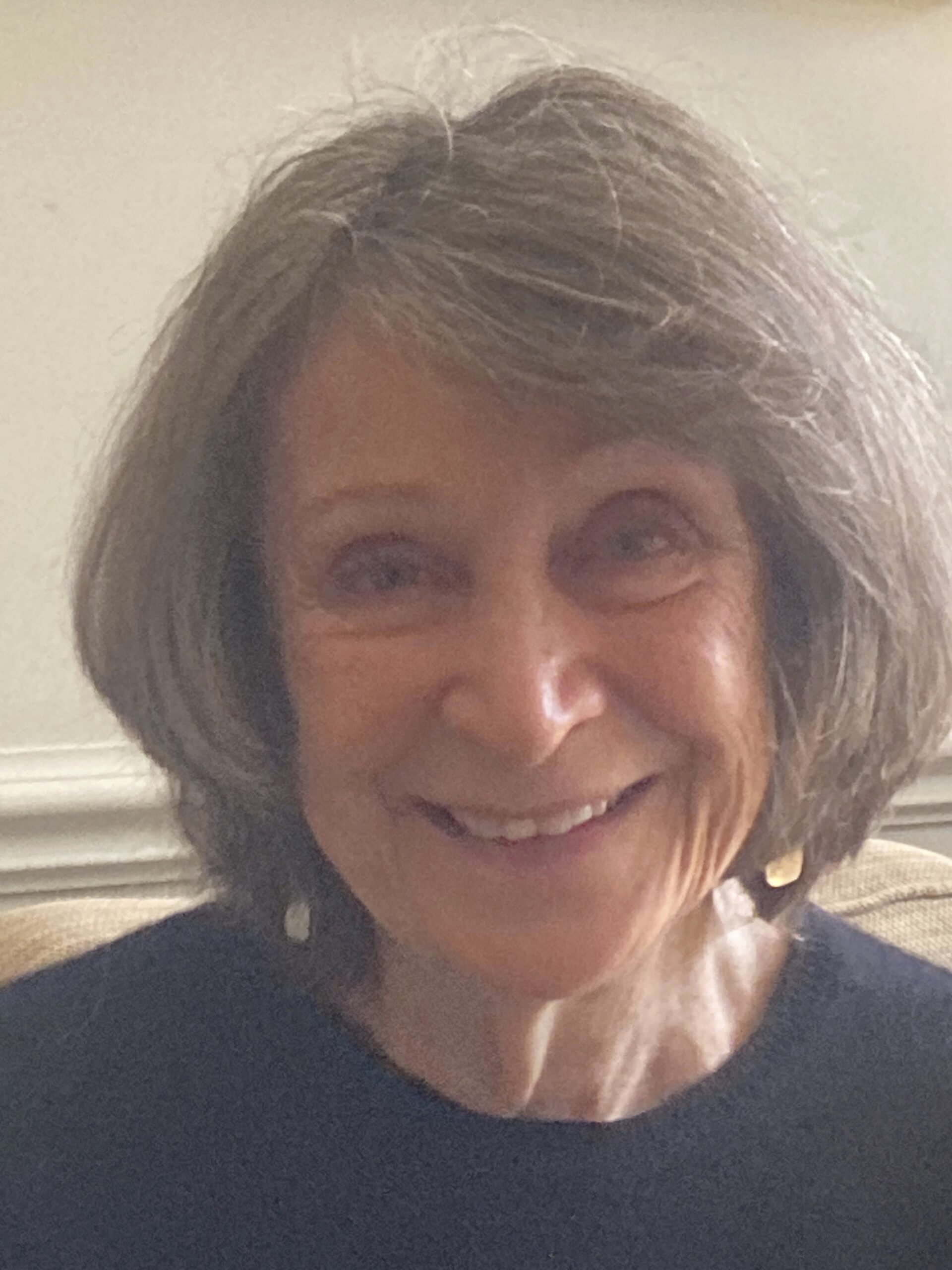
Ellen Steinbaum is a poet and writer, known especially for reflective poetry and essays about memory, family, aging and the ordinary moments that connect public and private life. Her site presents her as the author of several poetry collections and as a reader at literary venues.
What her work centres on
Her homepage describes her recent book Leavings as being about living "not only in this moment, but also in the context of public and private moments of our past and of the future." The poem featured there, "The Intervening Day," is a quiet domestic piece about the unmarked day between a birthday and an anniversary, and the gratitude it invites. That gives a fair sense of her register: accessible, observational, attentive to small rituals rather than grand statement.
Books listed on her site
- Leavings
- This Next Tenderness
- Brightness Falls
- Container Gardening
- Afterwords
Where readers may have encountered her
The site documents readings with the First and Last Word Poetry Series, including one with Mary Bonina and Mark Pawlak, and another with Charles Coe, Mary Bonina and Helena Minton at the Grolier Poetry Bookshop in Cambridge, Massachusetts. It also links an email interview conducted by Doug Holder and a reading hosted by the Stockbridge Public Library.
A practical next step
If you are deciding whether her work suits you, start with the sample poem on her homepage rather than the book list; it is the clearest signal of her voice. Readers who respond to poems built from family occasions and everyday domestic detail are the natural audience. Those looking for formally experimental or politically urgent verse may find the tone gentler than they want. For context on the New England poetry scene she reads within, the Grolier Poetry Bookshop's own site is Grolier Poetry Bookshop.
What is Leavings by Ellen Steinbaum about?
Leavings is Ellen Steinbaum's most recent book, and on her site she frames it around memory and continuity: how we live "not only in this moment, but also in the context of public and private moments of our past and of the future—what is left to us and for us and by us." The title plays on that double sense of things left behind and things left as a legacy. She connects the book's central idea—our interconnectedness—to the Einstein quotation she highlights on the home page, about depending on "the labors of other men, living and dead."
The page also includes a sample poem, "The Intervening Day," about the unmarked day between a partner's birthday and a wedding anniversary—an ordinary day noticed only because it sits between two ritual occasions. That gives a fair sense of the register to expect: domestic, elegiac, attentive to small markers of time.
For a concrete next step, the site's Books section links to a dedicated page for Leavings with more detail; the "Readings and Writings" section lists readings and an email interview that show how she talks about the work in her own voice. Readers who respond to late-life reflection, family history and accessible lyric poetry are the natural audience. If you want a sense of her range before committing, the shorter, lower-priced Afterwords is listed alongside the other titles. Steinbaum's work sits comfortably near other independent Massachusetts poetry circles—the Grolier Poetry Bookshop, where she has read, is at Grolier Poetry Bookshop.
How can I buy Ellen Steinbaum's poetry books and what do they cost?
Ellen Steinbaum's site lists five poetry books at fixed prices: Leavings, This Next Tenderness, Brightness Falls, and Container Gardening at $18.00 each, and Afterwords at $10.00. There is no separate online store or checkout on the site; the books appear as a list on the home page with "Read more" links to individual pages, and PayPal is the only payment signal present. So the practical route is to open the page for the title you want, read its details, and look there for purchase or ordering instructions—the home page itself does not spell out shipping, availability, or how to complete an order.
Choosing among the titles
| If you want… | Start with | Why |
|---|---|---|
| Her most recent work and its themes of memory and legacy | Leavings ($18.00) | The site presents it as her latest book, centered on living in the context of past public and private moments |
| A lower-cost introduction | Afterwords ($10.00) | The least expensive title listed |
| A specific earlier collection | This Next Tenderness, Brightness Falls, or Container Gardening ($18.00 each) | Each has its own detail page to compare subject matter |
A useful next step
Before ordering, open the individual book pages and note whether each one states stock status, shipping cost, or a direct order method; if a page only describes the book, use its contact route to ask about availability and total cost including postage, since the listed prices may not include shipping. Buyers outside the United States should confirm international shipping and currency handling, because PayPal payments can still involve conversion fees. For signed or in-person purchases, her "Readings and Writings" section lists past events at venues such as the Grolier Poetry Bookshop in Cambridge, Massachusetts—useful context, though those events are historical rather than a current sales channel.
Where can I find recordings or write-ups of Ellen Steinbaum's poetry readings?
The most direct place is Ellen Steinbaum's own site, Ellen Steinbaum, where the "Readings and Writings" section gathers links to several of her readings and an email interview.
What the site points to
- First and Last Word Poetry Series: a reading with Mary Bonina and Mark Pawlak, and a separate reading with Neil Silberblatt and Elizabeth S. Wolf.
- Grolier Poetry Bookshop: a reading with Charles Coe, Mary Bonina and Helena Minton — the page notes this one is especially treasured now that Coe has died.
- Stockbridge (Massachusetts) Public Library: a remote-era reading.
- An email interview conducted by Doug Holder.
How to use these
If you are researching Steinbaum's work, start with the Grolier and First and Last Word links: series readings typically include introductions and a range of poems, which give a better sense of her reading voice than a single clip. The Doug Holder interview is the best written source listed for her own comments on the work. For a reader deciding whether to buy Leavings, the site's framing — poems about living in the present while carrying public and private pasts — pairs well with the sample poem "The Intervening Day," a quiet piece about an ordinary day between two celebrations.
A practical next step: check the event pages of the Grolier Poetry Bookshop and the First and Last Word series for archived recordings, since venue sites often keep audio or video that an author's page only links to.
Which of Ellen Steinbaum's poetry collections should I start with?
Start with Leavings, the collection Steinbaum presents on her home page as her most recent book and the one whose themes—living in the present while carrying public and private moments of the past—she describes as central to much of her writing. That makes it the most direct introduction to her current voice and concerns.
If you prefer a shorter, lower-cost entry point, Afterwords is listed at $10 rather than $18, so it works well as a sampler before committing to a full collection.
A quick way to choose
| If you want… | Consider |
|---|---|
| Her most current themes and a sense of her overall project | Leavings |
| A brief, inexpensive first taste | Afterwords |
| To browse her range before deciding | The Books section of Ellen Steinbaum |
Before buying, read the poem excerpted on her site, "The Intervening Day"—it shows her plain, reflective style and whether that register suits you. If it resonates, move on to Leavings; if you want more variety first, sample Afterwords.
What themes does Ellen Steinbaum explore across her poetry books?
Ellen Steinbaum returns most often to memory, time and the way a life is carried in both public and private moments. On her site she describes Leavings as being about how we live "not only in this moment, but also in the context of public and private moments of our past and of the future—what is left to us and for us and by us." That framing—what is left, what is given, what is passed on—runs through her work.
Recurring threads
- Memory and looking back. Her home page opens with the admission that she is "at a point in my life where I do a lot of looking back," and the poems she shares are built from small personal anniversaries and ordinary days.
- Gratitude and interdependence. The "Poem of the moment," "The Intervening Day," settles on "our simple gratitude for one more ordinary day," and her quoted Einstein passage about depending on "the labors of other men, living and dead" makes the same point in essay form.
- Ritual and the unremarkable. She is drawn to the day between two celebrations—one with "no ritual, just an everyday day"—which suggests an interest in the moments that go unmarked.
- Loss and continuance. The title Leavings itself holds both meanings: what remains after someone or something is gone, and what is handed down.
Reading across the books
The collection titles on her site suggest a movement from aftermath to endurance. Afterwords (the earliest-priced title listed) implies writing that comes after an ending; Container Gardening suggests cultivation within limits; Brightness Falls carries a note of decline or of light dropping; This Next Tenderness turns toward what comes next; and Leavings gathers the whole arc around legacy. These are inferences from titles rather than summaries of contents, so treat them as a reading path rather than a description of each book.
A practical next step
If you want to test whether her themes suit you before buying, read "The Intervening Day" on her home page first—it is short, representative of her plain, unhurried register, and shows how she turns a domestic calendar detail into a meditation on gratitude. If that voice appeals, start with Leavings, since she presents it as the book that most explicitly states her central concerns. Readers who prefer formally experimental or politically outward-facing poetry may find her focus on the intimate and the domestic narrower than they want; readers who value clarity and reflection on family, aging and remembrance will find it a good fit. Her readings and interviews, linked from the "Readings and Writings" section, offer another way to hear the poems in her own voice before committing to a collection.
User reviews (0)