
 简体中文
简体中文 English
Website review
This review may include AI-generated content and is not individually verified. Domain, certificate and other facts come from the observed data on this page.
What is Gameindustry.com?
Gameindustry.com is a gaming news and reviews site covering new releases, industry developments and opinion columns. Its homepage mixes hands-on reviews, news briefs and recurring blogger features, so it reads more like a small editorial outlet than a database or storefront.
What you'll find there
- Reviews and previews: Recent examples include Earth Must Die, Star Wars: Zero Company, Fatekeeper and a Stronghold 4 demo impression.
- News and industry happenings: Short updates such as the Metro 2033 and Metro: Last Light next-gen graphics patch.
- DLC and re-release coverage: For instance, Darkest Dungeon's The Fire's Edge DLC.
- Simulation and strategy focus: Titles like Retro Rewind, Flow of War and Stronghold 4 suggest a leaning toward management, RTS and builder games.
- Named columns: "Michael Blaker's Video Game Tuesday" and "Retro Game Friday" run alongside the main feed.
Who it suits
Readers who want short, opinionated takes on mid-size and niche PC games, especially strategy, simulation and roguelike fans, will get more from it than someone seeking breaking news or deep technical analysis. The reviews read as personal impressions: one writer describes a rough PS5 experience with Star Wars: Zero Company before finding the PC version better on Steam, which is useful if you care about platform differences but not if you want formal benchmark testing.
The site also runs a subscribe option, so some content or newsletters may sit behind that. For broader industry coverage, compare it with Game Developer for production-side reporting or Rock Paper Shotgun for PC-focused criticism.
Next step: skim the review index for the genres you play, then read two or three full reviews to see whether the writers' tastes match yours before adding it to a regular reading rotation.
How do I subscribe to Gameindustry.com and what does a subscription include?
Gameindustry.com offers a Subscribe link on its site, but the homepage evidence does not spell out subscription tiers, exact prices, or a detailed benefits list. What the page does show is the kind of coverage a subscriber would be paying to support: reviews, news, and columns such as “Michael Blaker’s Video Game Tuesday,” plus reviews like Earth Must Die, Star Wars: Zero Company, Darkest Dungeon’s The Fire’s Edge DLC, Retro Rewind, Flow of War, and Fatekeeper.
What the site appears to publish
The homepage is organized around several recurring sections:
- Discover / Latest Reviews – individual game reviews and early-access impressions.
- News and Industry Happenings – updates such as the Metro 2033 and Metro: Last Light next-gen graphics and performance update.
- Gamer Blogs – columns and retro pieces, including Michael Blaker’s Retro Game Friday: Raiden II.
- Cartoons and podcasts – linked as separate content areas.
That mix suggests a subscription is best understood as supporting ongoing editorial coverage rather than unlocking a single product.
How to subscribe
Use the site’s own Subscribe link. Because the homepage does not list plan details, check the subscribe page itself for:
- what access the subscription provides,
- whether it covers newsletters, archives, or premium articles,
- the cancellation and renewal terms,
- whether there is a free or limited-access option.
Practical decision criterion
If you mainly want occasional reviews, the free homepage may be enough. If you want to follow the site’s news, reviews, columns, and podcast/cartoon output regularly, a subscription is the more sensible route. For broader industry news alongside it, GamesIndustry.biz covers business and market developments, while Game Developer focuses on development craft and production.
Which recent game reviews does Gameindustry.com recommend for PC players?
Gameindustry.com's recent review coverage leans toward PC-friendly releases, with several titles reviewed specifically on Steam or offered as demos. The clearest PC recommendation in the current lineup is Star Wars: Zero Company, which reviewer Neal Sayatovich revisited on Steam after a poor PS5 experience and found to be a much better tactical adventure on PC — though he still flags persistent bugs, weak visuals and uneven design choices. That makes it a reasonable pick for patient tactics fans who can tolerate rough edges, less so for players who want a polished first impression.
Other recent reviews point to PC-appropriate options without confirming every platform:
- Earth Must Die — a slick, funny, adult point-and-click adventure with sharp cartoon visuals and strong celebrity voice acting; the review warns of clunky controls and heavy dialogue, so it suits players who value writing and humor over smooth input.
- Flow of War — blends classic RTS base building with wave-defense pressure, asking players to design infrastructure, direct automated workers, build chokepoints and combine towers with troops. A natural fit for PC strategy players comfortable with mouse-and-keyboard base management.
- Retro Rewind – Video Store Simulator — a 1990s VHS rental shop sim with store management, customer requests and employee hiring; management-sim players on PC are the obvious audience.
- Fatekeeper — an Early Access action game with Unreal Engine 5 visuals and environmental combat inspired by Dark Messiah of Might and Magic; the review calls it brutally challenging, so it rewards hardcore players and frustrates others.
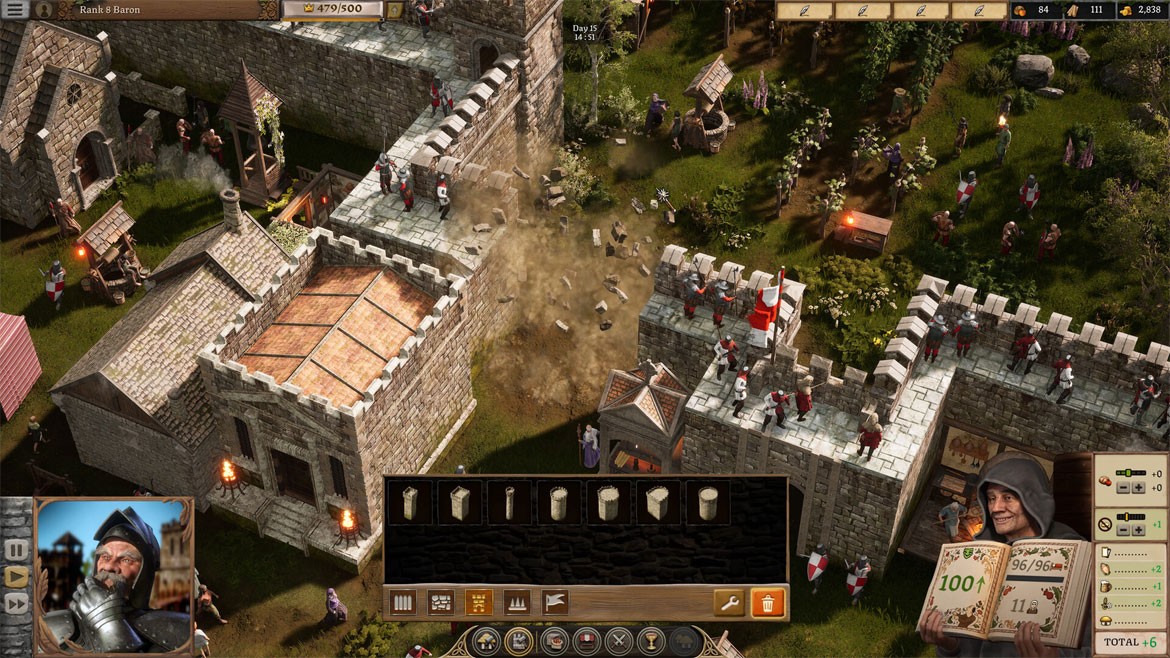
- Stronghold 4 — a demo from Firefly Studios covering castle building, siege defense and medieval resource management, with a more modern presentation than earlier series entries.
- Darkest Dungeon: The Fire's Edge DLC — adds the Runaway and Duelist to Red Hook Studios' gothic roguelike, giving veterans and newcomers a reason to return.
How to choose
| If you want… | Consider | Trade-off |
|---|---|---|
| Tactical squad combat on PC | Star Wars: Zero Company | Bugs, weak visuals, uneven design |
| Comedy-driven adventure | Earth Must Die | Clunky controls, dialogue-heavy |
| RTS base building plus defense | Flow of War | Wave pressure demands careful layout |
| Nostalgic management sim | Retro Rewind | Niche 1990s video-store theme |
| Hardcore action in Early Access | Fatekeeper | Punishing difficulty, unfinished state |
| Classic castle-building | Stronghold 4 demo | Demo only, not a full release |
A practical next step: try the Stronghold 4 demo first if you want to sample the site's strategy coverage at no cost, then read the full Star Wars: Zero Company PC review before buying, since the platform difference materially changed that reviewer's verdict. For broader PC release tracking, Steam and PC Gamer are useful cross-checks.
What news and industry happenings does Gameindustry.com cover?
Gameindustry.com covers news and industry happenings as one of several content streams, alongside game reviews, gamer blogs and podcasts. From the homepage evidence, that news coverage is a mixed feed of release updates, platform and performance news, and commentary on the business side of games.
What the news coverage includes
- Release and update news: items such as Metro 2033 and Metro Last Light receiving free next-gen graphics and performance updates.
- Industry commentary and columns: recurring opinion pieces, for example Michael Blaker's "Video Game Tuesday" and "Retro Game Friday" blogs, which sit under the same news and happenings umbrella.
- Reviews and previews: Earth Must Die, Star Wars: Zero Company, Darkest Dungeon's The Fire's Edge DLC, Retro Rewind, Flow of War and Fatekeeper appear as review or early-access coverage.
- Demos and early builds: the Stronghold 4 demo and Better Than Dead in Early Access show that pre-release and in-development games get coverage too.
- Podcast episodes: discussion-style episodes on topics like monopolies and Wolverine, listed as "The Podcast".
Who it suits
The mix suits readers who want a broad scan of what is happening in games rather than deep technical or financial reporting: new releases, patches, DLC, early-access launches and opinion columns in one place. If you mainly want studio earnings, acquisition news or hardware business analysis, this feed looks lighter on those.
A practical next step: scan the "News & Industry Happenings" block first for dated items, then use the review and blog sections for context. If you want a second, more business-focused source, compare with GamesIndustry.biz.
What do Gameindustry.com's gamer blogs and podcasts offer readers?
Gameindustry.com's gamer blogs and podcasts offer a mix of personal commentary, retro and current gaming reflections, and industry discussion. The site's blog section is anchored by recurring columns such as Michael Blaker's Video Game Tuesday and Retro Game Friday, which lean toward opinion and nostalgia. The podcast side covers broader topics, with episode titles suggesting discussions of media like Wolverine and industry issues such as monopolies and next-gen delays.
For a reader deciding whether to spend time there, the useful distinction is format and depth:
| Format | What it typically provides | Best for |
|---|---|---|
| Gamer blogs | Named-column opinion, retro revisits, weekly commentary | Readers who want a familiar voice and a regular reading habit |
| Podcasts | Conversational episodes on games, media and industry topics | Listeners who prefer discussion over written posts |
A practical way to use it
If you enjoy a specific columnist, start with their recurring post and use the podcast episodes as a second layer for topics you already follow. If you mainly want news and reviews, the blog and podcast sections are a supplement rather than the core offering.
For comparison, other outlets with established blog and podcast formats include Kotaku and Polygon.
How does Gameindustry.com's review coverage differ for early access games versus full releases?
Gameindustry.com does not appear to apply a separate review format or scoring system based on release status. Its coverage of early access titles and full releases uses the same editorial building blocks: descriptive headlines, a concise verdict-style summary, and attention to both strengths and drawbacks. The difference is mostly in emphasis rather than structure.
Where early access coverage focuses
Early access reviews on the site tend to foreground the current state of the build and the experience of playing it now. For example, the Star Wars: Zero Company piece is framed around a second attempt on a different platform after a poor earlier experience, and the summary explicitly notes persistent bugs, weak visuals and uneven design choices. Fatekeeper is described as entering early access with striking visuals, environmental combat and a brutally challenging style — language that signals an in-progress game whose appeal depends on tolerance for difficulty and rough edges. Better Than Dead is similarly presented as taking a strong first shot in early access, which frames the review as an assessment of potential rather than a finished product.
Where full-release coverage focuses
Reviews of finished games lean more on whether the complete experience holds together. Earth Must Die, for instance, is evaluated as a polished-feeling point-and-click adventure with sharp cartoon visuals and strong voice acting, but clunky controls and heavy dialogue. Darkest Dungeon's Fire's Edge DLC is treated as a reason for veterans and newcomers to return, with the emphasis on added characters and renewed replay value. Metro 2033 and Metro Last Light are covered as news about a free graphics and performance update, showing that full-release coverage can also be service-oriented rather than purely critical.
Practical way to read the difference
- For early access reviews: expect more caveats about bugs, balance and incomplete content, and read the verdict as a snapshot that may change.
- For full-release reviews: expect firmer judgments about polish, pacing and value, though the site still notes control or dialogue issues when they matter.
- For DLC and updates: expect coverage framed around whether the addition justifies a return, not a full re-review.
A useful next step is to check the publication date and platform notes on any review before relying on it, since an early access verdict can age quickly while a full-release review is more stable. If you are deciding whether to buy now, treat early access coverage as a guide to whether the current build is worth your time, and full-release coverage as a guide to whether the finished game matches its ambitions.
User reviews (0)