

 Visit website
 Updated: 2026-09-22 06:35
 Language: English (default)
 Access: Normal
 Profile views 1
  Outbound visits 0
 Website Review
What is Michael Hafftka?
Michael Hafftka is a contemporary American artist, typically described as a painter associated with Neo-Expressionism. His work is represented in major public collections, including the Museum of Modern Art, the Metropolitan Museum of Art and the British Museum, according to Michael Hafftka - Contemporary Artist.
What he makes
- Paintings and works on paper in an expressive, gestural style, often with figurative or psychologically charged subjects.
- Digital art, extending his practice into screen-based and digitally produced work.
- Prints and drawings, which are common formats for artists with broad museum representation.
Who the site is for
The site is suited to curators, collectors, critics, students and general viewers who want an overview of the artist's background, selected works and exhibition or collection history. It functions more as an artist's official reference page than as a shop, and no pricing information is given in the supplied material.
Trade-offs
Its strength is authority: museum credits and a clear artistic identity. Its limitation is that such sites may emphasise career highlights over practical details like availability, editions or current exhibitions. For research or collection context, it is a useful starting point; for transactions or scheduling, other sources may be needed.
What is Michael Hafftka known for?
Michael Hafftka is a contemporary artist whose work spans painting, drawing and digital art. He is often associated with Neo-Expressionism, a style that favors bold gesture, emotional intensity and figurative imagery over strict realism. His paintings typically combine expressive brushwork with layered, sometimes fragmented forms, giving the work a psychological or dreamlike quality.
He is also known for the reach of his exhibition record. According to the site, his work is held in major collections including the Museum of Modern Art, the Metropolitan Museum of Art and the British Museum, alongside more than twenty other significant collections worldwide. That kind of institutional presence is often used as a marker of an artist's standing within the contemporary art world.
Based in Brooklyn, Hafftka has more recently extended his practice into digital art, which may appeal to audiences interested in how traditional painting sensibilities translate into new media.
Michael Hafftka - Contemporary Artist
What museums have Michael Hafftka's work in their collections?
Michael Hafftka is a contemporary painter whose work is represented in several major public collections. According to the site, his pieces are held by the Museum of Modern Art (MoMA), the Metropolitan Museum of Art, and the British Museum, alongside more than twenty other major collections worldwide.
H3 What this means for visitors
- Museum-goers: These are established institutions, so Hafftka's work sits within a broad art-historical context rather than only in private or commercial settings.
- Researchers and students: The presence of his work in encyclopedic museums may make it easier to study it alongside related movements such as Neo-Expressionism.
- Collectors: Institutional holdings can signal sustained critical attention, though availability and pricing are separate matters.
The site identifies Hafftka as a Brooklyn-based artist associated with contemporary painting and digital art. The named museums are among the most widely recognized in the world, which typically reflects a long exhibition and acquisition record. If you want to confirm which specific works are held, checking each museum's own collection database is the most reliable route; collection displays and loans change over time. The artist's site itself, Michael Hafftka - Contemporary Artist, is the starting point for this information.
What is Michael Hafftka's artistic style?
Michael Hafftka is typically described as a contemporary painter associated with Neo-Expressionism. His work is known for bold, gestural brushwork, strong color, and figures that feel psychological or dreamlike rather than strictly realistic. Rather than aiming for polished realism, the paintings often emphasize raw emotion, ambiguity, and the physical presence of paint on the surface.
H3 Where the style sits
- Neo-Expressionist roots: expressive, figurative painting that emerged as a reaction to minimal and conceptual art.
- Figurative but not literal: human and animal forms appear, yet they are distorted, layered, or symbolic.
- Digital work: he has also produced digital art, extending similar concerns into screen-based media.
H3 What that means for viewers His style is suited to people who value emotional intensity, visible process, and open-ended meaning over tidy narrative. A viewer may find the images unsettling, tender, or both at once, which is part of the intent. For collectors and curators, the work connects to a recognized lineage of late-20th-century expressionist painting while remaining individually recognizable.
Institutional holdings—including MoMA, the Metropolitan Museum, and the British Museum, as noted on Michael Hafftka - Contemporary Artist—signal that this style has been taken seriously in major collections. The trade-off is that such work can feel demanding: it rewards patience and interpretation rather than offering immediate, easy resolution.
How does Michael Hafftka approach digital art?
Michael Hafftka treats digital tools as another medium for the same expressive concerns found in his painting and drawing. Rather than using software for polished, photorealistic effects, his digital work tends to keep the gestural, layered, hand-made quality associated with his canvases. Works may begin as scans or photographs of physical pieces and then be reworked through digital drawing, colour adjustment and compositing, so the boundary between analogue and digital stages is deliberately blurred.
H3 What this means in practice
- Improvisation over pre-planning: marks accumulate and are revised, similar to his approach on paper or canvas.
- Texture and accident: smudges, erasures and overpainting are retained rather than cleaned up.
- Print and screen outcomes: digital files can be realised as prints or shown on screens, while related physical works stand on their own.
H3 Who it suits Viewers interested in neo-expressionist painting who are curious how that sensibility survives translation into pixels; collectors and curators looking at how an established painter extends a studio practice rather than switching careers. The trade-off is that digital editions can raise questions about uniqueness and provenance that paintings do not, and screen viewing loses the physical scale and surface of the originals.
For context, his work is represented in major public collections, including MoMA and The British Museum; the artist's own site is Michael Hafftka - Contemporary Artist.
Where can I see Michael Hafftka's art in person?
For viewers who want to see Michael Hafftka's work in person, the most reliable approach is to look at museums and public collections that hold his pieces, then check whether they are currently on view.
The site notes work in major institutions such as:
- MoMA
- The Metropolitan Museum of Art
- The British Museum
- More than 20 other major collections worldwide
Museum collections are not the same as permanent displays. Works on paper and contemporary paintings are often light-sensitive, so they may spend long periods in storage. Before travelling, check the museum's online collection record and current exhibition schedule, or contact the relevant department.
Commercial galleries are another route. His site is the natural starting point for exhibition announcements, studio news and any gallery representation. If a show is listed, confirm dates and opening hours directly with the venue.
For buyers and curators, the site also indicates that his practice spans painting and digital art, so in-person viewing may involve different formats and presentation conditions. That matters when judging scale, surface and colour.
In short: start with Michael Hafftka - Contemporary Artist for exhibition news, then verify with the holding museum or gallery before visiting.
 Hosting and Email
 Hosting
 Location
 Pittsburgh, Pennsylvania, United States
 Pages, Search and Sharing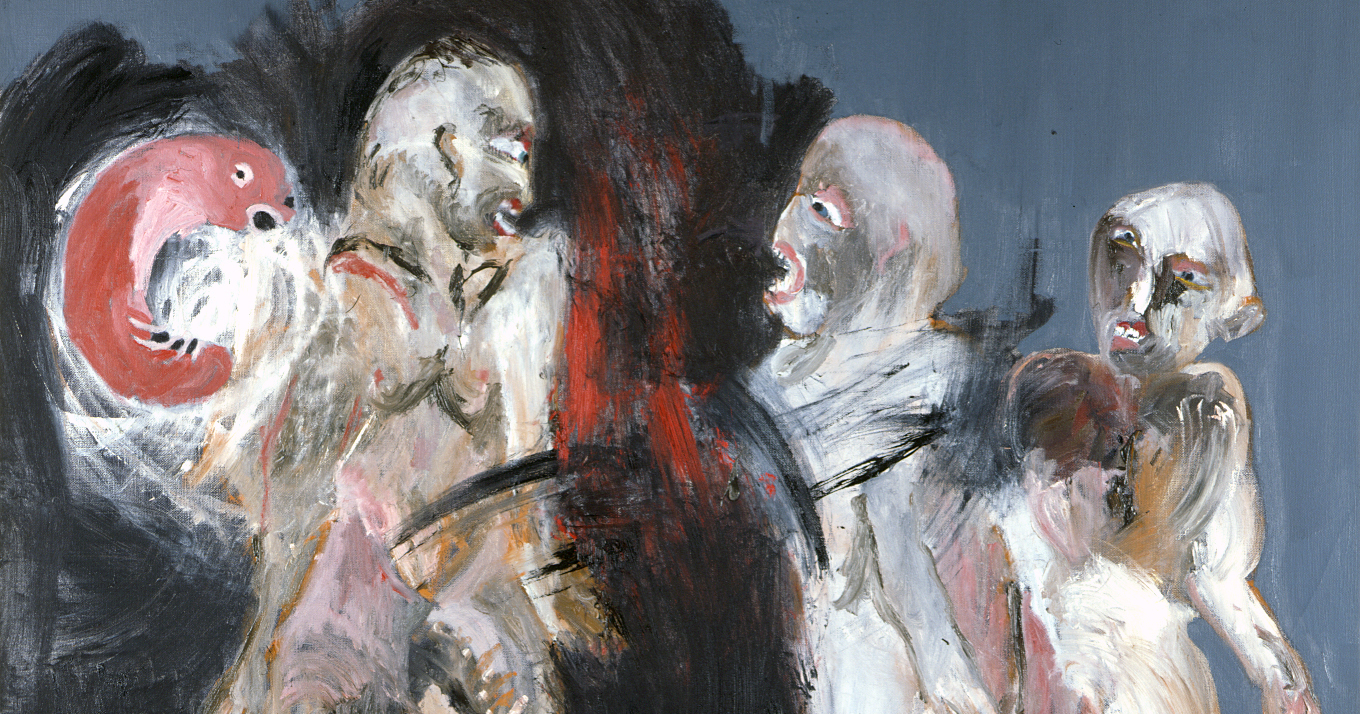


 All bots
 Registration details

 Identified technologies
User reviews (0)