

 Visit website
 Updated: 2026-09-22 22:55
 Language: English (default)
 Access: Normal
 Profile views 0
  Outbound visits 0
 Website Review
What is Invisible Threads?
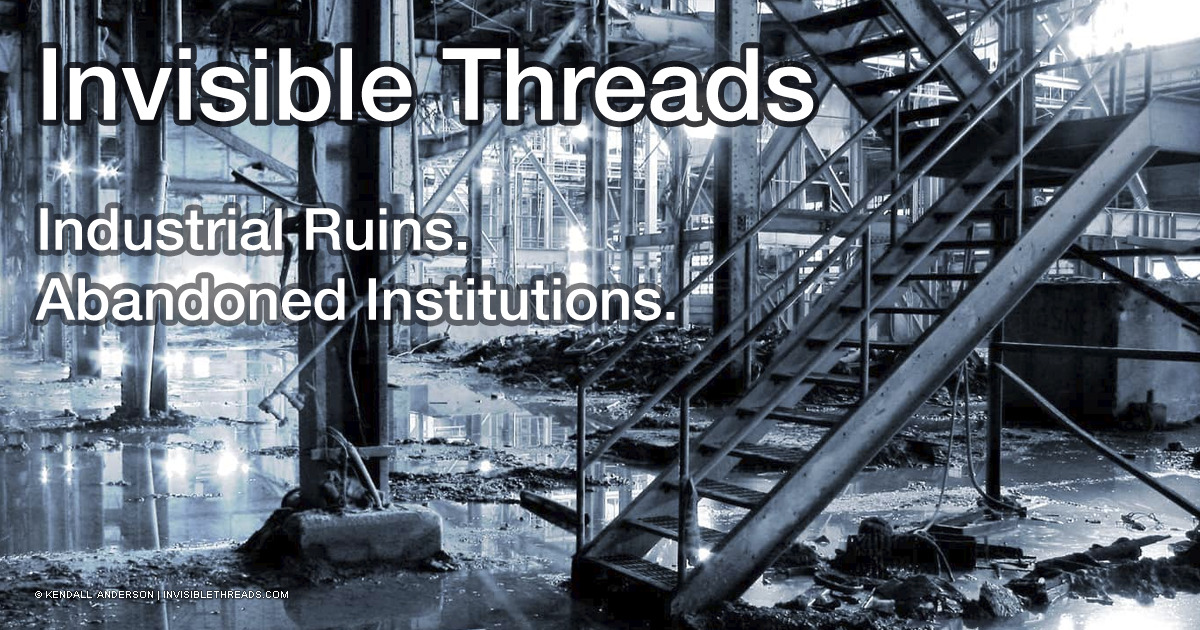
Invisible Threads is a photography website built around a single subject: places that have been left behind. Its galleries document industrial decay and abandoned institutions, including power stations, factories and other sites that have fallen out of use over time.
The focus is documentary rather than instructional. Images are organised into photo galleries, so visitors typically browse by location or theme instead of reading long articles. The appeal is strongest for people interested in ruins photography, industrial heritage, urban exploration culture and the visual record of neglect — as well as anyone researching how such sites looked before redevelopment or demolition.
A few trade-offs are worth noting. The site suits slow, visual browsing; it is not a news outlet, a forum or a how-to resource for accessing closed sites. Because the subject matter is decay and abandonment, the tone is atmospheric rather than cheerful, and some viewers may find certain locations sombre. Practical details such as opening hours, prices or permissions are not implied by the description, so anyone planning a visit should verify access independently.
In short, it is a themed photography archive for viewers who want to see forgotten industrial and institutional spaces documented in depth.
What types of abandoned locations are featured on Invisible Threads?
Invisible Threads is a photography site built around a single theme: places that have been left behind. Its galleries document industrial decay and abandoned institutions, so visitors should expect images of power stations, factories, industrial works and similar large-scale sites rather than portraits, landscapes or travel photography.
H3 Typical subjects
- Power stations and energy infrastructure, including the kind of heavy machinery and cooling structures that dominate a site long after it closes.
- Factories and manufacturing buildings, where production floors, pipework and storage areas show the wear of decades of use.
- Industrial ruins more broadly, such as works, depots and similar facilities tied to mining, processing or transport.
- Abandoned institutions, meaning buildings that once housed organised public or private functions and now stand empty and neglected.
H3 What the collection is suited to
The focus is on decay and neglect as visual subjects, so the site appeals to people interested in urban exploration, industrial heritage, architecture and documentary photography. It may also interest researchers or writers looking for visual references to how buildings age, though it is a photo gallery rather than an archive with historical records.
Because the material is organised as galleries, browsing works best for viewers who want atmosphere and detail rather than maps, addresses or access information.
Who takes the photographs on Invisible Threads?
Invisible Threads is a photography site devoted to industrial ruins and abandoned institutions, including power stations, factories and forgotten institutions. Its galleries document places shaped by decay and neglect rather than polished architectural showcases.
Who takes the photographs
The site presents the photographs as its own work. The images are typically made by the photographer or photographers behind Invisible Threads, who visit and document derelict industrial and institutional sites. Individual images may be credited within the galleries, so authorship can vary where guest or contributing photographers are involved.
What that means for visitors
- The photographs are documentary in intent, recording conditions and details of sites that may be inaccessible, unsafe or later altered.
- The perspective is consistent: an observer moving through empty buildings, machinery halls and institutional corridors.
- The audience is likely people interested in industrial heritage, urban exploration, architecture and the aesthetics of decay.
Trade-offs
A single-author or small-team approach usually gives a coherent visual style and deep familiarity with the subject. It may also mean coverage is selective, reflecting the places the photographer could reach and chose to document, rather than a comprehensive survey. For research or heritage purposes, that makes the site useful as a visual record, but not necessarily as a complete or officially verified archive.
The site is best suited to viewers who want atmospheric, place-based photography rather than commercial or news imagery.
How does Invisible Threads document industrial decay and neglected institutions?
Invisible Threads is a photography site built around a single subject: places that have been left behind. Its galleries focus on industrial decay and abandoned institutions, documenting power stations, factories, industry and institutional buildings that have fallen out of use over time.
What the site covers
The stated scope is narrow and deliberate rather than broad. Rather than general travel or landscape photography, the emphasis is on sites tied to work, energy production and public institutions — the kinds of structures that once served a clear function and now stand neglected.
How it is organised
The material is presented as photo galleries, so the primary experience is visual: sequences of images grouped by site or theme. This suits viewers who want to study how decay develops — rust, peeling paint, collapsed roofs, empty rooms — and who value atmosphere over explanatory text.
Who it is for
- Photographers and visual researchers interested in ruin photography, composition and available-light work in derelict spaces.
- Historians and enthusiasts of industrial heritage, who may use such galleries as a visual record of structures that are disappearing.
- Urban exploration audiences, drawn to documentation of forgotten institutions and industrial sites.
Trade-offs
Because the site is gallery-led, it may offer limited context such as dates, locations or historical background; the images themselves carry the narrative. Visitors seeking archival data or detailed written histories might find it thin, while those seeking mood and visual evidence of neglect will find it well matched.
Can I license or purchase photos from Invisible Threads?
The site presents a large body of documentary photography covering industrial ruins, power stations, factories and abandoned institutions. Its galleries are built around visual documentation of decay and neglect rather than commercial stock browsing, so the primary audience is likely people interested in industrial heritage, urban exploration and architectural history.
Licensing and purchasing
The information provided does not include pricing details, payment platforms or a visible licensing programme. Because of that, it is not possible to confirm that photos can be licensed or purchased directly, and the absence of those signals is not proof that such options do not exist. Rights and usage terms are often handled individually for documentary photography, so enquiries about reproduction, publication or prints may be directed through the site's own contact route.
Practical considerations
- Editorial and research use: The subject matter suits articles, books and studies on industrial decline, architecture and social history.
- Commercial use: Any advertising or product use would normally require explicit permission from the photographer or rights holder.
- Attribution and context: Documentary images often carry expectations about accurate captioning and respectful presentation.
If you need an image for a specific project, check the site for a contact or rights page and describe your intended use, territory and duration.
How can I explore the photo galleries on Invisible Threads?
Invisible Threads is a photography site built around a single, clearly defined subject: industrial ruins and abandoned institutions. Its galleries document power stations, factories, industry and institutional buildings that have fallen out of use, so the emphasis is on decay, neglect and the traces left behind rather than on general-purpose photography.
To explore the galleries, start from the site's main navigation and look for the gallery or photo section. Galleries of this kind are typically organised either by location, by type of site — power stations, factories, hospitals, institutions — or by date. Choosing one theme at a time usually works better than browsing everything at once, because it lets you compare how similar spaces age and how light and structure change between them.
Who it suits
- Readers with an interest in industrial archaeology, architecture or urban exploration.
- Photographers studying composition, texture and available light in derelict interiors.
- Anyone researching the visual record of decommissioned industry and institutions.
Trade-offs
The narrow focus is the main strength and the main limit: visitors looking for portraits, landscapes or varied subject matter will find little of interest, while those drawn to ruins get depth rather than breadth. The site is in English, and no pricing details are given here.
 Hosting and Email
 Hosting
 Location
 Ashburn, Virginia, United States
 Pages, Search and Sharing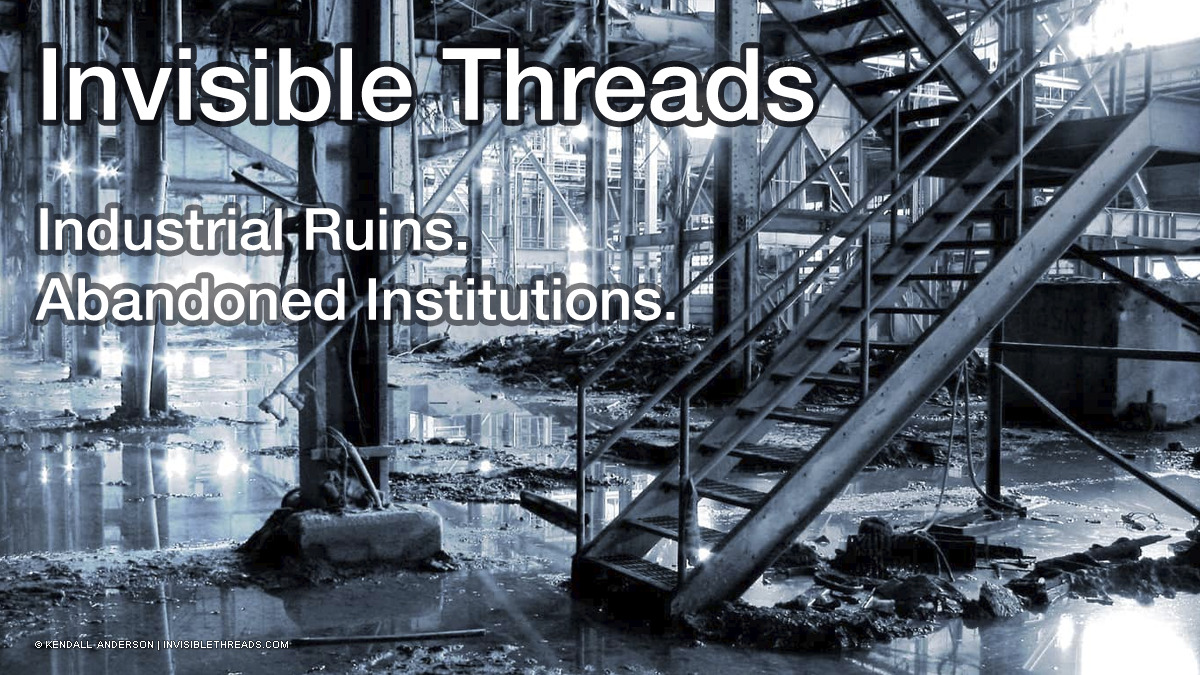



 All bots

 Registration details

 Identified technologies
User reviews (0)