Website profiles · Technology insights · Alternatives

jugglegood.com

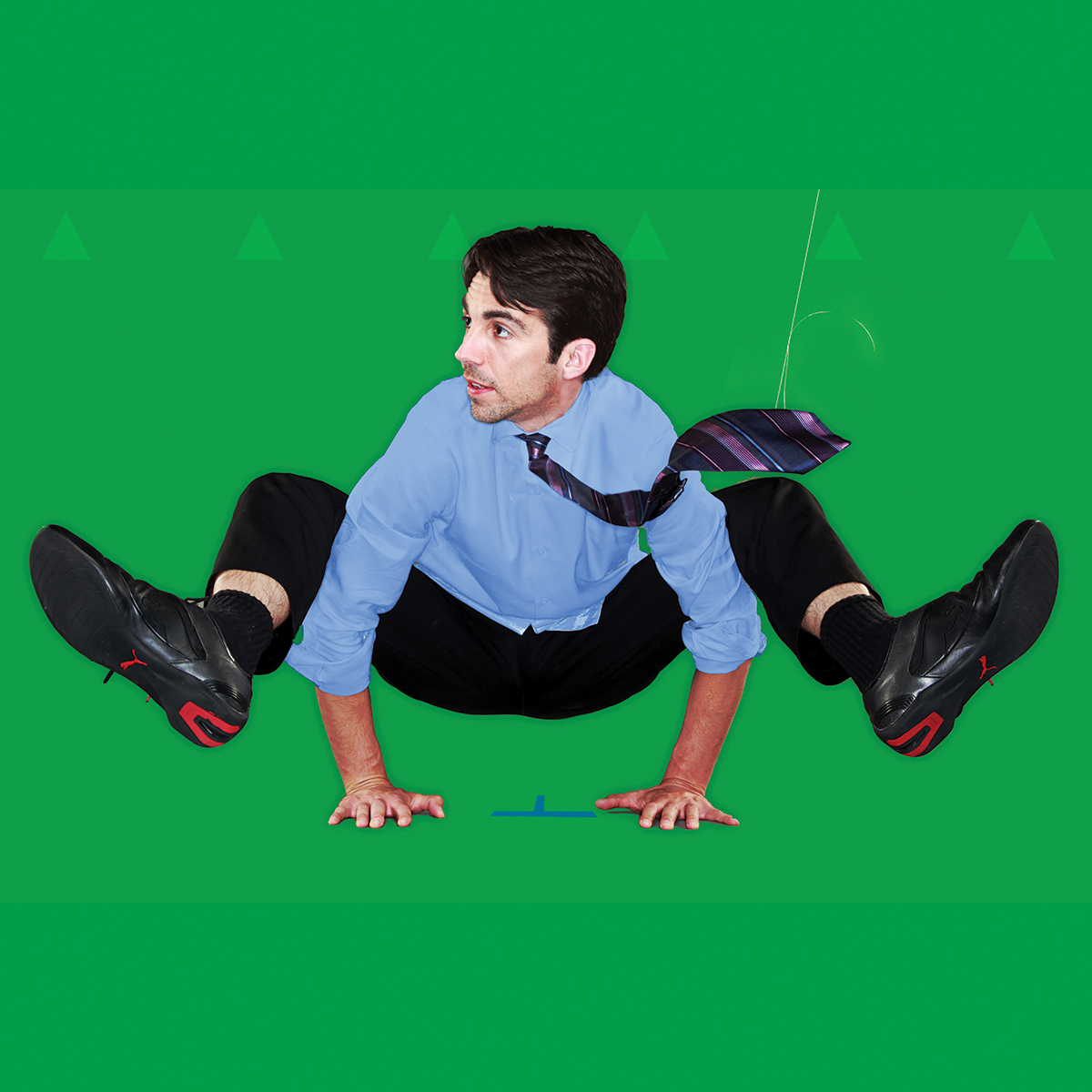
He performs juggling and unusual skills on camera. He learns and coaches actors in fun skills too. Hollywood uses him most for his rapid lessons and development of circus skills in Los Angeles.

No paid content found
Visit website
Profile views 5 Outbound visits 1 Normal
Juggler, Contortionist, Magician, Circus : Los Angeles Juggler, Lessons, Coach, Teacher, Performer for Hire Full homepage screenshot

At a glance

Category
Other
Language
English
Paid-content signal
No paid content foundObserved
Registered
2002
Hosting
New Dream Network, LLCInferred
HTTPS certificate trusted
PassedObserved
Last updated

Website review

This review may include AI-generated content and is not individually verified. Domain, certificate and other facts come from the observed data on this page.

What is Scot from jugglegood.com?

Scot is a Los Angeles–based circus performer and coach who works mainly in film, TV and live entertainment. On Juggler, Contortionist, Magician, Circus he presents himself as an award-winning Cirque performer, actor, character creator and teacher whose specialties include juggling, contortion, magic, mime, balancing and stunts.

His site splits that work into three services:

  • Performance – stage, corporate and on-camera work, including body-double and character roles that need unusual physical skills.
  • Coaching – short, custom sessions that teach actors a specific skill, or teach them to look convincing on camera without mastering it.
  • Consulting – helping productions find the fastest way to make a performer read as a circus professional on screen.

The résumé excerpts on the page list credits across Better Things, Bratz the Movie, Conan, James Corden, KC Undercover, Tonight Show, Scary Movie 5, Shameless, Brooklyn 99, American Horror Story and others, in capacities ranging from juggler and magician to contortionist, coach and body double.

Who hires this kind of performer

A production with a lead who has one juggling scene, a casting director needing a contortionist double for a stunt sequence, or an event planner wanting a comedy-variety act. The coaching angle is the practical differentiator: for a single scene, training an actor for weeks is often slower and riskier than a short intensive with someone who can also double the shot.

How to judge the fit

Ask what the scene actually requires — a real skill performed on camera, a convincing fake, or a stunt/body-double substitution — and whether the performer can cover more than one of those on the same shoot day. If you need a broader circus act rather than one specialist, compare with a variety agency such as Cirque du Soleil for large-scale casting context.

A useful next step: contact Scot directly at the email listed on his site with your shoot dates, the specific skill and whether you want performance, coaching or both.

How can Scot help my production with actor coaching for circus skills?

Scot helps productions by shortening the gap between “actor who can’t juggle” and “actor who looks like a circus pro on camera.” His page frames coaching as custom sessions for any skill level, with an emphasis on finding efficient ways to fake or perform circus abilities for film and TV. The practical offer is threefold: teach the actual skill, coach a believable on-camera approximation, or supply the skill himself as a performer or body double.

What the coaching is built for

  • Rapid skill acquisition: The site states he learns at a fast pace and is used for quickly learning and teaching unusual abilities, which suits tight prep windows.
  • On-camera illusion over mastery: The page explicitly asks why an actor should spend time learning to juggle when Scot can help them fake it. That is the core trade-off: a fully learned skill looks great but costs rehearsal time; a coached fake reads correctly on camera faster.
  • Skill-specific coaching: Examples listed include juggling, magic, mime, devil sticks, contact juggling, unicycling, balancing, contortion, fire breathing and stunts.
  • Doubling and consultation: If the actor physically can’t do it — the page’s example is putting feet behind the head — he can perform as a body double, or consult on how to stage and shoot the moment.

Whose work this resembles

The page lists credits including Better Things (magic, mime, juggling coach), Brooklyn 99 (devil sticks coach), Shameless (coach, juggling double), Lacoste (coach and consultant, contact juggling), Conan (mime), James Corden (casting and performing), and Scary Movie 5 (acting, contortion, creature suit, stunts). Treat these as the site’s own claims; they indicate the kind of production context he works in — comedy, episodic TV, commercials and film — rather than a guarantee for your project.

How to decide between coaching and doubling

Your situation Better fit
Actor’s face must be visible doing the skill Coaching, or coaching plus a double for wide shots
Skill is dangerous or physically extreme Doubling, stunts or consultation
Limited prep time before the shoot day Coaching focused on faking it for specific camera angles
Skill recurs across episodes Longer coaching plan so the actor owns it
One brief gag or background moment Consultation on staging, or a performer for hire

A useful next step is to send the shot list or scene description with the exact skill, the camera framing, and the number of prep days available. That lets him say whether the actor can learn it, fake it, or whether a double is the cleaner answer — and it gives you a realistic plan before the shoot day rather than on it. For related circus and variety performers in the same market, Cirque du Soleil and Cirque School are worth knowing, though neither replaces a coach hired for your specific actor and shot.

What types of events does Scot perform at as a corporate entertainer?

Scot performs at corporate events, private parties, and film/TV productions, based on the site's description of him as a corporate entertainer, actor, body double, and coach in Los Angeles. The page emphasizes his work on camera and behind the scenes—juggling, contortion, magic, mime, and balancing—rather than listing specific event formats like trade shows or product launches.

What the page actually supports

  • Corporate entertaining: The site identifies Scot as a corporate entertainer and lists juggling, contortion, comedy, and magic among his skills.
  • Film and TV work: Credits include Better Things, Bratz the Movie, Conan, James Corden, KC Undercover, Tonight Show, Scary Movie 5, Shameless, Brooklyn 99, and American Horror Story.
  • Coaching and consulting: He trains actors to juggle, use devil sticks, perform contact juggling, or fake circus skills for camera.
  • Body double and stunt work: He has doubled for contortion, stunts, and creature-suit roles.

How to judge fit

If you are planning a corporate event and want a performer whose act also translates to screen work, Scot is a plausible match. If you need a pure stage show with a known running time, ask directly—the page does not state set lengths, audience sizes, or travel range. For a company party, a 20–30 minute walkaround or stage set is typical; use that as a question, not an assumption.

Next step

Contact Scot through the email listed on his site and ask for a one-page corporate performance sheet: typical set length, space and ceiling-height needs, whether audience participation is included, and whether he can also run a short juggling or magic workshop for your team. That combination—show plus coaching—is the clearest differentiator in his page_evidence.

Can Scot teach me or my actors how to juggle or perform contortion?

Yes. Scot's page presents coaching as a core service: he teaches juggling, contortion and related circus skills to actors and performers, and also works as a body double or performer when a scene needs the real thing.

What the page actually offers

  • Coaching for actors and performers. The site states Scot teaches his skills to other performers and actors, with sessions adapted to any skill level.
  • Consulting for film and TV. He helps productions make actors look like circus professionals on camera, including shortcuts where learning a full skill isn't practical.
  • Performance and doubling. Where coaching isn't the right fit, he can perform the skill himself or stand in as a body double.
  • Skills covered. Juggling, contortion, balancing, magic, mime, unicycling and devil sticks appear in the credits and service descriptions.

Coach or double?

Your situation Likely fit
Actor needs to look convincing in a close-up or short scene Coaching or consulting
Actor has weeks to build a real skill Coaching
Skill is too dangerous or difficult to learn in time Body double or performer
You need a live entertainer for an event Performance

A practical next step

Email [email protected] with three details: the skill, the deadline, and whether the camera sees the actor's face during the trick. That last point often decides whether coaching is realistic or whether a double is the faster route. If you're casting a corporate or private event rather than a shoot, say so, since the same skills are offered as live entertainment.

For context on the wider Los Angeles circus and variety scene, [[site:cirque du soleil.com|Cirque du Soleil]] and Cirque du Soleil are useful references.

What film and TV productions has Scot worked on as a performer or coach?

Scot Nery’s credits, as listed on Juggler, Contortionist, Magician, Circus, span film, television, and commercials, with a mix of performing, body-double work and coaching:

Production His involvement
Better Things Coach (magic, mime, juggling)
Bratz: The Movie Juggler
Conan Mime
Devil’s Deal Magician hand double
James Corden Casting and performing (juggling, balancing)
KC Undercover Unicyclist
The Tonight Show An unusual juggling trick
Martha and Snoop Juggler
Scary Movie 5 Acting, contortion, creature suit, stunts
Shameless Coach, juggling double
Zohan Contortion, stunts
Brooklyn Nine-Nine Coach (devil sticks)
Lacoste Coach and consultant (contact juggling)
Return of the Mac Contortion body double
Skin Wars Contortion
American Horror Story Facial contortion
BLINK Contortionist / creature

The pattern is worth noting if you are hiring: he is used less as a generic extra than as a specialist who can either supply an unusual physical skill himself or train a cast member to appear to have it. For a production, that means two different conversations — one about booking him on camera, another about how many sessions an actor needs to look convincing in a close-up. Ask which of the two the scene actually requires before discussing dates.

How do I hire Scot for a show, coaching session, or consulting?

Contact Scot directly at [email protected], the email listed on Juggler, Contortionist, Magician, Circus. Describe your production or event, the skill required, the shoot or show date, and whether you need him to perform, double for an actor, or coach someone else to look convincing on camera. That single message gives him enough to tell you whether the job fits his repertoire and how he would approach it.

What to put in your first email

  • The goal: a live show, an on-camera performance, a body-double or stunt role, or coaching for a cast member.
  • The skill: juggling, contact juggling, devil sticks, unicycle, contortion, mime, magic, balancing, or a combination.
  • Who performs: Scot himself, or an actor he trains. The site notes he can help productions "fake it" rather than spend weeks training a lead, which is often the faster route for a tight shoot.
  • Dates and location: Los Angeles is his base, so local shoots and events are the simplest to schedule.
  • Format: corporate event, stage show, film or TV scene, rehearsal, or a block of private lessons.

Choosing between the three services

Need Best fit What to expect
Live audience entertainment Performance A set built from juggling, comedy, magic and contortion, matched to your event
An actor who must look skilled on camera Consulting Efficient methods to make a performer read as a circus pro without months of training
Someone who genuinely wants to learn Coaching Custom sessions pitched at any skill level, from beginner to working performer

A practical example

A director needs a lead to juggle in a two-minute scene shooting in three weeks. Coaching the actor from scratch is risky; a consultant can simplify the routine, adjust camera angles and supply a double for the hardest shots. If the actor instead has months before rehearsals, coaching builds a real, reusable skill. Say which situation you are in when you write, and Scot can recommend the cheaper, faster path.

Before you send

Include a budget range and a deadline if you have them, plus any clips or script pages showing the skill in question. The site lists no rates, so treat cost as something to settle in the reply rather than something you can look up. If you hear nothing within a few days, resend with a shorter message and a clear subject line naming the project and date.

Related questions

More questions →
Foxtail Golf Club Social Golf: Thursday 9-Hole Format, Cost, and How to Sign Up

Foxtail Golf Club in Rohnert Park, CA runs a Social Golf event on Thursday evenings: a casual 9-hole round with no season-long commitment and no standings. It costs $35 per player, which includes 9 holes, a golf cart, a drink ticket, a $5 prize fund, and nightly prizes. Tee times begin at 4:00 PM, and you can play one week or all of them. Sign-up is handled per week, with each week using a different 2-person format.

What Social Golf at Foxtail Is

Social Golf is designed as a low-commitment, social round rather than a league. According to the club, there is no season-long commitment and no standings — the focus is on playing golf, meeting people, and having a drink afterward. Each Thursday features a different 2-person format, so the game changes week to week.

Cost and What's Included

The entry fee is $35 per player. That covers:

Inclusion Detail
Golf 9 holes
Cart Golf cart included
Drink One drink ticket
Prize fund $5 toward the prize pool
Prizes Nightly prizes

So the $35 is an all-in event fee for the round, cart, a drink, and prize participation — not just green fees.

Weekly 2-Person Formats

Each week uses a different 2-person format. The club lists these examples:

  • September 24 — 2-Person Blind Partner: you're paired with a partner you don't know in advance.
  • October 1 — 2-Person Scramble: both players hit, then the team plays from the best shot.
  • October 8 — 2-Person Better Ball SKINS Game: each player plays their own ball, the better score counts, and holes are played as skins.

Because the format rotates, check the current week's format before signing up if a particular style matters to you.

Who Can Join

The club states that beginners, singles, couples, friends, and experienced golfers are all welcome. You don't need a regular playing partner — the 2-person formats, including Blind Partner, are set up so individuals can take part.

How to Sign Up and When to Arrive

  1. Pick your week and note the format listed for that date.
  2. Sign up for that specific week — registration is per event, not for a season.
  3. Plan for a 4:00 PM start, when tee times begin.

Because tee times start at 4:00 PM and run in sequence, arriving before 4:00 PM gives you time to check in and get your cart. If you're signing up as a pair, register together; if you're solo, the Blind Partner and other 2-person formats let you be matched up.

Common Questions

Do I have to commit to the whole season? No. The club explicitly says there's no season-long commitment — play one week or play them all.

Is it competitive? There are nightly prizes and a $5 prize fund per player, but the event is described as fun and casual with no standings.

What if I don't have a partner? Singles are welcome, and formats like 2-Person Blind Partner are built for players without a set partner.

What does the $35 actually cover? 9 holes, a golf cart, a drink ticket, the $5 prize fund, and nightly prizes.

For the current week's format and to sign up, use the Social Golf sign-up links on playfoxtail.com for the specific date you want to play.

What Is a Pancake in Juggling and Circus Performance?

In juggling and circus performance, "pancake" is not a single standardized trick. It most often refers to a flat, spinning object used as a prop (a pancake-style disc or plate), a flat toss or catch where the prop lands horizontally, or a comedic bit built around breakfast imagery. On a performer's keyword list, it usually signals that the act includes prop comedy, plate spinning, or food-themed gags rather than a specific technical skill. If you are booking or casting, treat "pancake" as a category to clarify, not a guarantee of one exact routine.

Why "Pancake" Appears in a Performer's Keywords

Circus and variety performers list keywords to match how clients search. "Pancake" can attach to a performer for several different reasons:

  • Prop comedy — a fake pancake, frying pan, or breakfast prop used as a visual gag.
  • Plate spinning / flat disc work — a flat, pancake-shaped disc spun or balanced, related to classic plate-spinning acts.
  • Flat toss or catch — a juggling throw where the object stays horizontal, sometimes called a "pancake" throw.
  • Character or theme work — a clown, comedian, or magician whose set includes a breakfast or diner theme.

Because the term is loose, the same word can describe very different acts. A juggler who lists "pancake" may never touch a real pancake, and a comedian who lists it may not juggle at all.

How It Differs From Standard Juggling

Standard juggling is judged by pattern, number of objects, and control. A pancake element is usually judged by visual read — how clearly the audience sees a flat, spinning, or comedic object.

Dimension Standard juggling Pancake-style element
Focus Pattern and object count Shape, spin, or gag
Prop Balls, clubs, rings Flat disc, plate, pan, food prop
Skill signal Consistency and difficulty Timing, comedy, or staging
Best for Technical showcases Comedy, theme events, camera close-ups

This is why a pancake skill can be low in technical difficulty but high in audience reaction — useful for corporate events, variety shows, and film shots where the visual matters more than the trick count.

Where It Shows Up: Performance, Coaching, and Film Work

On a working performer's page, skills like juggling, contortion, magic, and comedy are often bundled because the same person is hired to perform, coach, or double for an actor. The Juggler, Contortionist, Magician, Circus page for Los Angeles describes this directly: the performer is used by Hollywood for "rapid lessons and development of circus skills," and offers coaching so actors can "look like circus pros on camera" — including the option to fake a skill rather than learn it fully.

That matters for pancake-type skills in three ways:

  • Performance — a live act where the prop or gag is part of the show.
  • Coaching — teaching an actor or presenter a short, camera-ready version of the skill.
  • Body double / hand double — the performer does the skill on camera while the actor's face or body is used separately.

If your need is a two-second shot of someone flipping a pancake-like prop, coaching or doubling is often faster than training a lead from scratch.

How to Judge Whether a Pancake Skill Fits Your Event

Ask what the skill actually is before you book. Use these questions:

  1. What is the prop? A real pan, a fake pancake, a spinning disc, or a plate?
  2. Is it a trick or a gag? Technical juggling, comedy bit, or both?
  3. How long is the segment? A 30-second gag and a 5-minute routine need different setups.
  4. Is it safe indoors? Spinning or flying props need clearance and a non-slip surface.
  5. Does it work on camera? For film, ask about close-ups, lighting, and whether a double is needed.
  6. Can it be taught? If you want an actor or executive to do it, ask about lesson length and expected result.

Matching the Skill to Your Situation

  • Corporate or private event — a comedic pancake bit reads well in a short set; confirm stage size and audience distance.
  • Film or TV shoot — ask whether the performer coaches, doubles, or both, and how quickly they can adapt to the shot.
  • Workshop or class — clarify whether "pancake" is a warm-up game, a prop exercise, or a full routine.
  • Theme party — a breakfast or diner theme makes the keyword a genuine fit rather than a search tag.

The safest approach is to request a short video of the exact pancake element you are buying. A keyword tells you what a performer is willing to be found for; a clip tells you what you will actually get.

What Does a Juggler Do? Skills, Performances, and Coaching for Hire

A juggler performs object-manipulation skills—tossing and catching clubs, balls, rings, or unusual props—and often combines them with related circus abilities like contortion, magic, mime, balancing, and unicycling. Beyond live shows, a working juggler may act as a body double, teach actors to "fake" circus skills on camera, or coach beginners in private lessons. This explainer covers what the role involves, how jugglers work in film and TV, what to expect at a live event, and how to hire or book one.

Core Skills a Juggler Brings

Juggling is the anchor skill, but professional performers usually offer a bundle of related abilities. According to the Los Angeles–based performer profiled on jugglegood.com, the skill set includes:

  • Juggling — balls, clubs, rings, and unusual props or tricks
  • Contortion — extreme flexibility, including facial contortion for creature or horror work
  • Magic — close-up and stage illusions, plus hand-double work
  • Mime — silent physical comedy and character work
  • Balancing and unicycling — object and body balance, riding skills
  • Comedy and character creation — comedic timing used to bring self-aware characters to life

This matters if you're hiring: a single performer can cover multiple needs (say, a juggling bit plus a contortion gag) instead of booking several specialists.

How Jugglers Work in Film and TV

On camera, a juggler's job splits into three distinct roles:

Role What they do Why productions use them
Performer / actor Performs the skill on screen, often as a character Delivers the trick reliably in one take
Body double Stands in for a lead who can't do the physical skill Keeps the star's face and the stunt separate
Coach / consultant Trains actors to look convincing, or helps them "fake it" Saves time versus teaching a full skill

The jugglegood.com resume lists credits spanning coaching, doubling, and performing—for example coaching magic, mime, and juggling; juggling double work; contortion and stunt doubling; and unicycle and balancing appearances. The site's stated approach is efficiency: "Scot finds the most efficient ways to make your actors look like circus pros on camera," and asks, "Why take the time to learn how to juggle when Scot can help you fake it?"

That last point is the key decision for a production: real skill vs. camera illusion. If the shot needs a genuine sustained juggle, hire a performer or double. If the actor only needs to look capable in a cutaway, coaching to fake it is usually faster and cheaper.

What to Expect at a Live Show or Corporate Event

A live juggling act is typically a mix of technical skill and comedy. Based on the performer's described repertoire, expect:

  • Variety within one set — juggling, balancing, contortion, magic, and mime woven together
  • Comedy and audience engagement — physical comedy and character work, not just technical tricks
  • Flexibility by venue — the same skills scale from a corporate stage to a private party

For corporate entertainment, the practical question is whether you want a featured act (a set-length performance) or a roaming/ambient performer (skills delivered between other programming). Ask the performer which format they offer before booking.

How to Hire or Book a Juggler

Booking starts with matching the performer's skills to your specific need. Use this checklist:

  1. Define the deliverable. Live show, on-camera performance, body double, or coaching? Each is a different engagement.
  2. List the exact skills required. Juggling alone, or juggling plus contortion, magic, or unicycling?
  3. State the format and duration. Stage set, roaming entertainment, single shot, or multi-session coaching.
  4. Ask about custom coaching. If you need an actor trained for a role, confirm the performer designs sessions "for any skill level."
  5. Contact directly. The listed contact on jugglegood.com is [email protected].

Note: the source page does not list rates, packages, or booking-platform details, so pricing and availability must be confirmed directly with the performer.

How Coaching Helps Actors and Beginners

Coaching is the fastest path when the goal is a believable result rather than mastery. Two distinct use cases:

  • Actors faking a skill on camera — the coach identifies the minimum convincing movements, so the performer looks like a pro without months of practice.
  • Beginners learning to juggle — custom sessions are pitched at "any skill level," meaning a complete novice can start from zero.

The trade-off is straightforward: coaching buys speed and believability; it does not replace genuine mastery. If your production needs a long, unbroken, technically demanding juggle, hire a skilled performer or double instead of training an actor from scratch.

Quick Decision Guide

  • Need a live act for an event? Book a performer for a stage set or roaming entertainment.
  • Need a star to juggle on screen? Choose coaching to fake it, or a body double for the physical work.
  • Need a real, sustained skill on camera? Hire the performer directly.
  • Need to learn juggling yourself? Book custom coaching sessions.

For all of the above, start by emailing [email protected] with your format, skills, and timeline.

What Does a Contortionist Do? Skills, Performances, and Coaching for Hire

A contortionist is a performer who uses extreme flexibility and body control to bend, twist, and balance the body into positions most people cannot reach. The work splits into three practical tracks: live performance (circus, stage, corporate shows), on-camera work (film and TV, often as a body double or in a creature suit), and coaching or consulting, where the contortionist trains actors and other performers to look convincing on screen. If you are casting a production, booking an event, or trying to learn the skill yourself, the right choice depends on which of those three you actually need.

The core skill set

Contortion is not one trick. It combines several distinct abilities, and performers usually specialize:

  • Back bending — the signature move most people picture, including chest stands and handstands where the spine carries the curve.
  • Hip and leg flexibility — splits, leg-behind-head poses, and the "pancake" fold.
  • Balance and strength — holding a shape is harder than reaching it; a pose only reads on camera if it looks controlled.
  • Facial contortion — a separate, less obvious skill. Productions use it for creature effects and unsettling character moments, not just body shapes.
  • Body awareness for doubles — matching another actor's proportions, timing, and movement so a cut between faces and bodies is not obvious.

Strength matters as much as flexibility. A performer who can fold but cannot hold the position steadily is not useful for a live show or a long camera take.

Where contortionists actually work

Live performance

Circus and stage shows, corporate events, and variety acts. Here the contortionist is the act itself — the audience watches the whole body, so the routine has to build and hold attention, not just hit one pose.

Film and TV

This is where the job description gets less obvious. On a production, a contortionist is often hired as a body double rather than a featured performer. The credited actor's face stays in the shot while the contortionist supplies the impossible body. Related on-camera roles include:

  • Creature suit performance — contortion plus stunt work inside a costume.
  • Stunt and contortion doubling — taking the physical risk the lead actor cannot or should not take.
  • Facial contortion — used for horror and effects-driven character work.

A performer's resume in this space typically lists specific productions and the exact skill supplied for each (juggling, contortion, stunts, coaching), because casting directors hire for a named ability, not a general "circus" label.

Coaching and consulting

Productions frequently do not need a contortionist on screen at all — they need the lead actor to look like one for a few seconds. That is a coaching job. A coach breaks the skill into the smallest believable version: the angle, the hand placement, the one shape that sells the shot. The stated advantage of hiring an experienced coach for this is speed — teaching an actor to fake a skill is faster and safer than training them to genuinely perform it.

Hiring a contortionist: what to check

What you need What to look for
Live event act Full routine footage, not just photos of single poses
Body double for an actor Matching height, build, and skin tone; experience with continuity
Creature or stunt work Stunt background and suit experience, not flexibility alone
Actor coaching Evidence they have taught non-performers, and a plan for the specific shot
Facial contortion Close-up reel showing expressions, separate from body work

Ask for reel footage of the specific skill, not a general performance video. A strong stage contortionist is not automatically a good body double, and a good double may have no interest in live shows.

Can you learn it, or should you fake it?

For a production, the honest answer is usually: fake it with a coach unless the character's contortion is central to the story. Genuine contortion takes years and carries real injury risk, and a shoot does not have that time.

For an individual who wants to learn, the realistic path is:

  1. Build strength and mobility together — flexibility without control leads to injury.
  2. Work with a coach who has performed the skill, not just studied it.
  3. Progress in small ranges and stop at sharp pain; contortion training is not "push through it."
  4. Expect months to years, depending on starting mobility and the specific goal.

If your goal is a single camera moment, a coaching session aimed at that shot is the efficient route. If your goal is to perform live, treat it as a long-term physical practice.

A practical example

A TV scene calls for a character to fold backward out of a chair. The production has two options: hire a contortionist as a body double and cut between the actor's face and the double's body, or book a coach for a few sessions so the actor hits one convincing shape on the day. The double is the right call if the move is on screen long enough to be scrutinized. The coach is the right call if the shot is brief and the actor's face needs to stay in frame throughout.

The bottom line

A contortionist supplies extreme flexibility, controlled strength, and — on camera — the ability to stand in for someone else's body. Hire for the specific skill your production or event needs, verify it with footage, and decide early whether you want a performer on screen or a coach to make your own actor look the part.

What Does a Comedian Do at a School Assembly?

A comedian at a school assembly uses humor, storytelling, music, and audience interaction to teach students social-emotional skills—not just to make them laugh. Instead of a stand-up routine built around punchlines for adults, this performer works as an entertainer-educator: jokes and songs are the delivery method, and the real goal is helping students recognize emotions, build empathy, resolve conflicts, and treat one another well. If you're an educator or event planner evaluating this kind of program, the sections below explain what actually happens on stage, how it's structured, and what to check before booking.

The Core Role: Entertainer and Teacher at Once

A school-assembly comedian occupies a hybrid role. The performance usually blends:

  • Comedy and physical humor to hold attention across a wide age range
  • Interactive songs that students sing, clap, or respond to
  • Storytelling with characters and situations students recognize from their own lives
  • Direct teaching moments where a skill is named and practiced

The humor isn't decoration. It's what makes the underlying lesson stick. A joke about losing your temper lands because students have felt that frustration; the performer then connects the laugh to a concrete strategy for handling it.

What "social-emotional skills" means in practice

Programs in this style typically touch on topics such as:

  • Recognizing and naming feelings
  • Self-regulation and calming strategies
  • Empathy and perspective-taking
  • Friendship, inclusion, and kindness
  • Handling conflict, teasing, or mistakes
  • Perseverance and a growth mindset

These map onto the widely used social-emotional learning (SEL) framework covering self-awareness, self-management, social awareness, relationship skills, and responsible decision-making. A performer may not use that vocabulary on stage, but the content usually aligns with it.

How a Performance Is Structured

While every performer differs, a typical assembly follows a recognizable arc:

  1. High-energy opening – Music or a comedic bit grabs attention immediately and establishes the tone.
  2. Introduction of a theme – The performer names the skill or idea for the day, often through a story.
  3. Interactive segments – Songs with call-and-response, volunteers from the audience, or repeated participation moments.
  4. Skill-building moments – Short, concrete lessons: a phrase to remember, a breathing technique, a way to apologize.
  5. Reinforcement and close – A final song or story ties the theme together and sends students back to class with something to recall.

Sessions commonly run 30 to 50 minutes, depending on age group, and many performers offer multiple back-to-back shows so a large school can be split into smaller, age-appropriate groups.

Audience age ranges and group sizes

  • Early elementary (K–2): Shorter sessions, heavy music and movement, simple language, lots of repetition.
  • Upper elementary (grades 3–5): More storytelling and humor, slightly more complex social scenarios.
  • Middle school: Material adjusted for older students—still funny, but the themes and examples mature with the audience.

Group sizes vary widely. Some performers work comfortably with a single grade level in a gym or cafeteria; others can handle a full-school assembly of several hundred students. Smaller groups generally allow more interaction, so it's worth asking how the performer prefers to split the audience.

How This Differs from Standard Stand-Up Comedy

Feature School-assembly comedian Standard stand-up comedian
Primary goal Teach social-emotional skills Entertain an adult audience
Content Age-appropriate, values-driven Often adult themes and language
Format Songs, stories, audience participation Monologue of jokes and bits
Audience role Active participants Mostly observers
Success measured by Student engagement and takeaway Laughs and audience reaction
Setting Gym, cafeteria, auditorium Clubs, theaters, events

The key distinction: a stand-up set is judged by how hard people laugh. A school assembly is judged by whether students remember and use what they learned—laughter is the vehicle, not the destination.

What to Consider Before Booking

If you're deciding whether this format fits your students, work through these questions:

  • Does the content match your SEL goals? Ask for a summary of themes and how they connect to your curriculum or counseling program.
  • Is the material age-appropriate for your grades? Confirm the performer can tailor the show to your specific audience.
  • How many students per session? Ask whether splitting into smaller groups is recommended and how many shows that requires.
  • What space and equipment are needed? Gym or auditorium, sound system, microphone, and setup time are common requirements.
  • How interactive is it? Participation is central to this format—ask how volunteers and audience responses are handled.
  • What follow-up is provided? Some performers offer discussion guides or activity ideas so teachers can extend the lesson afterward.

A quick checklist for event planners

  • Confirm date, number of sessions, and start times
  • Verify space, seating, and audio needs
  • Share grade levels and approximate group sizes
  • Ask about any pre- or post-show materials
  • Clarify fees, travel, and cancellation terms directly with the performer

Pricing, availability, and specific program offerings vary by performer and change over time, so confirm those details directly rather than relying on general assumptions.

The Bottom Line

A comedian at a school assembly is a performer with a teaching purpose. Through humor, interactive songs, and stories, they make social-emotional lessons engaging and memorable for students across elementary and middle school ages. The format works best when the school and performer agree on goals, audience size, and age-appropriateness in advance. If your aim is to reinforce kindness, empathy, or self-regulation in a way students actually enjoy, this hybrid of comedy and education is built for exactly that.

Website Overview

An established domain and managed infrastructure suggest continuity of operations and may support dependable delivery, although neither guarantees service quality. Several search or sharing settings need attention. Together they may make snippets, preview images or preferred URLs less consistent across platforms.

Domain and Registration

Registered in 2002, this domain has about 24 years of history. That suggests continuity, although ownership and purpose may have changed. Transfer-protection status is present, helping reduce the risk of unauthorized domain transfers. The registrar is NameCheap, Inc., a widely used domain service provider. The domain uses the common .com extension, which is not an independent safety signal.

DNS and Email

The lowest TTL is 60 seconds, supporting rapid record changes at the cost of more frequent lookups. Nameservers are provided by dreamhost.com, indicating managed DNS hosting. MX records point to the Google Workspace email service. No CNAME was found; the observed records resolve directly to addresses. SPF and DMARC are configured. DKIM status is unknown.

TLS and Certificates

The certificate uses an RSA 2048-bit public key, offering broad client compatibility. The server supplied a complete certificate chain. No organization name is present in the certificate; the available fields are consistent with domain validation. The certificate was issued by Let's Encrypt, commonly associated with automated certificate services. The certificate's total validity is about 89 days, consistent with a short renewal cycle.

HTTP and Browser Security

The checked browser-security headers were not detected, leaving fewer explicit browser-side safeguards. No X-Powered-By header was found, reducing one common source of backend fingerprinting information. No obvious internal addresses or debug information were found in the headers. The Server header identifies Apache without an exact version. No explicit CDN or WAF marker was found in the response headers.

Technology Stack Analysis

The public page identifies jQuery, Bootstrap, Apache without precise versions, leaving fewer clues for version-specific scanning.

Search and Social Sharing

The title has 107 characters and may be truncated in search results. The meta description has 193 characters and may be shortened in search results. No homepage canonical URL was detected. If duplicate URLs exist, consolidation may be less explicit. Open Graph is partially configured; og:type is missing. The observed directives allow indexing and link following.

Hosting and Email

DNSdreamhost.com
HostingNew Dream Network, LLC
EmailGoogle Workspace
Approximate IP geolocation (inferred; a CDN or proxy may differ from the origin server) United States flagHillsboro, Oregon, United States Inferred 205.196.218.38

Registration details

RDAP / WHOIS

RegistrarNameCheap, Inc.
Registered2002-04-16
Expires2027-04-16
Domain statusclient transfer prohibited
Nameserversns1.dreamhost.com、ns2.dreamhost.com、ns3.dreamhost.com
DNSSECunsigned

DNS records

DNS

TypeNameValueTTLPriority
Ajugglegood.com205.196.218.3860—
MXjugglegood.comalt2.aspmx.l.google.com605
NSjugglegood.comns1.dreamhost.com14400—
NSjugglegood.comns2.dreamhost.com14400—
NSjugglegood.comns3.dreamhost.com14400—
TXTjugglegood.comgoogle-site-verification=Kwue1LXWyE8YwMf47TAoeKJDZIDckRd_AnQeMEmZKv460—
TXTjugglegood.comv=spf1 a mx include:_spf.google.com ~all60—
DMARC_dmarc.jugglegood.comv=DMARC1; p=none; sp=none; ri=8640060—

TLS and certificates

TLS / SSL

AssessmentNormal configuration
Supported protocolsTLSv1.2、TLSv1.3
Negotiated protocolTLSv1.3
Certificate subjectwww.jugglegood.com
IssuerLet's Encrypt
Valid until2027-01-02T17:05 · Remaining when checked: 84 days
Verification detailsCertificate trust: Passed · Hostname match: Passed

HTTP response headers

HTTP

HeaderValue
content-typetext/html
cache-controlmax-age=600
serverApache

Identified technologies

jQueryBootstrapApache

Pages, Search and Sharing

Meta descriptionHe performs juggling and unusual skills on camera. He learns and coaches actors in fun skills too. Hollywood uses him most for his rapid lessons and development of circus skills in Los Angeles.
Canonical URLNot detected
LanguageEnglish (default)
Twitter CardNot detected
All bots 0 allowed · 17 disallowed
  • Disallow/avail
  • Disallow/avails
  • Disallow/available
  • Disallow/availability
  • Disallow/calendar
  • Disallow/leonloses
  • Disallow/leslum
  • Disallow/listConfirmed
  • Disallow/listSignedUp
  • Disallow/print
  • Disallow/preclient
  • Disallow/preshow
  • Disallow/shortShowVideo
  • Disallow/tshirtBought
  • Disallow/tshirtCancel
  • Disallow/videos
  • Disallow/photos

User reviews (0)

  • No reviews yet.