
 简体中文
简体中文 English
kfbg.org
KFBG raises awareness of ecological and sustainability issues; undertakes species conservation and ecosystem restoration in Hong Kong and South China; reconnects people with nature, and promotes sustainable lifestyles.
At a glance
- Category
- Other
- Language
- English
- Paid-content signal
- No paid content foundObserved
- Registered
- 2001
- Hosting
- NTT Com Asia LimitedInferred
- HTTPS certificate trusted
- PassedObserved
- Last updated
Related questions
More questions →What Educational and Sustainable Living Programmes Does KFBG Offer?
Kadoorie Farm and Botanic Garden (KFBG) runs its education and sustainable living work through four connected strands: holistic education built on the "3H" model of Head, Hands and Heart; public events, courses and guided experiences; regenerative agriculture; and community-focused sustainable living, including the Green Hub at the historic Old Tai Po Police Station. These programmes are open to visitors, learners and community participants rather than being a formal academic curriculum, and the practical way to join is through KFBG's events and programmes listings.
Holistic Education: The 3H Learning Approach
KFBG describes its educational model as "3H Learning," which integrates:
- Head — knowledge
- Hands — practical action
- Heart — reflection and mindfulness
The stated purpose is to reconnect people with nature. This matters if you are choosing where to spend a learning day: the design intent is not a lecture-style tour but a combination of understanding, doing and reflecting. Expect the format to mix explanation with hands-on activity and quiet observation rather than pure information delivery.
Events, Courses and Guided Experiences
KFBG's site groups its public-facing learning under "Explore Events and Programmes," described as activities, courses and guided experiences where participants learn firsthand about its biodiversity conservation work. The same page frames the whole site as "a natural classroom" — forest trails, diverse gardens, and encounters with Hong Kong's native plants and wildlife.
If your goal is to attend something specific, treat the events and programmes section as the entry point and check what is currently scheduled, since offerings change. If your goal is a self-guided day, the trails and gardens themselves are presented as the learning environment.
Nature Conservation as a Learning Subject
Education at KFBG is tied to its conservation work rather than separated from it. The organisation says it safeguards Hong Kong's biodiversity through research and proactive work in species conservation, habitat restoration and wildlife rescue. For a learner, this means conservation is not only a topic on a slide — it is the activity happening on the site you are visiting.
Regenerative Agriculture
KFBG advances regenerative agriculture through four named routes:
| Route | What it involves |
|---|---|
| Research | Studying regenerative methods |
| Innovation | Developing new approaches |
| Training | Teaching practical skills |
| Community collaboration | Working with community partners |
The stated aim is to restore soil health and promote sustainable food systems. This strand suits people interested in growing, farming or food systems rather than only wildlife. The site directs interested readers to a dedicated regenerative agriculture section for detail.
Sustainable Living and the Green Hub
KFBG's sustainable living work is described as empowering communities to build resilience and co-create sustainable, low-carbon ways of living in harmony with nature. A concrete example is the Green Hub: the historic Old Tai Po Police Station, now run as a centre for sustainable living where history and ecology are "revitalised" to inspire a low-carbon, fulfilling lifestyle.
The Green Hub is the most specific, visitable expression of the sustainable living programme, so it is the natural starting point if that is your interest rather than conservation or farming.
How to Choose Among These Programmes
- Want a general nature learning experience? Start with events, courses and guided experiences.
- Interested in farming, soil or food systems? Look at the regenerative agriculture strand.
- Interested in low-carbon daily life, heritage and community? Look at the Green Hub.
- Want to support the work rather than participate? KFBG accepts donations, stating that every share amplifies its impact and every contribution helps advance nature conservation, sustainability and holistic education.
Note that the available information does not specify programme fees, schedules or whether registration is required for individual activities; confirm those details directly through KFBG's own events and programmes pages before planning around a specific session.
How to Plan a Visit to Kadoorie Farm and Botanic Garden (KFBG)
KFBG is a conservation and education site in Hong Kong where you can walk forest trails, explore themed gardens, and see native plants and wildlife. It suits anyone who wants a nature-focused day out combined with learning about biodiversity, sustainable living, and regenerative agriculture. To plan a visit, start with the official website (kfbg.org) to confirm current opening arrangements, then decide what you want to do on-site and check whether any activities need advance booking.
What you can do at KFBG
The site describes itself as a "living landscape" and a natural classroom. Based on the official description, your visit can include:
- Forest trails – walking routes through the landscape.
- Gardens – a range of diverse planted areas to wander through.
- Native plants and wildlife – opportunities to encounter Hong Kong's native species.
- Activities, courses, and guided experiences – structured programmes that explain KFBG's biodiversity conservation work.
KFBG frames its work around three connected areas, which also shape what visitors can learn about:
| Area | What it covers |
|---|---|
| Nature Conservation | Research and action in species conservation, habitat restoration, and wildlife rescue |
| Holistic Education | "3H Learning" — Head (knowledge), Hands (practical action), Heart (reflection and mindfulness) |
| Regenerative Agriculture | Research, innovation, training, and community collaboration to restore soil health and sustainable food systems |
| Sustainable Living | Community resilience and low-carbon lifestyles |
Step-by-step planning
- Go to the official website (kfbg.org). This is the source for visit information and programme listings.
- Check the visit section. Look for practical details such as opening hours, location, and admission arrangements. The site's own description notes these are typically available on the official website, so confirm them there rather than relying on third-party summaries.
- Browse events and programmes. KFBG lists activities, courses, and guided experiences. Decide whether you want a self-guided walk or a scheduled programme.
- Book if required. Some courses and guided experiences may need advance registration. If a programme page shows a booking step, complete it before your visit.
- Plan your route around your interests. If conservation is your focus, prioritise trails and wildlife areas. If education or sustainable living interests you more, look for programmes tied to those themes.
- Verify before you travel. Opening arrangements and programme schedules can change. Re-check the official site close to your visit date.
Choosing what fits your visit
- If you want a flexible, self-paced day: focus on forest trails and gardens, and treat programmes as optional add-ons.
- If you want structured learning: look for courses or guided experiences, and check whether they require booking.
- If you are visiting with children or a group: the "natural classroom" framing and holistic education approach suggest KFBG is oriented toward learning, but confirm age suitability and group arrangements on the relevant programme page.
- If you are interested in sustainability more broadly: the Green Hub — the historic Old Tai Po Police Station, now a centre for sustainable living — is a separate KFBG-related site worth checking on the official website.
Common sticking points
- Assuming details without checking. Hours, admission, and programme availability are not fixed in the source material, so confirm them on kfbg.org.
- Missing booking requirements. Guided experiences and courses may fill up or require registration; check each programme page.
- Treating it as only a garden. KFBG combines trails, gardens, conservation work, and education, so plan time for more than one type of activity.
Supporting KFBG
KFBG welcomes donations and shares to support its nature conservation, sustainability, and holistic education work. If you want to contribute after your visit, the donation option is listed on the official website.
What Conservation Work Does KFBG Do in Hong Kong and South China?
Kadoorie Farm and Botanic Garden (KFBG) carries out conservation work across three connected areas: species conservation, habitat restoration, and wildlife rescue. Its stated scope covers Hong Kong and South China, and the work is supported by research and delivered alongside education and sustainable-living programmes. If you want to understand what the organisation actually does — rather than just visit its trails and gardens — those three areas are the core.
Species conservation
KFBG describes species conservation as proactive work to safeguard Hong Kong's biodiversity, carried out through research. In practice this means the organisation studies at-risk species and acts on what it learns, rather than only monitoring. The website groups this under "Fauna & Flora Conservation," signalling that both animals and plants fall within scope.
For a visitor or supporter, the practical implication is that KFBG is not only a display garden. The living landscape — forest trails, diverse gardens, native plants and wildlife — functions as a working conservation site and, in its own words, a "natural classroom."
Habitat restoration
Alongside species-level work, KFBG undertakes ecosystem restoration. Its stated remit explicitly extends beyond Hong Kong to South China, so restoration is framed as a regional effort rather than a purely local one. This matters if you are trying to place KFBG within the wider conservation picture: it positions itself as a Hong Kong-based organisation with a cross-border mandate.
Wildlife rescue
Wildlife rescue is named as a distinct third strand, separate from research and restoration. That separation is useful — it tells you KFBG handles individual animals in distress as well as longer-term population and habitat work.
Research as the foundation
Research underpins all three areas. The website states that KFBG safeguards Hong Kong's biodiversity "through research and proactive work," which means findings are meant to feed directly into conservation action rather than sit apart from it.
How conservation connects to the rest of KFBG
Conservation is not run as an isolated department. KFBG describes integrating three principles:
- Nature conservation — species, habitat, and rescue work
- Holistic education — its "3H" approach combining Head (knowledge), Hands (practical action), and Heart (reflection and mindfulness)
- Sustainable living — community resilience and low-carbon lifestyles
Regenerative agriculture sits within this framework too, advanced through research, innovation, training, and community collaboration to restore soil health and promote sustainable food systems. The Green Hub at the historic Old Tai Po Police Station is a related site where history and ecology are used to promote low-carbon living.
What this means if you want to engage
| If you want to… | The relevant strand |
|---|---|
| Learn about native species and biodiversity | Fauna & Flora Conservation; guided experiences and courses |
| See conservation in a visitor setting | Forest trails, gardens, and the living landscape |
| Support the work financially | Donation — the site states every contribution helps advance conservation, sustainability, and holistic education |
| Follow updates | The site references subscribing |
KFBG states that it welcomes support and that contributions advance nature conservation, sustainability, and holistic education. Specific donation amounts, membership terms, and programme fees are not set out in the material available here, so check the relevant pages directly before committing.
The short answer
KFBG's conservation work is research-led and covers species conservation, habitat restoration, and wildlife rescue, with a geographic focus on Hong Kong and South China. It is deliberately tied to education and sustainable living rather than treated as a standalone scientific programme — which is why a visit, a course, or a donation all feed into the same stated mission.
What is Kadoorie Farm and Botanic Garden (KFBG)?
Kadoorie Farm and Botanic Garden (KFBG) is a conservation and education organization based in Hong Kong. It works on ecological and sustainability issues, runs species conservation and ecosystem restoration projects in Hong Kong and South China, and aims to reconnect people with nature while promoting sustainable lifestyles. If you are looking for a place to learn about local biodiversity, join guided programmes, or support conservation work, KFBG is relevant to you.
What KFBG does
KFBG describes itself as a "living landscape" — a natural classroom where visitors can explore forest trails, walk through diverse gardens, and encounter Hong Kong's native plants and wildlife. Its work is organized around three connected areas:
- Nature conservation — safeguarding Hong Kong's biodiversity through research and proactive work in species conservation, habitat restoration, and wildlife rescue.
- Holistic education — using a "3H" approach that integrates Head (knowledge), Hands (practical action), and Heart (reflection and mindfulness) to reconnect people with nature.
- Sustainable living — empowering communities to build resilience and co-create sustainable, low-carbon ways of living in harmony with nature.
It also advances regenerative agriculture through research, innovation, training, and community collaboration, with the goal of restoring soil health and promoting sustainable food systems.
Ways to engage with KFBG
| Area | What it offers |
|---|---|
| Visiting | Forest trails, gardens, and native wildlife across the site |
| Learning | Activities, courses, and guided experiences about biodiversity conservation |
| Green Hub | The historic Old Tai Po Police Station, now a centre for sustainable living that combines history and ecology |
| Supporting | Donations that fund nature conservation, sustainability, and holistic education |
Who it is for
KFBG suits anyone interested in Hong Kong's natural environment — from casual visitors who want a day outdoors, to people seeking structured courses and guided experiences, to those who want to contribute to conservation through donations or community programmes. Its education model is designed to move beyond passive learning, combining knowledge with practical action and reflection.
How to get involved
Start by planning a visit to explore the trails and gardens, or browse the events and programmes if you want a guided or course-based experience. If sustainable living is your focus, look into the Green Hub. If you would rather support the work directly, KFBG welcomes donations, noting that every share amplifies its impact and every contribution helps advance nature conservation, sustainability, and holistic education.
How Can I Support KFBG and What Is the Green Hub?
You can support Kadoorie Farm and Botanic Garden (KFBG) by donating, sharing its work, or taking part in its programmes and courses. The Green Hub is KFBG's centre for sustainable living, housed in the historic Old Tai Po Police Station, where history and ecology are revitalised to inspire a low-carbon, fulfilling lifestyle.
Ways to Support KFBG
KFBG describes several routes for anyone who wants to contribute to its mission of nature conservation, sustainability, and holistic education:
- Donate. KFBG states that every contribution helps advance nature conservation, sustainability, and holistic education, and that every share amplifies its impact.
- Share its work. Spreading awareness of KFBG's impact is presented as a form of support in itself.
- Join programmes and courses. KFBG runs activities, courses, and guided experiences where participants learn firsthand about its biodiversity conservation work.
- Visit. Exploring the forest trails, gardens, and native plants and wildlife is part of how KFBG reconnects people with nature.
The site also mentions a subscribe option, which is the only pricing-related signal in the available material. No specific donation amounts, membership tiers, or fees are stated, so check the relevant pages on kfbg.org for current details.
What Is the Green Hub?
The Green Hub is a centre for sustainable living operated by KFBG at the Old Tai Po Police Station, described as a historic site. Its purpose is to revitalise history and ecology there and to inspire a low-carbon, fulfilling lifestyle.
In practical terms, the Green Hub sits within KFBG's broader Sustainable Living work, which aims to help communities build resilience and co-create sustainable, low-carbon ways of living in harmony with nature.
How the Pieces Fit Together
| Area | What it covers |
|---|---|
| Nature Conservation | Research and proactive work in species conservation, habitat restoration, and wildlife rescue in Hong Kong and South China |
| Holistic Education | "3H Learning" — integrating Head (knowledge), Hands (practical action), and Heart (reflection and mindfulness) |
| Regenerative Agriculture | Research, innovation, training, and community collaboration to restore soil health and promote sustainable food systems |
| Sustainable Living | Empowering communities toward resilient, low-carbon lifestyles — this is where the Green Hub belongs |
Choosing How to Get Involved
- If you want to give financial support, donating is the direct route KFBG names.
- If you want to learn in person, look at events and programmes, or plan a visit to the farm and gardens.
- If your interest is sustainable living specifically, the Green Hub is the relevant destination.
- If you simply want to help spread the word, sharing KFBG's impact is described as a meaningful contribution.
For opening hours, programme schedules, and any donation mechanics, refer to kfbg.org directly, since the available material does not specify them.
Website Overview
An established domain and managed infrastructure suggest continuity of operations and may support dependable delivery, although neither guarantees service quality. Several search or sharing settings need attention. Together they may make snippets, preview images or preferred URLs less consistent across platforms.
Domain and Registration
Registered in 2001, this domain has about 25 years of history. That suggests continuity, although ownership and purpose may have changed. Transfer-protection status is present, helping reduce the risk of unauthorized domain transfers. The domain uses the common .org extension, which is not an independent safety signal.
DNS and Email
The observed email authentication setup is incomplete: DMARC is missing. Nameservers are provided by dnshosting.hk, indicating managed DNS hosting. MX records point to the Microsoft 365 email service. No CNAME was found; the observed records resolve directly to addresses. TXT records include verification markers for Microsoft. Such markers may also remain after a service stops being used.
TLS and Certificates
The certificate issuer is DigiCert Inc, a commercial certificate authority. The certificate uses an RSA 4096-bit public key, offering broad client compatibility. The server supplied a complete certificate chain. No organization name is present in the certificate; the available fields are consistent with domain validation. The certificate is valid for about 394 days in total, with 79 days remaining.
HTTP and Browser Security
X-Powered-By exposes backend information: PHP/7.4.14. The checked browser-security headers were not detected, leaving fewer explicit browser-side safeguards. No obvious internal addresses or debug information were found in the headers. The Server header contains the custom value Apache/2. No explicit CDN or WAF marker was found in the response headers.
Technology Stack Analysis
The public page identifies Google Tag Manager, Google Analytics, Apache, PHP without precise versions, leaving fewer clues for version-specific scanning.
Search and Social Sharing
The meta description has 218 characters and may be shortened in search results. No homepage canonical URL was detected. If duplicate URLs exist, consolidation may be less explicit. The title has 32 characters, within a common display range. The observed directives allow indexing and link following. No Generator meta tag is publicly exposed.
Hosting and Email
 Microsoft 365
 Hong Kong
Inferred
218.213.220.23
Hong Kong
Inferred
218.213.220.23
Registration details
| Registrar | Web Commerce Communications Limited dba WebNic.cc |
|---|---|
| Registered | 2001-05-30 |
| Expires | 2027-05-30 |
| Domain status | client delete prohibited、client transfer prohibited、client update prohibited |
| Nameservers | ns1.dnshosting.hk、ns2.dnshosting.hk |
| DNSSEC | unsigned |
DNS records
| Type | Name | Value | TTL | Priority |
|---|---|---|---|---|
| A | www.kfbg.org | 218.213.220.23 | 3600 | — |
| MX | kfbg.org | kfbg-org.mail.protection.outlook.com | 3600 | 10 |
| MX | kfbg.org | mail.kfbg.org | 3600 | 20 |
| NS | kfbg.org | ns1.dnshosting.hk | 3600 | — |
| NS | kfbg.org | ns2.dnshosting.hk | 3600 | — |
| TXT | kfbg.org | MS=ms87871305 | 3600 | — |
| TXT | kfbg.org | _globalsign-domain-verification=1nAKbGon8nmOyl-YO7ba-kgUjFOGML6lkE8Vj_LDCW | 3600 | — |
| TXT | kfbg.org | _globalsign-domain-verification=3XaccCROZsOpT1-boGSpdwgf65svkaBGo0HY3E9i8i | 3600 | — |
| TXT | kfbg.org | _globalsign-domain-verification=MGVyGP8HYdZKW2fyuSHFUZsmkLAi0NEcX5uvLGQ8E_ | 3600 | — |
| TXT | kfbg.org | _globalsign-domain-verification=Pk3TD-24pQJ41b2PscfkAlWHSXzVk3h5VL93SI0rZ6 | 3600 | — |
| TXT | kfbg.org | _globalsign-domain-verification=SRELex4CdPFfDhh-dTmwOnvQgwZnIS1ldngcSDpVCX | 3600 | — |
| TXT | kfbg.org | _globalsign-domain-verification=a1FWm_5CHVBJO3oi9Uj5gHdBTzCnz7Jzsx-rnfLhLX | 3600 | — |
| TXT | kfbg.org | _globalsign-domain-verification=absuAbk6kydalGdVlOhFQJRECPs7Xn7UKdUQmwDgIg | 3600 | — |
| TXT | kfbg.org | _globalsign-domain-verification=m38a8PU2p67qW75T7DgGpoBQFKEEY0Jab6-fWeqaul | 3600 | — |
| TXT | kfbg.org | _globalsign-domain-verification=qCfxdvQMGgkZaYc19V5D8NfTtzdKKG6305WXq0vfYX | 3600 | — |
| TXT | kfbg.org | _globalsign-domain-verification=sxSAEJTuM3BYaIE9tFPtyzUBzS5f2p0eWS0NhKyFos | 3600 | — |
| TXT | kfbg.org | _globalsign-domain-verification=t4X6G_Vw99yKbj38mJshh2Mhsoc4w9KTzlhOQ57ypb | 3600 | — |
| TXT | kfbg.org | tg-verification=el2HlsKQJi0v2YFDBeEWx6EA8ryxI9v2yqStOWAcHSlQw3xi1m | 3600 | — |
| TXT | kfbg.org | v=spf1 include:spf.protection.outlook.com include:sendgrid.net exists:%{i}.spf.hc1696-54.ap.iphmx.com -all | 3600 | — |
TLS and certificates
HTTP response headers
| Header | Value |
|---|---|
| content-type | text/html; charset=UTF-8 |
| cache-control | no-store, no-cache, must-revalidate |
| server | Apache/2 |
Identified technologies
Pages, Search and Sharing
| Meta description | KFBG raises awareness of ecological and sustainability issues; undertakes species conservation and ecosystem restoration in Hong Kong and South China; reconnects people with nature, and promotes sustainable lifestyles. |
|---|---|
| Canonical URL | Not detected |
| Language | English (default) |
| Twitter Card | Not detected |
Social Sharing Preview
7 fields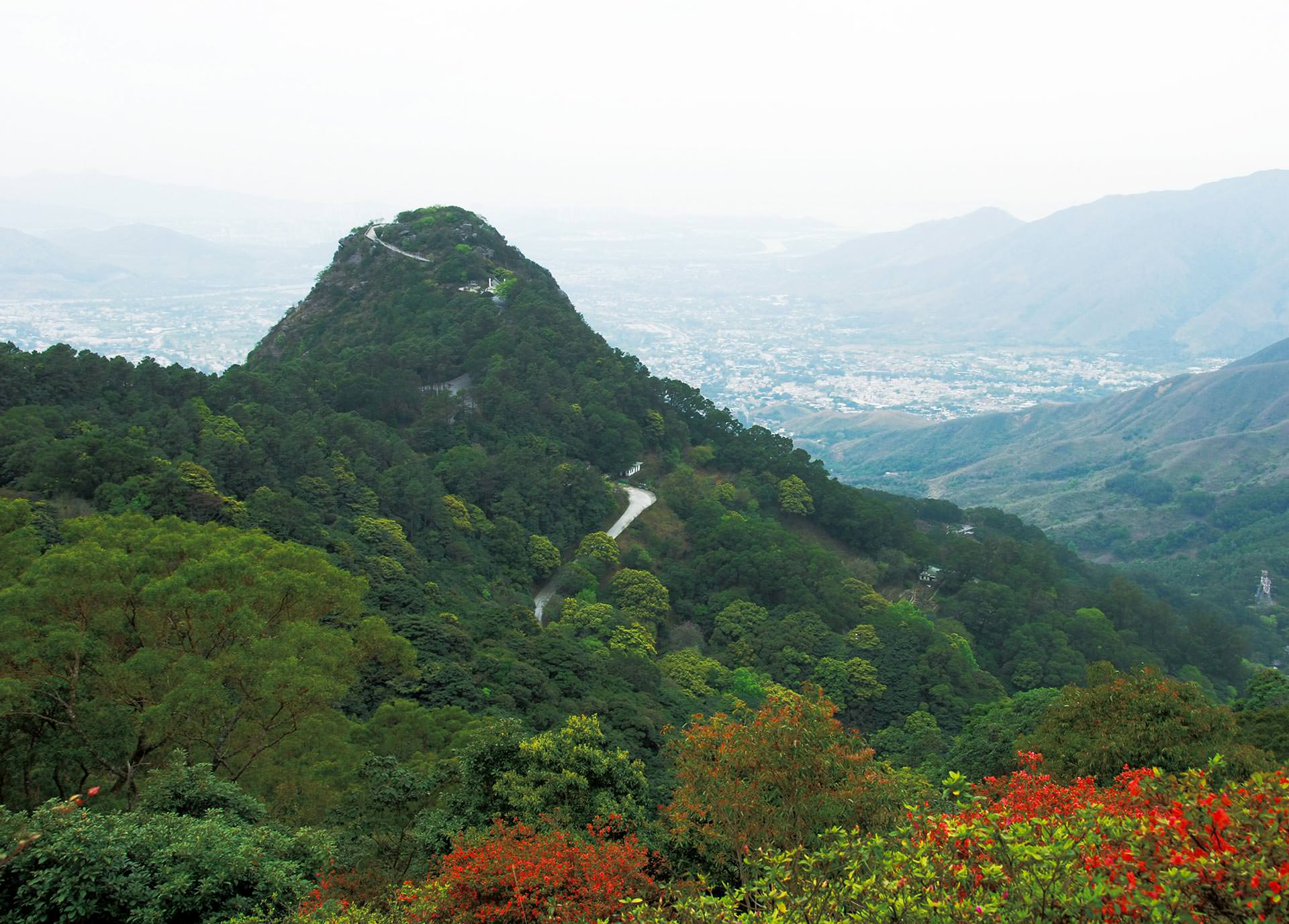
robots.txt (opens in a new tab)
0 rulesAll bots 0 allowed · 0 disallowed
No matching rules.
Sitemaps
0No sitemaps found
User reviews (0)