
 简体中文
 English
Website review
This review may include AI-generated content and is not individually verified. Domain, certificate and other facts come from the observed data on this page.
What is Laver & Wood used for?
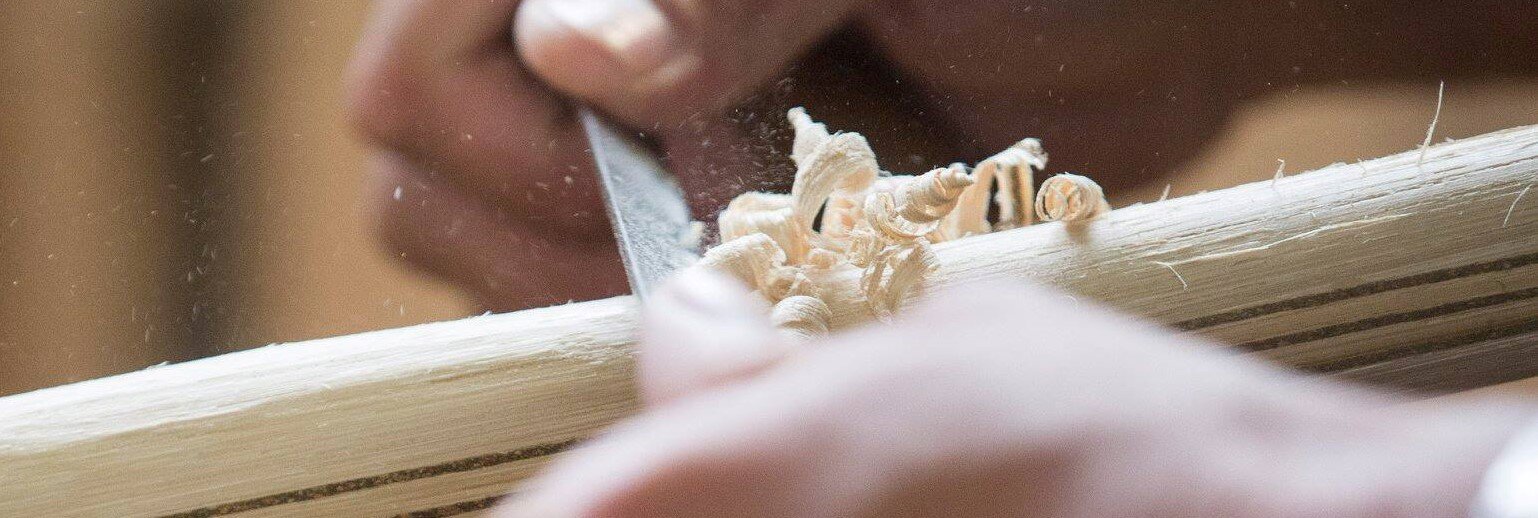
Laver & Wood is a New Zealand cricket bat maker, based in Hawkes Bay, that hand-crafts custom cricket bats to suit a player's style and level. It is used by cricketers who want a bat built around their own game—big hitters, traditional batsmen, all-rounders, and players looking to move up the order—rather than choosing only from off-the-shelf models.
The site organises its offering by player type and need: adult bats, youth bats, a "Tennis Ball Cricket Bat" for informal play, and a "Bat Vault" and "James Signature Bat Vault" for specific or premium bats. A "Get Sized Up" form helps a buyer work out which bat suits them, and bats can be ordered online.
A practical next step: if you are buying for yourself, fill in the sizing form before browsing models, since a custom bat's value depends on matching profile and weight to how you actually bat. Coaches and club buyers may find the youth range and tennis-ball bat useful for junior or casual sessions. One reviewer, Ganesh Kameswaran, notes that the appeal is the choice of profiles, wood and customisation, with light weight and power achieved together; that is his experience, but it points to the main trade-off—customisation and hand-making usually mean longer waits than buying a stock bat, which suits players who know what they want rather than those needing a bat immediately.
How does the custom bat sizing process work for a player ordering from overseas?
For an overseas order, sizing starts with the Get Sized Up form on Laver & Wood Best Custom Bats, which the workshop uses to recommend what suits your game; the bat is then made to order in Hawkes Bay, New Zealand. The site also lists Bat Sizings by Appointment, but that in-person option is mainly relevant if you can visit Napier.
What the process implies for a remote buyer
- You describe your game, not just your height. The site frames custom bats around playing style — big hitter, traditional batsman, all-rounder, or someone moving up the order — so the form is where you explain how you bat, not only your measurements.
- Sizing is matched to the product line. The range is split into Adult Bats, Youth Bats, a Tennis Ball Cricket Bat, and the Bat Vault / James Signature Bat Vault. Expect the recommendation to point you to a category and a setup rather than a single universal size.
- Custom means built after the decision. Because bats are handmade to order, the sizing conversation comes before making, which is why getting the form right matters more than picking off a shelf.
A practical example
A club player in the UK who is tall but mainly a front-foot accumulator would use the form to explain both his height and his scoring pattern, then ask whether a lighter pickup with a mid-to-low sweet spot suits him better than a heavier bat with a higher profile. The same logic applies to a parent ordering a first adult bat for a teenager: state the player's age, height and current bat weight so the recommendation isn't guesswork.
Decision criteria
| Your situation | Sensible first step |
|---|---|
| Unsure of size or profile | Complete Get Sized Up before ordering |
| Know your preferred weight and handle | State them explicitly in the form and ask for confirmation |
| Buying for a junior or new player | Give age, height and current bat so the youth range can be matched |
| Can visit Napier | Book a sizing appointment instead of sizing remotely |
Reviewers on the site describe overseas delivery as straightforward. Ganesh Kameswaran, a Google reviewer quoted on the page, says shipping to the US was hassle free and that his custom bat arrived light yet powerful with the right profile. Mark Tuchin praises the attention to detail in the process, and Carter Kerr notes that communication was strong but timelines could be frustrating. Read together, those observations suggest the sizing conversation is where the value lies, while patience on lead time is the trade-off for a made-to-order bat.
Next step: fill in the Get Sized Up form with your height, current bat weight, batting role and any handle preference, and ask for the recommended profile in writing before you commit.
What is the difference between the Bat Vault, James Signature Bat Vault, and standard adult bats?
The three lines differ mainly in how much choice and involvement you get, not in whether they are handmade: the Adult Bats range is the general, ready-to-buy custom offering, the Bat Vault is a curated selection of bats, and the James Signature Bat Vault is the maker's own signature tier. The site presents them as separate sections alongside youth and tennis-ball bats, but it does not spell out the exact selection criteria, grading rules or lead times for each, so treat any fine distinctions as something to confirm directly.
How to think about the choice
| Line | What it is for | Who it suits | Trade-off |
|---|---|---|---|
| Adult Bats | The main custom route: bats made to suit your game at all levels, with a "Get Sized Up" form to guide specifications | Most club and competitive players who want a bat matched to their style and size | You need to know or work out your preferences; more decisions than picking off a shelf |
| Bat Vault | A curated collection of bats, presented as its own range | Players who want a specific bat picked from a defined set rather than a fully open brief | Less open-ended than a full custom order; what is available is what is listed |
| James Signature Bat Vault | The maker's signature line, associated with James Laver personally | Buyers who want the top of the range and the maker's own stamp on the bat | Likely the most selective and least flexible on specification |
What the evidence supports
The workshop describes itself as making bats for "the big hitter, the traditional batsman, the all-rounder, and anybody just wanting to move up the order," which is the clearest signal that the Adult range is organised around playing style. The site also points to a sizing form as the starting point for matching a bat to you.
Reviewer Ganesh Kameswaran, quoted on the site via Google, highlights choice of profile, wood and level of customisation as what sets the maker apart, and says his custom bat arrived light yet powerful "with the right profile, there was no trade off." That is his experience of a custom order, not a description of the Vault tiers. Mark Tuchin praises the time and attention in the process, and Carter Kerr, buying for about seven years, singles out the grading range from Special Reserve up to Signature — useful context that "Signature" denotes a grading tier rather than a different style of bat.
Practical next step
If you already know your weight, handle and profile preferences, the Adult custom route gives you the most control. If you would rather choose from a defined set, look at the Bat Vault. If the Signature name is the draw, confirm with the workshop what it changes in willow grade, specification limits and delivery time before ordering — those details are best settled by phone or email than assumed from the page. For general background on bat weights and profiles, Lord's publishes the laws and equipment guidance that underpin sizing decisions.
Which Laver & Wood bat should I choose for tennis-ball cricket versus hard-ball club play?
Choose the Tennis Ball Cricket Bat for tennis-ball cricket; choose an Adult Bat (or Youth Bat if the player is a junior) for hard-ball club play. The Bat Vault and James Signature Bat Vault are best treated as upgrade tiers within hard-ball play rather than as tennis-ball options.
Tennis-ball cricket
The tennis-ball bat is the practical starting point because tennis balls are lighter and softer, and the bat is built for that lower-impact game. It suits casual league and park players who want a bat matched to a plastic or tennis ball rather than one carrying hard-ball willow and profile choices they won't use.
Hard-ball club play
Adult Bats are the main range for club cricketers, with profiles aimed at big hitters, traditional batsmen and all-rounders. Two decisions matter most:
- Playing style: tell the maker whether you drive, cut, or hit hard, and let the profile follow from that rather than picking a shape you like the look of.
- Weight: the site's reviewer Ganesh Kameswaran notes a light bat that still felt powerful with the right profile, with no trade-off. Treat that as one player's experience; for club cricket, a weight you can control through a full innings matters more than a light number on paper.
The Bat Vault and James Signature Bat Vault are the higher tiers for players who want a specific willow grade or a more select piece of timber. The trade-off is cost and, for custom work, waiting time: reviewer Mark Tuchin mentions good communication alongside frustrating lead times, while Carter Kerr rates the experience 10/10 despite delays. If you need a bat for a season starting soon, confirm the current build time before ordering a custom piece.
A quick way to decide
- Ball type first: tennis or soft ball, take the tennis-ball bat; hard ball, take an Adult or Youth Bat.
- Then budget and timing: a stock adult bat if you need it now; a custom or vault bat if you can wait and want the profile and willow chosen for you.
- Use the Get Sized Up form on Laver & Wood Best Custom Bats to get a size recommendation, then compare the Adult, Youth and Bat Vault pages before ordering.
How do Laver & Wood bats compare in price and quality to big-brand bats for a buyer in the US?
For a US buyer, Laver & Wood sits in the custom, small-workshop tier rather than the mass-market big-brand tier. The trade-off is straightforward: you get a bat shaped to your game and a maker's direct attention, but you accept longer lead times, import logistics and less ability to walk into a shop and pick one off the rack. The site frames the offer around "Custom Made – High Performance – Hand Crafted," with bats built in the Hawkes Bay workshop to suit "your game at all levels."
Quality: what the difference actually is
Big-brand bats are typically produced in volume and graded by willow appearance and weight bands; you choose from what's in stock. Laver & Wood's pitch is the opposite: profiles chosen for a batting style, willow selected by the maker, and a sizing process (the site points buyers to a "Get Sized Up" form). The product range on the page spans Adult Bats, Youth Bats, a "Bat Vault," a "James Signature Bat Vault" and a Tennis Ball Cricket Bat, so the custom approach is applied across levels rather than only at the top.
Customer reviews quoted on the site support this concretely. Ganesh Kameswaran, a Google reviewer, says he owns several big-brand bats and finds Laver & Wood's choice of profiles, wood and customization level distinctive, adding that shipping to the US was hassle-free and his bat arrived light yet powerful "with the right profile, there was no trade off." Mark Tuchin praises the willow and attention to detail; Carter Kerr, a seven-year customer, highlights the grading range from Special Reserve to Signature and notes that communication was strong even when timing was frustrating. These are buyers' observations, not neutral testing—my practical read is that the recurring theme is fit and consistency rather than a claim of superior raw materials.
Price: how to think about it
The page gives no figures, and comparing headline prices is misleading here. A big-brand bat's price mostly reflects brand, model tier and cosmetic willow grade. A custom bat's price reflects the maker's time, the specific cleave of willow and the shaping work. Ganesh Kameswaran calls the pricing "very reasonable for the quality I got"—useful as a buyer's impression, but not a number to budget from. For a US buyer, add shipping and any import duties to whatever quote you receive, and ask for a landed-cost figure rather than a workshop price.
A quick comparison
| Laver & Wood (custom workshop) | Big-brand bat (retail) | |
|---|---|---|
| Selection | Profile and willow chosen for your game | Pick from stock models and grades |
| Lead time | Made to order; expect a wait | Immediate, especially in-season |
| US purchase | Ordered remotely, shipped from NZ | Local pro shop or online retailer |
| Try before buying | Sizing by form/consultation | Handle and pick up in person |
| Best for | Players with a clear batting style and patience | Players needing a bat this week |
What to do next
If you're in the US and considering one, fill in the sizing form and ask two questions before committing: the expected build and delivery window, and the estimated total landed cost including shipping and duties. Then compare that against a big-brand bat you can actually hold. If you play regularly and know your preferred weight and profile, the custom route's fit advantage is worth the wait; if you need a bat for a tour starting soon, a local big-brand purchase is the safer call. For background on the maker, see Laver & Wood Best Custom Bats.
How long does a custom bat take to make and ship from the New Zealand workshop?
Lead times aren't stated on the page, so the honest answer is that you'll need to confirm timing directly with the workshop before ordering. What the page does show is that every bat is hand-built to order in Napier, Hawkes Bay, and that customers should expect a wait rather than off-the-shelf dispatch.
What the page tells you about timing
- Bats are custom made in the New Zealand workshop to suit your game at any level, so production starts after your order and sizing, not from stock.
- Sizing runs through the site's "Get Sized Up" form, or by appointment at the Napier store (Monday–Friday, 9:00–16:00). Building that step into your plan adds time before the bat is even shaped.
- A reviewer, Mark Tuchin, describes communication as great but "times had been frustrating," while feeling the team went above and beyond on intricate requests. That's his experience, not a published schedule. My read: treat the quoted lead time as a target that can stretch for detailed custom requests, and order earlier than you think you need to.
A practical way to plan
- Decide your deadline first — a season start, a tour, or a gift date.
- Send the workshop your sizing details and ask for both a make time and a shipping estimate to your country, in writing.
- Add a buffer of several weeks for international transit and customs, since the page only confirms that overseas shipping happens, not how long it takes.
- Ask whether any ready-made options (the Bat Vault or Specials sections) could ship sooner if your date is tight.
Ganesh Kameswaran, another reviewer, notes shipping to the US was hassle free — useful as a signal that international delivery works smoothly, though he doesn't give a timeframe.
If timing is your priority
Custom hand-making trades speed for fit: you get a profile matched to your batting style, but you wait for it. If you need a bat within weeks, ask about non-custom stock first; if you have a full pre-season to spare, the custom route makes more sense. For general background on bat construction and grading before you enquire, Lord's is a reliable neutral reference.
 Cloudflare
 Zoho Mail
User reviews (0)