Website profiles · Technology insights · Alternatives

marineconservationphilippines.org

Volunteer with non-profit research team in the Philippines. Learn to dive, survey coral reefs, protect marine life and make lifelong friends.

No paid content found
Visit website
Profile views 0 Outbound visits 0 Normal
Marine Conservation Volunteering in the Philippines | MCP Full homepage screenshot

At a glance

Category
Education & Learning
Language
English
Paid-content signal
No paid content foundObserved
Registered
2012
Hosting
CloudflareInferred
HTTPS certificate trusted
PassedObserved
Last updated

Website review

This review may include AI-generated content and is not individually verified. Domain, certificate and other facts come from the observed data on this page.

What is Marine Conservation Philippines?

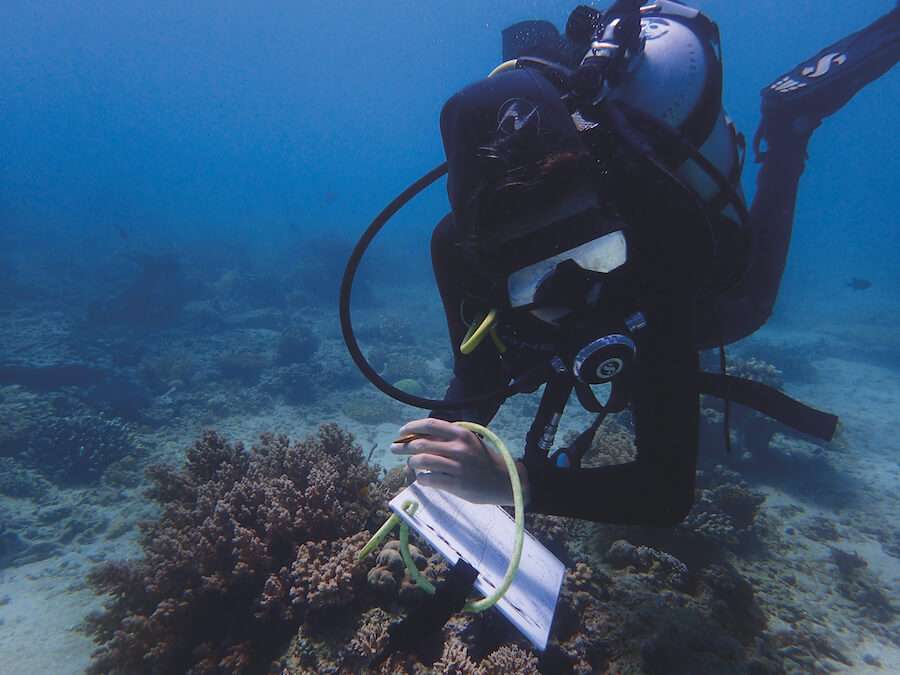
Marine Conservation Philippines (MCP) is a registered Philippine non-profit, active since 2015, that runs marine conservation volunteering programmes in southern Negros Oriental. Volunteers learn to dive or build on existing skills, train as scientific divers, and then survey the same coral reefs repeatedly so the results feed long-term monitoring data. Alongside diving, the programme includes community work such as youth education, mangrove planting and beach clean-ups, with shared simple living on a volunteer base.

Who it suits

The page describes volunteers as typically aged 18–60 and states that no previous diving experience is needed, with PADI training from Open Water to Divemaster taught by the organisation's own instructors. Stays run 6–24 weeks, with new volunteers starting every other Monday. That makes it a reasonable fit for someone with a free block of weeks who wants structured training plus repeat survey work, rather than a short taster trip. Anyone wanting a brief holiday-style experience, or unable to commit to several weeks, would find the format less suitable.

What the work involves

  • Scientific diving and fish and reef surveys feeding long-term monitoring
  • Dive training across PADI courses
  • Community projects: youth education, mangrove planting, Marine Protected Area support
  • Base life with volunteers and staff from around the world

The organisation reports 2,000+ reef surveys a year, 31,000+ mangrove trees planted with partners, and 120+ government divers trained. Its own survey teams cover three municipalities, with work extending through municipal alliances and coastal clean-ups to 14 municipalities in Negros Oriental.

A practical next step

If you are weighing this against other conservation volunteering, check two things before applying: whether the minimum six-week stay and every-other-Monday start fit your calendar, and whether you want survey-focused diving or a broader mix of diving and community work. For comparison, Marine Conservation Society and Reef-World publish wider conservation information that can help you judge how survey-based programmes fit into reef protection generally.

How do I choose between joining as a volunteer, donating, or subscribing?

Choose by what you can give: time and physical effort if you want to dive and survey, money if you want the work to continue without travelling, and a small recurring amount if you mainly want to stay informed and support the organisation's visibility. The page presents these as three separate ways to join in, and the volunteer route is clearly the most involved.

Compare the three routes

Route Best for What you actually commit Main trade-off
Volunteer People who want hands-on reef work and are free for 6–24 weeks Learning to dive or building existing skills, training as a scientific diver, then repeated reef and fish surveys, plus community projects, mangrove planting and clean-ups Time, travel and simple shared living on base; new volunteers start every other Monday
Donate Supporters who believe in the monitoring work but cannot travel A one-off or occasional contribution No direct participation; you rely on reported results
Subscribe People who want a light, ongoing connection A recurring commitment, typically small Least direct involvement of the three

How to decide

Ask yourself three questions. Can you leave home for at least six weeks? If yes, and you want to be in the water, volunteering is the strongest fit. The page notes no previous diving experience is needed, with PADI training from Open Water to Divemaster taught by the organisation's own instructors, and volunteers typically aged 18–60.

If time is the blocker but money is not, donate. The page's results section is the useful test here: more than 2,000 reef surveys a year, 31,000+ mangroves planted with partners, and work across 14 municipalities in Negros Oriental. A donor can judge whether that long-term monitoring is the kind of work they want to fund.

If you want to follow the work rather than fund or join it heavily, subscribe. Treat it as staying connected, not as participation.

A practical middle path: subscribe first, read the results and volunteer reviews, then decide whether to donate or apply to volunteer once your calendar allows a 6–24 week stay. For context on similar programmes elsewhere, compare with Reef Check Foundation or Coral Reef Alliance before committing.

Do I need prior diving experience to volunteer, and how does the PADI training progress?

No. The program states plainly that no previous diving experience is needed, so beginners and already-certified divers both join the same survey teams.

How the training progresses

  • Start at your level. New volunteers without certification begin with entry-level PADI training; those with existing skills build on them rather than repeating basics.
  • Train as a scientific diver. After foundational dive training, volunteers learn the survey methods used on the reefs.
  • Survey the same reefs repeatedly. Once trained, you join fish and reef surveys that feed the team's long-term monitoring data — the point where volunteering becomes real research contribution rather than a course.
  • Go further if you stay longer. PADI courses run from Open Water up to Divemaster, taught by the organisation's own instructors, so a 6–24 week stay leaves room to progress through several levels.

What this means in practice

A typical beginner on a six-week placement should expect the first stretch to be dominated by training and supervised dives, with survey work growing as skills are signed off. Someone arriving already certified can move into scientific-diver training sooner and spend more of the trip on data collection. The longer you stay, the more the balance shifts from learning toward contributing — which matters if your goal is a diving career or research experience rather than a short taster.

Practical points to weigh: training is progressive and instructor-led, so pace depends on your comfort in the water, and the shared base life means early mornings and boat days are part of the routine. Volunteers are typically aged 18–60, and new intakes start every other Monday.

Next step

Check the packages and prices page for how course level and stay length are bundled, then compare with other reef-volunteer options such as Reef Check if you want to see how scientific-diver training is structured elsewhere. If you have a specific certification goal, ask the team before booking which PADI level a given stay length realistically reaches.

What does a typical week on base look like for a volunteer, including dives and community projects?

A typical week combines dive training or scientific diving with survey work and community projects, on a repeating schedule rather than a fixed daily timetable. New volunteers start every other Monday and stay 6–24 weeks, so the week you get depends on where you are in training and which survey the team is running.

The pattern of a week

  • Dive training or skills practice. Volunteers learn to dive or build on existing skills, training as scientific divers before joining surveys. PADI courses run from Open Water to Divemaster, taught by the project's own instructors.
  • Reef and fish surveys. Trained volunteers survey the same reefs week after week, feeding long-term monitoring data. This repetition is the core of the experience: you learn a site well rather than ticking off new ones.
  • Community projects between dives. Youth education, mangrove planting, support for local Marine Protected Areas, and beach clean-ups in Dauin and Dumaguete City.
  • Base life. Shared meals and simple living with volunteers and staff from around the world; volunteers are typically aged 18–60.

What this means in practice

If you have never dived, expect your first weeks to be dominated by training and confined-water or shallow practice, with surveys coming once you are certified and checked out as a scientific diver. Experienced divers can move into survey work sooner, but still need to learn the team's methods and species. Someone joining for the minimum six weeks should plan on a meaningful share of that time in training; a 12-week stay gives a better balance of learning and contributing.

The trade-off is depth over variety. You will see the same reefs repeatedly and spend real time on land-based projects, which suits people who want to understand a place and its conservation work rather than collect dive sites. It is less suited to anyone wanting a holiday-style dive itinerary.

A useful next step

Before applying, ask the team two questions: how many of your weeks would be training versus surveying given your current certification, and which community projects fall during your dates. The site's packages and prices page and its "typical day" section are the places to check the schedule and costs, and the reviews page gives a sense of how past volunteers found the balance. For comparison, other organisations running similar reef programmes include Reef Conservation and Coral Cay Conservation.

How much does a 6- to 24-week volunteer stay cost, and how do the progressive discounts work?

The page does not publish a price for a 6- to 24-week stay. It only states that volunteers stay 6–24 weeks and that "progressive discounts" are applied, with a "Packages & prices" section referenced but no figures or discount rules included in the supplied content. So the cost and the exact way discounts scale cannot be stated from this material.

What is documented

  • Stay length: 6–24 weeks, with new volunteers starting every other Monday.
  • Discounts: described as "progressive," meaning the rate presumably improves as the stay gets longer, but the tiers, percentages and whether they apply per week or to the total are not shown.
  • Inclusions implied by the programme: PADI training from Open Water to Divemaster taught by in-house instructors, scientific diving and reef surveys, community projects, and shared base living with meals.
  • No prior diving experience needed, and volunteers are typically aged 18–60.

Practical way to compare a 6-week and 24-week stay

Because the discount structure is unpublished, ask the team for a written quote at two or three lengths (for example 6, 12 and 24 weeks) so you can see the effective weekly rate rather than just the headline discount. A longer stay usually lowers the per-week cost because fixed costs such as training and orientation are spread over more weeks, but that is general reasoning about volunteer programmes, not a stated feature of this one.

Also confirm what the fee covers: PADI course materials and certification fees, accommodation and meals, transfers, and insurance are the items that most often sit outside a quoted package. For someone budgeting, the useful comparison is total cost divided by survey weeks, since training weeks early in the stay involve less reef survey time.

For the actual numbers, use the "Packages & prices" page on Marine Conservation Philippines and ask directly how the progressive discount is calculated.

Which municipalities and Marine Protected Areas does MCP actually work in, and how do I know the results are real?

MCP's own survey teams work the reefs of three municipalities on the south coast of Negros Oriental: Zamboanguita, Siaton and Santa Catalina. Its reach extends further through partnerships. It supports the BATASS alliance (Bais City, Amlan, Tanjay City, San Jose and Sibulan) and the BATMAN alliance (Bindoy, Ayungon, Tayasan and Manjuyod), including training government dive teams and joint work on their Marine Protected Areas. Weekly coastal clean-ups in Dauin and Dumaguete City bring the total to 14 municipalities where it is active.

The page does not name individual Marine Protected Areas, only the municipalities and alliances. If a specific reef or MPA matters to you, ask the team directly which sites you would survey during your stay.

Judging whether the results are real

The site separates its claims by type, which helps you weigh them:

Claim type What the page states How to read it
Direct survey work 2,000+ reef surveys per year; three municipalities surveyed by its own teams Most concrete; ask to see the long-term monitoring data
Partner-based work 120+ government divers trained; support for BATASS and BATMAN MPAs Real but shared credit; ask what MCP's specific role was
Wider programmes 17.9 million+ pieces of ocean plastic removed; 31,000+ mangrove trees planted Often delivered with partners; check the timeframe and method
Reputation Rated 4.9 out of 5 in 130+ independent reviews Useful signal, but reviews reflect the volunteer experience, not conservation outcomes

A registered Philippine non-profit since 2015, with named partnerships with ENRD, DENR and local government units, gives you entities to verify. The site also links to a full results record since 2015 and several films, including a nine-minute impact piece and a six-minute explanation of its conservation approach.

Next step: before booking, request the monitoring reports for the reefs you would survey and ask how survey data is shared with the municipal alliances. A volunteer staying 6–24 weeks (start dates every other Monday) will see the same reefs repeatedly, so it is fair to ask what your data would feed into. For comparison on how other organisations present marine volunteering, see Reef Check and PADI AWARE Foundation.

Related questions

More questions →
Do You Need Diving Experience to Volunteer with Marine Conservation Philippines?

No. Marine Conservation Philippines (MCP) states that no previous diving experience is needed. Beginners can join and start with a PADI Open Water course taught by MCP's own instructors, then progress toward scientific diving and reef surveys. The main conditions to plan around are age (volunteers are typically 18–60), start dates (new volunteers begin every other Monday), and stay length (6–24 weeks).

What the programme expects from you

MCP describes volunteers as central to its survey work. The pathway is:

  1. Learn to dive or build on existing skills — PADI courses are offered from Open Water up to Divemaster, taught by in-house instructors.
  2. Train as a scientific diver — the skills you learn are applied to survey work.
  3. Survey the same reefs week after week — fish and reef surveys feed MCP's long-term monitoring data.

So the entry requirement is willingness to train, not a certification you must already hold. If you arrive already certified, the programme is structured so you build on that rather than repeat the basics.

What you actually do beyond diving

Diving is only part of the volunteer week. Between dives, MCP lists:

  • Community work — youth education, mangrove planting, and support for local Marine Protected Areas
  • Coastal clean-ups — weekly clean-ups in Dauin and Dumaguete City
  • Life on base — shared meals and simple living with volunteers and staff from around the world

This matters if you are choosing between programmes: you are signing up for survey diving plus community and coastal work, not a dive-only holiday.

Practical conditions to check before applying

Item What MCP states
Prior diving experience Not required
Training available PADI Open Water through Divemaster
Typical volunteer age 18–60
Start dates Every other Monday
Stay length 6–24 weeks
Pricing Packages & prices listed on site; progressive discounts applied for longer stays

The site references packages and prices and mentions progressive discounts, but the supplied page content does not include specific figures. Check the packages and prices page directly before budgeting, and confirm what a package includes rather than assuming.

How to judge whether it fits you

Use these questions to decide:

  • Can you commit 6–24 weeks? The minimum stay is the biggest practical filter. Shorter trips are not what this programme is built around.
  • Are you comfortable with training before surveying? If you want to survey reefs immediately on arrival, this is not that model — you train first.
  • Do you want community and clean-up work mixed in? If you only want dive time, weigh that against the programme's broader scope.
  • Does the timing work? Start dates every other Monday mean you need to align travel with that cycle.

What the organisation's track record shows

MCP reports being a registered Philippine non-profit since 2015, partnered with ENRD, DENR, and local government units, and rated 4.9 out of 5 across more than 130 independent reviews. It lists results including 17.9 million+ pieces of ocean plastic removed, 31,000+ mangrove trees planted with partners, 2,000+ reef surveys per year, and 120+ government divers trained. Its survey teams cover three municipalities on the south coast (Zamboanguita, Siaton, Santa Catalina), with work reaching further through the BATASS and BATMAN municipal alliances and clean-ups in Dauin and Dumaguete City — 14 municipalities across Negros Oriental in total.

These figures are MCP's own reported results; they are useful for understanding the programme's scale and focus, not as independent verification.

Bottom line

If you have never dived, you can still volunteer with MCP — you will train through PADI Open Water and up, then move into scientific diving and reef surveys. The real eligibility questions are time (6–24 weeks), age range (typically 18–60), and aligning your arrival with the every-other-Monday start cycle. Confirm current package prices and inclusions on the site before committing.

What is Marine Conservation Philippines (MCP)?

Marine Conservation Philippines (MCP) is a registered Philippine non-profit, operating since 2015, that runs marine conservation volunteering from a base in southern Negros Oriental. Volunteers learn to dive or build on existing skills, train as scientific divers, and then survey the same coral reefs week after week, with community projects, mangrove planting and beach clean-ups between dives. No previous diving experience is needed, and new volunteers start every other Monday for stays of 6–24 weeks.

What the organisation actually does

MCP describes its work as "results, not promises" and publishes cumulative figures rather than projections. The page evidence lists:

  • 17.9 million+ pieces of ocean plastic removed
  • 31,000+ mangrove trees planted with partners
  • 2,000+ reef surveys every year
  • 120+ government divers trained

The core activity is long-term reef monitoring: volunteer survey data feeds the organisation's monitoring record, which is why the same reefs are revisited repeatedly rather than surveyed once.

Where MCP works

MCP's own survey teams cover three municipalities on the south coast, and its partnerships extend that reach considerably:

Area Municipalities
MCP's own survey area Zamboanguita, Siaton, Santa Catalina
BATASS alliance Bais City, Amlan, Tanjay City, San Jose, Sibulan
BATMAN alliance Bindoy, Ayungon, Tayasan, Manjuyod
Coastal clean-ups Dauin and Dumaguete City

In total, the organisation says its work reaches 14 municipalities across Negros Oriental. It is partnered with ENRD, DENR and local government units, and supports municipal alliances on training government dive teams and joint work on Marine Protected Areas.

What volunteers do

The volunteer role has four strands, according to the site:

  • Scientific diving — fish and reef surveys that feed the long-term monitoring data.
  • Dive training — PADI courses from Open Water to Divemaster, taught by MCP's own instructors.
  • Community work — youth education, mangrove planting and support for local Marine Protected Areas.
  • Life on base — shared meals and simple living with volunteers and staff from around the world.

Volunteers are typically aged 18–60, and the organisation states that no previous diving experience is needed — training is built into the programme.

How to judge whether it fits you

The site reports a rating of 4.9 out of 5 across more than 130 independent reviews, and quotes volunteers describing staff as friendly, committed and supportive. That is the organisation's own selection of feedback, so treat it as a starting point rather than a verdict.

Before committing, check the things the page leaves open:

  • Cost and what it covers — the site mentions packages, prices and progressive discounts for longer stays, but the excerpt does not state figures. Ask for a full breakdown of programme fees, accommodation and course costs before booking.
  • Time commitment — 6–24 weeks is a long stay; confirm how much of that is training versus independent survey work if research experience is your goal.
  • Certification path — if you already hold dive certifications, ask where you would enter the PADI progression and whether course fees differ accordingly.
  • Start dates — intakes run every other Monday, so plan travel around that cycle.

For anyone weighing a conservation volunteering placement, MCP's distinguishing feature is the survey model: you are contributing to repeated monitoring of specific reefs, not joining a one-off dive trip. If that kind of structured, data-oriented work appeals, the site's results page and film section (including a 9:56 impact film and a 6:05 piece on its conservation approach) give a fuller picture before you apply.

Ways to Join or Support Marine Conservation Philippines (MCP)

Marine Conservation Philippines offers three main routes to get involved: volunteering on base in southern Negros Oriental (the core programme, with packages and prices listed on the site), donating, and subscribing for updates. If you want to see the work before committing, the site hosts short films and more than 130 independent volunteer reviews. The right choice depends on whether you can give time on site or only want to support from a distance.

Volunteer: the main route

Volunteering is the centre of MCP's work — the site describes volunteers as "at the heart of our survey work." Placements run 6–24 weeks, with new volunteers starting every other Monday. Volunteers are typically aged 18–60, and no previous diving experience is needed.

What you actually do

Activity Detail from the site
Scientific diving Fish and reef surveys that feed long-term monitoring data
Dive training PADI courses from Open Water to Divemaster, taught by MCP's own instructors
Community work Youth education, mangrove planting, support for local Marine Protected Areas
Base life Shared meals and simple living with volunteers and staff from around the world

The pattern is progressive: you learn to dive (or build on existing skills), train as a scientific diver, then survey the same reefs week after week. Between dives, community projects, mangrove planting and beach clean-ups fill the schedule.

Before you apply

  • Check the time commitment. Six weeks is the stated minimum; the dive-training-to-survey progression takes time, so shorter stays limit how much survey work you can do.
  • Look at packages and prices on the site. The site lists packages and prices and mentions progressive discounts for longer stays; confirm current figures there rather than assuming.
  • Expect simple living. Shared meals and basic base accommodation are part of the model, not a side note.
  • Apply through the site's application page. The site presents "Apply now" as the entry point.

Donate or subscribe: support without travelling

If you cannot commit weeks on site, the site offers Donate and Subscribe as alternatives. Donating supports the research and community work directly; subscribing keeps you connected to updates. The site does not publish specific donation amounts or subscription terms in the material available, so check those pages for current details.

Check the track record first

MCP frames its reporting as "results, not promises." Figures the site cites:

  • 17.9 million+ pieces of ocean plastic removed
  • 31,000+ mangrove trees planted with partners
  • 2,000+ reef surveys every year
  • 120+ government divers trained
  • Registered Philippine non-profit since 2015
  • Rated 4.9 out of 5 across 130+ independent reviews

Its reach spans 14 municipalities in Negros Oriental: its own survey teams cover Zamboanguita, Siaton and Santa Catalina; the BATASS alliance adds Bais City, Amlan, Tanjay City, San Jose and Sibulan; the BATMAN alliance adds Bindoy, Ayungon, Tayasan and Manjuyod; weekly coastal clean-ups run in Dauin and Dumaguete City. Partners include ENRD, DENR and local government units.

Watch the films and read reviews

The site hosts several short films — Safeguarding our seas (0:37), Our impact (9:56), Our approach to conservation (6:05) and a campus tour (2:13). These are the quickest way to judge whether the base, the diving and the community work match what you want. The review section is equally useful: volunteers describe staff as friendly, committed and supportive, and point to tangible results — a reasonable signal for first-time volunteers weighing a multi-week commitment.

Choosing your route

  • You have 6+ weeks and want hands-on conservation work: volunteer, and read the packages and prices page before applying.
  • You dive already and want to build survey skills: the PADI-to-scientific-diver pathway is the fit; say so in your application.
  • You have limited time or can't travel: donate or subscribe, and use the films and results page to decide whether to support further.
  • You're still deciding: start with Our impact and the reviews, then check the application page for start dates (every other Monday).
What Do Volunteers Do on an MCP Marine Conservation Programme?

Volunteers on a Marine Conservation Philippines (MCP) placement learn to dive or build on existing dive skills, train as scientific divers, and then survey the same coral reefs week after week to feed the organisation's long-term monitoring data. Between dives, they join community projects such as youth education, mangrove planting and beach clean-ups, and they live and share meals on base with volunteers and staff from around the world. No previous diving experience is needed, and volunteers typically stay 6–24 weeks, with new intakes starting every other Monday.

The core work: scientific diving and reef surveys

The survey work is described by MCP as the heart of its volunteer programme. The sequence is:

  1. Dive training or skills building — you learn to dive, or develop the skills you already have, through PADI courses taught by MCP's own instructors, ranging from Open Water to Divemaster.
  2. Scientific diver training — you train as a scientific diver before joining survey work.
  3. Repeated reef surveys — you then survey the same reefs week after week. The fish and reef surveys feed MCP's long-term monitoring data, which is why consistency across weeks matters.

MCP reports that its teams carry out more than 2,000 reef surveys every year, and that it has trained more than 120 government divers.

Community and coastal work between dives

Volunteering is not only underwater. Between dives, MCP lists:

  • Community work — youth education and support for local Marine Protected Areas.
  • Mangrove planting — MCP reports more than 31,000 mangrove trees planted with partners.
  • Beach clean-ups — weekly coastal clean-ups in Dauin and Dumaguete City.
  • Plastic removal — MCP reports more than 17.9 million pieces of ocean plastic removed.

Where the work happens

MCP is a registered Philippine non-profit, active since 2015, based in southern Negros Oriental. Its own survey teams cover the reefs of three municipalities on the south coast: Zamboanguita, Siaton and Santa Catalina. Through support for the BATASS and BATMAN municipal alliances — including training government dive teams and joint work on Marine Protected Areas — its work reaches nine more municipalities, and the weekly clean-ups bring the total to 14 municipalities across Negros Oriental. MCP states it is partnered with ENRD, DENR and local government units.

Life on base

Volunteers live on base with volunteers and staff from around the world, sharing meals and simple living. MCP describes volunteers as typically aged 18–60, and notes that progressive discounts apply to longer stays. It also cites a rating of 4.9 out of 5 across more than 130 independent reviews.

Is this the right fit for you?

If you want to… MCP's programme offers…
Learn to dive from scratch PADI training from Open Water upward, taught in-house
Use existing dive skills for conservation Scientific diver training and weekly reef surveys
Contribute to long-term data, not one-off trips Repeated surveys of the same reefs feeding monitoring data
Mix diving with community and coastal work Youth education, mangrove planting, beach clean-ups
Commit for a meaningful period Stays of 6–24 weeks, intakes every other Monday

If you are looking for a short holiday dive trip or cannot commit several weeks, the 6-week minimum stay is the main constraint to weigh. If you want structured scientific diving training alongside community work in a live-in team setting, the programme is designed around exactly that.

What Conservation Results Has Marine Conservation Philippines Achieved?

Marine Conservation Philippines (MCP) reports four headline results: 17.9 million+ pieces of ocean plastic removed, 31,000+ mangrove trees planted with partners, 2,000+ reef surveys per year, and 120+ government divers trained. It also reports a 4.9 out of 5 rating across more than 130 independent reviews. These are the organisation's own published figures, so treat them as reported results rather than independently audited outcomes. They are most useful for judging the scale and focus of MCP's work, not for comparing it precisely against other organisations.

The reported results at a glance

Result Reported figure What it reflects
Ocean plastic removed 17.9 million+ pieces Clean-up activity, including weekly coastal clean-ups
Mangrove trees planted 31,000+ (with partners) Habitat and coastal protection work
Reef surveys 2,000+ per year Long-term monitoring data collected by volunteer scientific divers
Government divers trained 120+ Capacity-building for local government dive teams
Volunteer rating 4.9 / 5 from 130+ independent reviews Volunteer experience, not conservation outcomes

Where the work happens

MCP's own survey teams cover the reefs of three municipalities on the south coast of Negros Oriental: Zamboanguita, Siaton and Santa Catalina. Through support for the BATASS and BATMAN municipal alliances — including training government dive teams and joint work on Marine Protected Areas — the organisation says its work reaches nine more municipalities. Weekly coastal clean-ups in Dauin and Dumaguete City bring the total to 14 municipalities across Negros Oriental.

That geographic spread matters when reading the numbers: the plastic and mangrove figures are programme-wide, while the reef survey count is tied to the areas where MCP's teams actually dive.

How volunteers contribute to these results

Volunteers are central to the survey output. They learn to dive (or build on existing skills), train as scientific divers, and then survey the same reefs week after week so the data feeds long-term monitoring. Between dives, volunteers take part in community projects, mangrove planting and beach clean-ups — the activities behind the planting and plastic-removal figures.

Practical conditions from the site:

  • No previous diving experience needed; PADI courses run from Open Water to Divemaster, taught by MCP's own instructors.
  • Stay 6–24 weeks, with new volunteers starting every other Monday.
  • Progressive discounts are applied for longer stays.
  • Typical volunteer age is 18–60.
  • Shared meals and simple living on base with volunteers and staff from around the world.

How to weigh these results

  • Check the time frame. The site presents cumulative totals (plastic, mangroves, divers trained) alongside an annual figure (2,000+ reef surveys per year). Ask or check how far back the cumulative numbers run before comparing them with other programmes.
  • Separate experience from impact. The 4.9 rating measures how volunteers found the programme; it does not verify conservation outcomes.
  • Look for the underlying data. MCP states it has recorded results since 2015 and links to a full results page, and it publishes films on its impact and approach. Reviewing those gives more context than the headline numbers alone.
  • Match your goal to the output. If you want hands-on reef survey experience, the survey and dive-training figures are the relevant ones. If you want community or habitat work, the mangrove and clean-up numbers are the better guide.

For anyone deciding whether to volunteer or donate, the clearest signal is the combination: a registered Philippine non-profit operating since 2015, partnered with ENRD, DENR and local government units, with survey work concentrated in southern Negros and extended through municipal alliances. The reported figures describe a programme that is active and locally embedded; confirming their time frame and methodology is the step that turns them into a fair basis for comparison.

Website Overview

An established domain and managed infrastructure suggest continuity of operations and may support dependable delivery, although neither guarantees service quality. Page metadata, canonical configuration and social previews work together to provide more consistent search and sharing presentation.

Domain and Registration

Registered in 2012, this domain has about 14 years of history. That suggests continuity, although ownership and purpose may have changed. Transfer-protection status is present, helping reduce the risk of unauthorized domain transfers. The registrar is Cloudflare, Inc., a widely used domain service provider. The domain uses the common .org extension, which is not an independent safety signal.

DNS and Email

Nameservers are provided by Cloudflare, indicating managed DNS hosting. MX records point to the Cloudflare Email Routing email service. No CNAME was found; the observed records resolve directly to addresses. SPF and DMARC are configured. DKIM status is unknown. DNSSEC signatures were not detected, so this additional DNS authenticity protection is not confirmed.

TLS and Certificates

The public key uses EC with 256 bits. The server supplied a complete certificate chain. No organization name is present in the certificate; the available fields are consistent with domain validation. The certificate was issued within the Google Trust Services cloud or CDN ecosystem. The certificate's total validity is about 90 days, consistent with a short renewal cycle.

HTTP and Browser Security

The checked browser-security headers were not detected, leaving fewer explicit browser-side safeguards. No X-Powered-By header was found, reducing one common source of backend fingerprinting information. The cf-ray response header indicates a CDN or caching proxy in the delivery path. No obvious internal addresses or debug information were found in the headers. The Server header identifies cloudflare without an exact version.

Technology Stack Analysis

The public page identifies WordPress, Google Tag Manager, Cloudflare without precise versions, leaving fewer clues for version-specific scanning.

Search and Social Sharing

Twitter Card metadata is configured. JSON-LD includes Organization data, helping describe the organization as an entity. The title has 57 characters, within a common display range. A meta description is present, with 141 characters. The observed directives allow indexing and link following.

Hosting and Email

DNSCloudflare
HostingCloudflare
EmailCloudflare Email Routing
Approximate IP geolocation (inferred; a CDN or proxy may differ from the origin server) United States flagUnited States Inferred 2606:4700::6810:966c

Registration details

RDAP / WHOIS

RegistrarCloudflare, Inc.
Registered2012-04-25
Expires2027-04-25
Domain statusclient transfer prohibited
Nameserversphil.ns.cloudflare.com、tori.ns.cloudflare.com
DNSSECunsigned

DNS records

DNS

TypeNameValueTTLPriority
Amarineconservationphilippines.org104.16.150.108300—
Amarineconservationphilippines.org104.16.151.108300—
AAAAmarineconservationphilippines.org2606:4700::6810:966c300—
AAAAmarineconservationphilippines.org2606:4700::6810:976c300—
MXmarineconservationphilippines.orgroute2.mx.cloudflare.net30025
MXmarineconservationphilippines.orgroute3.mx.cloudflare.net30093
MXmarineconservationphilippines.orgroute1.mx.cloudflare.net30094
NSmarineconservationphilippines.orgphil.ns.cloudflare.com86400—
NSmarineconservationphilippines.orgtori.ns.cloudflare.com86400—
TXTmarineconservationphilippines.orggoogle-gws-recovery-domain-verification=69055113300—
TXTmarineconservationphilippines.orgv=spf1 include:_spf.google.com include:servers.mcsv.net include:_spf.mx.cloudflare.net +a +mx ~all300—
DMARC_dmarc.marineconservationphilippines.orgv=DMARC1; p=none; rua=mailto:[email protected]; ruf=mailto:[email protected]; pct=1003600—

TLS and certificates

TLS / SSL

AssessmentNormal configuration
Supported protocolsTLSv1.2、TLSv1.3
Negotiated protocolTLSv1.3
Certificate subjectmarineconservationphilippines.org
IssuerGoogle Trust Services
Valid until2027-01-15T03:13 · Remaining when checked: 81 days
Verification detailsCertificate trust: Passed · Hostname match: Passed

HTTP response headers

HTTP

HeaderValue
content-typetext/html; charset=UTF-8
cache-controlpublic, max-age=0, s-maxage=2592000
servercloudflare

Identified technologies

WordPressGoogle Tag ManagerCloudflare

Pages, Search and Sharing

Meta descriptionVolunteer with non-profit research team in the Philippines. Learn to dive, survey coral reefs, protect marine life and make lifelong friends.
Canonical URLhttps://marineconservationphilippines.org/
LanguageEnglish (default)
Twitter Cardsummary_large_image
All bots 0 allowed · 2 disallowed
  • Disallow/wp-json/
  • Disallow/?rest_route=

User reviews (0)

  • No reviews yet.