Website profiles · Technology insights · Alternatives

maruapula.org

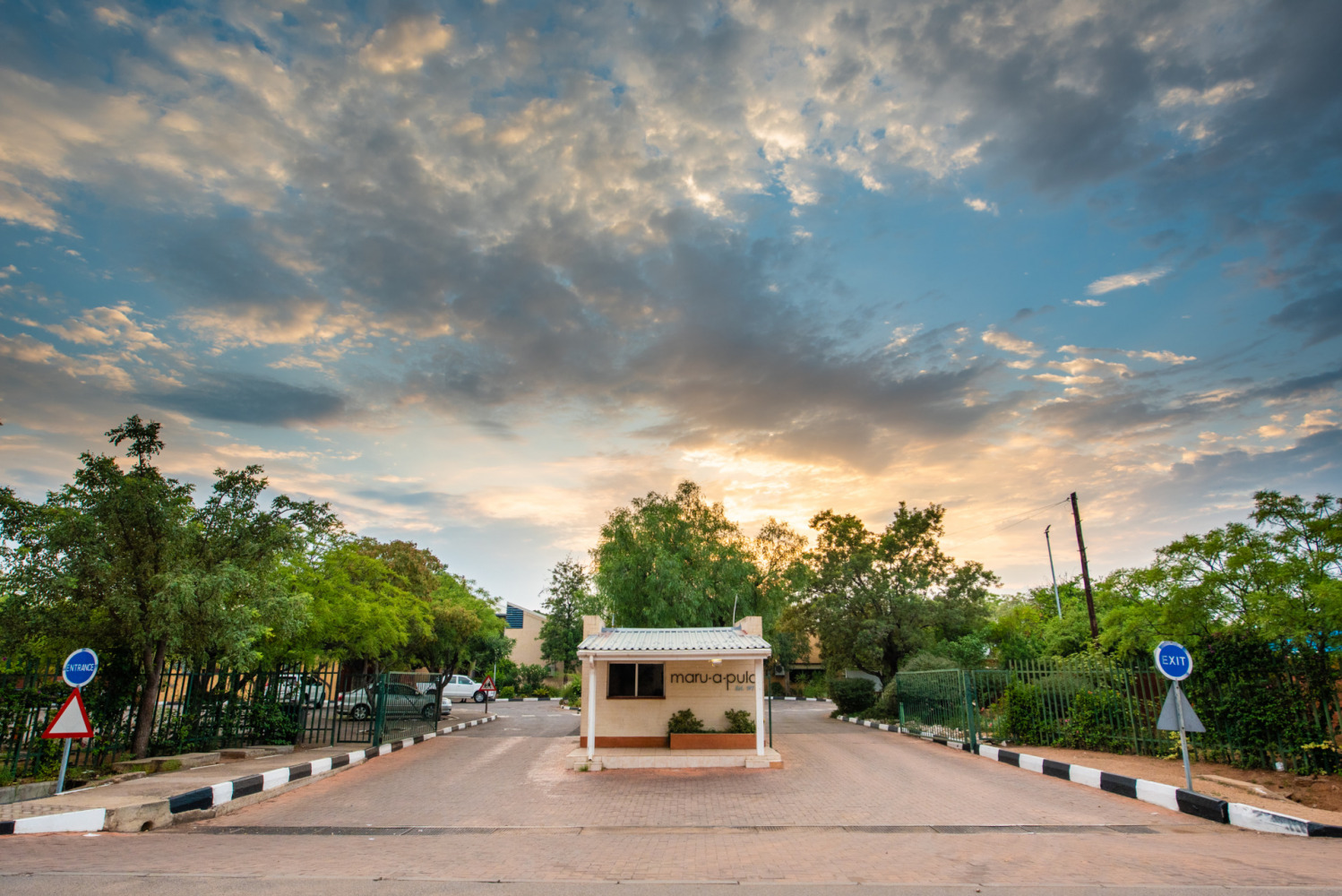
Welcome to Maru-a Pula School (MaP) – an extraordinary school rooted in Botswana! MaP is a co-educational, independent day and boarding secondary school. Founded in 1972, MaP was established as a non-profit trust, built on 50 acres of land donated by the Botswana Government. The founding Head, Deane Yates, launched the school based on multiracial […]

Paid content
Visit website
Profile views 0 Outbound visits 0 Normal
maru-a-pula school Full homepage screenshot

At a glance

Category
Education & Learning
Language
English
Paid-content signal
Paid contentObserved
Registered
2006
Hosting
20i LimitedInferred
HTTPS certificate trusted
PassedObserved
Last updated

Website review

This review may include AI-generated content and is not individually verified. Domain, certificate and other facts come from the observed data on this page.

What is Maru-a-Pula School?

Maru-a-Pula School (MaP) is a co-educational, independent secondary school in Gaborone, Botswana, offering both day and boarding places. Founded in 1972 as a non-profit trust on 50 acres of government-donated land, it was set up by founding Head Deane Yates on multiracial ideals, with community outreach as a core principle. The school describes its aim as nurturing students committed to helping their communities locally and globally.

Who it serves and how it is organised

The admissions pages divide the school into a Lower School (ages 12–16) and an Upper School (ages 16–19), so it covers the secondary years through to A-level. Beyond academics, the site lists arts (including a marimba group), co-curricular activities, enrichment, a library, boarding, service and sport. The school reports 94.4% A*–A at A level and 824 students in 2020.

What makes it distinctive

  • Service and outreach: framed as central rather than optional, including an OVC (orphans and vulnerable children) scholarship and mentorship programme.
  • Boarding plus day places: relevant for families in Gaborone and for those further afield in Botswana or across the region.
  • A non-profit trust: governance and mission are published on the site, alongside a strategic plan.

A practical next step

If you are considering the school, start with the Admissions Overview and the Lower/Upper School pages to check age fit and entry points, then read "What We Are; What We Are Not" and the Mission, Vision & Values pages to judge whether the ethos matches your child. Boarding families should also review the Boarding section and the Downloads page for forms and documents.

How do I apply for admission to Maru-a-Pula School?

Start with the Admissions section of the official site, Maru-a-Pula School, and follow the route that matches the applicant's age: Lower School (12–16 years) or Upper School (16–19 years). The site presents MaP as a co-educational independent day and boarding secondary school in Gaborone, so families should decide early whether they are applying for day or boarding places and check which entry points are open.

A practical application path

  1. Choose the entry level. Use the Lower or Upper School page to confirm the correct year group; this matters most for families moving from another curriculum.
  2. Prepare school records and identification. Expect to supply recent reports or transcripts, proof of age and contact details; the Downloads area may contain forms or checklists.
  3. Ask about assessments and interviews. Admissions pages usually explain whether applicants sit entrance tests or meet staff; confirm this directly rather than assuming a place follows automatically from submitted documents.
  4. Clarify boarding and visa needs. For families outside Botswana, boarding availability and any pupil-visa requirements should be settled before committing to a move.
  5. Confirm deadlines and fees with the school. Contact the admissions office using the phone number and address on the site; published figures should be verified for the current year.

A useful next step is to email or telephone the admissions office with the applicant's age, current school and preferred entry year, then ask which documents and dates apply. That single enquiry will usually reveal whether a place is realistic for the coming term.

What does it cost to attend Maru-a-Pula School as a boarding or day student?

The Maru-a-Pula School website does not publish day or boarding fees, so no reliable cost figure can be given from the supplied information. The site describes MaP as a co-educational, independent day and boarding secondary school in Gaborone, Botswana, but its admissions pages and downloads are where fee information would normally sit.

What to do next

Contact the school directly to request the current fee schedule for day and boarding places, including what each covers (tuition, boarding, meals, activities) and whether payment is termly or annual. The site lists its contact details as Plot 4725 Maruapula Way, Gaborone, Botswana, telephone +267 391 2953.

For a family comparing options, the practical questions are:

  • Day vs boarding: ask for both rates separately, plus any compulsory extras such as uniforms, books, trips or exam fees.
  • Scholarships and bursaries: the site mentions an OVC scholarship and alumni giving, so ask whether fee assistance exists and how to apply.
  • Payment terms: confirm currency, instalment options and any deposit required on acceptance.

As general advice, independent boarding schools typically charge more for boarding than day attendance because board and lodging are included, and published fees often exclude one-off costs. Treat any figure you see elsewhere as unconfirmed until the school provides it in writing.

What A-level and secondary school programs does Maru-a-Pula School offer?

Maru-a-Pula School (MaP) in Gaborone, Botswana, is a co-educational, independent day and boarding secondary school that structures its secondary programme into two stages and offers A-levels at the upper end.

Programme structure

  • Lower School (12–16 years): the earlier secondary years, before students move into the sixth-form stage.
  • Upper School (16–19 years): the senior stage, where A-level study sits. The school's homepage reports 94.4% of A-level results at A*–A, so the A-level track is clearly a central part of its academic identity.
  • Co-curricular and enrichment: the site lists arts (including a marimba programme), sport, a library, boarding, and "SPE" co-curricular and enrichment activities alongside academics.

What this means for different families

A family relocating to Gaborone with a 13-year-old and an 18-year-old could use MaP as a single school for both, with the younger child entering the Lower School and the older one joining the Upper School for A-levels. Boarding makes it viable for families based outside the capital or outside Botswana. The service and outreach emphasis — community outreach was a founding principle, and the site references service work and an OVC scholarship programme — suits students who want volunteering and leadership to count alongside exam results.

The trade-off is that the published detail on individual A-level subjects and Lower School curriculum is thin on the homepage; the admissions pages and downloadable documents are where subject choices and entry requirements are most likely spelled out.

Next step

Check the Admissions Overview and the Lower School and Upper School pages at Maru-a-Pula School for subject offerings, entry ages and application steps, and use the Downloads section for prospectuses or forms. If A-level subject combinations matter for a university plan, confirm them directly with admissions before applying.

How can alumni get involved with Maru-a-Pula School through mentorship or giving?

Alumni can get involved in two main ways described on the school site: giving (through the Donate and Giving sections) and mentorship, via the Alumni Mentorship / Speaker Series and the OVC Mentorship Programme. Both are listed under the Alumni area alongside Alumni Stories, an Alumni Update Form and a "Tell us your story!" page, so the school also invites alumni to share news and reconnect.

Giving

The site has a Giving overview and a Donate route, and the school's stated founding principle is community outreach, with an aim of nurturing students committed to helping their communities locally and globally. The OVC Scholarship is listed in the same area, which suggests alumni support is channelled partly into scholarship access. The pages do not publish amounts, targets or payment details, so treat any figures you see elsewhere as unconfirmed and ask the school directly.

Mentorship

Two named routes exist: the Alumni Mentorship / Speaker Series Registration, for alumni willing to mentor or speak, and the OVC Mentorship Programme, which pairs support with the scholarship cohort. A practical distinction: the speaker series suits alumni who can offer occasional career talks or short advice, while the OVC programme implies a longer, more consistent commitment to a student.

Choosing between them

If you want to… Start with Trade-off
Support access financially Giving / Donate, OVC Scholarship Less direct personal contact with students
Offer career guidance occasionally Alumni Mentorship / Speaker Series Limited continuity with any one student
Build a sustained relationship with a student OVC Mentorship Programme Requires steadier time and reliability
Simply stay connected Alumni Update Form, Tell us your story! Visibility, not direct student support

A useful next step

Decide how much time you can sustain before registering, then use the relevant registration page and confirm expectations with the school by phone on +267 391 2953. If you are comparing schools' alumni programmes more broadly, official sites such as Maru-a-Pula School are the reliable starting point.

What scholarships or financial aid are available for students at Maru-a-Pula School?

Maru-a-Pula's site does not list a general scholarship or financial aid programme for prospective students. The clearest aid-related item on the page is an "OVC Scholarship" listed in the Giving and Alumni sections, alongside an "OVC Mentorship Programme." OVC usually refers to orphans and other vulnerable children, so this appears to be targeted support rather than open, merit-based awards for all applicants. The page does not state eligibility rules, coverage, or how to apply, so treat it as a lead to confirm with the school rather than a full description of available aid.

What families can do next

  • Ask admissions directly whether bursaries or scholarships exist beyond the OVC Scholarship, and request the criteria and deadlines in writing. The admissions pages for the Lower School (12–16) and Upper School (16–19) are the natural starting points on Maru-a-Pula School.
  • Check the Downloads section on the same site; fee schedules and application forms are often posted there.
  • Contact the school using the listed details (Plot 4725 Maruapula Way, Gaborone; +267 391 2953) if the website does not answer aid questions.

A realistic scenario

A family in Gaborone considering the day option, or a family abroad weighing boarding, should ask three questions before applying: does aid cover tuition only or also boarding and activities; is it renewed each year and on what conditions; and what documentation is required. Since MaP is an independent, fee-charging school, aid decisions are likely made case by case, so early contact with admissions matters more than waiting for a published form.

For comparison of aid norms at similar independent schools in the region, official sites such as Thuto or other Botswana independent schools can show how bursary policies are typically described, but confirm everything with MaP itself.

Related questions

More questions →
How Prospective Families Can Learn About Admissions at Maru-a-Pula School

Prospective families can start at the Admissions section of maruapula.org, which sits under the site's Academics & Admissions menu. From there, the school separates its entry points by age: Lower School (12–16 yrs) and Upper School (16–19 yrs). A Downloads section provides related materials, and the school's contact details are listed for questions the website does not answer. The site describes MaP as a co-educational, independent day and boarding secondary school in Gaborone, Botswana, founded in 1972 as a non-profit trust.

Where the admissions information lives

The site's navigation groups admissions with academics rather than as a standalone top-level item. The relevant pages are:

  • Admissions Overview — the main entry page for prospective families
  • Lower School (12–16 yrs) — the younger secondary division
  • Upper School (16–19 yrs) — the senior division
  • Downloads — linked from the homepage and the About area
  • Contact Us — phone and address details

The homepage also surfaces About Us, Admissions, Mission, Vision & Values, and Downloads as quick links, so a family landing on the homepage does not need to hunt through menus to reach admissions.

Matching your child to a division

The site's own age bands are the clearest guide to which division applies:

Division Ages listed Use this page when
Lower School 12–16 yrs Your child is in the younger secondary range
Upper School 16–19 yrs Your child is in the senior secondary range, including A-level years

The homepage reports 94.4% A–A A level results*, which indicates the Upper School prepares students for A levels. If your child's age falls near a boundary, confirm placement with the school directly rather than assuming from the band alone.

What to gather before you inquire

The website does not publish a step-by-step application checklist in the material available, so treat the following as preparation rather than a confirmed requirement list:

  • Your child's current age and the division you believe applies
  • Whether you are considering day or boarding entry — the school is described as both a day and boarding school
  • Any questions about the Downloads documents you have already reviewed

Because the school is described as independent, fees should be expected; however, no fee figures appear in the available site material, so ask the school for current costs rather than relying on assumptions.

Contacting the school

The site lists direct contact details for follow-up questions:

  • Address: Plot 4725 Maruapula Way, Gaborone, Botswana
  • Telephone: +267 391 2953

Use these for questions about application timing, required documents, boarding availability, and anything the Downloads section leaves unclear. The site also notes a Shop and checkout area, but the available material does not indicate that admissions applications are processed through it — confirm the correct channel with the school.

A practical sequence

  1. Open the Admissions Overview page to understand the school's approach.
  2. Read the division page matching your child's age (Lower or Upper School).
  3. Check Downloads for any forms or information sheets.
  4. Note your remaining questions, then call +267 391 2953 or visit the Gaborone address.
  5. Confirm fees, deadlines, and boarding arrangements directly, since these are not detailed in the site material reviewed.

This approach lets a family build a clear picture from the school's own pages before making contact, and reserves the details the website does not cover for a direct conversation with admissions staff.

What Is Maru-a-Pula School (MaP)?

Maru-a-Pula School (MaP) is a co-educational, independent day and boarding secondary school in Gaborone, Botswana. Founded in 1972 as a non-profit trust on 50 acres of land donated by the Botswana Government, it serves two age groups: a Lower School for students aged 12–16 and an Upper School for students aged 16–19. It is the right reference point if you are looking for a Botswana-based secondary school that combines day and boarding options with a stated emphasis on community service.

School profile at a glance

Item Detail
Full name Maru-a-Pula School (MaP)
Type Independent, co-educational day and boarding secondary school
Location Plot 4725 Maruapula Way, Gaborone, Botswana
Founded 1972
Legal structure Non-profit trust
Campus 50 acres donated by the Botswana Government
Age ranges Lower School 12–16; Upper School 16–19
Contact +267 391 2953

What makes the school distinctive

The founding Head, Deane Yates, launched MaP on multiracial ideals, with community outreach as a core principle. That origin still shapes how the school describes itself: it aims to nurture students who are committed to helping their communities locally and globally. The site also lists service work and a readers service among its programme pages, alongside arts, sport, boarding and co-curricular activities.

The school publishes headline figures on its homepage: 50 years of excellence, 94.4% A*–A at A level, 824 students in 2020, and 6,086 alumni. These are the school's own reported numbers, so treat them as self-described rather than independently verified.

How the site is organised

The navigation reflects the main audiences and functions:

  • About – mission, vision and values, MaP's history, a "What We Are; What We Are Not" page, strategic plan, governance and the Principal's Welcome.
  • Academics & Admissions – an admissions overview plus the Lower and Upper School pages.
  • Student Life – arts, MaP Marimba, co-curricular (SPE), enrichment, library, boarding, service and sport.
  • News & Events – event listings and event registration.
  • Alumni and Giving – alumni stories, mentorship and speaker series, an OVC scholarship and mentorship programme, and donation pages.
  • Downloads – documents linked from the homepage.

There is also a shop with a basket and checkout, so some items on the site appear to be purchasable. The available material does not state prices, payment methods or whether an account is required.

Practical next steps

If you are considering the school, start with the Admissions Overview and then read the Lower School and Upper School pages to match your child's age to the right entry point. Use the Downloads section for documents the school publishes, and the Contact page or the phone number above for questions the site does not answer, such as fees, application deadlines and boarding availability. If you are an alumnus, the Alumni section covers updates, mentorship registration and giving.

Maru-a-Pula School Alumni Resources and Ways to Support the School

Maru-a-Pula School (MaP) gathers its alumni resources in one section of its website, covering alumni news, contact, stories, an update form, mentorship and speaker programmes, and giving options. You can use these pages to reconnect with the school, join a mentorship or speaker programme, or donate. The site does not publish donation amounts, payment methods, or whether any of these services require a login, so confirm those details directly with the school.

Alumni resources on the website

The alumni area is organised into these pages and forms:

Resource What it is for
Alumni Overview Entry point to the alumni section
What's New at MaP Alumni and school news
Alumni Contact Contact details for alumni enquiries
Alumni Stories Stories from former students
Alumni Update Form Submit your own news and details
Tell us your story! Share your story with the school
Alumni Giving Giving options for alumni
Alumni Mentorship / Speaker Series Registration Sign up for mentorship or the speaker series
OVC Mentorship Programme Mentorship programme connected to the school's OVC scholarship work

The school's community outreach principle, described on its home page, is reflected in these programmes: the OVC Mentorship Programme sits alongside the OVC Scholarship listed under Giving, and the mentorship and speaker series connect alumni with current students.

Joining mentorship or the speaker series

The website lists a registration page for the Alumni Mentorship / Speaker Series. The page does not state eligibility rules, time commitments, or how mentors are matched with students. If you want to take part, use the registration page and expect the school to follow up with details. The same applies to the OVC Mentorship Programme: the site names it but does not describe its structure, so ask the school what involvement looks like before committing.

Supporting the school through giving

The Giving section includes an Alumni Giving page and a Donate option. The site also has a shop and checkout, but the available page content does not show what the shop sells or how donations are processed. The school's contact details are the reliable route for questions about giving:

  • Address: Plot 4725 Maruapula Way, Gaborone, Botswana
  • Tel: +267 391 2953

Staying connected and up to date

The site links to Facebook, Instagram, YouTube, and LinkedIn, and it lists upcoming events with an event registration page. The alumni update form and the "Tell us your story!" page are the direct ways to get your news into the alumni section. For event dates, check the News & Events section rather than relying on the home page, which only shows a snapshot of recent items.

A practical starting sequence

  1. Read the Alumni Overview and What's New at MaP to see current activity.
  2. Submit the Alumni Update Form so the school has your current contact details.
  3. If you want to volunteer, open the Alumni Mentorship / Speaker Series Registration page.
  4. If you want to give, start from Alumni Giving and confirm the process with the school by phone or email.

The main gap to plan around is that the public pages describe what exists but not the terms: no donation amounts, no mentorship commitments, and no stated login requirements. A short call to the school office will settle those questions faster than searching the site.

What Academic Results and School Facts Does Maru-a-Pula School Highlight?

Maru-a-Pula School (MaP) presents its headline academic and institutional figures in a "Maru-a-Pula in Numbers" section on its homepage. The published figures are: 94.4% of A Level results at A*–A, 824 students in 2020, 6,086 alumni, and "50 years of excellence." These are the school's own marketing figures, so treat them as claims published by MaP rather than independently verified statistics.

The Published Figures at a Glance

Measure Figure shown on site What it refers to
A Level results 94.4% A*–A Share of A Level entries graded A* or A
Student body 824 students in 2020 Total enrolment for that year
Alumni 6,086 Former students counted by the school
History "50 years of excellence" Longevity since founding in 1972

Reading the A Level Figure Correctly

The 94.4% is presented as an A*–A rate, meaning the proportion of A Level entries that achieved the top two grades. It is not an average pass rate, and the site does not state which year or how many candidates the figure covers. If you are comparing schools, ask for the cohort size and the year behind any A*–A percentage, because a small cohort can produce a high rate more easily than a large one.

Context Behind the Numbers

The school describes itself as a co-educational, independent day and boarding secondary school founded in 1972 as a non-profit trust. It sits on 50 acres of land donated by the Botswana Government, and the founding Head, Deane Yates, launched it on multiracial ideals with community outreach as a core principle. The "50 years of excellence" line aligns with that 1972 founding date.

The 824-student figure is dated to 2020, so it is a snapshot rather than current enrolment. The 6,086 alumni count reflects the school's cumulative graduate base and is used on the site alongside its alumni mentorship and giving programmes.

What These Figures Do and Do Not Tell You

The numbers are useful as a starting point for judging the school's academic profile and scale, but they leave gaps:

  • No year attached to the A Level result. You cannot tell whether 94.4% is recent or from an earlier cohort.
  • No subject breakdown. A single A*–A rate hides differences between subjects and between the Lower School (12–16) and Upper School (16–19) stages.
  • No fee, entry-requirement, or acceptance-rate data in the figures section. Admissions details sit under the Admissions pages, and pricing is not stated in the material reviewed.
  • Enrolment is from 2020, so current class sizes may differ.

How to Verify Before Relying on Them

  1. Open the school's homepage and locate the "Maru-a-Pula in Numbers" block to confirm the figures are still displayed as described.
  2. Check the Admissions pages for entry requirements and the Lower/Upper School structure, since results alone do not indicate who is admitted.
  3. Contact the school directly using the details published on the site — Plot 4725 Maruapula Way, Gaborone, Botswana; Tel +267 391 2953 — and ask for the year and cohort size behind the A*–A rate.
  4. If you are comparing schools, request the same measures (year, cohort size, subject-level results) from each so the comparison uses like for like.

The practical takeaway: MaP publishes a strong headline A Level figure and a clear institutional profile, but the site's numbers are a summary, not a full results table. Use them to shortlist the school, then confirm the underlying year and cohort details directly before making a decision.

Does Maru-a-Pula School Offer Boarding, and What Is Boarding Life Like?

Yes. Maru-a-Pula School (MaP) is a co-educational, independent day and boarding secondary school in Gaborone, Botswana, so boarding is an integral part of the school rather than an add-on. Boarding sits within the school's Student Life provision alongside arts, co-curricular activities (SPE), enrichment, library and sport, which means boarders take part in the same wider programme as day students. The school's own site presents boarding as one strand of student life and points readers to a dedicated Boarding page for the specifics of accommodation and daily arrangements.

What the school confirms about boarding

  • Type of school: independent, co-educational secondary school offering both day and boarding places.
  • Founded: 1972, as a non-profit trust on 50 acres of land donated by the Botswana Government.
  • Founding principle: launched by founding Head Deane Yates on multiracial ideals, with community outreach as a core principle.
  • Age range: the admissions structure separates Lower School (12–16 years) and Upper School (16–19 years), so boarding applies across secondary-age students.
  • Scale: the school reports 824 students in 2020 and 6,086 alumni.

These facts come from the school's homepage and navigation. They establish that boarding exists and who it is for, but they do not list fees, room types, weekend schedules or curfew rules.

What boarding life connects to

Because boarding is grouped under Student Life, a boarder's week is shaped by the same pillars the school advertises:

Area What it means for a boarder
Arts Participation in school arts provision alongside day students
MaP Marimba The school's marimba programme, listed as part of student life
Co-curricular (SPE) Structured co-curricular activity, listed as a distinct strand
Enrichment Enrichment provision within the student-life programme
Library Library access as part of academic and student life
Service Community outreach, described as a core founding principle
Sport Sport as part of the student-life programme

The practical implication: a boarding place is not just accommodation — it places the student inside a full day-and-evening programme of arts, sport, service and enrichment. Families comparing boarding options should therefore ask how evening and weekend time is structured around these strands, not only what the rooms are like.

How to get the details that matter

The homepage does not publish boarding fees, room configuration, weekend leave rules, or house/pastoral structures. To get answers:

  1. Start with the Boarding page linked from the site navigation — it is the school's own channel for accommodation and daily management information.
  2. Check the Admissions section, which splits Lower School (12–16) and Upper School (16–19); entry requirements and timing differ by phase.
  3. Use the Downloads section, which the homepage lists as a top-level heading and is the likely place for forms and documents.
  4. Contact the school directly at Plot 4725 Maruapula Way, Gaborone, or by telephone on +267 391 2953, to confirm current boarding availability and arrangements.

Note that the site includes a shop and checkout function, but the homepage gives no indication of what is sold there or whether it relates to school fees — do not assume online payment covers boarding costs.

What to ask before deciding

Since the public pages stop short of operational detail, put these questions to the admissions team:

  • Is boarding available at both Lower School and Upper School entry points, and are places limited?
  • How are evenings and weekends organised around SPE, sport, arts and service commitments?
  • What pastoral and supervision arrangements apply in boarding?
  • What are the current boarding fees and what do they include?
  • How do boarders from outside Botswana handle travel, guardianship and school holidays?

The school's stated mission — nurturing students committed to helping their communities locally and globally — is a useful lens for judging whether a boarding environment suits your child. If service and co-curricular involvement are central to your priorities, ask specifically how boarders participate in these, since the site presents them as core to student life rather than optional extras.

Website Overview

An established domain and managed infrastructure suggest continuity of operations and may support dependable delivery, although neither guarantees service quality.

Domain and Registration

Registered in 2006, this domain has about 20 years of history. That suggests continuity, although ownership and purpose may have changed. Transfer-protection status is present, helping reduce the risk of unauthorized domain transfers. The registrar is GoDaddy.com, LLC, a widely used domain service provider. The domain uses the common .org extension, which is not an independent safety signal.

DNS and Email

Nameservers are provided by GoDaddy, indicating managed DNS hosting. MX records point to the Google Workspace email service. No CNAME was found; the observed records resolve directly to addresses. SPF and DMARC are configured. DKIM status is unknown. TXT records include verification markers for Microsoft. Such markers may also remain after a service stops being used.

TLS and Certificates

The certificate issuer is Sectigo Limited, a commercial certificate authority. The certificate uses an RSA 2048-bit public key, offering broad client compatibility. The server supplied a complete certificate chain. No organization name is present in the certificate; the available fields are consistent with domain validation. The certificate is valid for about 395 days in total, with 163 days remaining.

HTTP and Browser Security

X-Powered-By exposes backend information: PHP/8.1.34. The checked browser-security headers were not detected, leaving fewer explicit browser-side safeguards. No obvious internal addresses or debug information were found in the headers. The Server header identifies Apache without an exact version. No explicit CDN or WAF marker was found in the response headers.

Technology Stack Analysis

The public page identifies WordPress, jQuery, Apache, PHP without precise versions, leaving fewer clues for version-specific scanning.

Search and Social Sharing

No homepage meta description was detected, leaving snippet selection more dependent on page text. Twitter Card metadata is configured. JSON-LD includes Organization data, helping describe the organization as an entity. The title has 25 characters, within a common display range. The observed directives allow indexing and link following.

Hosting and Email

DNSGoDaddy
Hosting20i Limited
EmailGoogle Workspace
Approximate IP geolocation (inferred; a CDN or proxy may differ from the origin server) United Kingdom flagUnited Kingdom Inferred 185.151.30.181

Registration details

RDAP / WHOIS

RegistrarGoDaddy.com, LLC
Registered2006-05-08
Expires2027-05-08
Domain statusclient delete prohibited、client renew prohibited、client transfer prohibited、client update prohibited
Nameserversns33.domaincontrol.com、ns34.domaincontrol.com
DNSSECunsigned

DNS records

DNS

TypeNameValueTTLPriority
Awww.maruapula.org185.151.30.1813600—
MXmaruapula.orgsmtp.google.com36001
NSmaruapula.orgns33.domaincontrol.com3600—
NSmaruapula.orgns34.domaincontrol.com3600—
TXTmaruapula.orgMS=25221DC00FA03F680ABA4566A38F6565833F43523600—
TXTmaruapula.orgv=spf1 include:_spf.google.com -all3600—
DMARC_dmarc.maruapula.orgv=DMARC1; p=none; rua=mailto:[email protected]3600—

TLS and certificates

TLS / SSL

AssessmentNormal configuration
Supported protocolsTLSv1.2、TLSv1.3
Negotiated protocolTLSv1.3
Certificate subjectwww.maruapula.org
IssuerSectigo Limited
Valid until2027-04-02T23:59 · Remaining when checked: 163 days
Verification detailsCertificate trust: Passed · Hostname match: Passed

HTTP response headers

HTTP

HeaderValue
content-typetext/html; charset=UTF-8
cache-controlpublic, s-maxage=216000
serverApache

Identified technologies

WordPressjQueryApachePHP

Pages, Search and Sharing

Meta descriptionNot detected
Canonical URLhttps://www.maruapula.org/
LanguageEnglish (default)
Twitter Cardsummary_large_image
All bots 1 allowed · 6 disallowed
  • Allow/wp-admin/admin-ajax.php
  • Disallow/wp-content/uploads/wc-logs/
  • Disallow/wp-content/uploads/woocommerce_transient_files/
  • Disallow/wp-content/uploads/woocommerce_uploads/
  • Disallow/*?add-to-cart=
  • Disallow/*?*add-to-cart=
  • Disallow/wp-admin/

User reviews (0)

  • No reviews yet.