
 newtocaving.com
No paid content found
newtocaving.com
No paid content found
Categories: Other
Caves are a fascinating part of the great outdoors and their exploration is full of adventure. As with many activities there are risks. Good preparation and learning from the experience of others is key to caving safely.
 Visit website
 Updated: 2026-09-23 12:47
 Language: English (default)
 Access: Normal
 Profile views 7
 Outbound visits 1
Related questions
More questions →What Is Caving and How Do You Start Safely?
Caving is the exploration of natural underground spaces on foot — walking, crawling, climbing and sometimes wading or swimming through passages formed in rock. You can start as a complete beginner by joining a caving club or booking a guided novice trip, because the skills you need (rope work, route finding, flood awareness) are learned from experienced cavers rather than picked up alone. The one rule that matters from day one: never cave alone, and never enter a cave without telling someone where you are going and when you expect to be back.
What caving actually involves
Caving is an adventure activity built on physical challenge and a genuine explorer's spirit — and it doubles as a good way to keep fit. It is also a way of experiencing nature from the inside rather than just passing through it.
On a typical beginner trip you might:
- Walk and stoop through larger passages
- Twist and squeeze through tighter sections
- Climb up or down short steps and pitches
- Crawl where the roof drops
- Wade, plunge or swim through water
The appeal is the landscape itself: sculpted rock and delicate formations that took thousands of years to form. Beginners often describe the moment a big chamber opens up as the highlight — one novice caver recalled catching first sight of a chamber and being lost for words, later regretting not having a better response than "wow — it's bloody awesome."
Caving, potholing, spelunking, mine exploration: what's the difference?
These terms overlap, and different countries and clubs use them differently. As a rough guide:
| Term | Usually means |
|---|---|
| Caving | Exploring natural caves on foot; the general term |
| Potholing | Caving with an emphasis on vertical pitches and descending deep systems (common in the UK) |
| Spelunking / spelunk | An American term for caving, often recreational |
| Speleo | Shorthand from "speleology" — the scientific study of caves; used in club and organisation names |
| Mine exploration | Entering abandoned mines, which are man-made and carry different hazards and access rules |
For a first trip the distinction rarely matters — what matters is that you go with people who know the specific cave.
Safety basics before your first trip
Caving carries real risks, and preparation plus learning from more experienced cavers is the core of doing it safely. Practical points for a beginner:
- Never cave alone. Go with a club or an instructor.
- Tell someone your plans. Leave details of where you are going and your expected return.
- Check the weather and flood risk. Caves can flood, and rain on the surface can raise water levels underground quickly.
- Know your exit. Beginners on guided trips often go in one way and come out another, so follow the leader's route rather than assuming you can retrace your steps.
- Match the trip to your ability. A novice trip is not the place to attempt big vertical drops — on a classic beginner route, you may watch more experienced cavers tackle the larger pitches rather than doing them yourself.
Gear for a first trip
You do not need to buy a full kit before you know whether you enjoy it. Clubs and instructors typically provide the technical equipment — helmets, lights, harnesses and ropes — while you bring personal clothing. Ask the club or instructor exactly what they supply and what you should bring before you book, since this varies between groups.
How to get started
The route in is straightforward: contact a caving club or an instructor. Clubs exist across the main caving regions — Yorkshire, the Mendip Hills and Wales are well-known UK areas — and they run novice trips specifically for people with no experience. A guided novice trip is the fastest way to find out whether caving suits you, and it puts you with people who know the cave, the water conditions and the way out.
Conservation and access
Caves are fragile environments, and access often depends on landowner permission and club arrangements. Stay on the route your leader takes, avoid touching formations, and follow the conservation guidance your club gives you. Damaged formations do not grow back on any human timescale.
What Is a Pothole in Caving and How Is It Different from Caving?
A pothole, in the context of underground exploration, is a cave system that is predominantly vertical — a shaft or series of pitches you descend by rope rather than a passage you mostly walk through. The practical difference for a beginner is that potholing depends on ropework: abseiling down pitches and ascending back up them, usually using a technique called single rope technique (SRT). Caving, by contrast, is often used for trips that are mostly horizontal, where you walk, stoop, crawl and squeeze with little or no ropework. If you want to try potholing, the sensible route in is to train in SRT and go with a club or instructor rather than attempting a pitch on your own.
Pothole vs cave: the same underground world, different emphasis
The two words overlap, and cavers often use them loosely. In British usage, "potholing" tends to describe trips dominated by vertical descents, while "caving" covers the broader activity. New To Caving describes caving itself as an adventure activity where "the caver may walk, twist and squeeze, they may climb, stoop and crawl, and they may plunge, wade and swim; ascending and descending through the wonderful spaces left between rock and water."
That description is useful because it shows the range. A pothole is simply the end of that range where descending and ascending dominate.
| Caving (typically horizontal) | Potholing (typically vertical) | |
|---|---|---|
| Movement | Walking, stooping, crawling, squeezing | Abseiling and prusiking on pitches |
| Core skill | Route-finding, moving safely over rock | Single rope technique (SRT) |
| Kit emphasis | Helmet, light, warm layers, oversuit | Adds harness, descender, ascenders, cowstails, ropes |
| Main risk profile | Slipping, falling, getting cold or lost | Falling on a pitch, getting stuck on rope, flooding |
Why potholing asks more of a beginner
On a horizontal caving trip, your hands and feet do most of the work and the consequences of a slip are usually a bruise. On a pitch, your whole weight hangs on a rope and a system of hardware, so mistakes have less margin. That is why potholing is normally learned after, or alongside, basic caving rather than as a first step.
The specific demands are:
- Ropework. You need to rig or at least understand a pitch, control your descent, and climb back up using ascenders. This is a taught skill, not something to improvise.
- Exposure. Hanging free on a rope in a shaft is a very different feeling from crawling through a passage, and some people find it uncomfortable at first.
- Water. Many potholes carry streams, and water levels can rise quickly. A shaft that is fine in dry weather can become dangerous after rain.
- Commitment. Once you are on a pitch, reversing or escaping mid-way is not always simple, so decisions are made before you commit.
What you need before a first potholing trip
You do not need to buy everything at once. Clubs and instructors normally provide ropes and technical hardware, and often loan personal kit. What matters is that you have trained with the gear you will actually use.
- SRT training. Learn to descend, pass a rebelay or deviation, and ascend. Practise on a training wall or a low, safe pitch before a real trip.
- A helmet and a reliable light. A helmet protects against knocks and falling debris; carry a backup light as well.
- A harness and technical hardware. Descender, ascenders, cowstails and a maillon, set up the way you were taught.
- Warm, water-resistant clothing. Underground temperatures are cool and wet, so insulation matters even on a short trip.
- A rope and rigging knowledge. Either go with someone who can rig, or learn to rig yourself under supervision.
How to get started
- Join a caving club. Clubs run novice trips, teach SRT, and have members who know local potholes and their conditions. New To Caving's own advice is to "contact a caving club or instructor to start your adventures underground."
- Or book an instructor. A guided potholing trip is the fastest way to try a pitch safely with kit and supervision provided.
- Start on a classic novice trip. New To Caving points to Long Churn Caverns in the Yorkshire Dales as an example, including the 'Dolly Tubs' pitch and a view onto the bigger drops of Alum Pot. Trips like this give you a real pitch without committing to a deep system.
- Build up gradually. Do several easier vertical trips before joining anything long or wet.
- Check conditions before every trip. Ask about recent rainfall and expected water levels, and be willing to cancel.
Common beginner mistakes and risks
- Underestimating water. Flooding is one of the most serious hazards in potholes. Streams can rise fast, and narrow sections can become impassable.
- Getting stuck on a pitch. Poor technique, tangled rope or a jammed descender can leave you hanging. This is why SRT is practised until it is automatic.
- Skipping the backup light. A failed main light underground is inconvenient in a cave and serious on a rope.
- Going without training. Buying a harness and descender does not teach you to use them. Learn from a club or instructor first.
- Ignoring the exit. On a vertical trip, the way out is often the hardest part. Make sure you can ascend the pitches you descended.
- Cold and fatigue. Wet, cool conditions drain energy, and tiredness on a pitch is when errors happen.
If the idea of hanging on a rope in a shaft appeals more than crawling through passages, potholing is likely for you — but treat the ropework as the skill to learn first, and start with a club or instructor rather than a solo attempt.
What Is Potholing and How Do Beginners Get Started?
Potholing is caving that involves vertical pitches — descents (and ascents) on rope rather than simply walking, crawling and squeezing through horizontal passages. If you are new to it, the safe route in is to join a caving club or book an instructor, learn Single Rope Technique (SRT) under supervision, and only then attempt a novice trip. Going underground alone, or on a vertical trip without rope training, is where beginners get into serious trouble.
Potholing vs. caving: what's the difference?
The two words overlap heavily. In UK usage, "caving" is the general term for exploring underground passages, while "potholing" usually implies trips with vertical sections — pitches that must be descended and climbed using ropes and a harness. Many people use the terms interchangeably, and a single cave system can offer both.
| Horizontal caving | Potholing (vertical) | |
|---|---|---|
| Movement | Walking, stooping, crawling, wading, sometimes swimming | The same, plus descending and ascending pitches on rope |
| Key skill | Route-finding, moving efficiently and safely over rock and water | SRT: rigging, descending, ascending, passing re-belays and deviations |
| Typical first trip | A guided novice trip through a cave with no big drops | A novice pothole trip with a short, supervised pitch |
| Main extra risks | Flooding, cold, getting lost | Everything above, plus falls, rope errors and hanging in a flooded pitch |
For a first taste, a horizontal novice trip is the gentler introduction. A potholing trip with one short pitch is a reasonable next step once you have some basic rope instruction — the classic beginner route described by New To Caving, a novice trip down Long Churn Caverns in the Yorkshire Dales, includes the 'Dolly Tubs' pitch and an exit via 'Dr Bannister's Handbasin'.
What you actually need to learn
The core new skill in potholing is SRT (Single Rope Technique) — using a harness, descender, ascenders and cowstails to travel up and down a rope safely. This is not something to teach yourself from a video. It needs to be practised on a training wall or a short, safe pitch with someone experienced checking your setup.
Alongside SRT, beginners need:
- Basic cave movement — how to walk on slippery rock, crawl without damaging formations, and move through water safely.
- Rigging awareness — understanding how a pitch is anchored and rigged, even if you are not yet rigging it yourself.
- Weather and water reading — knowing how rain upstream can turn a passage or pitch into a trap.
- Team and communication discipline — staying with the group, knowing the call-out arrangements, and understanding how the trip is managed.
Equipment for a first potholing trip
You do not need to buy everything at once. Clubs and instructors normally provide technical kit for novices, and hiring or borrowing is the sensible first move. The essentials are:
- Helmet with a securely mounted, reliable light — plus a spare light and batteries.
- Harness, descender, ascenders and cowstails for any vertical section.
- Rope and rigging gear — usually supplied and rigged by the club or instructor.
- Warm, non-cotton layers and an oversuit to protect you and your clothes.
- Wellies or caving boots with good grip.
- A small tackle bag or pack for personal kit.
Cotton clothing is a poor choice underground: it holds water and accelerates heat loss. The site's own framing is blunt about the stakes — caving is an adventure activity with real risks, and good preparation and learning from others' experience is key to doing it safely.
How to start safely
- Find a club or an instructor. The New To Caving site points beginners to exactly this: contact a caving club or instructor to start your adventures underground. Clubs run novice trips, lend kit and teach SRT progressively.
- Do a horizontal novice trip first. Get used to the underground environment, the cold and the movement before adding rope work.
- Learn SRT on a training wall or short pitch. Practise descending, ascending, changing over and passing a re-belay until it is automatic.
- Join a supervised novice pothole trip. Expect one or two short pitches, with an experienced caver rigging and overseeing.
- Build up gradually. Longer pitches, more complex rigging and independent trips come later, with experience.
Common beginner mistakes and risks
- Going alone or without proper instruction. This is the single biggest avoidable risk, and the reason the site directs beginners to clubs and instructors.
- Underestimating water. Flooding can cut off exits and turn pitches into dangerous water courses. Check the forecast and ask about catchment conditions.
- Getting cold. Hypothermia is a real hazard underground; wet, cold and stationary is a bad combination. Keep moving, eat, and carry spare warmth.
- Getting lost. Cave passages branch and look alike. Stay with the group and know the route plan.
- Rushing rope work. Most vertical incidents come from setup and technique errors, not from the pitch itself.
Where to try it in the UK
The site highlights three classic UK caving regions: Yorkshire (including the Yorkshire Dales, home to the Long Churn novice trip), Mendip, and Wales. These are established areas with active clubs, so they are good places to find a supervised first trip. Descent magazine, written and read by cavers, is another route into the community and its trip reports.
The short version: potholing is caving with ropes. Start with a club or instructor, learn SRT properly, do a horizontal trip before a vertical one, and treat water and cold as the two hazards that catch beginners out most often.
What Is Spelunking and How Do Beginners Get Started Safely?
Spelunking is the recreational exploration of caves — the word is most common in American English, while British cavers usually say "caving" or "potholing." All three describe going underground for adventure rather than for science or commercial tourism. If you are a complete beginner, the safest route in is to join a caving club or book an instructor-led novice trip rather than heading underground on your own; the sport involves real risks that good preparation and other people's experience are meant to manage.
Spelunking, caving, potholing: what's the difference?
The terms overlap heavily, and cavers often use them interchangeably. The distinctions are mostly about dialect and emphasis:
| Term | Where it's used | What it usually implies |
|---|---|---|
| Spelunking | Mainly US | Recreational cave exploration as a hobby |
| Caving | UK and internationally | The same activity, described as an adventure sport |
| Potholing | UK, especially northern England | Caving focused on vertical systems — pitches, shafts and descents |
"Speleo" appears in club and organisation names as a short form of speleology, the scientific study of caves. So if you read about spelunking, caving or potholing, you are looking at the same activity: moving through natural underground spaces by walking, twisting, squeezing, climbing, stooping, crawling, and sometimes wading or swimming.
What beginner caving actually involves
New To Caving describes caving as an adventure activity full of physical challenges and "an outlet for a real explorer's spirit," as well as a good way to keep fit. The experience is unlike other outdoor pursuits because you are not just close to nature — you are inside it.
On a novice trip you can expect a mix of movement and terrain:
- Walking and stooping through larger passages
- Crawling and squeezing through tighter sections
- Climbing up or down rock steps
- Wading or swimming where the route follows water
- Descending pitches — vertical drops on a rope — on trips that include them
A classic example is the novice trip shown on New To Caving, following a group down Long Churn Caverns in the Yorkshire Dales. The team descends the "Dolly Tubs" pitch, steps onto the ledge of Alum Pot to watch more experienced cavers on bigger drops, then exits by a different route through the water chute of "Dr Bannister's Handbasin." That combination — a pitch, a big open shaft, a through-trip and a wet exit — is typical of what a guided beginner day can include.
The pay-off is the scenery: sculpted rock and delicate formations that took thousands of years to form. One novice quoted on the site described catching first sight of a chamber and being lost for words, managing only "wow — it's bloody awesome," and regretting not having a better response for how wonderful the place was.
How to start: find a club or an instructor
New To Caving's own advice for getting started is direct: contact a caving club or an instructor to begin your adventures underground. That single step solves most beginner problems at once — you get equipment, local knowledge of the cave, and people who have done it before.
When you make contact, it helps to ask:
- Is this a novice trip? Clubs and instructors run trips specifically for people with no experience.
- What's the fitness level? Caving is physically demanding, but beginner trips are pitched at ordinary fitness rather than athlete level.
- What gear do I need to bring? Many clubs lend helmets, lights and oversuits; ask before you buy anything.
- What's the trip like? Ask about squeezes, water and pitches so nothing on the day is a surprise.
- How long will we be underground? This affects food, water and how warm you need to dress.
If you are in the UK, the regional caving areas named by New To Caving — Yorkshire, the Mendips and Wales — are where much of the organised activity happens, and clubs based there run regular beginner trips.
Safety practices for a first underground trip
The site's framing is blunt: as with many activities there are risks, and good preparation plus learning from the experience of others is key to caving safely. For a beginner, that translates into a few concrete habits:
- Never cave alone. Go with a club or an instructor, and on a route someone in the group knows.
- Tell someone your plan. Leave details of where you are going and when you expect to be out.
- Use a proper helmet and a reliable light. Underground, light is safety equipment, not an accessory — carry a backup.
- Dress for cold and wet. Caves stay cold and many routes involve water; the right clothing is what keeps a trip enjoyable.
- Check the weather. Rain can raise water levels in cave systems, which changes the difficulty and the danger of a route.
- Respect the cave. Conservation matters — formations that took thousands of years to grow are easily broken and do not recover on a human timescale.
- Start easy and build up. A novice trip is the right place to learn; bigger pitches and harder systems come later.
What to expect on your first trip
Expect to be challenged physically and to move in ways you don't normally move — twisting, squeezing, crawling and possibly getting wet. Expect darkness beyond your lamp beam, cold, and a pace set by the group rather than by you. Expect, too, that the memorable moment is often a big chamber or a formation rather than the tight bits you were worried about beforehand.
The honest summary from the site's own framing: caving is rewarding, adventurous and a genuine way to keep fit, and it carries risks that preparation and experienced company are there to manage. Contact a club or instructor, ask what the novice trip involves, and let your first steps underground be guided ones.
Website Overview
An established domain and managed infrastructure suggest continuity of operations and may support dependable delivery, although neither guarantees service quality. Several search or sharing settings need attention. Together they may make snippets, preview images or preferred URLs less consistent across platforms.
Domain and Registration
Registered in 2017, this domain has about 9 years of history. That suggests continuity, although ownership and purpose may have changed. Transfer-protection status is present, helping reduce the risk of unauthorized domain transfers. The domain uses the common .com extension, which is not an independent safety signal.
DNS and Email
MX records exist, but SPF, DKIM and DMARC were not detected. Protection against domain impersonation may be incomplete. Nameservers are provided by iomart.io, indicating managed DNS hosting. MX records point to the british-caving.org.uk email service. No CNAME was found; the observed records resolve directly to addresses. DNSSEC signatures were not detected, so this additional DNS authenticity protection is not confirmed.
TLS and Certificates
The certificate uses an RSA 2048-bit public key, offering broad client compatibility. The server supplied a complete certificate chain. No organization name is present in the certificate; the available fields are consistent with domain validation. The certificate was issued by Let's Encrypt, commonly associated with automated certificate services. The certificate's total validity is about 89 days, consistent with a short renewal cycle.
HTTP and Browser Security
The checked browser-security headers were not detected, leaving fewer explicit browser-side safeguards. No X-Powered-By header was found, reducing one common source of backend fingerprinting information. No obvious internal addresses or debug information were found in the headers. The Server header contains the custom value LiteSpeed. No explicit CDN or WAF marker was found in the response headers.
Technology Stack Analysis
The public page identifies jQuery, Bootstrap without precise versions, leaving fewer clues for version-specific scanning.
Search and Social Sharing
The title has 70 characters and may be truncated in search results. The meta description has 220 characters and may be shortened in search results. No homepage canonical URL was detected. If duplicate URLs exist, consolidation may be less explicit. The observed directives allow indexing and link following. No Generator meta tag is publicly exposed.
 Hosting and Email
 Hosting
 Location
 London, England, United Kingdom
 Pages, Search and Sharing
| Meta description | Caves are a fascinating part of the great outdoors and their exploration is full of adventure. As with many activities there are risks. Good preparation and learning from the experience of others is key to caving safely. |
|---|---|
| Canonical URL | Not detected |
| Language | English (default) |
| Twitter Card | Not detected |
Social Sharing Preview
5 fields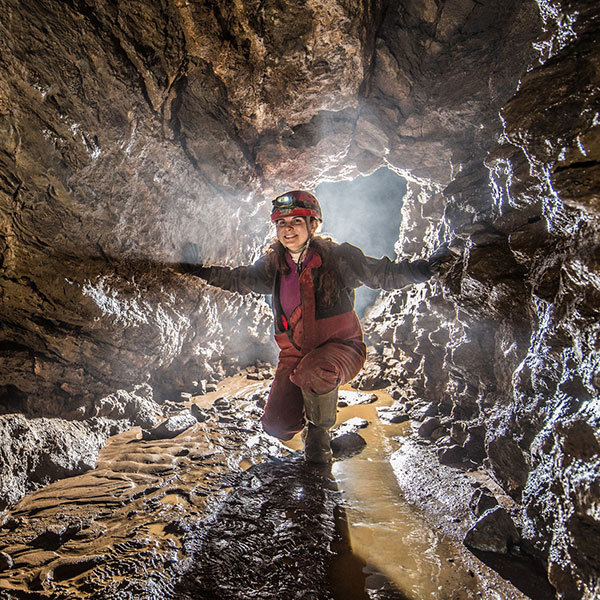
Sharing metadata
| og:url | https://newtocaving.com |
|---|---|
| og:type | website |
| og:image | https://newtocaving.com/images/img-facebook.jpg |
| og:title | New To Caving |
| og:description | All the advice you need to take your first steps underground! |
robots.txt (opens in a new tab)
HTTP 404No robots.txt found
Sitemaps
0No sitemaps found
 Registration details RDAP / WHOIS
| Registrar | Mesh Digital Limited |
|---|---|
| Registered | 2017-03-02 |
| Expires | 2030-03-02 |
| Domain status | client delete prohibited、client transfer prohibited、client update prohibited |
| Nameservers | ns1.iomart.io、ns2.iomart.io |
| DNSSEC | unsigned |
 DNS records
 TLS and certificates
| Assessment | Normal configuration |
|---|---|
| Supported protocols | TLSv1.2、TLSv1.3 |
| Negotiated protocol | TLSv1.3 |
| Certificate subject | webdisk.newtocaving.com |
| Issuer | Let's Encrypt |
| Valid until | 2026-11-04T01:39 · Remaining when checked: 41 days |
| Verification details | Certificate trust: Passed · Hostname match: Passed |
 HTTP response headers
| Header | Value |
|---|---|
| content-type | text/html; charset=UTF-8 |
| server | LiteSpeed |
 Identified technologies
Recent Updates
- Website images
- Screenshots
- Network details
- Website Technologies
- Pages and Search Information
- HTTP Response Information
- TLS and certificates
- DNS Information
- Domain Registration
- Website profile
- Website Description
- Website Name
- Website profile
- Website Description
- Website Name
User reviews (0)