
 简体中文
简体中文 English
nsyo.org.au
NSYO is a community-based organisation run by parent volunteers and comprised of Strings & Sinfonia, Wind Ensemble and Symphony Orchestra. We support talented young musicians aged 5 to 25 years old to develop musical and orchestral skills.
At a glance
- Category
- Music & Audio
- Language
- English
- Paid-content signal
- No paid content foundObserved
- Registered
- Unknown
- Hosting
- nsyo.org.auInferred
- HTTPS certificate trusted
- PassedObserved
- Last updated
Related questions
More questions →What Is an Orchestra? Instruments, Sections, and How It Differs from Other Ensembles
An orchestra is a large instrumental ensemble built from four families—strings, woodwinds, brass, and percussion—led by a conductor who shapes tempo, balance, and interpretation. The term covers a range of sizes: a chamber orchestra might field 15–45 players, while a full symphony orchestra can exceed 100. If you are trying to understand what you are hearing at a concert, or deciding whether a given ensemble fits the music you want to play or attend, the sections below break down the standard lineup and where the boundaries between orchestra types fall.
The Four Instrumental Sections
Strings
The largest section, and usually the melodic and textural backbone. Standard members:
- Violin (divided into first and second violins)
- Viola
- Cello
- Double bass
A full string section may number 60 or more players; the string count is often what separates a "chamber" from a "symphonic" orchestra.
Woodwinds
Color and solo lines, often in pairs or triples:
- Flute (sometimes doubling piccolo)
- Oboe (sometimes doubling English horn)
- Clarinet (sometimes doubling bass clarinet)
- Bassoon (sometimes doubling contrabassoon)
Brass
Power and projection, typically four to five players per section in a full orchestra:
- French horn
- Trumpet
- Trombone
- Tuba
Percussion
Rhythm, accent, and effect. Core instruments include timpani, snare drum, bass drum, cymbals, and mallet instruments such as xylophone or glockenspiel. Larger scores add harp, piano, or extra percussion.
What the Conductor Does
The conductor does not play an instrument during the performance. The role is to:
- Set and maintain tempo
- Cue entrances so sections start together
- Balance volume between sections
- Shape phrasing and dynamics across the whole ensemble
In rehearsal, the conductor also decides interpretation—how fast, how loud, where the music breathes—and communicates that to the players. A new music director can therefore change how a familiar piece sounds from one season to the next. The Great Falls Symphony, for example, opens its 68th season on October 10, 2026 with the debut concert of new Music Director Robert Kahn, a program including Mozart's Overture to The Marriage of Figaro, Rachmaninoff's Piano Concerto No. 2, and Dvořák's Symphony No. 9 ("New World").
Orchestra vs. Other Ensembles
| Ensemble type | Typical size | Core instrumentation | Typical repertoire |
|---|---|---|---|
| Symphony orchestra | 80–100+ | Full strings, woodwinds, brass, percussion | Symphonies, concertos, large tone poems |
| Chamber orchestra | 15–45 | Strings plus reduced winds/brass | Baroque, Classical, modern chamber works |
| String orchestra | 12–40 | Strings only | Baroque, string serenades, film scores |
| Wind ensemble / concert band | 30–50 | Woodwinds, brass, percussion (no or few strings) | Band originals, transcriptions, marches |
| Chamber group (quartet, trio) | 3–8 | One player per part | Intimate chamber music |
The practical distinction is scale and repertoire. A string orchestra can play Vivaldi's Four Seasons; a full symphony orchestra can also play it, but with a larger, heavier sound. A wind ensemble cannot play a Dvořák symphony as written because the string parts have no equivalent.
Orchestra and Choir Together
Many orchestras perform with a symphonic choir, alternating or combining forces. The Great Falls Symphony's November 15, 2026 program Lux Aeterna is a clear example: the Symphonic Choir opens with a cappella works under new Choirmaster Jay Gregg, the orchestra then plays Vivaldi's Four Seasons, and both groups combine for the closing Lux Aeterna. If you are choosing a concert, this format gives you both choral and orchestral sound in one evening.
What to Expect at a Live Performance
- Arrive before the downbeat. Latecomers are usually held until a suitable pause.
- Applause between movements is optional. Modern audiences often wait until the end of a multi-movement work; either is acceptable.
- Programs list the order of pieces. Use it to follow sections and soloists.
- Film-with-orchestra concerts project the movie in HD while the orchestra plays the score live—the Great Falls Symphony's January 16, 2027 Jurassic Park performance follows this format.
Choosing Which Ensemble to Hear or Join
- Want the full symphonic sound? Look for a symphony orchestra program with a major Romantic or modern work.
- Prefer clarity and intimacy? A chamber orchestra or string orchestra suits Baroque and Classical repertoire.
- Play a wind or brass instrument? A wind ensemble is the natural fit; orchestral wind sections are small and competitive.
- Want to sing? Look for a symphony with an affiliated symphonic choir, such as the Great Falls Symphony & Symphonic Choir.
Season tickets and individual concert details for the Great Falls Symphony's 2026–2027 season are available through the organization's website; check the "Plan Your Experience" page for visitor information before attending.
Website Overview
Several search or sharing settings need attention. Together they may make snippets, preview images or preferred URLs less consistent across platforms.
Domain and Registration
Transfer-protection status is present, helping reduce the risk of unauthorized domain transfers. The registrar is Tucows (Australia) Pty Ltd trading as OpenSRS, a widely used domain service provider. The domain uses the common .au extension, which is not an independent safety signal.
DNS and Email
Nameservers are provided by systemdns.com, indicating managed DNS hosting. MX records point to the emailsrvr.com email service. SPF and DMARC are configured. DKIM status is unknown. DNSSEC signatures were not detected, so this additional DNS authenticity protection is not confirmed. The lowest observed DNS TTL is 300 seconds.
TLS and Certificates
The certificate uses an RSA 2048-bit public key, offering broad client compatibility. The server supplied a complete certificate chain. No organization name is present in the certificate; the available fields are consistent with domain validation. The certificate was issued by Let's Encrypt, commonly associated with automated certificate services. The certificate's total validity is about 89 days, consistent with a short renewal cycle.
HTTP and Browser Security
The checked browser-security headers were not detected, leaving fewer explicit browser-side safeguards. No X-Powered-By header was found, reducing one common source of backend fingerprinting information. No obvious internal addresses or debug information were found in the headers. The Server header identifies nginx without an exact version. Cookie security attributes are unknown.
Technology Stack Analysis
The public page identifies Google Analytics, nginx without precise versions, leaving fewer clues for version-specific scanning.
Search and Social Sharing
The title has 70 characters and may be truncated in search results. The meta description has 239 characters and may be shortened in search results. Open Graph is partially configured; og:title, og:description, og:type is missing. The observed directives allow indexing and link following. No Generator meta tag is publicly exposed.
Hosting and Email
 Sydney, New South Wales, Australia
Inferred
119.9.56.28
Sydney, New South Wales, Australia
Inferred
119.9.56.28
Registration details
| Registrar | Tucows (Australia) Pty Ltd trading as OpenSRS |
|---|---|
| Registered | Unknown |
| Expires | Unknown |
| Domain status | server renew prohibited |
| Nameservers | ns1.systemdns.com、ns2.systemdns.com、ns3.systemdns.com |
| DNSSEC | unsigned |
DNS records
| Type | Name | Value | TTL | Priority |
|---|---|---|---|---|
| A | nsyo.org.au | 119.9.56.28 | 300 | — |
| MX | nsyo.org.au | mx1.emailsrvr.com | 300 | 10 |
| MX | nsyo.org.au | mx2.emailsrvr.com | 300 | 20 |
| NS | nsyo.org.au | ns1.systemdns.com | 300 | — |
| NS | nsyo.org.au | ns2.systemdns.com | 300 | — |
| NS | nsyo.org.au | ns3.systemdns.com | 300 | — |
| TXT | nsyo.org.au | v=spf1 include:emailsrvr.com ~all | 300 | — |
| CNAME | www.nsyo.org.au | nsyo.org.au | 300 | — |
| DMARC | _dmarc.nsyo.org.au | v=DMARC1; p=none | 300 | — |
TLS and certificates
HTTP response headers
| Header | Value |
|---|---|
| content-type | text/html; charset=UTF-8 |
| cache-control | no-store, no-cache, must-revalidate |
| server | nginx |
| set-cookie | Redacted |
Identified technologies
Pages, Search and Sharing
| Meta description | NSYO is a community-based organisation run by parent volunteers and comprised of Strings & Sinfonia, Wind Ensemble and Symphony Orchestra. We support talented young musicians aged 5 to 25 years old to develop musical and orchestral skills. |
|---|---|
| Canonical URL | https://www.nsyo.org.au/ |
| Language | English (default) |
| Twitter Card | Not detected |
Social Sharing Preview
1 fields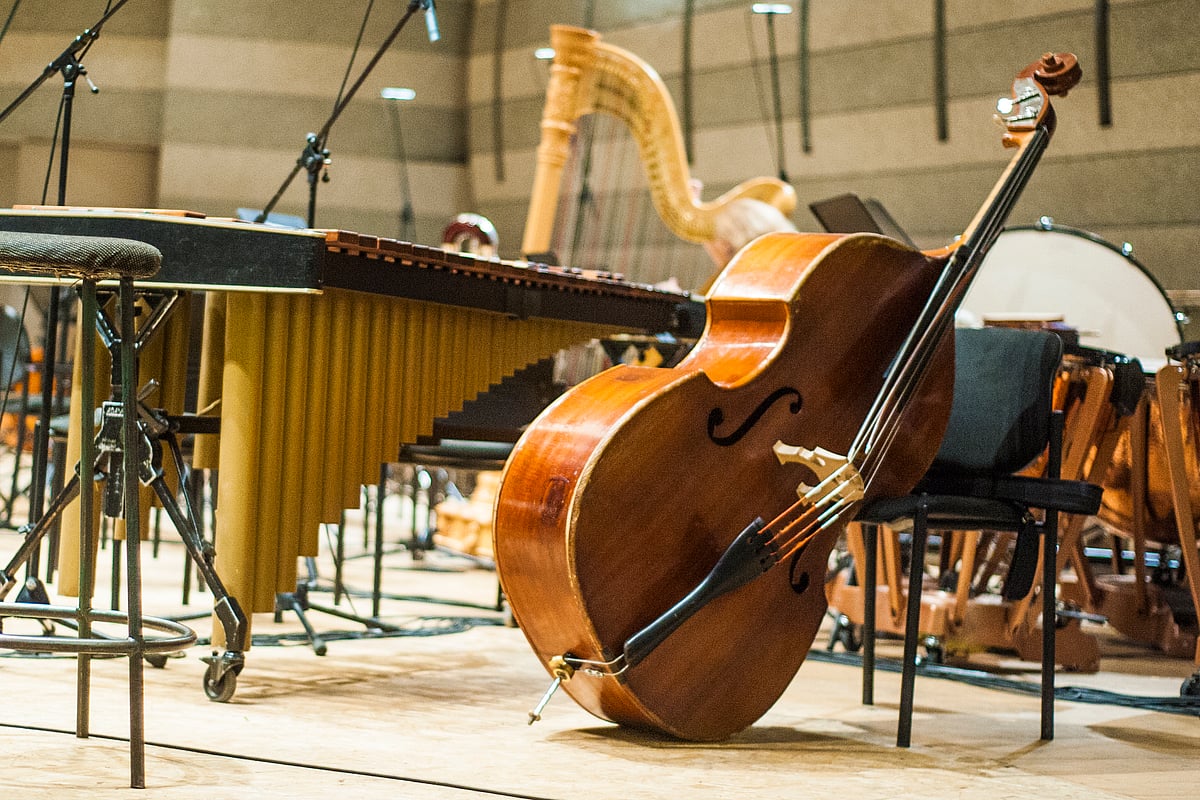
robots.txt (opens in a new tab)
15 rulesAll bots 1 allowed · 14 disallowed
- Allow
/ - Disallow
/admin$ - Disallow
/admin/ - Disallow
/users$ - Disallow
/users/ - Disallow
/tools$ - Disallow
/tools/ - Disallow
/*.php$ - Disallow
/shop/checkout$ - Disallow
/shop/checkout/ - Disallow
/shop/basket$ - Disallow
/shop/basket/ - Disallow
/shop/add/ - Disallow
/shop/reorder/ - Disallow
/shop/load-cart/
No matching rules.
User reviews (0)