
 简体中文
简体中文 English
Website review
This review may include AI-generated content and is not individually verified. Domain, certificate and other facts come from the observed data on this page.
What is the Great Falls Symphony?
The Great Falls Symphony is a classical music organization based in Great Falls, Montana, built around a professional orchestra and a companion Symphonic Choir. Its stated aim is civic as much as artistic: making Great Falls a better place to live through music. The season mixes orchestral concerts, choral programs, chamber music, and family-friendly events such as film screenings with live accompaniment and a holiday Nutcracker with the Montana Ballet Company.
What a season looks like
Programming leans on recognizable repertoire rather than obscure discoveries. Recent and upcoming examples include Mozart's Marriage of Figaro overture, Rachmaninoff's Piano Concerto No. 2, Dvořák's New World Symphony, Vivaldi's Four Seasons, and Lux Aeterna performed by choir and orchestra together. The organization also runs smaller ensembles — the Chinook Winds and Cascade Quartet — which suit recital halls, schools, and community events better than a full orchestra would.
Who it is for
- Local concertgoers who want a full orchestral experience without traveling to a major metropolitan area.
- Families drawn to holiday and film programs, where the music is familiar and the atmosphere less formal.
- Choral singers and listeners interested in the Symphonic Choir side of the season.
- Visitors to central Montana looking for an evening event tied to the city rather than the outdoors.
Practical considerations
A few things are worth knowing before you plan around a concert. The orchestra is entering a leadership transition: Robert Kahn takes over as Music Director for the 68th season, and Jay Gregg steps in as Choirmaster, so the sound and style of the ensemble may shift over the next few seasons. Some concerts are collaborations — with the C.M. Russell Museum, the Montana Ballet Company, or the Electric City Youth Choir — which means the format can differ from a standard symphony program. Season tickets are promoted as a saving over single tickets, and the site's "Before You're Here" page is the sensible starting point for venue, accessibility, and arrival details.
If you are deciding whether to attend, pick a program whose repertoire you already know — The Nutcracker or the film-with-orchestra night are the easiest entry points — then check the plan-your-experience page for logistics. For a broader sense of the regional classical scene, Great Falls Symphony is the primary source, and comparable organizations such as Missoula Symphony show how other Montana cities structure their seasons.
How can I buy tickets or season passes for Great Falls Symphony concerts?
Visit Great Falls Symphony to buy single tickets and season passes. The homepage promotes season tickets with a savings message and links to the current 68th season, with individual concert pages for each date.
Typical paths
- Season tickets: Look for the season tickets callout on the homepage, then follow the season page or "Explore the Season" link. Season packages usually cover multiple concerts in the announced lineup, such as the October 10 opener through the January 16 film concert.
- Single tickets: Open the concert you want from the season listing, then use that event's ticket link or "Learn More" button.
- Before you go: The site's "Before You're Here" page under Plan Your Experience is the place to check venue, accessibility, parking and arrival details.
Practical scenario
If you are planning a holiday outing, start with the November 24 Nutcracker or December 20 Christmas concert page, confirm the date and start time, then decide whether a season pass makes sense. A pass is usually the better value if you plan to attend three or more concerts; single tickets are simpler if you only want one event or are still choosing dates.
Before buying
- Confirm the exact date, time and venue on the individual event page.
- Check whether the event is presented with a partner, such as the Montana Ballet Company or the C.M. Russell Museum, because ticketing may be handled differently.
- Look for student, senior or group options if they apply to you.
- If you need help, use the contact details on the site rather than a third-party reseller.
For the most current prices, availability and on-sale dates, go directly to the official site.
When is The Nutcracker with live orchestra performed and who partners on it?
The Nutcracker with live orchestra is scheduled for November 24, 2026, as part of the Great Falls Symphony's 68th season. The performance is a partnership between the Great Falls Symphony, the Montana Ballet Company, and the Electric City Youth Choir, with Tchaikovsky's score played live by the symphony orchestra.
Great Falls Symphony
If you're considering attending, note that this is a holiday-season collaboration rather than a standard symphony concert: the ballet company supplies the staging and dancers, the youth choir adds voices, and the orchestra performs from the pit or stage. Families with young children and ballet regulars are the natural audience here, while someone mainly interested in orchestral repertoire might prefer the November 15, 2026 program pairing the Symphonic Choir with Vivaldi's Four Seasons, or the October 10 season opener featuring Rachmaninoff and Dvořák's New World Symphony.
A practical next step is to check the symphony's "Before You're Here" planning page for venue, timing and ticket details, since a staged ballet with three participating ensembles can sell differently from a standalone concert.
What is the 2026-2027 season program, including dates and featured works?
The Great Falls Symphony's 68th season runs from October 2026 into 2027 and marks the debut year of Music Director Robert Kahn. The announced concerts mix orchestral standards, choral repertoire, holiday traditions and film-with-orchestra programming.
Announced 2026–2027 concerts
| Date | Program | What's featured |
|---|---|---|
| October 10, 2026 | New World, New Beginnings | Robert Kahn's debut concert: Mozart's Overture to The Marriage of Figaro, Rachmaninoff's Piano Concerto No. 2 with pianist Janice Carissa, and Dvořák's Symphony No. 9 ("New World"), presented with C.M. Russell Museum pieces marking the 100th anniversary of Charlie Russell's death |
| November 15, 2026 | Lux Aeterna | Symphonic Choir a cappella works under new Choirmaster Jay Gregg, then Vivaldi's The Four Seasons with the orchestra, closing with Lux Aeterna for choir and orchestra together |
| November 24, 2026 | The Nutcracker | Tchaikovsky's full ballet with the Montana Ballet Company and Electric City Youth Choir, orchestra playing live |
| December 20, 2026 | Christmas | Orchestra and Symphonic Choir with carols, seasonal classics and an audience sing-along |
| January 16, 2027 | Jurassic Park | The film projected in HD with the score performed live by the orchestra |
The season page also advertises season tickets as a savings option versus single tickets.
How to choose
If you want the headline event, October 10 is the one: a new music director, a marquee concerto soloist and a symphony the audience already loves. For choral fans, November 15 is the strongest pick because the choir and orchestra each get their own half before combining. Families with children will get the most out of The Nutcracker and the December 20 carol concert, while Jurassic Park suits anyone who wants a familiar film with a live score rather than a traditional concert format.
Check the Great Falls Symphony season page for the remaining spring 2027 dates, which are not listed in the material above, and use its "Before You're Here" planning page for venue and arrival details before booking.
Who is Robert Kahn and what is his role as the new Music Director?
Robert Kahn is the incoming Music Director of the Great Falls Symphony, announced as the conclusion of a two-season search and set to lead the orchestra beginning with its 68th season in 2026–2027. His debut concert, titled New World, New Beginnings, is scheduled for October 10, 2026, and pairs Mozart's Overture to The Marriage of Figaro, Rachmaninoff's Piano Concerto No. 2 with pianist Janice Carissa, and Dvořák's Symphony No. 9 ("New World")—the last presented in partnership with the C.M. Russell Museum to mark the 100th anniversary of Charlie Russell's death.
What the role covers
As Music Director, Kahn is the orchestra's artistic leader: he chooses and shapes programs, conducts concerts, and sets the interpretive direction of the ensemble. The season listing shows him conducting both orchestral and combined choral-orchestral programs, including Lux Aeterna on November 15, 2026, where the Symphonic Choir and orchestra trade off before joining for the finale. That concert also introduces Jay Gregg as the new Choirmaster, so Kahn's role sits alongside a separate choral leader rather than absorbing it.
How to judge fit
For a listener deciding whether to attend, the practical signal is repertoire. Kahn's debut leans on well-known works—Figaro, Rachmaninoff's Second, the New World Symphony—which suggests a programming approach that balances audience familiarity with a statement-making first appearance. If you want to hear how he handles a full season rather than a single concert, the holiday and film programs later in the season (The Nutcracker with the Montana Ballet Company on November 24, 2026, Christmas on December 20, 2026, and Jurassic Park in concert on January 16, 2027) show the range of conducting duties the post involves.
A useful next step is to check the season and ticket pages at Great Falls Symphony for the full program notes and any pre-concert talks, which usually give the clearest picture of a new director's intentions.
How do the Great Falls Symphony and Symphonic Choir collaborate on concerts like Lux Aeterna?
At Lux Aeterna, the collaboration is programmed as a handoff rather than a continuous blend. The Symphonic Choir opens alone with two a cappella works under Choirmaster Jay Gregg, then the orchestra takes the stage without the choir for Vivaldi's Four Seasons under Music Director Robert Kahn, and the two forces finally combine for the closing Lux Aeterna. The result is a concert that lets each ensemble be heard on its own terms before asking them to balance against each other.
That structure gives you three distinct listening experiences in one evening. If you mainly want choral singing, the opening is your portion; if you prefer orchestral repertoire, the Vivaldi sits in the middle; the finale is where the partnership actually happens.
How to judge whether it suits you
- Choral-first listener: the a cappella opening is the draw, and the joint finale is a bonus.
- Orchestra-first listener: Vivaldi's Four Seasons is the centerpiece, with choral bookends.
- Curious newcomer: the alternation keeps the evening varied and is easier to follow than a single large choral-orchestral work.
- Holiday or family outing: the December programs pair the same two ensembles with carols and a sing-along, a lighter entry point than Lux Aeterna.
Other joint appearances in the season
The choir and orchestra also appear together on December 20 for Christmas, which adds Santa and a carol sing-along. The November 24 Nutcracker pairs the orchestra with the Montana Ballet Company and the Electric City Youth Choir, so the choral contribution there comes from younger singers rather than the Symphonic Choir. The season opener on October 10 is orchestral only, with pianist Janice Carissa and a partnership with the C.M. Russell Museum.
A practical next step
If you are deciding between Lux Aeterna and the holiday concert, ask whether you want to hear the choir as a featured ensemble or as part of a festive program. For the choral-orchestral format at its most focused, choose Lux Aeterna; for a relaxed, sing-along evening, choose December. Season tickets are promoted as a saving over single tickets, so compare the two if you plan to attend more than one or two concerts. Details and dates are listed at Great Falls Symphony, and the "Before You're Here" page covers practical planning for a visit.
 Google Cloud DNS
 Fastly
 Google Workspace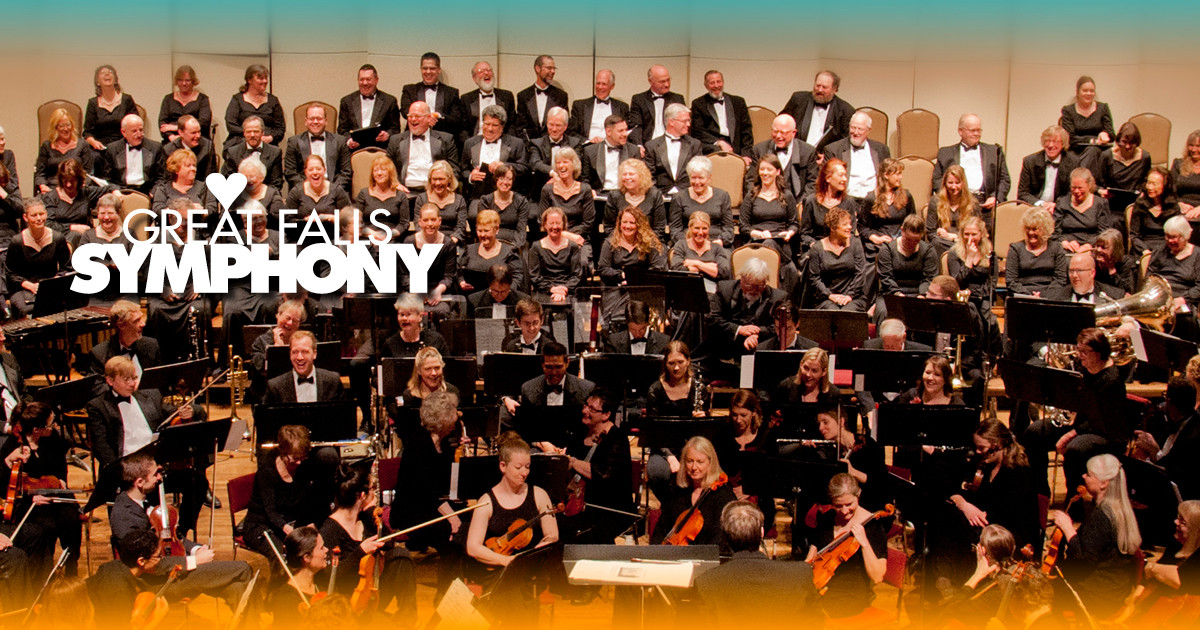

User reviews (0)