Website profiles · Technology insights · Alternatives

robynholland.com.au

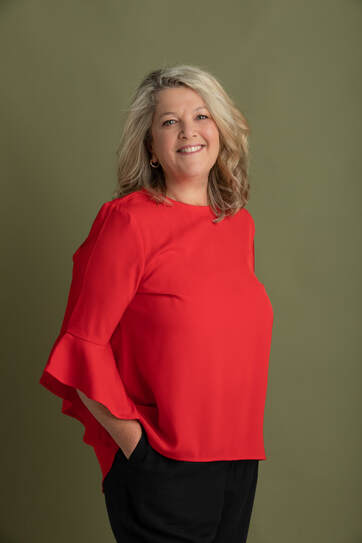
Robyn Holland is a Gold Coast freelance journalist, PR specialist and copywriter with more than 30 years experience.

No paid content found
Visit website
Profile views 1 Outbound visits 10 Normal
Robyn Holland Full homepage screenshot

At a glance

Category
Other
Language
English
Paid-content signal
No paid content foundObserved
Registered
Unknown
Hosting
CloudflareInferred
HTTPS certificate trusted
PassedObserved
Last updated

Website review

This review may include AI-generated content and is not individually verified. Domain, certificate and other facts come from the observed data on this page.

What is Robyn Holland?

Robyn Holland is a Gold Coast–based freelance journalist, PR specialist and copywriter with more than 30 years of experience, according to Robyn Holland. Her site presents her as a single point of contact for writing and media work: clean copy, editing, media relations and PR support, aimed at organisations that need clear communication without damaging their reputation.

What she actually does

Her background spans print journalism, magazine freelancing, corporate and government communication, and agency PR. That mix suits three broad kinds of work:

  • Journalism and feature writing, including travel stories; she is also the author of Australians – the people and their stories (Simon and Schuster, 2000).
  • Copywriting and editing for corporate publications, digital channels and marketing material.
  • PR and media liaison, including issues management and account management; her current PR clients reportedly include industry associations, not-for-profits and SMEs.

Who she is a good fit for

A practical reader scenario: a not-for-profit or small business has a message but no in-house writer, and wants someone who can draft it, pitch it and handle a journalist's questions without creating risk. Her stated strength is exactly that combination — writing plus a feel for reputation. A large brand with a dedicated content team may instead need a specialist in one discipline.

How to decide

If you need one person to cover writing and media relations, start with her portfolio and testimonials, then ask for samples in your sector and how she handles approval and issues management. If you need only SEO content at volume, compare against specialist agencies; for journalism-style travel or feature work, her travel stories are the most direct evidence.

What copywriting, editing and PR services does Robyn Holland offer for small businesses or not-for-profits?

Robyn Holland presents herself as a Gold Coast-based freelance journalist, PR specialist and copywriter with more than 30 years of experience, and her site groups her offer under "Copywriting, Editing & PR Services." For small businesses and not-for-profits, that combination is the main draw: one writer who can produce the copy, tidy existing material, and handle the media-facing side.

What the site indicates she offers

  • Copywriting — clean, clear copy aimed at a defined audience, positioned around the idea that "connecting with your audience always begins with the right words."
  • Editing — listed as a distinct service alongside copywriting and PR.
  • PR services — media liaison and media relations, drawing on her background in news journalism, Queensland Police Service media relations, local government corporate communication and, since 2021, senior account management at a PR firm with industry association, not-for-profit and SME clients.
  • Content for travel and regional promotion — her portfolio includes travel stories and roughly a decade of content and promotion work for Tourism New England North West.

Who this fits

A small not-for-profit preparing a media release and a funding announcement, or an SME that needs its website and brochures rewritten in plain language, is the kind of reader her experience speaks to. Her newsroom background at The Sydney Morning Herald and her issues-management work in council communication suggest she is comfortable with reputation-sensitive material, which matters for organisations that cannot afford a clumsy public statement. Her testimonial from Sally Bor praises clear communication with multiple audiences and an engaging presence when "pitching or presenting."

Practical next step

Before enquiring, write a one-page brief: who the audience is, what the piece must achieve, whether you need writing from scratch or editing of existing drafts, and whether media outreach is in scope. Ask which of the three services she would recommend for that brief and what she needs from you — background documents, interviews, approvals — to start. The site's Portfolio, Writing, PR Results and Contact sections are the places to check samples and get in touch.

For comparison when weighing other freelancers, Robyn Holland is the reference point here; general advice is to favour writers whose published samples match your sector and format rather than the longest service list.

How can I hire Robyn Holland as a freelance journalist or PR specialist on the Gold Coast?

The site presents Robyn Holland as a Gold Coast–based freelance journalist, PR specialist and copywriter with more than 30 years of experience across newspapers, magazines, government and agency communications. The practical route to hiring her is to use the contact details published on Robyn Holland and send a short brief: what you need (journalism, media relations, copywriting or editing), who the audience is, the deadline, and how you'll judge success.

What to include in your brief

  • The task and format: a news feature, media release, corporate publication copy, travel content, social posts, or editing an existing draft.
  • Audience and outlet: who reads it and where it will appear, since her background spans general news, tourism promotion, local government and not-for-profits.
  • Timing: deadline, review rounds and any approval chain.
  • Context: subject-matter notes, spokespeople, existing material and any sensitivities, especially for issues management or reputation-sensitive work.
  • Budget and scope: ask directly about rates, availability and how revisions are handled; the site itself does not publish pricing.

Matching her experience to your need

Her history suggests a good fit for organisations that want clear writing plus media-savvy judgement: tourism and regional promotion, local government or community communication, associations and small businesses, and anyone needing a media release or interview-ready spokesperson support. A testimonial on the site from Sally Bor praises her clear communication with multiple audiences and her engaging manner when pitching or presenting, which points to PR work that includes direct contact with media and stakeholders.

A useful next step

Draft a one-page brief and ask for a short call before commissioning. On that call, confirm who does the writing versus the pitching, whether photography or additional contributors are needed, and what happens if the angle changes after the first draft. For comparison, you can also look at how other Australian freelance journalists and PR practitioners present their services, such as the Media, Entertainment & Arts Alliance at MEAA for industry context, though that is general guidance rather than a feature of this site.

What travel writing or travel stories has Robyn Holland published?

Robyn Holland's published travel writing centers on an extended Australian road trip and on regional tourism content. According to Robyn Holland, a year-long caravan trip around Australia in 1999 with her photographer husband and two young children led to the book Australians – the people and their stories, published by Simon and Schuster in December 2000. The site also notes that for almost a decade she wrote content for and promoted travel to the New England North West region of NSW while working as a senior journalist at a boutique communication and marketing agency, with Tourism New England North West as her key client. A "Travel Stories" section appears in the site's navigation, suggesting a portfolio of travel pieces, though the page evidence provided does not list individual story titles.

For a concrete use case: an editor commissioning a first-person Australian road-trip feature or a regional tourism board needing destination copy could review that "Travel Stories" section and the portfolio page to judge range and tone. As a next step, look for the book's publisher listing and the portfolio samples to confirm the style and subject matter, since the supplied page evidence names the book and the tourism client but not the individual articles.

What is Robyn Holland's book 'Australians - the people and their stories' about?

A Australians – the people and their stories is a people-focused book drawn from a year-long caravan trip around Australia that Robyn Holland took in 1999 with her photographer husband Steve and their two young children. The site says the trip produced the book, published by Simon and Schuster in December 2000, alongside the arrival of their third child. The title and the site's framing point to a collection of Australians' own stories and portraits rather than a conventional travel guide: the emphasis is on the people and their stories, with a photographer involved, so expect a strong documentary, interview-led character.

What a reader can reasonably expect

  • Ordinary Australians speaking in their own words, gathered from travels across the country.
  • A sense of place carried by people rather than by destination listings.
  • A personal, family-travel backstory behind the material.

The site does not describe the book's chapters, regions covered or interview subjects in detail, so treat any specific claims about its contents as unconfirmed.

Practical next step

If you are deciding whether it suits you, treat it as narrative non-fiction or oral history rather than a trip-planning guide. Readers who enjoy interview-based portraits of regional Australia are the natural audience; someone wanting maps, itineraries or practical travel advice should look elsewhere. For a closer sense of the author's voice and her travel and people writing, see Robyn Holland.

How does Robyn Holland's 30 years of journalism and government PR experience benefit clients who need media liaison or issues management?

Robyn Holland's background pairs newsroom judgement with government communications discipline, which is what media liaison and issues management clients typically need most. Her page evidence shows both sides: reporting at The Sydney Morning Herald (general news, police rounds, arts and lifestyle, editing Column 8 and Today's People), then media relations for the Queensland Police Service from 1991, and later corporate communication at City of Gold Coast covering media liaison, issues management, account management and communication planning. That mix matters because it means she has sat on both sides of a media enquiry — shaping the story as a journalist and answering for an organisation under scrutiny.

What that translates to in practice

  • Media liaison: She has pitched and presented to journalists, and her testimonial from Sally Bor notes she "communicates clearly with multiple audiences." In practice, a client facing a first media interview gets help framing messages and anticipating the questions a reporter will actually ask — a skill drawn from having asked them.
  • Issues management: Nearly a decade inside local government communication, plus police media relations, means familiarity with the rhythm of a developing issue: rapid response, consistent lines, and protecting reputation while staying accurate. Her copy stresses that effective communication and upholding reputation are equally important.
  • Sector range: Agency work for Tourism New England North West, current PR for industry associations, not-for-profits and SMEs at Pure Public Relations, and freelance magazine writing suggest she can adjust tone from promotional travel content to sensitive stakeholder messaging.

How to judge fit

If your need is a one-off media release or a straightforward feature, her journalism and copywriting background is the relevant strength. If you are managing a live issue, ask specifically about her experience handling media enquiries under pressure, who approves statements, and how she coordinates with legal or executive staff — the page shows the roles she held but not the detail of individual engagements. For comparison, a specialist crisis firm such as Edelman may suit large-scale reputational incidents, while a solo practitioner like Holland can be a better match for an SME wanting a single, accountable writer.

A useful next step: bring one real scenario — an upcoming announcement or a current sensitive query — and ask how she would handle the first 24 hours. The answer will show whether her newsroom-plus-government background fits your situation.

Related questions

More questions →
What Is Freelance Writing? How the Work Actually Works

Freelance writing is self-employed writing work: you contract with publications, brands, or agencies on a project or ongoing basis instead of holding a staff job with one employer. It suits people who can generate their own assignments, manage deadlines without a manager, and absorb uneven income. The work is usually pitched, assigned, written, filed, and invoiced — and getting paid is a separate step from finishing the piece.

The core difference from a staff writing job

A staff writer has one employer, a salary, and an editor who hands out work. A freelance writer has many clients, no guaranteed volume, and is responsible for finding the work.

Staff writer Freelance writer
Who assigns work Editor or manager You pitch, or clients approach you
Pay basis Salary Per word, per project, or retainer
Income stability Predictable Varies month to month
Benefits and taxes Employer withholds, may provide benefits You handle taxes, insurance, retirement
Tools and expenses Usually provided Usually your own

The typical workflow

  1. Pitch or respond to a call. You send an editor a short proposal: the angle, why it fits their audience, and why you can write it. Some work comes from editors who already know you.
  2. Get an assignment. The editor agrees to a topic, length, deadline, and rate. This is the point to confirm the rate in writing.
  3. Report and write. Interviews, research, drafts, revisions.
  4. File. You submit the piece by the deadline.
  5. Invoice. You send a bill, often after publication rather than after filing.
  6. Chase payment. Net-30 and net-60 terms are common, and late payment is a normal part of the job, not an exception.

How the money actually works

Freelance rates are usually quoted in one of three ways:

  • Per word — common in magazines and newspapers. A 1,000-word piece at a set per-word rate.
  • Per project — common for brand and content work, where scope matters more than length.
  • Retainer — a fixed monthly fee for an agreed volume of work, which is the closest thing to a steady paycheck.

Because assignments arrive unevenly, income swings. A writer might file three pieces in one month and one the next. That is why many freelancers mix quick-turn news or content work with slower, better-paying features, and why tracking income across months matters more than looking at any single month.

The practical side nobody warns you about

  • Contracts and rights. A contract states what you're selling. First rights, reprint rights, and all rights are different things — selling all rights usually means you can't resell the piece.
  • Kill fees. If an editor cancels an assigned piece after you've started, a kill fee pays you a percentage of the agreed rate. Not every outlet offers one; ask before you start.
  • Taxes. As a self-employed writer you're responsible for your own tax withholding and filings. Set money aside as you're paid.
  • Record-keeping. Track invoices, expenses, and payments. This is what makes tax time and rate-setting possible.
  • Non-writing time. Pitching, invoicing, and admin are unpaid. A realistic week includes hours that produce no words.

Niches and beats

Most working freelancers specialize, because editors hire the person who already knows the subject. Common beats include travel, family and parenting, food, local news, and business or trade topics. A niche is built by writing repeatedly in one area until editors associate you with it.

Kris Bordessa's site is a straightforward example of how a freelance writer presents this. Her site describes her as a Hawaii-based journalist covering family, fun, and travel in the islands and beyond, and lists writer, journalist, and author among her roles — a bio that names both a location and a beat, which is exactly what an editor scanning for a travel or family writer needs to see.

What it takes to start

  • Clips. Published samples. Early on these can come from small outlets, local papers, or your own well-run blog.
  • A portfolio and bio. A simple site that states who you are, where you're based, what you cover, and links to your work.
  • Pitching ability. The skill of matching an idea to a specific publication's audience.
  • Reliability. Meeting deadlines is the main reason editors rehire a freelancer.
  • Financial buffer. Because payment lags the work, you need to cover expenses before the first checks arrive.

When freelance writing is the wrong fit

If you need predictable monthly income, employer-provided benefits, or someone else to hand you assignments, a staff role is a better match. Freelancing rewards people who are comfortable selling their own work and managing their own schedule — and it punishes anyone who assumes the writing is the whole job.

How Can Media Be Used for Everyday Allyship and Advocacy?

Media becomes a tool for everyday allyship when you treat it as a starting point for action rather than a finished product. On a site like How I Ally, that means reading an interview or listening to a podcast episode, then doing something specific with what you heard: sharing it with someone who needs it, changing a habit, or starting a conversation. The approach works best if you already consume some articles, podcasts, or newsletters and want that consumption to lead somewhere.

Why personal storytelling does the heavy lifting

Advocacy media built on first-person accounts works differently from news or commentary. A caregiver describing what a hard week actually looked like, or a parent explaining why he stopped pushing his child to talk, gives you specifics you can recognize in your own life. That recognition is what makes empathy concrete instead of abstract.

How I Ally's archive shows this pattern across formats:

  • Interview series — "Unstoppable," framed around Women's History Month, elevates other people's voices rather than the author's.
  • Podcast episodes — Episode 24, "If I Want My Child to Talk, I Need to Give Him Something to Talk About," is a first-person parenting observation, not a how-to.
  • Column-style interviews — the Authority Magazine interviews with healthcare professionals and figures like Dr. LaNail R. Plummer use the "living a life by design" frame to connect identity and intentionality to change.
  • Seasonal or awareness-tied posts — a Mental Health Awareness Month piece explicitly argues that awareness "is a call to action," which is the clearest statement of the site's stance.

The takeaway: when a piece is built on someone's specific experience, the useful move is to ask what in your own situation it maps onto, not to extract a general lesson.

Turning consumption into action

Passive reading and active engagement look similar but produce different results. The distinction is whether something changes after you close the tab.

Passive consumption Active engagement
Read an interview, feel moved, move on Send the interview to one person it fits
Listen to a podcast episode alone Bring one point from it into a real conversation
Skim a newsletter Act on one item in it this week
Note a voice you agree with Look up the person and follow their work

A concrete example: you read the Rich Heller episode on building "safe, emotionally fluent relationships" in parenting partnerships. Passive version — you nod and finish your commute. Active version — you pick one conflict-resolution habit from the episode and try it in your next disagreement with a co-parent or partner, then notice what changed.

Amplifying voices without speaking over them

Sharing is the lowest-effort form of amplification, and it only helps if you point people to the source rather than summarizing it into your own words. Interview-based media is designed for this: the value is in the original voice, so the allyship move is to link, quote briefly, and let the person speak.

Practical habits:

  • Share the original piece, not a paraphrase.
  • Say why it mattered to you in one line — that context helps others decide whether to read.
  • When you reference someone's story, name them.
  • If you have a platform (a group chat, a team channel, a newsletter), a single well-chosen link can reach people a post never would.

Using curated content to sustain the work

Advocacy is easy to start and hard to keep up. Curated formats — newsletters, recurring interview series, tagged archives — exist partly to solve that. How I Ally organizes content by tags and runs a newsletter signup, which means you can return to a theme instead of relying on willpower.

Two things to check before you commit to a subscription-based habit:

  1. Does the cadence match how you actually consume? A weekly newsletter you never open is worse than a monthly one you read.
  2. Does the source disclose how it handles your data? The site references a privacy policy and terms of use alongside its newsletter consent, so read those before signing up.

Note that the site shows a "Subscribe" and "Sign In" option; whether any content sits behind those is not stated in the material available, so treat access as something to verify rather than assume.

Where this approach has limits

Media-driven allyship is a starting point, not a substitute for action. Reading about equality or advocacy does not by itself change anything for the people affected. The useful test after any article or episode is simple: name one thing you will do differently, and who it affects. If you can't name one, the piece was entertainment, which is fine — just don't count it as allyship.

A second limit: curated content reflects an editor's choices. A tag like "Unstoppable" or a Women's History Month series shapes which voices you hear. That's useful for focus and worth noticing, because the gaps in a curated feed are as informative as its contents.

What Does an Automotive Writer Actually Do? A Look at the Craft of Motoring Journalism

An automotive writer produces factual, editorially independent coverage of cars and the car industry: news, road tests, features, interviews, technical explainers and books. The job is not the same as writing car adverts, brand copy or sponsored posts. The core of the craft is finding things out, checking them, and explaining them clearly to a reader who wants to understand vehicles rather than be sold one.

Where automotive writing appears

Motoring journalism is a broad field, and the format shapes the work more than the subject does.

  • News: launches, industry results, regulation, recalls, motorsport. Short, fast, deadline-driven, often built from press releases plus a phone call or two.
  • Road tests and first drives: structured assessments of a specific car, usually against rivals and often against the manufacturer's claims.
  • Features: longer pieces with a theme — why a particular engine layout died out, how a design trend spread, what a factory visit reveals about production methods.
  • Interviews: conversations with engineers, designers, executives, racers or collectors, written up as profile or Q&A.
  • Technical explainers: how a differential, a heat pump or a homologation rule actually works, aimed at a general but curious reader.
  • Books: histories of marques or models, biographies, reference works. These demand sustained research over months rather than days.
  • Reviews of products around cars: tyres, tools, dash cams, books, games.

A single writer may do several of these in one week, which is why the job rewards versatility more than a single specialism.

What separates journalism from PR and enthusiast blogging

This distinction matters, because it is the thing readers and editors actually pay for.

Automotive journalism Manufacturer PR Enthusiast blogging
Primary loyalty The reader The client The writer's own interest
Sourcing Multiple, attributed, checked Approved company lines Whatever is at hand
Criticism Expected where warranted Avoided Optional
Corrections Published Rarely relevant Inconsistent
Access Conditional on independence Provided by contract Usually self-funded

Journalists often rely on manufacturer access — press fleets, launch events, embargoed information — while remaining free to criticise. That tension is normal and is managed through editorial standards rather than avoided. If a piece is sponsored, advertorial or affiliate-driven, a reputable outlet labels it.

The core skills, and how they are built

Research and verification

You need to be able to read a press release and spot what it does not say. Compare claimed figures with independently measured ones. Check a specification against a previous model year. Keep notes and sources so a claim can be defended later.

Interviewing

Most useful information comes from people, not documents. Good questions are specific and open: not "is the new car good?" but "which compromise in the platform was hardest to sign off, and why?" Learn to listen for the answer you did not expect, and to ask a follow-up rather than moving to the next prepared question.

Driving and observation

Road testing is a skill in itself: consistent routes, comparable conditions, attention to ride, refinement, visibility, control layout and real-world fuel or energy use. You do not need to be a racing driver, but you do need to notice and describe differences precisely.

Technical explanation

The hardest part of the job is making complex engineering intelligible without distorting it. Practise by explaining a system to someone with no engineering background, then checking your explanation against a technical source.

Writing to length and deadline

A 250-word news story and a 3,000-word feature are different crafts. Learn to cut without losing the argument, and to file on time. Missed deadlines end commissions faster than imperfect prose.

Specialist knowledge

Industry knowledge is built by sustained reading: trade press, annual reports, regulation consultations, technical papers, museum and archive collections, and conversations with people who work in the sector. It is maintained, not acquired once.

Realistic starting points

There is no single entry route, and no route guarantees paid work. What follows are practical steps that develop the two things editors look for: demonstrable writing ability and demonstrable subject knowledge.

  1. Write regularly and publish somewhere. A personal site, a student publication, a club newsletter or a local outlet all count. Consistency matters more than prestige at this stage.
  2. Pick a narrow beat and go deep. Electric commercial vehicles, pre-war coachbuilding, motorsport regulations, used-car market data — depth is easier to demonstrate than general enthusiasm.
  3. Build a small portfolio of three to five varied clips. Ideally one news item, one review or test, and one feature or interview.
  4. Pitch to outlets that publish work like yours. Read the publication first, match its tone and length, and pitch a specific idea with an angle rather than offering to "write about cars".
  5. Consider structured study. Journalism courses teach interviewing, media law, ethics and editing; automotive or engineering study builds subject depth. Neither replaces a portfolio.
  6. Take adjacent work deliberately. Technical writing, sub-editing, research, motoring club communications and event reporting all build transferable skills, provided you keep your own independent writing going.

Practical and ethical notes

  • Disclose conflicts. Free travel, loan cars, hospitality and gifts should be declared according to your outlet's policy. Undisclosed benefits undermine the work.
  • Do not present PR copy as journalism. If a manufacturer supplies text or images, treat them as source material and verify.
  • Expect irregular income. Freelance motoring writing is typically commission-based and cyclical, with launches and plate changes shaping the calendar. Rates and terms vary widely and should be agreed in writing before work begins.
  • Keep records. Notes, recordings (with consent), source contacts and drafts protect you if a claim is challenged.
  • Correct errors promptly and visibly. It is a mark of professionalism, not weakness.

A short example of how a piece comes together

Hypothetical illustration: a writer is asked for 1,200 words on a new family SUV. They read the press pack and note the claimed efficiency figure. They check the previous generation's figure and the official test standard used. On the launch drive they record real-world consumption on a set route. They interview the programme's chassis engineer about a ride compromise. They compare the car with two rivals using published data and their own notes. The resulting piece reports the claim, the measured result, the engineer's reasoning and the comparison — and says plainly where the car falls short. That structure, not the subject matter, is the job.

The short answer

An automotive writer turns information about cars into accurate, readable, independent copy. The work is research, interviewing, testing, explaining and writing to deadline, across news, features, reviews and books. It differs from PR and blogging chiefly in loyalty to the reader and willingness to verify and criticise. Entry is through a portfolio and a beat, not a single qualification, and the standards that sustain it are editorial, not promotional.

Who Is Robyn Holland? Finding Her Journalist, PR and Copywriting Website

Robyn Holland is a Gold Coast freelance journalist, PR specialist and copywriter with more than 30 years of experience. Her official site is robynholland.com.au, and it is the place to confirm her background, review her copywriting, editing and PR services, see sample work and testimonials, and find a way to get in touch. Use the site if you are evaluating her for a writing, editing or PR engagement, or if you simply want to verify who she is before relying on her name.

What the site covers

The site is organised around a small set of sections that answer the usual questions a prospective client has:

Section What you get from it
About me Her career history, education and the through-line of her work
Copywriting, Editing & PR Services The service categories she presents
Testimonials Client comments, including one from Sally Bor
My work / Portfolio Sample work and results
Travel Stories Travel writing samples
Book Information on her published book
Contact The route for enquiries

The site's own framing is that "clear communication begins and ends with good writing" — useful context for what she is selling, but not a substitute for checking the portfolio against your own brief.

Her background, in brief

The About section sets out a career that moves between journalism, media relations, marketing and government communication:

  • Education: a BA in English literature from Macquarie University, Sydney.
  • Print journalism: began at The Sydney Morning Herald, covering general news, police rounds, arts and lifestyle, and editing the Column 8 and Today's People columns.
  • Media relations: moved to the Queensland Police Service in 1991.
  • Freelance and books: magazine freelancing through the late 1990s; a year-long caravan trip around Australia in 1999 led to the book Australians – the people and their stories, published by Simon and Schuster in December 2000.
  • Agency work: almost a decade as a senior journalist at a boutique communication and marketing agency, with Tourism New England North West as a key client.
  • Local government: from 2009 at City of Gold Coast, in corporate communication — communication and marketing plans, media liaison, issues management, social media and content for corporate publications and digital channels.
  • Current PR role: since 2021, senior account manager at Pure Public Relations, with clients including industry associations, not-for-profits and SMEs.

The common thread she identifies is writing itself — the same skill applied across news, PR and marketing.

How to use the site to make a decision

  1. Start with About me to check that the career mix matches what you need — for example, government or issues-management experience versus consumer travel writing.
  2. Read the services section and note which of copywriting, editing or PR you actually need; the site presents them as distinct offerings.
  3. Open My work and Travel Stories and compare the samples to your own format — a media release, a feature, a web page or a travel piece.
  4. Read the testimonials, including Sally Bor's comment that Robyn "communicates clearly with multiple audiences" and that her "engaging personality is a bonus when pitching or presenting." Treat this as a signal about working style, not proof of fit for your project.
  5. Use the contact route to describe your brief, audience, deadline and any approval process, and ask for relevant samples and a scope.

What to verify before committing

The site does not publish rates, availability or a service-level agreement, so confirm these directly. Ask specifically about turnaround, revision rounds, who owns the final copy, and whether PR work includes media pitching or only written materials. If your project involves regulated claims — health, finance, legal — check that the writer has handled that category before.

Common sticking points

  • Confusing the name with other people. "Robyn Holland" is not a unique name; confirm you are on robynholland.com.au and that the career details match the About section above.
  • Assuming the site is a booking system. It is a portfolio and profile site; enquiries go through the contact route rather than an online checkout.
  • Reading testimonials as a rate card. They speak to communication style and delivery, not price or timeline.
  • Skipping the portfolio. The strongest evidence of fit is whether the samples resemble the work you need done.

If you want a quick answer: Robyn Holland is a Gold Coast-based journalist, PR specialist and copywriter with three decades across newspapers, police media relations, magazine freelancing, agency journalism, local government communication and current agency PR work — and robynholland.com.au is her official site for background, services, samples and contact.

Elvis Presley Books: How to Choose the Right One for Your Interest

Elvis Presley books fall into four practical categories — biography, photo collection, music reference, and Follow That Dream (FTD) releases — and the right one for you depends on whether you want to read his life story, look at rare images, or research recordings and concert dates. The site Elvis Presley Music groups its book coverage under a dedicated Books section alongside CD, DVD, and FTD reviews, which makes it a reasonable starting point for seeing what exists before you buy.

The four main categories

Category What it gives you Best if you want to…
Biography A chronological narrative of Elvis's life, often day by day Understand the life story from 1935 to 1977
Photo collection Large-format images, often from private archives See rare or unpublished photographs
Music / reference guide Recording sessions, release data, concert lists Research a specific song, session, or performance
FTD releases Book-and-CD sets tied to specific sessions or eras Combine reading with remastered audio

The site's own biography content is organised as a "day by day" account of Elvis's life from 1935 to 1977, including all concerts, movies, and important events — the same structure many printed biographies follow, so it is a useful free way to test whether that level of detail suits you before buying a book.

Matching the book to your goal

  • Learning the life story: choose a biography. Check whether it covers the full 1935–1977 span or only a period (the 50s, Army years, 60s, or 70s are often treated separately).
  • Viewing rare photos: choose a photo book, and judge it on image quality rather than page count. Sample pages are the only reliable way to check print resolution.
  • Researching recordings or concerts: choose a reference guide or discography-style book, where accuracy of session dates and take information matters more than narrative.
  • Wanting audio with the reading: FTD releases pair a book with CDs, so the value depends on whether you want the specific sessions covered.

What to check before buying

  1. Author credentials. Ask whether the author had direct access to archives, interviews, or the Elvis Presley Enterprises estate, or worked independently from published sources.
  2. Authorized vs. independent. Authorized books tend to have stronger photo rights; independent books often go deeper into fan-level detail. Neither is automatically better — it depends on your goal.
  3. Format and edition. Hardcover, paperback, and updated reissues of the same title can differ in photo reproduction and added material. If a book has been revised, the later edition usually carries corrections.
  4. Reviews and sample pages. Reviews on fan sites such as Elvis Presley Music, plus any preview pages the seller offers, are the fastest way to judge photo quality and factual accuracy.

A practical example

Suppose you are mainly interested in the 1953–1955 Sun Records period and the 1956 breakthrough year, when Elvis recorded "Heartbreak Hotel," "Don't Be Cruel," "Hound Dog," and "Love Me Tender," appeared on national television 11 times, and signed a seven-year contract with Paramount. A general one-volume biography will cover this in a chapter or two; a session-focused reference book or an FTD release tied to those recordings will give you far more detail. Deciding which level of detail you actually want is the single biggest factor in choosing well.

Common pitfalls

  • Buying a photo book for its text, or a reference book for its narrative — the categories rarely overlap well.
  • Assuming a newer edition is always better; check what was actually added or corrected.
  • Overlooking format: large photo books are often heavy hardcovers, which matters if you want something portable.

If you are unsure where to start, browse the Books and Book Reviews sections on Elvis Presley Music first, note which titles keep appearing, then check those specific titles against the criteria above.

Website Overview

Several search or sharing settings need attention. Together they may make snippets, preview images or preferred URLs less consistent across platforms. An active inbound-mail setup with incomplete authentication may leave the domain more open to impersonation. Provider hosting alone does not close that gap.

Domain and Registration

Transfer-protection status is present, helping reduce the risk of unauthorized domain transfers. The domain uses the common .au extension, which is not an independent safety signal.

DNS and Email

MX records exist, but SPF, DKIM and DMARC were not detected. Protection against domain impersonation may be incomplete. Nameservers are provided by nocdirect.com, indicating managed DNS hosting. MX records point to the Google Workspace email service. DNSSEC signatures were not detected, so this additional DNS authenticity protection is not confirmed. The lowest observed DNS TTL is 14400 seconds.

TLS and Certificates

The public key uses EC with 256 bits. The server supplied a complete certificate chain. No organization name is present in the certificate; the available fields are consistent with domain validation. The certificate was issued within the Google Trust Services cloud or CDN ecosystem. The certificate's total validity is about 90 days, consistent with a short renewal cycle.

HTTP and Browser Security

The checked browser-security headers were not detected, leaving fewer explicit browser-side safeguards. No X-Powered-By header was found, reducing one common source of backend fingerprinting information. The cf-ray response header indicates a CDN or caching proxy in the delivery path. No obvious internal addresses or debug information were found in the headers. The Server header identifies cloudflare without an exact version.

Technology Stack Analysis

The public page identifies Google Analytics, Cloudflare without precise versions, leaving fewer clues for version-specific scanning.

Search and Social Sharing

The title has 71 characters and may be truncated in search results. No homepage canonical URL was detected. If duplicate URLs exist, consolidation may be less explicit. Open Graph is partially configured; og:type is missing. A meta description is present, with 116 characters. The observed directives allow indexing and link following.

Hosting and Email

DNSnocdirect.com
HostingCloudflare
EmailGoogle Workspace
Approximate IP geolocation (inferred; a CDN or proxy may differ from the origin server) United States flagUnited States Inferred 199.34.228.69

Registration details

RDAP / WHOIS

RegistrarMelbourne IT
RegisteredUnknown
ExpiresUnknown
Domain statusserver renew prohibited
Nameserversns3.jaguarpc.net、ns4.jaguarpc.net
DNSSECunsigned

DNS records

DNS

TypeNameValueTTLPriority
Arobynholland.com.au199.34.228.6914400—
MXrobynholland.com.auaspmx.l.google.com144001
MXrobynholland.com.aualt1.aspmx.l.google.com144005
MXrobynholland.com.aualt2.aspmx.l.google.com144005
MXrobynholland.com.aualt3.aspmx.l.google.com1440010
MXrobynholland.com.aualt4.aspmx.l.google.com1440010
NSrobynholland.com.auns.nocdirect.com86400—
NSrobynholland.com.auns2.nocdirect.com86400—
CNAMEwww.robynholland.com.aurobynholland.com.au14400—

TLS and certificates

TLS / SSL

AssessmentNormal configuration
Supported protocolsTLSv1.2、TLSv1.3
Negotiated protocolTLSv1.3
Certificate subjectwww.robynholland.com.au
IssuerGoogle Trust Services
Valid until2027-01-22T02:11 · Remaining when checked: 86 days
Verification detailsCertificate trust: Passed · Hostname match: Passed

HTTP response headers

HTTP

HeaderValue
content-typetext/html; charset=UTF-8
cache-controlmax-age=30, private, no-store
servercloudflare

Identified technologies

Google AnalyticsCloudflare

Pages, Search and Sharing

Meta descriptionRobyn Holland is a Gold Coast freelance journalist, PR specialist and copywriter with more than 30 years experience.
Canonical URLNot detected
LanguageEnglish (default)
Twitter CardNot detected
nerdybot 0 allowed · 1 disallowed
  • Disallow/
dotbot 0 allowed · 0 disallowed
  • IntervalCrawl delay 10 seconds
All bots 0 allowed · 3 disallowed
  • Disallow/ajax/
  • Disallow/apps/
  • Disallow/portfolio1.html

User reviews (0)

  • No reviews yet.