Website profiles · Technology insights · Alternatives

sealpack.com

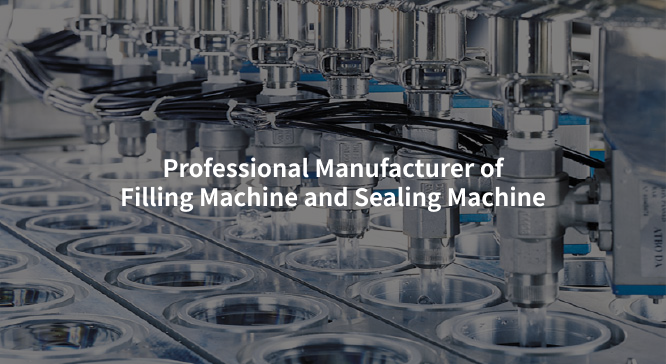
Seal Pack’s experience for many years; it provides efficient and stable automatic filling and sealing packaging machinery and equipment, and enjoys a good reputation in the food automatic filling and sealing packaging industry.

No paid content found
Visit website
Profile views 6 Outbound visits 12 Normal
SEAL PACK TECHNOLOGY CO., LTD Full homepage screenshot

At a glance

Category
Industry & Manufacturing
Language
English
Paid-content signal
No paid content foundObserved
Registered
1998
Hosting
CloudflareInferred
HTTPS certificate trusted
PassedObserved
Last updated

Website review

This review may include AI-generated content and is not individually verified. Domain, certificate and other facts come from the observed data on this page.

What is SEAL PACK TECHNOLOGY CO., LTD?

SEAL PACK TECHNOLOGY CO., LTD is a Taiwan-based manufacturer of automatic filling and sealing machinery for packaging. According to the company’s own introduction, it was founded about 30 years ago and is now run by a second generation that continues the same quality-focused approach. Its main products are filling machines, sealing machines, and combined filling-and-sealing equipment, with particular experience in food packaging lines.

The company also states that it began exporting about 20 years ago and now sells to more than 60 countries across Africa, the Americas, Asia, Australia, and Europe. That makes it a potential option for buyers who need a Taiwanese-made machine and want a supplier with long export experience.

Who this suits

  • Food producers looking for automatic filling and sealing equipment
  • Small or medium manufacturers moving from manual packing to automated lines
  • Importers or distributors seeking a Taiwan-based machinery partner
  • Businesses that value an established, family-run manufacturer over a new brand

Practical next step If you are considering them, start by asking for a machine recommendation based on your product type, container size, and required output per hour. Because pricing and exact specifications are not listed on the page, request a written quotation and confirm whether installation, training, spare parts, and after-sales support are included. You can find the company at SEAL PACK TECHNOLOGY CO., LTD.

How can I choose the right filling and sealing machine for my food packaging line?

Match the machine to your container, product behavior and required output rate first; brand reputation and country of origin come second. Seal Pack Technology presents itself as a Taiwanese maker of automatic filling and sealing equipment for food packaging, with a stated 30-year history and exports to more than 60 countries, so it is a reasonable candidate to include in a shortlist — but the page itself gives no model-level specifications, so you must request those directly.

Decide these five things before you talk to any supplier

  1. Container: cup, tray, pouch, bottle or tube; its dimensions, material and whether it is pre-formed or formed on the line.
  2. Product: viscosity, chunk size, temperature, foaming and stickiness. Sauces, diced solids, powders and liquids each need different fillers.
  3. Output: target units per minute or per shift, plus peak demand. This drives the number of lanes and the degree of automation.
  4. Seal type: heat seal, ultrasonic, induction or screw cap, and the seal integrity standard your buyer or regulator requires.
  5. Environment: washdown needs, cleanroom class, available floor space, power supply and compressed air.

Trade-offs to weigh

Choice Gain Cost
Higher automation Consistent fills, lower labor Higher capital, longer changeover if poorly designed
Multiple lanes Higher throughput Bigger footprint, harder to justify at low volume
Flexible changeover More SKUs per line More tooling, more operator training
Local supplier Faster service and spare parts Possibly narrower machine range

Practical next step

Write a one-page specification with the five points above, then ask Seal Pack and two comparable suppliers the same questions: which model fits, tooling changeover time, fill accuracy at your target weight, spare-part lead time and whether they can run a sample of your product. Request a video or on-site trial with your actual container and product — a machine that fills water perfectly may fail on a chunky sauce. For wider market comparison, established packaging machinery makers such as Multivac and Bosch Packaging Technology publish detailed machine ranges online, which helps you benchmark what questions to ask.

If your volumes are low or your product range changes often, a semi-automatic or flexible single-lane machine usually beats a high-speed line on total cost. If you run one product at high volume for years, invest in automation and spare-part availability instead.

What types of filling and sealing machines does Seal Pack manufacture?

Seal Pack manufactures automatic filling and sealing packaging machinery and equipment, positioned for food-industry packaging lines. Its own company introduction describes the focus as "automatic filling and sealing packaging machinery and equipment" and names filling machines and sealing machines as its core product categories.

That means the likely equipment types are systems that combine two jobs on one line: dispensing a measured amount of product into a container, then closing or sealing that container. In practice, buyers evaluating a manufacturer like this usually need to know which of those two functions is integrated versus modular, and whether the machine is built for their specific container and product.

H3 What to verify before choosing

  • Product form: liquid, paste, powder, granule or solid piece — this determines the filling principle far more than brand does.
  • Container type: pouch, cup, tray, bottle or bag, and whether the seal is heat-sealed film, a cap, or a closure.
  • Automation level: semi-automatic versus fully automatic inline operation, and how much manual loading remains.
  • Output target: units per minute or per shift, matched to your actual peak demand rather than a headline figure.
  • Changeover: how long it takes to switch formats if you run more than one pack size.

H3 Who this suits A food producer moving from manual or semi-manual packing to a repeatable automatic line is the clearest fit. A business packing a single stable product at steady volume benefits most; a company with frequent, radical format changes should weigh flexibility heavily against throughput.

H3 Practical next step Write a one-page specification before contacting any supplier: product, container, fill volume, seal type, required output, and available floor space. Then ask Seal Pack which of its automatic filling and sealing models matches that spec, and request a trial run on your own product. Comparing responses from a few manufacturers on the same written spec is the fastest way to see real differences. SEAL PACK TECHNOLOGY CO., LTD

How does Seal Pack ensure the stability and efficiency of its automatic packaging equipment?

Seal Pack presents stability and efficiency as the result of long manufacturing experience rather than a single technical trick. The company says it has built filling and sealing machinery for 30 years, serves the food packaging industry, and has exported to more than 60 countries across Africa, the Americas, Asia, Australia and Europe. That track record is the basis for its claim of efficient, stable automatic equipment.

For a buyer, the practical way to test that claim is to ask for evidence tied to your own product:

  • Request a trial run or sample test with your actual containers, fill material and speed targets.
  • Ask for references in your region or industry, especially customers running similar products.
  • Ask what maintenance intervals, spare-part availability and operator training are included.
  • Clarify the guaranteed output range and the conditions under which it is measured.

A food producer moving from semi-manual filling to an automatic line, for example, should compare quoted speeds against real shift output, changeover time between container sizes, and how quickly worn sealing parts can be replaced. Those factors usually matter more than a headline speed figure.

As a next step, contact the manufacturer through SEAL PACK TECHNOLOGY CO., LTD with your product specifications and request a test report or reference list before committing to a line.

What is Seal Pack's experience and reputation as a Taiwan-based packaging machinery manufacturer?

Seal Pack Technology Co., Ltd. presents itself as a long-established, family-run Taiwanese maker of automatic filling and sealing packaging machinery, with roughly three decades in the business and a stated focus on the food industry. Its own company introduction emphasizes continuity: founded by the first generation, now carried on by the second, with a philosophy built around quality and sustainability. It also claims a global customer base spanning more than 60 countries across Africa, the Americas, Asia, Australia and Europe.

That combination matters for buyers because filling and sealing equipment is usually a long-term capital purchase. A manufacturer that has stayed in the same niche for decades and still positions itself around automatic food packaging is more likely to offer stable, proven machine designs and a familiar spare-parts and service routine than a newer entrant chasing many product categories at once.

What the claims do and don't tell you

  • Experience: the "30 years" and "second generation" details point to continuity of ownership and accumulated application knowledge, particularly in automatic filling and sealing.
  • Reputation: the "well-known in Taiwan" and "good reputation in food automatic filling and sealing" statements are self-described, not independently verified on the page. Treat them as positioning rather than proof.
  • Export reach: the 60-plus country figure suggests experience with different voltages, container formats and export documentation, which is often a practical advantage for overseas buyers.
  • Gaps: the page gives no model numbers, output speeds, container size ranges, certifications, or pricing signals, so you cannot shortlist a specific machine from this introduction alone.

A realistic buyer scenario

Suppose you run a small sauce or snack-filling operation and need an automatic line that fills and seals cups or pouches at a moderate rate. A manufacturer with decades in food packaging is a sensible first call, because it has likely already solved common problems such as product splashing, seal contamination and consistent fill weights. But you should still ask directly about the specific product viscosity, container dimensions and required throughput before assuming a match.

How to evaluate the claim

Use the introduction as a starting point, then test it against specifics:

  1. Ask for the machine series suited to your container and product, with rated speed and fill range.
  2. Request references in your region or industry, since food applications vary widely.
  3. Confirm spare-parts availability, lead times and who handles installation and training abroad.
  4. Check whether electrical standards and safety markings match your market.

For context on how Taiwanese packaging machinery makers generally present themselves, you can compare with other manufacturers such as Packworld for industry coverage, or review regional supplier directories. The decisive criterion is not the years in business but whether the quoted machine fits your container, product and output target — so the next step is to send Seal Pack your exact product and packaging details and ask for a concrete model recommendation with performance figures.

How can I request a quote or contact Seal Pack for a custom filling and sealing solution?

Contact Seal Pack through the channels listed on its official site, SEAL PACK TECHNOLOGY CO., LTD. The page presents the company as a Taiwan-based manufacturer of automatic filling and sealing machinery with exports to more than 60 countries, so the practical route is to use its contact page or inquiry form rather than a general email guess.

What to include in your inquiry

To get a useful custom quote, describe the job rather than just asking for a price:

  • Product and container: what you fill (liquid, paste, powder, granules), container type, size and material.
  • Output target: units per minute or per shift, and whether you need semi-automatic or fully automatic operation.
  • Process steps: filling only, or filling plus sealing, capping, labeling or date coding.
  • Factory conditions: voltage, air supply, floor space, and any washdown or hygiene requirements.
  • Region and support: your country, plus installation, spare parts and training expectations.

Attach photos or a short video of your current line or sample container; this usually shortens the back-and-forth considerably.

A realistic next step

If you are comparing suppliers, send the same specification sheet to each one and ask for a machine layout drawing, a test-run video on your product, and a list of reference installations in your region. Seal Pack's stated long export history is a reasonable basis for asking about local service, but confirm spare-part lead times and who handles on-site commissioning before committing.

Related questions

More questions →
What Filling and Sealing Machines Does Seal Pack Technology Manufacture?

Seal Pack Technology Co., Ltd. is a Taiwan-based manufacturer of automatic filling and sealing packaging machinery, founded 30 years ago and now run by a second generation that continues the company's quality and sustainability philosophy. If your production need is automatic filling and sealing in food packaging, its equipment line is directly relevant. The company states it sells to more than 60 countries across Africa, America, Asia, Australia, and Europe.

Who Seal Pack Technology Is

According to the company's own introduction, Seal Pack Technology Co., Ltd. was established 30 years ago by its first generation with a service-oriented, pragmatic approach. The second generation now carries forward the same business philosophy. Its stated position is as a well-known packaging machinery manufacturer in Taiwan, with roughly two decades of export activity behind it.

That history matters when you evaluate a supplier: a long operating record and an established export footprint suggest the machines have been used across varied production environments, not just one domestic market.

Machine Types It Manufactures

The company's product focus, as described on its site, covers three related categories:

  • Filling machines — equipment that dispenses product into containers.
  • Sealing machines — equipment that closes or seals filled containers.
  • Filling & sealing machines — combined units that perform both functions in one automated line.

The combined category is the one most relevant to a food packaging production need, because it removes the transfer step between filling and sealing and keeps the process in a single automated flow.

What "Automatic" Means Here

Seal Pack describes its equipment as automatic filling and sealing packaging machinery. In practice, an automatic line handles the fill-and-seal cycle with minimal manual intervention, which is what makes it suitable for continuous food production rather than batch or hand-filling work. The company also emphasizes two operating qualities: efficiency and stability — the latter being the more important one for food production, since an unstable seal creates leakers and rework.

Typical Applications

The company's stated reputation is specifically in the food automatic filling and sealing packaging industry. That is the application area its experience and references are built around. If your product is a food item packaged in a container that is filled and then sealed, this is the category of supplier to evaluate.

For non-food products, the same machine categories may apply, but the site's stated track record is in food, so food is where its references are strongest.

What to Check When Matching a Machine to Your Line

The website does not publish machine specifications, output rates, or pricing, so those details have to come from a direct inquiry. When you make that inquiry, the useful questions are:

Check Why it matters
Automation level Determines labor required and how the machine fits an existing line
Stability / uptime Directly affects leaker rates and rework in food packaging
Output capacity Must match your required units per hour
Container and product compatibility Fill and seal behavior depends on your specific product and package
Country references Confirms the machine has been deployed in markets like yours

Because the site lists no pricing signals or published specifications, treat cost and exact performance figures as items to confirm with the manufacturer rather than assume.

How to Get Details for a Specific Packaging Line

The company presents itself as a manufacturer you contact directly. To move from general information to a concrete decision:

  1. Identify your product, container type, and required output per hour.
  2. Contact Seal Pack through its website with those parameters.
  3. Ask specifically which of its filling, sealing, or combined filling & sealing machines fits that profile.
  4. Request references or installations in your region, since the company states sales across more than 60 countries.

The site's own framing — "efficient and stable automatic filling and sealing packaging machinery" — is the claim to test against your production requirement. The 30-year history and multi-continent export record are the supporting context; the machine match itself is what you confirm in the inquiry.

What Is a Sealing Machine and How Do You Choose the Right Type?

A sealing machine closes and seals a filled package so its contents stay protected, contained, and saleable. It is the second half of a filling and sealing line: the filler doses product into the container, and the sealer closes it. Choose the right type by matching the sealing method to your packaging material, then matching the machine's automation level and speed to your container and production volume. If you run bags, pouches, cups, or trays on a continuous line, the sealer usually has to be specified together with the filler rather than bought as a standalone unit.

What a sealing machine does in a packaging line

A sealing machine applies heat, pressure, ultrasonics, or a mechanical closure to join packaging material and form a tight seal. In an automatic filling and sealing line, it sits directly after the filling station and is synchronized with it: containers index into the sealing position, the seal is formed, and the package moves to discharge.

Seal Pack Technology Co., Ltd., a Taiwanese manufacturer founded 30 years ago, builds automatic filling and sealing packaging machinery and equipment and sells to more than 60 countries across Africa, America, Asia, Australia, and Europe. Its stated focus is efficient, stable automatic filling and sealing equipment, with a reputation in the food automatic filling and sealing packaging industry. That combination — filler plus sealer as one line — is the context in which most sealing machine decisions are actually made.

Common sealing methods and how they compare

Method How it works Typical materials Best suited to
Heat sealing Heated jaw presses and fuses the material Thermoplastic films, laminates, coated paper Bags, pouches, sachets, tray lidding
Impulse sealing Jaw heats only for a short pulse, then cools under pressure Poly films, some laminates, thinner gauges Heat-sensitive films, intermittent or lower-speed lines
Ultrasonic sealing High-frequency vibration generates heat at the seal interface Thick laminates, films with contamination in the seal area Products with powder or liquid residue at the seal
Mechanical / closure sealing Cap, clip, or fold closes the package Bottles, jars, tubes, clips Rigid containers and closures

The practical difference is control. Heat sealing is the workhorse for continuous film packaging. Impulse sealing gives you a cooler jaw between cycles, which matters when the film scorches easily. Ultrasonic sealing tolerates product in the seal zone, which is why it appears on lines filling powders or liquids that splash. Mechanical closure is a different family entirely and is chosen when the container, not the film, is the package.

How to match the machine to your package and line

Work through these in order, because each one constrains the next:

  1. Identify the packaging material. A thermoplastic film can be heat or impulse sealed. A thick laminate may need ultrasonic. A rigid bottle needs a capper or closure sealer, not a jaw sealer.
  2. Identify the container format. Bags and pouches run on vertical or horizontal form-fill-seal and band sealers. Cups and trays run on tray sealers. Bottles and jars run on capping or induction sealing equipment.
  3. Set the required speed. Match the sealer's cycle rate to the filler's output. A sealer that is faster than the filler wastes capacity; one that is slower becomes the bottleneck for the whole line.
  4. Decide the automation level. Manual and semi-automatic sealers suit low volume and frequent changeovers. Automatic inline sealers suit continuous production and are the type Seal Pack describes as its core offering.
  5. Check integration. If the sealer must run with a filler, confirm the two share container handling, indexing, and control signals. Buying them as a matched filling and sealing machine avoids interface problems later.
  6. Plan maintenance access. Sealing jaws, heaters, and sealing bars are wear parts. Confirm they can be reached and replaced without dismantling the line.

Key selection factors beyond the sealing method

  • Seal quality and consistency. The seal must be continuous, leak-free, and repeatable across a shift. Ask how temperature, pressure, and dwell time are controlled and monitored.
  • Automation level. Higher automation reduces labor per package but raises changeover complexity. Match it to your batch sizes, not to a specification sheet.
  • Maintenance. Heaters, jaws, and sealing bands degrade. A machine with accessible, standard parts is easier to keep running than one with proprietary consumables.
  • Integration with filling equipment. Container pitch, speed, and control architecture must line up. This is the single most common source of line-level problems.
  • Material compatibility. Confirm the sealer is rated for your exact film or laminate, including thickness and any coating.

Common sealing problems and basic checks

  • Weak or incomplete seal — check jaw temperature, pressure, and dwell time against the film specification; verify the film is actually thermoplastic and sealable.
  • Burned or scorched film — temperature too high or dwell too long; on heat-sensitive films, an impulse sealer may be the better match.
  • Seal contaminated by product — powder or liquid in the seal zone prevents bonding; consider ultrasonic sealing or improve filling accuracy to keep the seal area clean.
  • Inconsistent seals across a run — usually a pressure or temperature control issue, or worn jaws; check for even jaw alignment.
  • Line speed mismatch — the sealer and filler are not synchronized; re-check cycle rates and indexing.

Where to start

If you are specifying a new line, define the package first — material, container, and target speed — and let that determine the sealing method. Then decide whether the sealer will run standalone or as part of a filling and sealing machine, since that choice drives integration and maintenance planning. Seal Pack Technology's stated experience is in automatic filling and sealing equipment for the food industry, so its filling and sealing machines are the relevant reference point if your application is an automated food packaging line.

What Is a Filling Machine and How Do You Choose the Right Type?

A filling machine is the part of a packaging line that doses a measured amount of product into a container before it is sealed. Choosing the right type comes down to four things: what you are filling (liquid, paste, powder, or granules), the container, the speed you need, and the accuracy the product demands. Seal Pack Technology Co., Ltd., a Taiwan-based manufacturer, builds automatic filling and sealing machinery for the food packaging industry and has sold to more than 60 countries across Africa, America, Asia, Australia, and Europe over roughly three decades.

The core function in a packaging line

A filling machine takes bulk product from a hopper or tank and delivers a controlled volume or weight into each container. It sits upstream of the sealing machine, which closes the container. The two are often bought and run as one integrated line, which is why you will see them described together as filling and sealing machinery.

What the filler actually controls:

  • Dose size — the volume or weight per container
  • Consistency — how little that dose varies from container to container
  • Throughput — containers per minute or per hour
  • Product handling — how gently or how hygienically the product moves through the machine

Common types and what they suit

The product itself usually decides the machine category before anything else.

Type Best for Typical dosing principle
Liquid filler Water, juice, oil, sauces, detergents Piston, gravity, or flow-meter
Paste filler Tomato paste, creams, gels, thick sauces Piston or auger with positive displacement
Powder filler Flour, spices, milk powder, coffee Auger or volumetric cup
Granule filler Rice, beans, nuts, snacks, pellets Volumetric cup, weigh filler, or counting

A few practical notes on each:

  • Liquids divide further into thin (gravity or flow-meter works well) and viscous (needs a piston or pump). Foaming liquids need slower, bottom-up filling to avoid overflow.
  • Pastes are defined by viscosity and whether the product contains chunks. Chunks rule out some pump designs.
  • Powders are the hardest to control because they flow inconsistently. Auger fillers are common, but accuracy depends heavily on consistent bulk density.
  • Granules are often filled by volume or weight. If piece count matters more than weight, a counting filler is the better fit.

Key selection factors

Work through these in order; each one narrows the field.

  1. Product viscosity and form. This is the first filter. A thin liquid and a chunky paste cannot share the same filling head.
  2. Container type and size. Bottles, jars, pouches, cans, and tubs each need different handling. Container shape affects how the nozzle enters and how the product settles.
  3. Speed. Match the filler to your required output and to the sealing machine's speed. A fast filler feeding a slow sealer just creates a bottleneck.
  4. Accuracy. Define an acceptable tolerance. Tight tolerances on high-value product justify more precise (and usually more expensive) dosing.
  5. Product sensitivity. Heat, shear, aeration, and contamination all matter. Food products add hygiene and cleaning requirements.
  6. Changeover. If you run multiple products or container sizes, how fast can the machine be reset?

Accuracy and speed trade-offs

Higher speed usually costs accuracy, and higher accuracy usually costs speed. Decide which one your product can tolerate losing. For a low-cost product, a small overfill is cheap; for a high-value product, it is not.

Integrating with a sealing machine

A filler is rarely useful alone. The line works when filling and sealing are matched:

  • Speed matching — the sealer should keep up with the filler, or the filler should be throttled to match.
  • Container transfer — containers must move from fill station to seal station without spilling or shifting.
  • Timing — the seal must close after filling is complete, not during it.
  • Cleanliness — product residue on the seal area causes weak seals, so the interface between the two machines matters.

Buying filling and sealing equipment from one manufacturer, as Seal Pack does, reduces the risk of an integration mismatch.

Maintenance and troubleshooting basics

Most filling problems trace back to a short list of causes:

  • Inconsistent doses — worn seals, clogged nozzles, or variable product density
  • Drips and spills — nozzle design or fill speed too high for the product
  • Foaming — filling too fast or from too high above the container
  • Blockages — product setting in the lines, especially with powders and pastes

Routine cleaning, checking seals and nozzles, and keeping product consistent will prevent most of these. For food applications, cleaning is also a hygiene requirement, not just a performance one.

How to decide

If you are specifying a machine, answer these before contacting a supplier:

  • What is the product, and how does it flow?
  • What container, and what fill size?
  • What output per hour do you need?
  • What accuracy tolerance is acceptable?
  • Will you change products or sizes often?

With those answers, the machine type is usually obvious, and the remaining choice is between suppliers. Seal Pack Technology's stated focus is efficient, stable automatic filling and sealing equipment for food packaging, which makes it a relevant option if your line is food-oriented and you want filling and sealing from one source.

What Is a Filling and Sealing Machine and How Does It Work?

A filling and sealing machine is an integrated packaging system that dispenses a measured amount of product into a container and then closes or seals that container in one continuous process. It suits producers who need consistent fill volumes and reliable seals at a repeatable rate — for example, a food packer running sauces, powders, or liquids into cups, pouches, or trays. The right configuration depends on your container type, product behavior, required output, and how much automation your line can support.

The basic workflow

Most filling and sealing machines follow the same sequence, whether they handle cups, pouches, bottles, or trays:

  1. Container infeed — Empty containers are loaded manually or fed automatically from a magazine, denester, or conveyor into a indexing track.
  2. Dosing / filling — A filling head dispenses a controlled volume or weight of product into each container. The method depends on the product.
  3. Sealing — The filled container moves to a sealing station, where a lid, film, cap, or closure is applied and bonded.
  4. Discharge — Finished, sealed packages exit for labeling, coding, secondary packing, or distribution.

In a well-matched system these stages run at the same rate, so the slowest station sets your real output. That is why filling method and sealing method should be chosen together, not separately.

Filling methods and how they pair with sealing

Filling method Works best for Typical containers Common sealing pairing
Gravity Free-flowing liquids (water, juice, thin oils) Bottles, jars, cups Heat sealing, capping
Piston / volumetric Viscous or semi-solid products (sauces, pastes, gels) Cups, jars, pouches Heat sealing, foil sealing
Auger Powders and granules (flour, spices, coffee) Pouches, cans, jars Heat sealing, capping
Pump / flow meter Liquids needing precise volume control Bottles, pouches Capping, heat sealing

Sealing methods fall into two broad families:

  • Heat sealing bonds a film or foil lid to the container rim using controlled temperature, pressure, and dwell time. Common for cups, trays, and pouches.
  • Capping / closure application screws or presses a cap onto a bottle or jar. Common for liquids and powders in rigid containers.

The pairing matters because a thin, free-flowing product may splash and contaminate a seal rim, while a thick paste may need a piston filler to avoid bridging. Matching the two stages early prevents seal failures and fill inaccuracy later.

Key selection factors

Before choosing a machine, define these points:

  • Container type and size — Cup, pouch, tray, bottle, or jar; rigid or flexible; single size or multiple changeover sizes.
  • Product characteristics — Viscosity, particle size, temperature, foaming tendency, and whether it is food, cosmetic, chemical, or another category.
  • Fill accuracy and volume range — The tolerance your product or regulation requires, and the smallest and largest fill you will run.
  • Output speed — Units per minute or per hour your line must hit, including changeover and cleaning downtime.
  • Automation level — Manual load, semi-automatic, or fully automatic inline. Higher automation raises throughput but also raises setup, maintenance, and operator-training demands.
  • Seal integrity requirements — Whether you need leak-proof, tamper-evident, or modified-atmosphere packaging.
  • Cleanability and materials — Food applications usually require washdown-friendly, food-contact-safe construction.

Seal Pack Technology, for example, describes itself as a manufacturer of automatic filling and sealing packaging machinery with long experience in the food automatic filling and sealing industry, and states it has sold to more than 60 countries across Africa, America, Asia, Australia, and Europe. That kind of background is relevant when you are judging whether a supplier has handled products and containers similar to yours.

Common applications

Integrated filling and sealing systems are widely used for:

  • Food — Sauces, dressings, dairy cups, ready meals, spices, coffee, snacks, and beverages.
  • Beverages — Bottled water, juice, and functional drinks.
  • Cosmetics and personal care — Creams, lotions, gels, and masks.
  • Household and chemical — Detergents, cleaners, and liquid or powder products.

The food sector is the most demanding in terms of hygiene, seal reliability, and changeover frequency, which is why food-grade filling and sealing equipment tends to set the standard other industries follow.

Maintenance and troubleshooting basics

A filling and sealing machine rewards routine attention:

  • Clean filling nozzles and product paths on the schedule your product requires to prevent clogging and contamination.
  • Check seal temperature, pressure, and dwell time regularly; drift in any of these is a leading cause of weak or leaking seals.
  • Inspect seals and gaskets for wear, and replace before they cause fill variation or leakage.
  • Verify fill weights at intervals to catch dosing drift early.
  • Keep conveyors and indexing mechanisms aligned so containers seat correctly at each station.

If fills become inconsistent, check the dosing system first. If seals fail, check temperature, pressure, dwell time, and whether product has contaminated the sealing area.

How to decide

Choose a filling and sealing machine by starting from the product and container, then working outward to fill method, seal method, output, and automation. If you run one product in one container at moderate volume, a semi-automatic system may be enough. If you run multiple products, frequent changeovers, or high volumes, prioritize quick-change tooling, verified fill accuracy, and a sealing stage matched to your container rim. Confirm with the supplier that they have run your specific product-and-container combination, and ask for a sample test before committing.

Website Overview

An established domain and managed infrastructure suggest continuity of operations and may support dependable delivery, although neither guarantees service quality. Several search or sharing settings need attention. Together they may make snippets, preview images or preferred URLs less consistent across platforms.

Domain and Registration

Registered in 1998, this domain has about 27 years of history. That suggests continuity, although ownership and purpose may have changed. The domain uses the common .com extension, which is not an independent safety signal.

DNS and Email

The observed email authentication setup is incomplete: DMARC is missing. Nameservers are provided by Cloudflare, indicating managed DNS hosting. MX records point to the sealpack.com email service. No CNAME was found; the observed records resolve directly to addresses. TXT records include verification markers for Google. Such markers may also remain after a service stops being used.

TLS and Certificates

The public key uses EC with 256 bits. The server supplied a complete certificate chain. No organization name is present in the certificate; the available fields are consistent with domain validation. The certificate was issued within the Google Trust Services cloud or CDN ecosystem. The certificate's total validity is about 90 days, consistent with a short renewal cycle.

HTTP and Browser Security

The checked browser-security headers were not detected, leaving fewer explicit browser-side safeguards. No X-Powered-By header was found, reducing one common source of backend fingerprinting information. The cf-ray response header indicates a CDN or caching proxy in the delivery path. No obvious internal addresses or debug information were found in the headers. The Server header identifies cloudflare without an exact version.

Technology Stack Analysis

The public page identifies Cloudflare without precise versions, leaving fewer clues for version-specific scanning.

Search and Social Sharing

The title has 98 characters and may be truncated in search results. The meta description has 227 characters and may be shortened in search results. JSON-LD includes Organization data, helping describe the organization as an entity. The page declares 1 language or regional alternatives using hreflang. The observed directives allow indexing and link following.

Hosting and Email

DNSCloudflare
HostingCloudflare
Emailsealpack.com
Approximate IP geolocation (inferred; a CDN or proxy may differ from the origin server) Location unknown Inferred 104.21.17.241

Registration details

RDAP / WHOIS

RegistrarNet-Chinese Co., Ltd.
Registered1998-12-08
Expires2026-12-07
Domain statusactive
Nameserversaida.ns.cloudflare.com、clay.ns.cloudflare.com
DNSSECunsigned

DNS records

DNS

TypeNameValueTTLPriority
Asealpack.com104.21.17.241300—
Asealpack.com172.67.178.223300—
AAAAsealpack.com2606:4700:3033::6815:11f1300—
AAAAsealpack.com2606:4700:3034::ac43:b2df300—
MXsealpack.commail.sealpack.com3005
NSsealpack.comaida.ns.cloudflare.com86400—
NSsealpack.comclay.ns.cloudflare.com86400—
TXTsealpack.comgoogle-site-verification=xTS-D_pn2lLxcZYC4jpO_J-eyNEt1e2nlQzmIkLdGhw300—
TXTsealpack.commail.sealpack.com:v=spf1 ip4:220.130.80.228 ~all300—
TXTsealpack.comv=spf1 a:mail.sealpack.com ip4:220.130.80.228 include:_spf.google.com ~all300—

TLS and certificates

TLS / SSL

AssessmentNormal configuration
Supported protocolsTLSv1.2、TLSv1.3
Negotiated protocolTLSv1.3
Certificate subjectsealpack.com
IssuerGoogle Trust Services
Valid until2026-11-02T22:27 · Remaining when checked: 32 days
Verification detailsCertificate trust: Passed · Hostname match: Passed

HTTP response headers

HTTP

HeaderValue
content-typetext/html; charset=UTF-8
servercloudflare

Identified technologies

Cloudflare

Pages, Search and Sharing

Meta descriptionSeal Pack’s experience for many years; it provides efficient and stable automatic filling and sealing packaging machinery and equipment, and enjoys a good reputation in the food automatic filling and sealing packaging industry.
Canonical URLhttps://sealpack.com/en/index.html
LanguageEnglish (default)
Twitter CardNot detected
All bots 0 allowed · 2 disallowed
  • Disallow/private/
  • Disallow/noindex.html

User reviews (0)

  • No reviews yet.