
 smokeymountainwedding.org
No paid content found
smokeymountainwedding.org
No paid content found
Categories: Other
Let us help you with your Smoky Mountain wedding. Our coordinators can setup your venue, minister, flowers, and photography.
 Visit website
 Updated: 2026-09-25 17:21
 Language: English (default)
 Access: Normal
 Profile views 5
 Outbound visits 1
Related questions
More questions →How to Care for Indoor Flowering Plants So They Bloom
Most indoor flowering plants bloom when three conditions line up: enough light for that species, watering based on actual soil moisture rather than a calendar, and a temperature and feeding routine that matches its growth cycle. Get those right and you can usually fix the most common cause of failure — a healthy plant that simply never flowers. The guidance below follows the houseplant and flower care approach at plantandflowerinfo.com, which covers indoor tropical plant care, watering, and tips with pictures.
Start With Light, Because It Drives Flowering
Light is the factor most often responsible for a leafy plant that refuses to bloom. A plant can look perfectly healthy in too little light and still produce no flowers, because it has enough energy to survive but not enough to reproduce.
- Bright indirect light suits most indoor bloomers — near a window that receives strong light but not harsh midday sun directly on the leaves.
- Direct sun is needed by some flowering plants, but can scorch others. Match the plant to the window rather than moving the plant to wherever there is space.
- Low light keeps foliage alive but generally suppresses flowering. If a plant has never bloomed in its current spot, light is the first thing to change.
A practical test: if you can read comfortably in the spot without turning on a lamp during the day, it is probably too dim for a heavy bloomer.
Water by Checking the Soil, Not the Calendar
The site's care guidance centers on watering houseplants to keep indoor plants healthy, and the key point is that a fixed schedule fails because soil dries at different rates depending on light, temperature, pot size, and season.
How to check before watering
- Feel the soil about an inch down. If it is still moist, wait.
- Lift the pot if you can. A light pot means dry soil; a heavy one means it is still holding water.
- Water thoroughly when the top layer has dried to the depth that plant prefers, letting excess drain away.
- Empty the saucer so the pot is not sitting in standing water.
Why this matters for flowers
- Consistently soggy soil damages roots, and a plant with compromised roots will drop buds instead of opening them.
- Letting a flowering plant dry out too far between waterings can cause buds to shrivel and fall before they open.
- The right interval is the one your soil tells you, not a weekly rule.
Support Blooming With Temperature, Humidity, and Feeding
Once light and water are right, these three factors determine whether buds actually develop into open flowers.
| Factor | What to aim for | What goes wrong |
|---|---|---|
| Temperature | Steady, moderate indoor temperatures; avoid hot or cold drafts | Sudden swings cause bud drop |
| Humidity | Higher humidity for most tropical indoor plants | Dry air stresses buds and leaf edges |
| Feeding | Regular feeding during active growth, adjusted for flowering plants | Too much nitrogen grows leaves instead of flowers |
On feeding specifically: a fertilizer high in nitrogen pushes leafy growth, which is the opposite of what you want from a plant you are trying to bring into bloom. Flowering plants generally benefit from a feed balanced toward bloom rather than leaf. Always follow the product's own directions for amount and frequency rather than guessing.
For humidity, grouping plants together or using a tray of water near — not under — the pot raises the moisture around the leaves without waterlogging the soil.
Why Indoor Flowers Fail to Bloom, and What to Fix
Work through these in order, since the earlier causes are more common:
- Not enough light — the most frequent reason. Move the plant closer to a bright window.
- Too much nitrogen — lots of lush leaves, no buds. Switch to a bloom-oriented feed.
- Watering problems — either constantly wet or repeatedly bone-dry soil. Check moisture before every watering.
- Temperature stress — drafts from doors, windows, or air conditioning cause buds to drop.
- No rest period — some flowering plants need a cooler or drier dormant phase to trigger blooming. If your plant has that requirement, its care needs to change with the season.
- Root-bound or overpotted — some plants bloom better slightly snug in their pot; others stall when cramped. Repot only when the plant's own needs call for it.
Change one factor at a time and give the plant a few weeks to respond, so you can tell what actually made the difference.
Keep Flowers Healthy After They Bloom
The care does not stop when the flowers open. What you do afterward decides whether the plant blooms again.
- Deadhead spent flowers. Removing faded blooms stops the plant from putting energy into seed production and keeps it looking tidy.
- Trim back the flower stalk where the plant's own growth habit calls for it, rather than leaving dead stems.
- Ease off feeding once the bloom period ends and the plant slows down.
- Adjust watering to the plant's slower growth rather than keeping the same schedule.
- Keep the light consistent so the plant rebuilds energy for the next cycle.
The through-line in all of this is observation: check the soil, watch the light, and read the plant's leaves and buds for feedback. Indoor flowering plants are not difficult once the conditions match the species — the failures almost always trace back to a mismatch in light, water, or feeding rather than to bad luck.
Website Overview
An established domain and managed infrastructure suggest continuity of operations and may support dependable delivery, although neither guarantees service quality. Several search or sharing settings need attention. Together they may make snippets, preview images or preferred URLs less consistent across platforms.
Domain and Registration
Registered in 2002, this domain has about 24 years of history. That suggests continuity, although ownership and purpose may have changed. Transfer-protection status is present, helping reduce the risk of unauthorized domain transfers. The domain uses the common .org extension, which is not an independent safety signal.
DNS and Email
Nameservers are provided by rayoflightmedia02.com, indicating managed DNS hosting. MX records point to the Google Workspace email service. SPF and DMARC are configured. DKIM status is unknown. DNSSEC signatures were not detected, so this additional DNS authenticity protection is not confirmed. The lowest observed DNS TTL is 14400 seconds.
TLS and Certificates
The certificate uses an RSA 2048-bit public key, offering broad client compatibility. The server supplied a complete certificate chain. No organization name is present in the certificate; the available fields are consistent with domain validation. The certificate was issued by Let's Encrypt, commonly associated with automated certificate services. The certificate's total validity is about 89 days, consistent with a short renewal cycle.
HTTP and Browser Security
The checked browser-security headers were not detected, leaving fewer explicit browser-side safeguards. No X-Powered-By header was found, reducing one common source of backend fingerprinting information. No obvious internal addresses or debug information were found in the headers. The Server header identifies Apache without an exact version. No explicit CDN or WAF marker was found in the response headers.
Technology Stack Analysis
The public page identifies Google Tag Manager, Google Analytics, Apache without precise versions, leaving fewer clues for version-specific scanning.
Search and Social Sharing
No homepage canonical URL was detected. If duplicate URLs exist, consolidation may be less explicit. Open Graph is partially configured; og:type is missing. The title has 23 characters, within a common display range. A meta description is present, with 124 characters. The observed directives allow indexing and link following.
 Hosting and Email
 Hosting
 Google Workspace
 Location
 United States
 Pages, Search and Sharing
| Meta description | Let us help you with your Smoky Mountain wedding. Our coordinators can setup your venue, minister, flowers, and photography. |
|---|---|
| Canonical URL | Not detected |
| Language | English (default) |
| Twitter Card | Not detected |
Social Sharing Preview
3 fields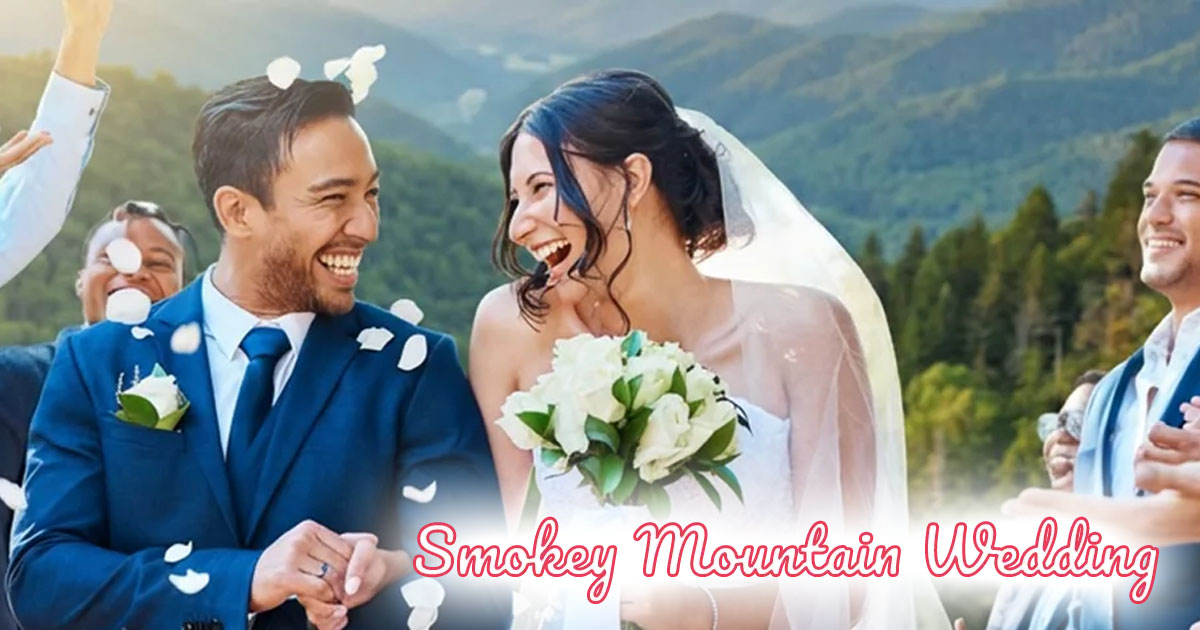
Sharing metadata
| og:image | https://www.smokeymountainwedding.org/images/og1.jpg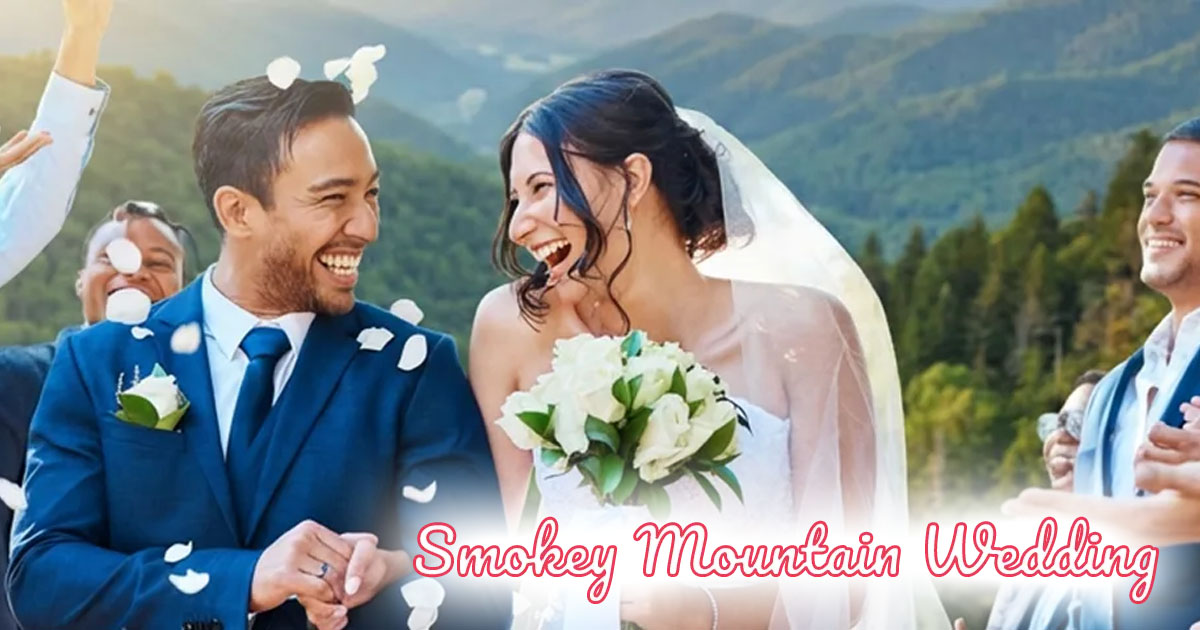 |
|---|---|
| og:title | Smokey Mountain Wedding |
| og:description | Let us help plan your perfect Smokey Mountain Wedding |
robots.txt (opens in a new tab)
0 rules
All bots 0 allowed · 0 disallowed

 All bots
- Interval
Crawl delay 3 seconds
No matching rules.
Sitemaps
0No sitemaps found
 Registration details RDAP / WHOIS
| Registrar | NameSecure L.L.C. |
|---|---|
| Registered | 2002-09-28 |
| Expires | 2026-09-28 |
| Domain status | client transfer prohibited |
| Nameservers | ns1.rayoflightmedia02.com、ns2.rayoflightmedia02.com |
| DNSSEC | unsigned |
 DNS records
| Type | Name | Value | TTL | Priority |
|---|---|---|---|---|
| A | smokeymountainwedding.org | 162.248.50.97 | 14400 | — |
| MX | smokeymountainwedding.org | aspmx.l.google.com | 14400 | 1 |
| MX | smokeymountainwedding.org | alt1.aspmx.l.google.com | 14400 | 5 |
| MX | smokeymountainwedding.org | alt2.aspmx.l.google.com | 14400 | 5 |
| MX | smokeymountainwedding.org | alt3.aspmx.l.google.com | 14400 | 10 |
| MX | smokeymountainwedding.org | alt4.aspmx.l.google.com | 14400 | 10 |
| MX | smokeymountainwedding.org | mx.zoho.com | 14400 | 10 |
| MX | smokeymountainwedding.org | mx2.zoho.com | 14400 | 20 |
| MX | smokeymountainwedding.org | mx3.zoho.com | 14400 | 50 |
| NS | smokeymountainwedding.org | ns1.rayoflightmedia02.com | 86400 | — |
| NS | smokeymountainwedding.org | ns2.rayoflightmedia02.com | 86400 | — |
| TXT | smokeymountainwedding.org | v=spf1 include:mail.zohoanalytics.com ~all | 14400 | — |
| CNAME | www.smokeymountainwedding.org | smokeymountainwedding.org | 14400 | — |
| DMARC | _dmarc.smokeymountainwedding.org | v=DMARC1; p=none; | 14400 | — |
 TLS and certificates
| Assessment | Normal configuration |
|---|---|
| Supported protocols | TLSv1.2、TLSv1.3 |
| Negotiated protocol | TLSv1.3 |
| Certificate subject | smokeymountainwedding.org |
| Issuer | Let's Encrypt |
| Valid until | 2026-12-17T16:31 · Remaining when checked: 82 days |
| Verification details | Certificate trust: Passed · Hostname match: Passed |
 HTTP response headers
| Header | Value |
|---|---|
| content-type | text/html; charset=UTF-8 |
| server | Apache |
 Identified technologies
User reviews (0)