
 简体中文
 English

Website review
This review may include AI-generated content and is not individually verified. Domain, certificate and other facts come from the observed data on this page.
What is Spellbinders.org?
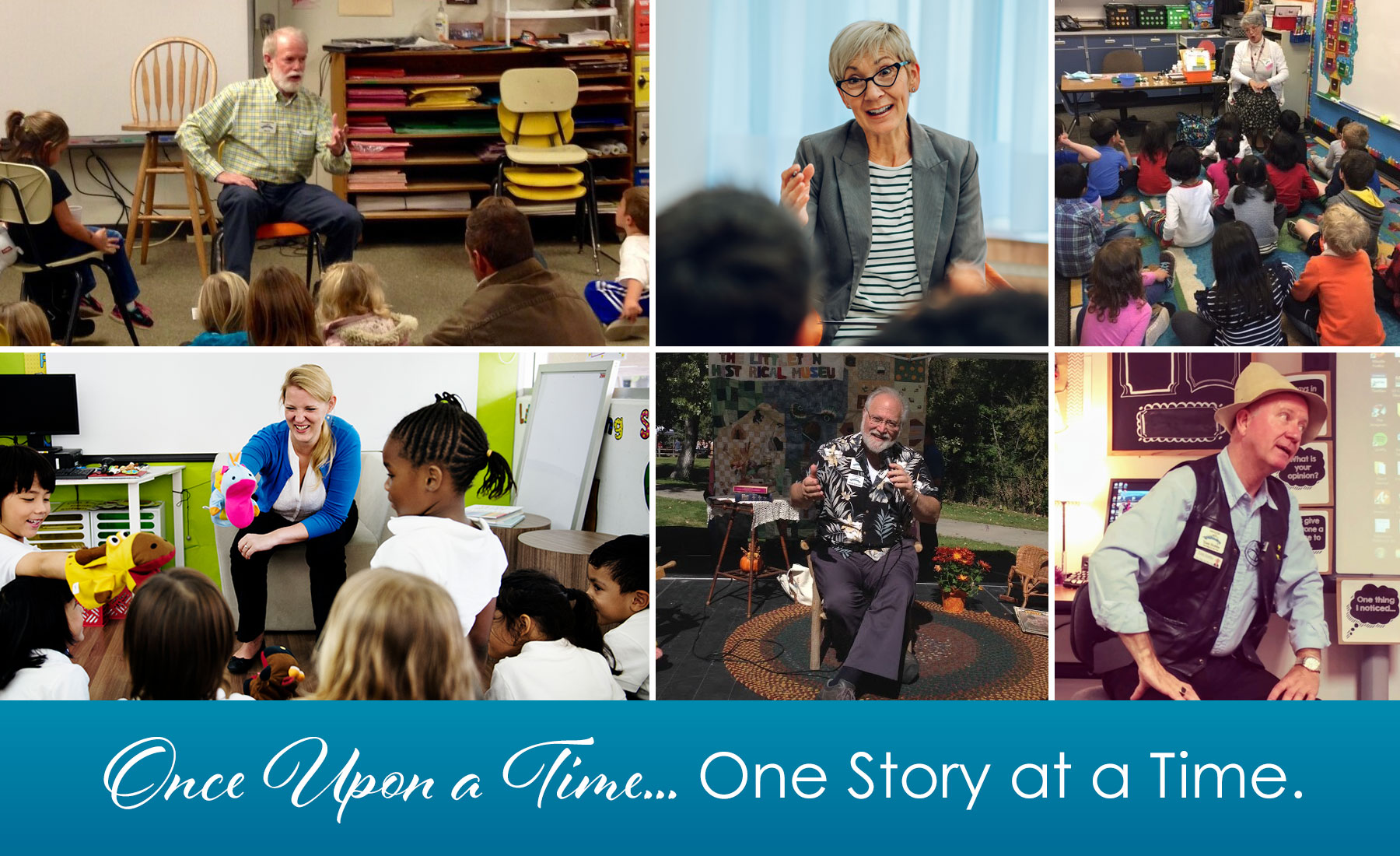
Spellbinders.org is the home of Spellbinders, a non-profit organization built around volunteers who bring oral storytelling into classrooms in their own communities.
Its focus is the spoken word rather than books or screens. Volunteers typically visit schools and tell stories aloud to students, giving children a direct, live encounter with narrative. Because the organization is volunteer-driven and community-based, local chapters or groups usually decide how and where they work, which keeps activities close to the schools and neighborhoods they serve.
Who it may suit
- Teachers and school staff looking for a low-cost way to enrich literacy, listening and language lessons.
- Adults who enjoy storytelling and want to volunteer with children in their area.
- Community groups or retired people seeking a structured, socially useful volunteer role.
- Parents interested in the educational value of oral storytelling.
What to expect
The site presents the organization's mission and likely explains how to get involved, whether as a teller or as a school host. Practical details such as training, time commitment or local contacts are not visible in the supplied information, so interested readers may need to explore the site or contact the organization directly.
The main trade-off is scale: a volunteer network can feel personal and locally rooted, but availability depends on whether a group is active near you.
How does Spellbinders bring oral storytelling into classrooms?
Spellbinders is a nonprofit organization built around volunteers who bring oral storytelling directly into classrooms in their own communities. Its model is deliberately local: trained volunteers visit schools and tell stories aloud to students, rather than delivering a curriculum through books or screens.
How the model works
- Volunteers are recruited and prepared, then paired with nearby classrooms.
- Sessions center on live, spoken storytelling, so students listen, imagine and respond without printed texts.
- Because storytellers come from the same community, schools gain a personal connection rather than an outside program.
Who it suits
This approach typically appeals to teachers who want to strengthen listening skills, vocabulary and imagination, and to community members—often older adults—who want a meaningful volunteer role in education. Schools may value it because it costs little in materials and brings a human presence into the room.
Trade-offs
Live storytelling depends on a steady supply of committed volunteers and on scheduling that fits school timetables. It is less predictable than a packaged curriculum, and its impact rests on the skill and consistency of individual tellers. For communities with active volunteer networks, though, it can be a durable and low-cost way to keep oral traditions alive in classrooms. More detail is available at Spellbinders.
Who can volunteer with Spellbinders?
Spellbinders is a non-profit organization that relies on volunteers to bring oral storytelling into classrooms within their own communities. According to its description, volunteers are the core of the organization, and its work is local by design: storytellers serve in schools near where they live rather than traveling to distant regions.
Because the program is built around volunteers, it typically appeals to people who are comfortable speaking in front of groups and who enjoy working with children. Retirees, parents, community members and others with time to give may find it a good fit. No specific professional background is mentioned in the available information, so artistic or teaching credentials do not appear to be required, though comfort with oral presentation is likely important.
The main trade-off is commitment and locality: volunteers are expected to serve within their own communities, which keeps travel manageable but means opportunities depend on whether local classrooms participate. Those who prefer behind-the-scenes or remote work may find the classroom-facing role less suitable.
The organization's site, Spellbinders, is the place to check for current volunteer information, since eligibility and training details are not specified here.
What communities does Spellbinders serve?
Spellbinders is a non-profit organization whose volunteers bring oral storytelling into classrooms. Its focus is on the communities where its volunteers live and work, rather than on a single national audience or a fixed set of locations. Because the model is community-based, the specific schools and districts served can vary by chapter or volunteer group.
In practical terms, the organization typically serves:
- Local schools and classrooms, especially at the elementary level, where storytelling supports listening, language and imagination.
- Students and teachers who receive a visiting storyteller rather than a formal curriculum product.
- Volunteer communities, since members are trained and organized to serve their own areas.
The main trade-off is reach versus depth. A decentralized, volunteer-led approach may mean uneven availability from place to place, but it allows each group to adapt stories and scheduling to local needs. Families, educators and community organizations looking for oral storytelling programming may find it most relevant, while those seeking a standardized national program might find the local variation less predictable.
For current service areas and how to get involved, the official site is Spellbinders.
How can I start a Spellbinders program in my area?
Spellbinders is a volunteer-led non-profit that brings oral storytelling into local classrooms. Because it describes itself as a community-based organization, starting a program in your area typically means building a small local team rather than opening a franchise or paying a fee.
A realistic starting path
- Learn the model. Read how existing volunteers work with schools: storytellers visit classrooms and tell stories aloud, without scripts or books.
- Gather a few volunteers. A handful of committed people is usually enough to begin; you do not need a large organization.
- Approach local schools. Talk with teachers or administrators about short, regular storytelling sessions that fit their schedule.
- Train and rehearse. New tellers benefit from practice sessions, peer feedback and a shared repertoire of age-appropriate stories.
- Sustain it. Rotate volunteers, keep sessions consistent and check in with teachers so the program stays useful.
Who this suits
This is best for people who enjoy speaking in front of children, can commit to a recurring schedule and prefer working within their own neighborhood. It may appeal to retirees, parents, librarians and teachers.
Trade-offs
The volunteer model keeps costs low but depends on reliable people. Storytelling needs no special equipment, yet it demands preparation and comfort with an audience. Growth is usually gradual, tied to local relationships rather than promotion.
What training or resources does Spellbinders provide for volunteers?
Spellbinders is a volunteer-run non-profit that brings oral storytelling into local classrooms. Its training model is practical rather than academic: volunteers typically learn through an orientation and mentoring process, then develop their skills by telling stories in front of real classes.
For volunteers, the main offerings described are:
- Introductory orientation covering the organization's approach to oral storytelling and classroom work.
- Mentoring and coaching from experienced tellers, often including observation of seasoned volunteers before leading a session.
- Story selection and telling guidance, helping volunteers choose age-appropriate folk tales, fables and personal stories and adapt them for listening rather than reading aloud.
- Classroom practice, where volunteers build confidence through repeated school visits within their own communities.
The emphasis is on low-preparation, high-engagement storytelling suited to adults who are not professional performers. Volunteers usually commit to regular visits during the school year, so the training is designed to fit around other work.
There is no indication of formal certification or paid courses, and pricing details are not stated. Programs are organized locally, so the exact shape of training may vary by chapter. People interested in volunteering are best served by contacting their nearest Spellbinders group through Spellbinders. Teachers and schools looking to host storytellers can use the same channel to ask about local availability.
 Google Workspace
User reviews (0)