
 简体中文
 English
Website review
This review may include AI-generated content and is not individually verified. Domain, certificate and other facts come from the observed data on this page.
What is Supercart?
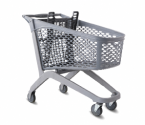
Supercart is a Southern African manufacturer of retail shopping trolleys and related store equipment, operating since 1986. Its core business is supplying trolley solutions to retailers, with a product range that covers plastic, steel and hybrid shopping trolleys, kiddies trolleys, basket solutions, merchandising and operations equipment, and accessories or components.
The company positions itself around durability and lifecycle value rather than one-off purchase price — its stated argument being that a trolley's real cost shows up in maintenance, replacement cycles and daily performance over years of use. It also produces Rack Slats, a shelving alternative made from recycled engineered polymer, aimed at storerooms and cold rooms where rust and hygiene are concerns.
Who it is for
- Grocery and supermarket chains needing fleet-scale trolley supply
- Retail operations managers comparing total cost of ownership across trolley types
- Stores needing specialised units such as kiddies trolleys or basket solutions
- Facilities looking at cold-room or storeroom storage alternatives
Choosing between the main trolley types
| Type | Practical consideration |
|---|---|
| Plastic | Lighter handling, but check load durability under heavy retail use |
| Steel | Traditional strength; rust and maintenance are the usual trade-offs |
| Hybrid | Combines steel strength with plastic durability, aimed at longer lifespan |
A useful next step is to start from your actual operating conditions rather than the product list: how heavy are typical loads, how exposed is the trolley to weather or moisture, and what maintenance capacity do you have? Those answers usually point to one category faster than comparing features alone. If cold storage or backroom shelving is part of the problem, look at the Rack Slats line separately, since it addresses a different need than customer-facing trolleys.
What types of shopping trolleys does Supercart offer for different retail environments?
Supercart's catalogue is organised around the type of retail environment and the shopper it serves, rather than a single general-purpose trolley. The Supercart product range covers:
- Plastic shopping trolleys – suited to stores wanting lighter, easier-to-handle trolleys that resist corrosion.
- Steel shopping trolleys – the traditional heavy-duty option for high-volume, demanding retail use.
- Hybrid shopping trolleys – combining steel strength with advanced plastics; the featured Classic Hybrid includes an integrated handle built into the basket structure, flower-holder integration for delicate purchases, and wheels engineered for smooth, quiet running.
- Kiddies trolleys – smaller units sized for children, useful in family-oriented supermarkets.
- Basket solutions – hand-held and carried baskets for convenience formats or quick-shop trips.
- Merchandising & operations – non-shopper equipment such as Rack Slats, a recycled engineered-polymer alternative to traditional shelving for storerooms and cold rooms.
- Accessories & components – replacement and add-on parts, which matters if you run a mixed fleet and want to extend its working life.
How to choose
Match the trolley to the shopping mission, not just the store size. A large-format supermarket with long dwell times and heavy loads typically wants steel or hybrid construction and larger baskets; a smaller convenience store may find plastic and basket solutions more practical. If your priority is hygiene in back-of-house areas, the Rack Slats line addresses that separately from customer-facing trolleys.
A useful next step: list your store formats, typical basket size and the maintenance issues you currently face, then compare those against the plastic, steel and hybrid categories on the site's product pages. If you operate in Southern Africa, Supercart's stated focus on durability and lifecycle value across that region is worth weighing against imported alternatives when you assess total cost over several replacement cycles.
How does Supercart's hybrid trolley construction compare to traditional steel or plastic trolleys?
Supercart's hybrid trolleys are positioned as a middle path: a steel frame for structural strength, combined with advanced plastic components where durability and handling matter most. The stated aim is to get the load-bearing reliability of steel without the weight, noise and maintenance profile of an all-steel trolley, and the lower cost of an all-plastic one without its shorter lifespan.
How the three approaches typically differ
| Consideration | Steel trolleys | Plastic trolleys | Supercart hybrid |
|---|---|---|---|
| Structure | Steel throughout | Moulded plastic throughout | Steel frame with plastic elements |
| Weight and handling | Heavier, harder to push when loaded | Lighter, easier to manoeuvre | Aimed at lighter handling than all-steel |
| Noise and rolling feel | Can be noisy, more rolling resistance | Quieter, smoother | Supercart cites engineered wheels for smooth, quiet operation |
| Wear and corrosion | Prone to rust, chips and bent frames | Cracks and fades; less rigid under heavy loads | Aims to combine steel strength with plastic's resistance to wear |
| Maintenance | Repairs, repainting, wheel replacement | Full replacement more often | Designed to reduce maintenance and extend replacement cycles |
What Supercart specifically claims
The Classic Hybrid model is the reference point on the page. Its features include an integrated handle built into the basket structure for durability, a flower holder to protect delicate purchases, and wheels engineered for smooth, quiet running with reduced rolling resistance. The flower holder and the integrated handle are noted as accessories sold separately, so confirm what is included in a given configuration before budgeting.
The wider argument on the site is lifecycle cost: "the true cost is measured over time." Supercart frames durability, reliability and lifecycle value as the reasons retailers can reduce maintenance spend and stretch replacement intervals. That is a supplier's framing, not an independently verified result, so treat it as a claim to test against your own fleet data.
Choosing between them
- High-turnover grocery with heavy loads: steel or hybrid usually wins on rigidity; all-plastic can flex and crack under sustained weight.
- Coastal or humid environments: plastic-dominant components resist rust better, which is where hybrid construction has a real edge over plain steel.
- Noise-sensitive or mixed-use sites: quieter running matters for shopper experience; check wheel specification rather than assuming.
- Cost-driven, low-load formats: all-plastic may be adequate and cheaper up front, provided you accept shorter replacement cycles.
- Long-term budgeting: calculate cost per year of service, not purchase price. Ask for expected replacement intervals and typical spare-part needs.
A practical next step
Ask Supercart for the specific steel-to-plastic ratio, wheel and castor specifications, and any maintenance or warranty terms for the Classic Hybrid, then compare that against the failure history of your current fleet. If your existing steel trolleys fail mainly at wheels and handles rather than frames, a hybrid is a sensible test; if frames themselves are bending or rusting through, the plastic content will not solve that. Supercart's catalogue also covers plastic, steel and kiddies trolleys plus basket and merchandising lines, so a mixed fleet may suit different store formats better than one standard model.
What are Rack Slats and how can they improve storage in retail backrooms?
Rack Slats are a shelving alternative for retail back-of-house storage, made from recycled engineered polymer. Supercart describes them as a lightweight, rust-resistant replacement for conventional shelving materials, aimed at storerooms and cold rooms where hygiene and maintenance are ongoing concerns.
Supercart
Where they fit best
- Cold rooms and chilled storage: Polymer does not rust or corrode the way untreated metal can in damp, fluctuating temperatures, so slats hold up where condensation is routine.
- Storerooms with hygiene requirements: Non-corroding surfaces are easier to wipe down and less likely to flake or stain, which matters for food and grocery backrooms.
- Sites with high replacement turnover: Lighter units are simpler to move, reconfigure or install without heavy lifting equipment.
The practical trade-offs
Rust resistance and low weight are the main gains. The trade-off is load behaviour: polymer shelving generally flexes more than steel under heavy point loads, so it suits cartons, packaged goods and mixed backroom stock better than dense, heavy items concentrated in one spot. Confirm the rated capacity for your specific configuration before specifying it for bulk liquids or heavy cases.
How to decide
Map your worst storage conditions first. If your backroom is humid, hosed down, or refrigerated, and your current shelving shows rust, peeling or recurring replacement costs, Rack Slats address that specific failure mode. If your priority is maximum load per shelf in a dry warehouse, conventional steel may still be the better fit.
A useful next step: audit one storeroom or cold room, note how often shelving is replaced or repaired, and compare that recurring cost against a slat installation over the same period. Supercart frames this as lifecycle value rather than purchase price, which is the right lens for backroom fittings that are rarely replaced once installed.
How can retailers in Southern Africa order Supercart products or request a quote?
Contact Supercart directly through its website to order or request a quote. The site provides a “Contact us” link alongside its product pages, and the company states that it partners with retailers across Southern Africa. There is no published online checkout or self-service ordering flow described in the available page information, so the practical route is an enquiry rather than a direct web purchase.
A practical ordering path
- Identify the product category you need: plastic, steel or hybrid shopping trolleys, kiddies trolleys, basket solutions, merchandising and operations equipment, or accessories and components.
- Use the “Contact us” option on Supercart to start the conversation. Mention your store format, approximate trolley or basket quantities, and whether you need accessories such as flower holders or replacement components.
- Ask for a formal quote that covers unit supply, delivery to your region, and any installation or after-sales support. For a multi-store rollout, request a phased schedule rather than a single delivery date.
- If you are comparing suppliers, ask each one to quote on total cost over the expected service life, not just purchase price. Supercart itself frames the decision this way: “The true cost is measured over time,” pointing to durability, maintenance and replacement cycles.
What to include in your request
A useful enquiry gives the supplier enough to quote accurately. Include:
- Store locations and whether they are urban, rural or cross-border
- Trolley types and approximate fleet size per store
- Any need for kiddie trolleys, baskets or merchandising units
- Accessory requirements, noting that items such as the integrated-handle design and flower holder are described as sold separately
- Preferred delivery windows and whether you need ongoing replacement parts
A realistic scenario
A regional grocery chain adding three stores might begin with a single pilot order: standard plastic trolleys for two stores, a small batch of kiddie trolleys, and spare wheels or components. After a few months, the chain can compare maintenance calls and replacement rates against its existing fleet before committing to a larger rollout. That approach fits Supercart’s stated emphasis on lifecycle value and reduces the risk of over-ordering.
Decision criterion
Choose direct engagement with Supercart if you need a supplier with a long track record in Southern African retail environments and are willing to discuss specifications and volumes. If you need immediate online ordering with published prices, this site does not appear to offer that; you would need to confirm availability and terms through the contact route.
What maintenance and lifecycle benefits do Supercart trolleys provide to reduce long-term costs?
Supercart frames its trolleys around lifecycle value rather than purchase price: the argument on its own site is that "the true cost is measured over time," so durability, reliability and lower maintenance matter more than the initial outlay. The stated goal is to help retailers reduce maintenance costs, extend replacement cycles and get more years of service from each unit.
Where the maintenance savings are claimed to come from
- Hybrid construction — steel combined with advanced plastics, which Supercart says maximises product lifespan. Fewer corrosion- and impact-prone parts means fewer repairs and less premature scrapping.
- Integrated handle design — built into the basket structure rather than attached, which the company presents as improving durability and long-term performance. Handles are a common failure point on trolleys, so this targets a recurring repair.
- Wheel quality — engineered for smooth, quiet operation with reduced rolling resistance, described as supporting reliable performance over time. In practice, wheels and castors are usually the first components to need replacement, so wheel specification is one of the most direct levers on ongoing maintenance spend.
- Longer lifespan and lower maintenance costs — listed explicitly among the benefits, aimed at demanding retail environments and year-round use.
Practical reading for a retail buyer
The lifecycle case is strongest where trolleys take heavy daily punishment: high-turnover supermarkets, sites with uneven floors or outdoor trolley bays, and coastal or humid locations where steel corrodes. If your current fleet is being repaired or written off faster than expected, the relevant comparison is cost per year of service, not cost per trolley — including spare parts, wheel replacement, labour and lost availability while units are out of action.
Two details worth checking before you treat the hybrid range as the default: the flower holder and the integrated handle are both noted as accessories sold separately, so confirm what is included in the quoted unit and what is an add-on. Also ask for the expected service life and the availability of replacement wheels and components, since a long lifespan only reduces cost if parts remain obtainable.
Next step
List your last two years of trolley maintenance and replacement spend, then ask Supercart for the comparable figures (expected lifespan, warranty terms, spare-part availability) for the specific trolley types you would deploy — plastic, steel or hybrid. Start at Supercart.
 Microsoft 365
 Johannesburg, Gauteng, South Africa
User reviews (0)