
 简体中文
 English

Website review
This review may include AI-generated content and is not individually verified. Domain, certificate and other facts come from the observed data on this page.
What is The Classic Harpist?
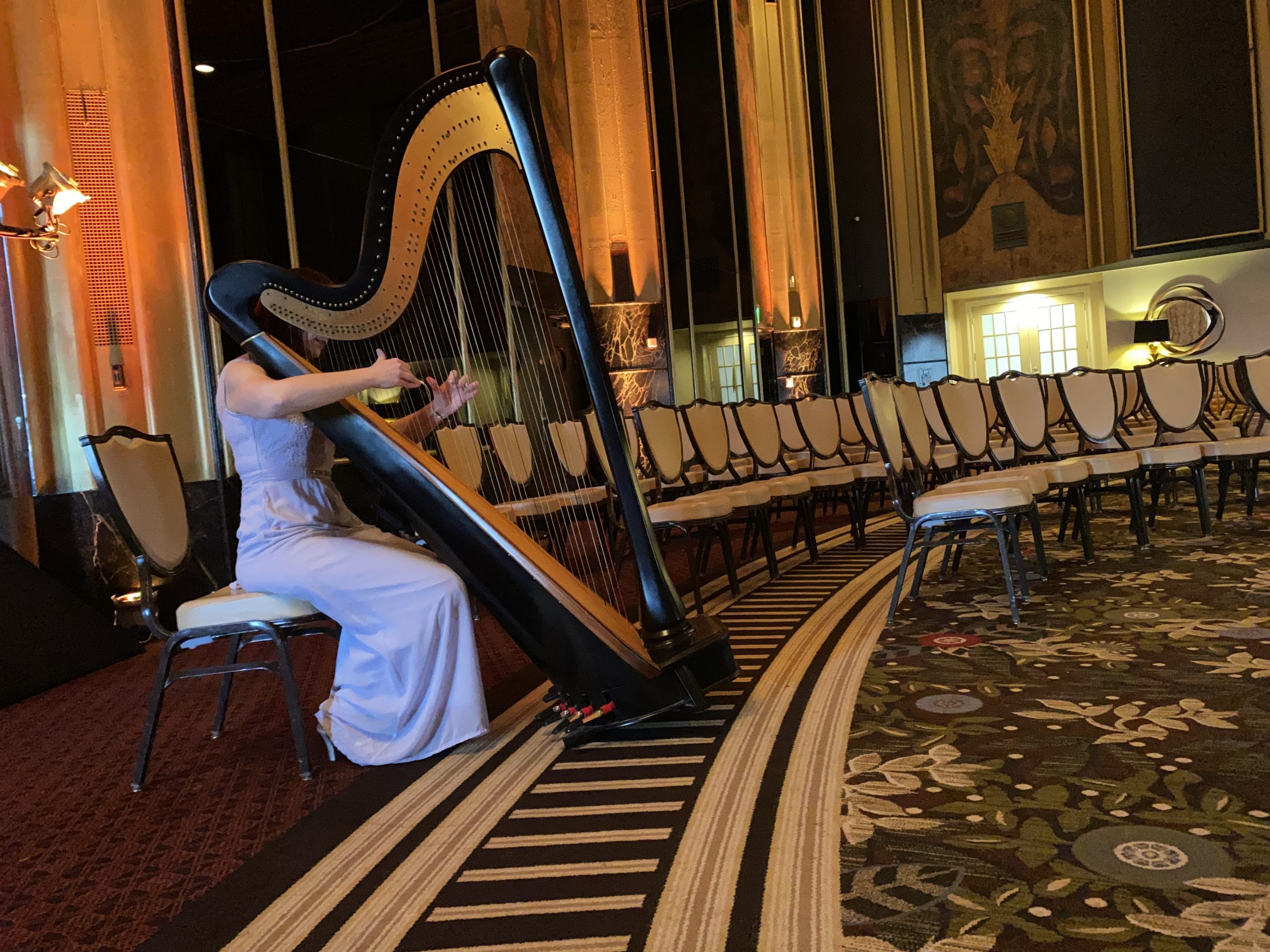
The Classic Harpist is the website of Devon Carpenter, a harpist who performs at weddings and other events. It presents her as a live-music option for ceremonies and celebrations, with the harp positioned as an elegant, personal touch rather than background music. The page carries testimonials from clients, including a note from the mother of a bride thanking her for adding something special to the day, which suggests the site is aimed at couples and family members making booking decisions.
For a couple planning a wedding, the practical next step is to check whether the harp suits the ceremony's setting and scale—an outdoor ceremony, a small indoor venue and a large hall each change how the instrument carries—and to ask about repertoire, travel area and how arrival and setup fit the day's schedule. Reading the testimonials is useful, but a short conversation about the specific ceremony plan will tell you more than any general description.
How do I book Devon Carpenter as a wedding harpist for my event?
To book Devon Carpenter as your wedding harpist, start through the booking option on her site, The Classic Harpist. The page presents her as a wedding and event harpist and lists "Book Harp Music" as the route for event inquiries, so that is the practical first step rather than relying on a general contact form elsewhere.
What to prepare before you inquire
- Event date and timing: ceremony start, prelude and postlude windows, and cocktail hour if you want continuous music.
- Venue and location: indoor or outdoor setting, whether the venue has load-in access and shelter from sun or rain, and how far the harp must be moved.
- Repertoire preferences: processional and recessional pieces, any special requests, and whether you want classical, contemporary or mixed selections.
- Guest count and atmosphere: a smaller ceremony may suit a focused solo recital; a large or outdoor space changes how the harp carries.
- Logistics questions: arrival time, setup space, power or shade needs, and whether the musician coordinates with your planner or officiant.
A useful next step
Send one concise inquiry with your date, venue, ceremony timeline and two or three must-have pieces. Ask what information she needs to confirm availability and what the booking process looks like from there. If your date is flexible, mention alternate times, since ceremony scheduling often decides whether a solo harpist can fit your event.
For comparison while planning, you can look at how other wedding musicians present their booking process, such as The Knot for vendor listings or WeddingWire for musician categories, but confirm details directly with the harpist you choose.
What types of events and venues does The Classic Harpist perform at?
The Classic Harpist presents itself as a wedding and event harpist, with Devon Carpenter named as the performer, and the site is framed around weddings and special occasions rather than a single fixed venue type. The clearest event type in the supplied page information is weddings, supported by a testimonial from the mother of the bride. The wording around "Your Event" suggests other celebrations are also in scope, but the page information does not list specific venue categories.
How to judge fit
- Weddings: The site's main emphasis, including ceremony music and the personal tone of the client quote.
- Other events: Ask directly which occasions are covered, since the page does not spell them out.
- Venues: Ask about indoor and outdoor settings, and whether the harpist travels to private homes, gardens, hotels or ceremony spaces.
Next step
Send an enquiry describing your event date, guest count, setting and the moments you want music for, such as a ceremony entrance or drinks reception. Ask for confirmation of travel range and any setup needs, then compare the reply with your venue's constraints.
Can the harp music be tailored to specific moments in a wedding ceremony?
Yes. The site presents the harpist's work as wedding and event music built around the couple's chosen moments, with a testimonial from a mother of the bride describing the music as "a special touch" to the day. The practical way to tailor it is to assign the harp to named points in the ceremony rather than treating it as background for the whole event.
A workable ceremony plan
- Guest arrival: light, continuous pieces while seating happens, so latecomers don't disrupt anything.
- Processionals: distinct pieces for the bridal party and for the bride's entrance, so each entrance is clearly signalled.
- Ceremony pauses: a short piece during a candle-lighting, sand ceremony or reading, if you have one.
- Recessional: something brighter and more upbeat to carry the couple out.
- Drinks reception: a longer set that sets the tone while guests mingle.
What to decide before contacting the harpist
- Your must-have pieces: name two or three, and ask whether they can be arranged for harp if they weren't written for it.
- Your cues: who gives the signal for each piece, and whether the harpist takes cues from the celebrant or a planner.
- Timings: how long guests will be arriving, and whether the ceremony is likely to start late.
- The setting: an outdoor ceremony needs a plan for wind, weather and power-free amplification; indoor rooms with hard surfaces carry harp sound well.
If you have a favourite song that isn't standard ceremony music, ask early. Arranging takes time, and knowing whether it suits the instrument is the harpist's call, not yours. A shortlist of three to five pieces with clear timings gives you the most flexibility.
What does a live harpist add to a wedding compared to recorded music?
A live harpist adds a visible performance and a human presence that recorded music cannot: guests watch the harp being played, the music can respond to the moment (a processional starting late, a pause during the ceremony), and the sound fills a room or garden without speakers and playlists. On The Classic Harpist, harpist Devon Carpenter presents harp music as a wedding and event service, with a testimonial from a mother of the bride describing it as "a special touch" to the day.
Where the difference shows
- Ceremony timing: a live player can stretch, shorten or repeat a piece to match the walk down the aisle; recorded tracks are fixed unless someone manages the cue.
- Atmosphere and volume: harp sound is acoustic and soft, so it suits intimate rooms and outdoor ceremonies without amplification, but it will not carry a large, noisy reception the way a band or DJ can.
- Visual element: the instrument and player become part of the scene and photographs, which recorded music cannot provide.
- Repertoire and requests: a live harpist typically adapts arrangements to the couple's choices; a playlist is limited to what has been recorded.
- Cost and logistics: live music means booking a person, confirming space, shelter and access for the harp, and paying a musician; a playlist costs little and needs only a device and speakers.
How to choose
If your ceremony is small to medium-sized and you want a distinctive, flexible soundtrack, a live harpist is the stronger fit. If your venue is large, the schedule is unpredictable, or the budget is tight, recorded music is more practical, and some couples combine both—harp for the ceremony, recorded or DJ music for the reception.
A useful next step is to ask a harpist about ceremony timing, outdoor shelter and travel to your venue before comparing quotes, since those details shape both feasibility and price more than the repertoire list does.
How far in advance should I book a wedding harpist, and what is the cancellation policy?
Book a wedding harpist as early as you can—ideally 6–12 months before the date, and sooner for peak Saturdays in May–October. Popular harpists are solo performers who often play only one wedding per day, so prime ceremony times (late morning through late afternoon) go first. A practical rule: the more fixed your date, venue and ceremony time, the earlier you should lock in the musician.
Booking timeline that works in practice
- 12+ months out: ideal for peak-season Saturdays, holiday weekends and destination venues.
- 6–9 months out: comfortable for most spring/summer weddings; still good choice of times.
- 3–6 months out: workable, especially for off-season, Fridays/Sundays or shorter ceremony sets.
- Under 3 months: possible, but expect limited availability and less flexibility on arrival/setup times.
The site itself, Wedding Harpist: Experience Exceptional Live Music, presents Devon Carpenter as a wedding and event harpist with a booking section, so availability is best confirmed directly rather than assumed from a calendar.
What to confirm when you enquire
- Whether the quoted fee covers ceremony only or also prelude, guest arrival and cocktail hour.
- Setup and travel time, and how much access the harpist needs before guests arrive.
- Whether amplification is provided for outdoor or large venues.
- A written agreement stating date, start time, duration and deposit.
Cancellation policy: what to expect and ask
The website excerpt does not state a cancellation policy, so treat this as general guidance and get the terms in writing. Most solo musicians use a deposit (often non-refundable) with a sliding scale: full refund or partial credit well in advance, partial refund closer to the date, and no refund in the final weeks. Ask specifically about:
- Deposit amount and refundability.
- Rescheduling: can you move the date once, and at what cost?
- Force majeure: weather, illness or venue closure.
- Substitute musician: whether the harpist offers a recommended replacement if they cannot perform.
A useful decision criterion: if your date is fixed and non-negotiable, prioritise a clear rescheduling clause over a slightly lower fee. For a reader planning a June Saturday ceremony, booking 9–12 months ahead and confirming the deposit and rescheduling terms in writing is the safest path.
 GoDaddy
 Microsoft 365
User reviews (0)