

 Visit website
 Updated: 2026-09-22 14:06
 Language: English (default)
 Access: Normal
 Profile views 0
  Outbound visits 0
 Website Review
What is the Tolpuddle Martyrs?
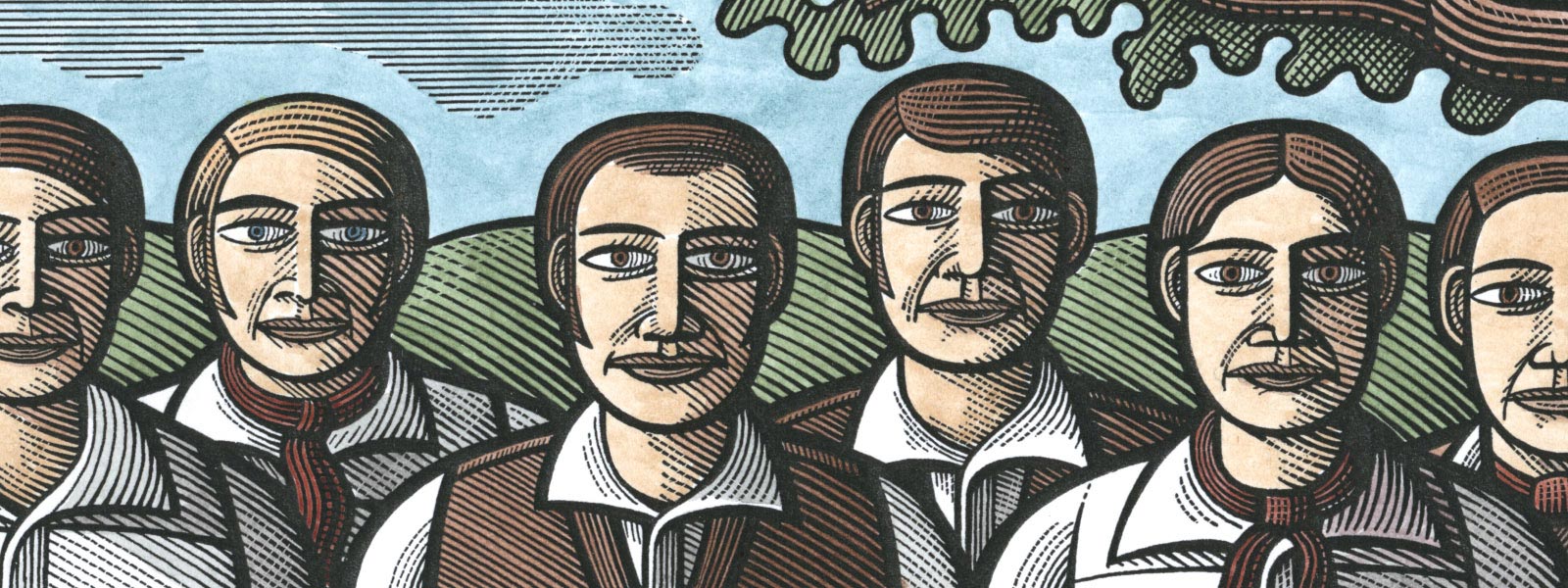
The Tolpuddle Martyrs were six agricultural labourers from the village of Tolpuddle in Dorset, England, who were arrested in 1834 after forming a friendly society to resist falling wages. Their conviction and transportation to Australia sparked a national protest campaign, and their eventual pardon became a landmark in the early history of British trade unionism. Tolpuddle Martyrs is the museum dedicated to telling that story, covering the arrest, trial, punishment and the campaign that followed.
What the museum covers
- The background of rural poverty and wage cuts in 1830s Dorset
- The secret oath-taking and the legal charges used against the men
- The trial, sentencing and transportation
- The public campaign, petitions and eventual return
- The wider legacy for organised labour
Who it suits
The site is likely to appeal to anyone interested in labour history, social reform or nineteenth-century Britain. It is also useful for school groups and teachers looking for a case study on collective action, and for visitors planning a trip to the Tolpuddle area. Because the subject is specific, general tourists may find it narrower than a national museum.
The main trade-off is depth versus breadth: the museum treats one episode in detail rather than surveying trade union history as a whole. For that broader context, other labour-history collections may be more suitable.
Who were the Tolpuddle Martyrs and why were they arrested?
The Tolpuddle Martyrs were six agricultural labourers from the village of Tolpuddle in Dorset, England, who became a founding symbol of the trade union movement. In the 1830s, rural wages were falling sharply, and the men organised a friendly society to bargain collectively for better pay and conditions. Although such combination was not itself illegal, they were arrested in 1834 under an obscure law requiring a secret oath, and were sentenced to transportation to Australia.
Their punishment provoked a national outcry. Mass protests, petitions and marches followed, and within two years the sentences were commuted and the men returned home. The episode helped establish the principle that workers could organise without facing criminal punishment, and it is often cited as a step toward modern trade unionism.
Tolpuddle Martyrs is the museum dedicated to this story. It covers the arrest, trial, punishment and the campaign for justice, and is suited to students, union members, local historians and visitors interested in labour rights. A museum visit typically adds context that a short summary cannot, including original documents and the local rural setting. Those seeking a quick overview may find the key facts easier to absorb online first, then explore the site's narrative in person.
What happened during the trial and punishment of the Tolpuddle Martyrs?
The Tolpuddle Martyrs were a group of agricultural labourers in Dorset who formed a friendly society to resist falling wages. Their arrest, trial and punishment became a landmark in British trade union history.
The trial
The men were charged under an obscure law against administering unlawful oaths, rather than for combining or union activity itself. At their trial they were convicted and sentenced to transportation to Australia. The case is remembered less for its legal detail than for how a peaceful labour dispute was turned into a criminal prosecution.
The punishment and aftermath
The sentences provoked widespread protest. Mass meetings, petitions and marches pressed for the men's release. Public pressure eventually led to pardons, though the men had already endured imprisonment and transportation. The campaign is often described as helping to lay groundwork for the organised trade union movement.
The museum at Tolpuddle Martyrs presents this story for general visitors, school groups and anyone interested in labour history, and typically covers the arrest, trial, punishment and the campaign that followed.
Why it still matters
- It shows how criminal law can be used in industrial disputes.
- It illustrates the role of public campaigning in changing policy.
- It connects a local Dorset story to national union history.
For exact dates and sentence details, consult the museum or reliable historical sources.
How did the campaign to free the Tolpuddle Martyrs lead to the foundation of trade unionism?
The Tolpuddle Martyrs were agricultural labourers in Dorset who were arrested in 1834 after forming a friendly society to resist falling wages. Their conviction and transportation to Australia provoked one of the first mass protest movements in Britain. The website Tolpuddle Martyrs presents this story through its museum, covering the arrest, trial, punishment and the campaign for their release.
From protest to organisation
The campaign to free the men was not a single event but a broad mobilisation. Petitions carrying hundreds of thousands of signatures were gathered, public meetings were held across the country, and sympathetic newspapers kept the case in view. The scale of this support demonstrated that working people could act collectively across trades and regions when a shared injustice was clear.
Why it mattered for trade unionism
The affair gave the emerging labour movement a founding narrative and practical lessons:
- Grievances could be turned into sustained national campaigns.
- Public opinion and the press were tools worth cultivating.
- Legal protection for collective action became a central demand.
The men were pardoned and returned by 1838–1839. Their case is often cited as a step towards the wider acceptance of trade union organisation, and the annual Tolpuddle Festival keeps the connection visible. The site is suited to students, union members and visitors interested in labour history, though it focuses on commemoration and education rather than detailed academic argument.
What can visitors see and do at the Tolpuddle Martyrs Museum?
Tolpuddle Martyrs is the official website of the museum in Tolpuddle, Dorset, which tells the story of the six farm labourers arrested in 1834, their trial and transportation, and the protest campaign that followed.
What the museum covers
The displays trace the arrest, trial, punishment and the public campaign that helped lay the foundations of trade unionism in Britain. Expect narrative panels, original or reproduced documents, portraits and objects connected to the men and their supporters, set in the village where the events began.
Things to do
- Walk through the exhibition at your own pace, following the story chronologically.
- Look for temporary or seasonal displays and events, which may change through the year.
- Combine a visit with the surrounding village, including the famous sycamore tree linked to the martyrs' meetings.
- Use the site before you travel to check opening times, admission arrangements and accessibility, since small independent museums often have limited hours.
Who it suits
The museum is well suited to people interested in labour history, social reform and trade unionism, as well as school and group visits. Casual visitors may find the subject niche, and the experience is likely to be modest in scale rather than a full day out. Families with younger children may find the historical detail heavy, though the human story of the arrested men can hold attention.
How can I visit the Tolpuddle Martyrs Museum and what are its opening hours?
The Tolpuddle Martyrs website is the official starting point for planning a visit to the museum in Tolpuddle, Dorset. It covers the story of the Martyrs' arrest, trial, punishment and the campaign that followed, which is often linked to the foundation of trade unionism in Britain.
Planning your visit
- Check the site's visiting information before travelling, as opening arrangements for small museums can change seasonally or on bank holidays.
- Look for directions and transport details, since Tolpuddle is a village and access by public transport typically requires some planning.
- See whether group, school or educational visits need to be arranged in advance.
- Check for events, talks or commemorative activities that may run alongside normal opening.
Opening hours
The website is the authoritative source for current opening hours. Do not rely on third-party listings, which may be out of date. If hours are limited or seasonal, the site usually explains this alongside admission and access information.
Who it suits
The museum is well suited to anyone interested in labour history, trade unionism, social reform or rural Dorset. A visit may also appeal to school and community groups. Because displays focus on a specific historical episode, allow a modest amount of time rather than a full day, and combine it with other local sights if you are travelling some distance.
 Hosting and Email
 Cloudflare
 Hosting
 Location
 Pages, Search and Sharing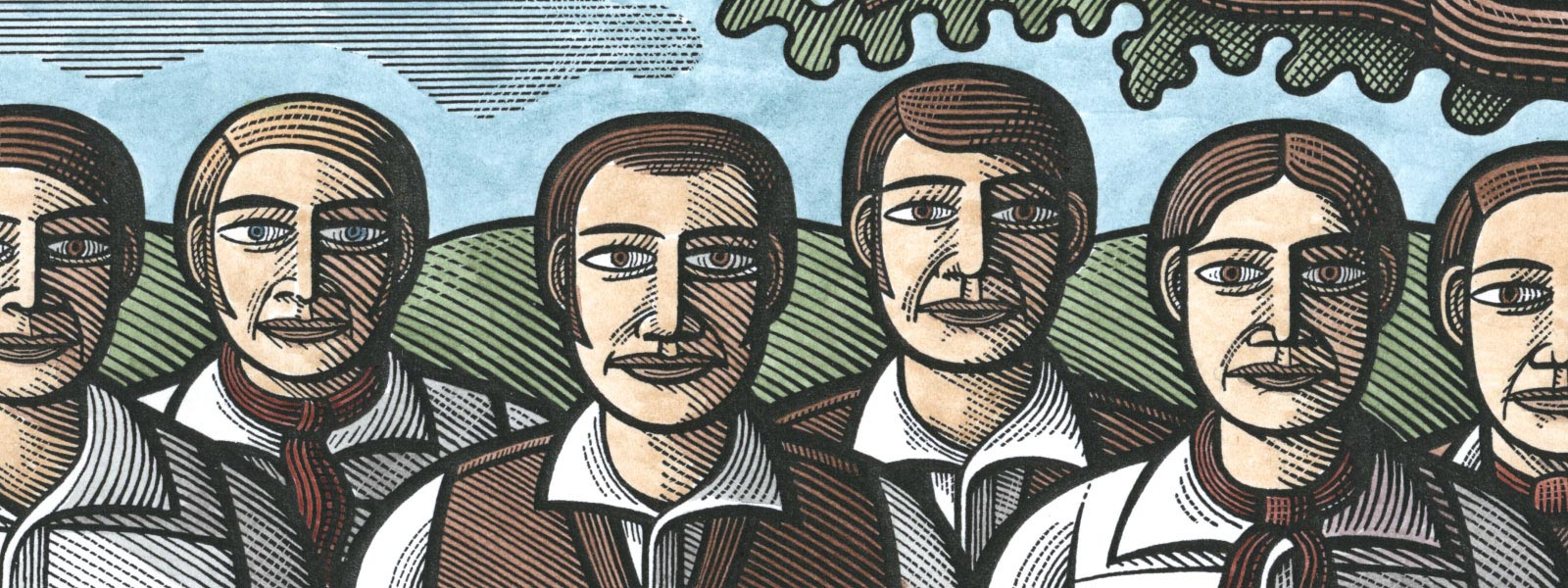


 All bots


 Registration details

 Identified technologies
User reviews (0)