Website profiles · Technology insights · Alternatives

tucsonbirds.org

Tucson Bird Alliance has a long history of speaking on behalf of birds, to policymakers across Southeast Arizona, at the state level, and even to the US federal government.

No paid content found
Visit website
Profile views 2 Outbound visits 0 Normal
Tucson Bird Alliance- We speak out for wild birds and their homes Full homepage screenshot

At a glance

Category
Other
Language
English
Paid-content signal
No paid content foundObserved
Registered
2001
Hosting
Cogent Communications, LLCInferred
HTTPS certificate trusted
PassedObserved
Last updated

Website review

This review may include AI-generated content and is not individually verified. Domain, certificate and other facts come from the observed data on this page.

What is Tucson Bird Alliance?

Tucson Bird Alliance is a Southeast Arizona–based bird organization that describes its mission as inspiring people to enjoy and protect birds. Its work combines public education, guided field trips, community science, habitat gardening and advocacy: the site states it has “a long history of educating people about birds and speaking out on their behalf across Southeast Arizona and beyond,” including to policymakers at the state and federal level.

What it offers

  • Birding for newcomers and locals: Guided field trips are presented as a way to “see more birds, meet other birders, and become part of the local birding community,” with an emphasis on learning local species and birding spots. A featured testimonial from a field trip participant, Jenny Kroik, calls a walk “a great introduction to birding in the region.”
  • Seasonal events: The Southeast Arizona Birding Festival and a month-long Birdathon fundraiser (April 1–30) are among its main public programs.
  • Habitat help: An online Fall Native Plant Sale is framed as a way to “create more bird habitat,” with plant lists and scheduled order pickup at its Nature Shop.
  • Local bird information and advocacy: The site links a Rare Bird Alert, a “Meet Your Birds” introduction to Southeast Arizona species, a strategic “Flight Plan,” and the Paton Center, known for hummingbirds.

Who it suits

It is most useful to people living in or visiting Southeast Arizona who want structured, social birding rather than a general reference site, and to residents interested in planting for birds or following local conservation policy. Birdathon appeals to those who prefer fundraising through a hobby; the festival suits travelers planning around a specific event.

As a next step, check the field trip schedule if you are new to the area, or the native plant list if your goal is attracting birds to a yard.

How can I join a guided birding field trip in Tucson?

The clearest route is to join a scheduled field trip run by the Tucson Bird Alliance. Its site presents field trips as the way to "see more birds, meet other birders, and become part of the local birding community," with guided outings to local birds and birding spots. Start on the group's field trip listings and follow the instructions for the specific outing.

What to expect and how to prepare

  • Check the schedule first. Trip dates, locations and any sign-up steps should be confirmed on the current listing rather than assumed.
  • Register or RSVP as directed. Group sizes and meeting details often vary by trip, so follow the instructions attached to that outing.
  • Bring the basics. Binoculars, water, sun protection and comfortable shoes are sensible defaults for desert birding; check whether loaner binoculars are offered.
  • Tell the leader you're new. A participant quoted on the site described a walk as "a great introduction to birding in the region," and another was surprised by how many birds they saw on a first walk. Letting the leader know your experience level helps them point out birds and explain local spots.

If the calendar is empty or trips fill up

Use the site's "Discover Birding" and "Meet Your Birds" sections to learn local species and locations in the meantime, and consider the Southeast Arizona Birding Festival, which the site describes as a major regional event with field trips and programming. For a broader regional perspective, National Audubon Society maintains birding resources and local chapter information. A practical decision rule: choose a beginner-friendly, shorter trip for your first outing, then move to longer or more specialized trips once you know the local terrain and pace.

How do I participate in or start a Birdathon fundraising team?

To join or start a Birdathon team, begin on the Tucson Bird Alliance's Birdathon page, which the site lists as a month-long community fundraiser running April 1–30. The page invites people either to "Join a team or start your own," then go birding and help support a healthy future for local birds. In practice, that means choosing an existing team if you want a ready-made group, or registering a new team and recruiting friends, family and coworkers as members and donors.

A practical way to start

  • Pick your birding style: a single morning at a local hotspot, a Big Day, or casual backyard counts spread across the month.
  • Set a modest fundraising goal and a simple ask you can share with people who aren't birders.
  • Decide how you'll log sightings and share updates, so supporters see progress.
  • Check the Birdathon page for the current year's registration steps and event details before committing.

For context on the region's birding, the Alliance's field trips are a good complement—the site describes them as a way to "see more birds, meet other birders, and become part of the local birding community," which helps if you're new and want teammates. The Tucson Bird Alliance site also points to its Southeast Arizona Birding Festival and native plant sale, both useful for building local connections before April.

What native plants should I buy at the Fall Native Plant Sale to create bird habitat?

Choose plants that feed insects, supply seeds or berries, and provide cover, rather than picking purely for looks. The Tucson Bird Alliance page frames its Fall Native Plant Sale around exactly that goal—"create some bird habitat"—and points readers to a plant list, so the practical first step is to pull that list and build your selection from it rather than guessing at species.

A workable mix for a bird-friendly yard

  • One or two hummingbird plants for nectar, especially if you want Violet-crowned Hummingbirds and other regulars around a feeder area.
  • Several seed- and insect-supporting shrubs or perennials as the backbone; these do more for insect-eating birds than nectar alone.
  • A dense native shrub or small tree for cover and nesting, placed where cats and foot traffic are less of an issue.
  • A seasonal accent such as a fall-blooming plant, so something is productive late in the year.

Matching plants to your situation

Your situation What to prioritize Trade-off
Small patio or rental A few pots of nectar and seed plants Limited cover, so fewer nesting species
Typical yard Layered shrubs, perennials, one small tree Needs watering establishment and some pruning
Aiming for hummingbirds Nectar-heavy selections near seating Concentrates birds in one spot; add cover nearby
Aiming for seed-eaters Grasses and seed-producing perennials Can look untidy if seed heads are cut back too soon

Ordering and pickup

The page describes the sale as online, with orders collected at the Nature Shop during regular business hours on set pickup dates. Check the current dates and plant list before ordering, and plan to plant soon after pickup so fall roots establish before heat returns.

For regional plant and bird context, Arizona Native Plant Society and National Audubon Society are useful complements to the chapter's own list.

When is the Southeast Arizona Birding Festival and how do I attend?

The Southeast Arizona Birding Festival is scheduled for August 12–16, 2026, according to the Tucson Bird Alliance's festival listing on Tucson Bird Alliance. The page also notes that the most recent festival has concluded ("See you next year"), so the 2026 dates are the next edition to plan around.

How to attend

The site points visitors to a "Learn more" link from the festival section for details. That page is the place to check for registration, schedules, field trips and any fees, since those specifics aren't given in the overview text. A practical next step is to open the festival page on the site and look for a registration or "Festival" menu item, then note whether events require separate sign-ups (festivals of this kind often combine guided field trips with talks and a vendor area).

What to expect and who it suits

The Alliance describes itself as inspiring people to enjoy and protect birds, with a long history of education and advocacy across Southeast Arizona. Its regular activities—guided field trips, a Birdathon fundraiser each April, native plant sales and the Paton Center for hummingbirds—suggest a festival built around local birding rather than a purely commercial expo. That makes it a good fit for:

  • First-time regional birders who want guided introductions to local species and hotspots; one field trip participant quoted on the site called a walk "a great introduction to birding in the region."
  • Experienced birders chasing Southeast Arizona specialties such as Montezuma Quail and Violet-crowned Hummingbird, both featured on the site.
  • Travelers planning a trip who want to combine the festival with visits to the Paton Center and other nearby sites.

Decision criterion

If your main goal is structured learning and meeting local birders, register early for field trips, which often fill first. If you mainly want independent birding, use the festival dates as an anchor and check the site's birding and rare-bird-alert resources to plan your own itinerary around them.

What is the Paton Center for Hummingbirds and how do I visit it?

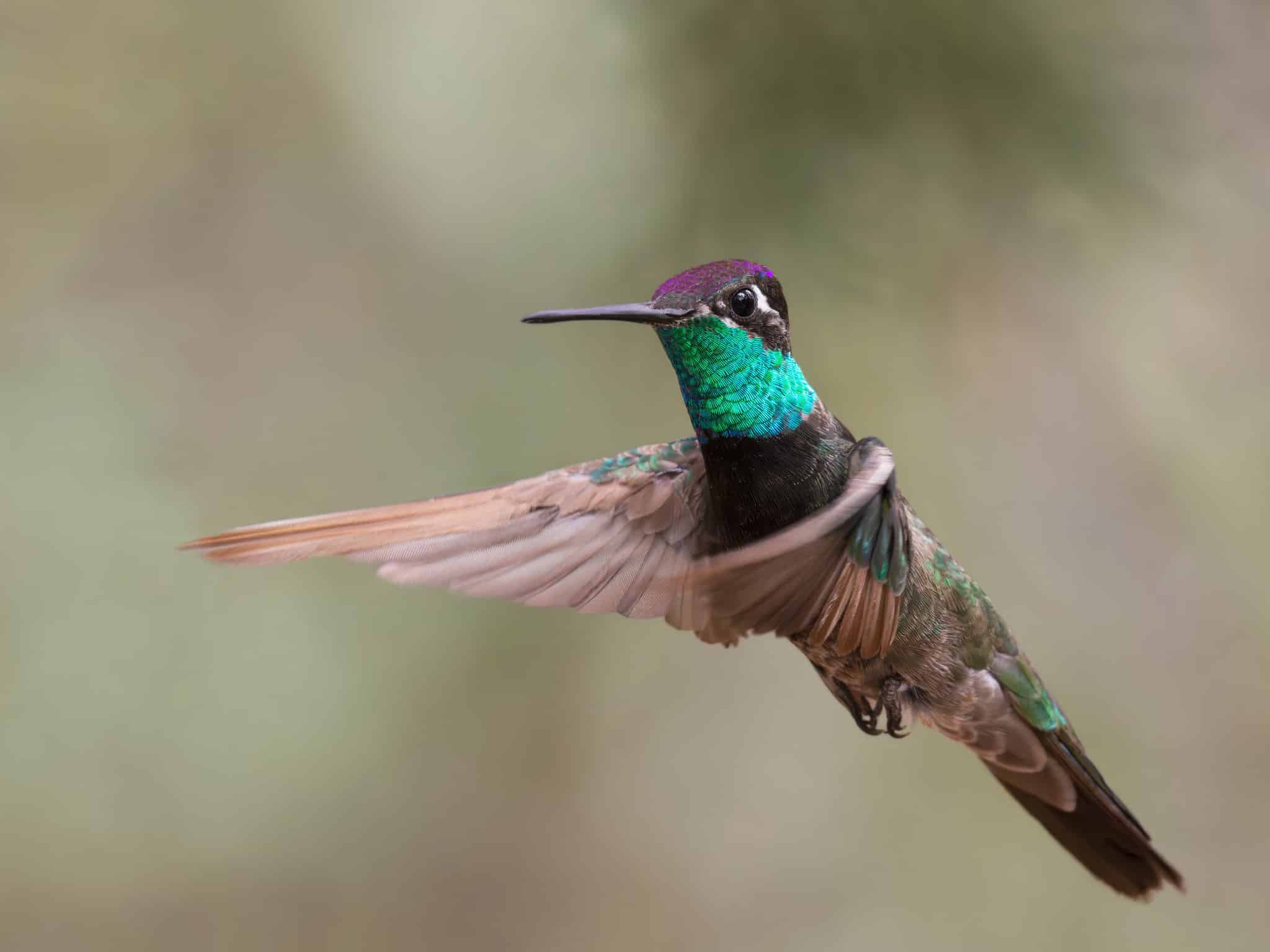
The Paton Center for Hummingbirds is a birding destination presented by Tucson Bird Alliance as a place to see Violet-crowned Hummingbirds and more. The site treats it as a visitor stop alongside its field trips and festival, rather than as a full visitor guide—so use the Alliance's site as the starting point, then confirm current hours and access details before you go.

What to expect

  • Hummingbird-focused viewing: The page highlights Violet-crowned Hummingbirds at the Paton Center, making it a sensible stop for birders targeting that species.
  • A community birding context: The Alliance frames the center within its wider work of inspiring people to enjoy and protect birds in Southeast Arizona, so expect a welcoming, conservation-minded atmosphere rather than a commercial attraction.
  • Pairing with field trips: The Alliance runs guided field trips described as a way to see more birds, meet other birders and learn local spots—useful if you want structure around a Paton Center visit.

How to plan a visit

  1. Start at Tucson Bird Alliance and look for the Paton Center listing for current visiting information.
  2. Check the events calendar for field trips and the Southeast Arizona Birding Festival if you want guided birding nearby.
  3. Bring binoculars, water and sun protection; hummingbird viewing often means sitting still near feeders for a while.
  4. If you're chasing a specific species, check the Rare Bird Alert mentioned on the site before traveling.

Who it suits

Casual birders and photographers will find the hummingbird focus rewarding and easy to enjoy. Travelers building a Southeast Arizona birding itinerary can use the center as one stop among several. If you need guaranteed opening times or accessibility details, verify them directly with the Alliance rather than relying on the homepage summary.

Related questions

More questions →
What Is Tucson Bird Alliance (tucsonbirds.org)?

Tucson Bird Alliance is a nonprofit bird conservation and education organization based in Southeast Arizona. Its website, tucsonbirds.org, is the public hub for its mission — "We inspire people to enjoy and protect birds" — and for the programs that carry it out: guided field trips, a native plant sale, a month-long fundraising Birdathon, the Southeast Arizona Birding Festival, the Paton Center for Hummingbirds, and advocacy work aimed at policymakers from the local level up to the US federal government. It is useful to you if you want to go birding with experienced guides, create bird habitat at home, attend a regional festival, or follow or support bird-protection advocacy in Southeast Arizona.

What the organization does

The site describes a long history of educating people about birds and speaking out on their behalf "across Southeast Arizona and beyond." That splits into two broad strands:

  • Public education and recreation — field trips, birding resources, a festival, a native plant sale, and a nature shop.
  • Advocacy — representing birds to policymakers across Southeast Arizona, at the state level, and to the federal government.

A published 2026–2028 Flight Plan (strategic plan) is linked from the homepage, which is the best single document to read if you want the organization's own statement of priorities.

Programs and resources you can use

Program What it is When / where
Guided field trips Group bird walks to see more birds, meet other birders, and learn local species and birding spots Listed on the site; sign-up through the field trip pages
Southeast Arizona Birding Festival The organization's flagship birding event August 12–16, 2026 (the most recent festival has concluded)
Birdathon Month-long community fundraiser: join a team or start your own, go birding, and raise money for local birds April 1–30
Fall Native Plant Sale Online plant sale to help people create bird habitat Online ordering opens October 9, with pickup on October 11 and 12 at the Nature Shop during regular business hours
Paton Center A site for hummingbirds, including Violet-crowned Hummingbirds Linked from the homepage
Nature Shop In-store and online shopping Linked from the homepage
Rare Bird Alert Check or report a rare bird Linked from the homepage
Tucson Bird Count A separate project site Now hosted at tbc.tucsonbirds.org
"Meet Your Birds" Species discovery resource for Southeast Arizona birds On the site

Two practical notes on the plant sale: the dates shown on the page (October 1–9 online sale, October 9 ordering start, October 11–12 pickup) come from the site's own listing and should be re-checked on the current page before you plan around them, since seasonal sales change year to year. The page also points purchasers to tucsonaudubon.org/plantsale for ordering — worth confirming that link is still the live ordering page when the sale opens.

What the site is good for, by visitor type

  • New to birding in Tucson: start with "Discover Birding" and the field trip listings. Participant testimonials on the site describe the walks as an informative, welcoming introduction to birding in the region — one first-time participant wrote she "couldn't believe I would see that many birds."
  • Experienced birders: the Rare Bird Alert, the festival, and the Birdathon team format are the most relevant entry points.
  • Homeowners and gardeners: the native plant sale and the "Create bird habitat" guidance are the practical route to attracting birds to your yard.
  • Policy-interested readers: the strategic plan and the advocacy description give the organization's positions and focus areas.

Advocacy: what to expect

The site frames advocacy broadly — speaking on behalf of birds to policymakers across Southeast Arizona, at the state level, and to the US federal government — rather than listing specific bills or campaigns on the homepage. If advocacy is your main interest, the strategic plan is the place to look for current priorities; the homepage itself is oriented toward events and public programs.

How to get involved

  1. Pick an entry point — a field trip for hands-on birding, the plant sale for habitat, Birdathon for fundraising, or the festival for a concentrated birding experience.
  2. Check current dates and sign-up details on the relevant page, since events are seasonal and the homepage mixes current and past listings (for example, a 2024 plant sale and a 2023 Winter Appeal appear alongside upcoming 2026 events).
  3. Join or donate — the site offers membership and giving options, including the Birdathon fundraising format and seasonal appeals.

The clearest signal of fit: if you want guided, community-based birding and local conservation in Southeast Arizona, the site gives you direct paths to all of it; if you need a specific species checklist or trip planning for a visit, the "Meet Your Birds" and field trip pages are the better starting points than the homepage.

How to Go Birding with Tucson Bird Alliance Field Trips

Tucson Bird Alliance (tucsonbirds.org) invites anyone—including complete beginners—to join its guided field trips, which are the simplest way to start birding in Southeast Arizona. The site describes these outings as a chance to "see more birds, meet other birders, and become part of the local birding community," and to "get to know local birds and birding spots." To join, visit tucsonbirds.org and look for the field trip listings under the "Discover Birding" section, then follow the instructions for the trip you want.

What the Field Trips Offer

The Alliance frames its trips around three benefits, all stated on its site:

  • See more birds — guides know local species and locations.
  • Meet other birders — trips are social, community-building outings.
  • Learn local spots — you get to know where to bird around Tucson and Southeast Arizona.

The organization's broader mission is to "inspire people to enjoy and protect birds," and it has a long history of educating people about birds across Southeast Arizona and beyond. Field trips are the hands-on expression of that education work.

Who They Suit

The trips are explicitly pitched at people new to the region's birding. One participant quoted on the site, Jenny Kroik, called her walk "a really informative" and "great introduction to birding in the region," praising the leader's "knowledge, enthusiasm, and kindness." Another first-timer, Ann Donoghue, wrote that she "couldn't believe I would see that many birds" on her first Audubon bird walk. If you have never birded before, these testimonials suggest you will be in comfortable company.

How to Find and Join a Trip

The site does not publish a single booking form; instead, trips are announced through the Alliance's pages. Use this sequence:

  1. Go to tucsonbirds.org.
  2. Find the "Discover Birding" section, which links to guided field trips ("Come birding with us on a field trip!").
  3. Open the field trip listing to see upcoming dates and any trip-specific instructions.
  4. Follow the sign-up directions given for that trip.

Because schedules change seasonally, check the site close to your visit rather than relying on an old listing. If a trip page is unclear, the Alliance's contact channels on the site are the place to confirm details.

Related Ways to Get Involved

If your dates don't match a field trip, the site points to other entry points:

Activity What it is When
Southeast Arizona Birding Festival Multi-day birding event August 12–16, 2026
Birdathon Month-long community fundraiser; join a team or start your own and go birding April 1–30
Native Plant Sale Online plant sale to create bird habitat Fall (online ordering, with pickup at the Nature Shop)
Paton Center A site to visit for hummingbirds and more Year-round
Nature Shop In-store and online birding resources Regular business hours

The festival is the largest single gathering; the site thanked attendees for "an amazing Festival" and set the next one for August 12–16, 2026.

What to Expect and How to Prepare

The site does not publish a gear list or fee schedule for field trips, so confirm those details with the trip listing or the Alliance directly. Based on how the trips are described, plan for:

  • A guided walk focused on local species and birding spots.
  • Group pacing — you'll be with other birders, including beginners.
  • Seasonal timing — Southeast Arizona birding varies by season, and the Alliance's calendar reflects that.

For species preparation, the site offers a "Meet Your Birds" feature to "discover the birds of Southeast Arizona," and a Rare Bird Alert page if you want to know what's being seen locally before you go.

Common Questions

Do I need experience? No. The participant feedback on the site comes from first-time walkers who found the trips welcoming and informative.

Is there a cost? The site does not state field trip pricing. Check the individual trip listing or ask the Alliance before assuming a trip is free.

What if I can't make a scheduled trip? The Paton Center and the festival are alternatives, and the site's bird-finding resources ("Meet Your Birds," Rare Bird Alert) let you bird independently.

Where do I check for the Tucson Bird Count? That program now lives at tbc.tucsonbirds.org, separate from the main site.

The fastest path is straightforward: open tucsonbirds.org, go to Discover Birding, pick a field trip, and sign up the way the listing instructs. For a first outing, a guided walk removes the hardest part of birding—knowing where to go and what you're looking at.

How the Tucson Bird Alliance Native Plant Sale Helps Create Bird Habitat

The Tucson Bird Alliance's online native plant sale is a seasonal event where you buy native plants through the organization's website and pick them up in person at the Nature Shop, with the goal of helping residents turn their yards into bird habitat. It suits Tucson-area homeowners and gardeners who want to plant species that support local birds and who can collect orders during the scheduled pickup days. The sale is seasonal rather than year-round, so the practical first step is to check the current sale dates and plant list before planning a purchase.

Why native plants matter for birds

Native plants provide the food and shelter that local birds evolved with. The Alliance frames the sale directly around this idea: "Start the fall planting season off with a bang and create some bird habitat!" Its broader habitat message is equally direct — "Create bird habitat. We can help!"

For a Tucson yard, that generally means choosing plants that are adapted to the local climate, which in turn support the insects and seeds birds feed on and offer cover for nesting and resting. The sale is designed to make those species easier to find in one place rather than sourcing them individually.

How the online sale and pickup work

Based on the sale information published on the site, the process follows this pattern:

Step What happens
1. Browse the plant list The Alliance publishes a plant list so you can plan selections before buying
2. Buy online Purchases are made online through the plant sale page on the organization's site
3. Pick up in person Orders are collected at the Nature Shop during regular business hours on the announced pickup dates

The most recent detailed listing on the site describes a fall sale with online purchasing opening October 9 and pickup on October 11 and 12 at the Nature Shop. Because these dates are event-specific and change each season, treat them as an example of the format rather than the current schedule — confirm the active dates on the site before ordering.

What to prepare before you buy

  • Check the plant list first. The published list is the authoritative source for what is available in a given sale.
  • Confirm pickup timing. Pickup happens in person on set days, so make sure you can collect your order during the posted window.
  • Plan for planting season. The fall sale is timed to the start of the fall planting season, which is when new native plants are typically established.

Choosing plants and putting them to work

The sale's purpose is habitat creation, so selection is less about filling a bed and more about what each plant contributes. A practical approach:

  1. Match plants to your yard's conditions — sun, soil, and water — using the plant list as the starting point.
  2. Aim for a mix that provides seeds or nectar across seasons and dense cover for shelter.
  3. Plant in fall where possible, consistent with the sale's timing, so roots establish before summer heat.

The Alliance also points visitors toward its broader habitat guidance ("Create bird habitat. We can help!"), which is worth reading alongside the plant list if you are starting from a bare or mostly non-native yard.

Where the sale fits in the wider organization

The native plant sale is one of several programs run by the Tucson Bird Alliance, alongside guided field trips, the Southeast Arizona Birding Festival, Birdathon, and the Paton Center. If your goal is learning local birds and birding spots before or after planting, the field trips are the natural companion activity — participants describe them as an informative introduction to birding in the region. The sale itself is the habitat-building piece; the trips and festival are the bird-watching pieces.

To act on this, start at the plant sale page on tucsonbirds.org, review the current plant list and pickup dates, and place your order within the sale window.

Where to Learn About Southeast Arizona Birds and Report Rare Sightings

Tucson Bird Alliance (tucsonbirds.org) is the main local hub for learning Southeast Arizona birds, finding guided field trips, and checking or reporting rare bird sightings. Use its "Meet Your Birds" and "Discover Birding" pages to build a local species list, the Rare Bird Alert page to see what's being reported, and the field trip program to learn birding spots with experienced leaders. The Tucson Bird Count, a separate citizen-science project, now lives at tbc.tucsonbirds.org.

Learning the Birds of Southeast Arizona

The site's "Meet Your Birds" section is the starting point for local species. It is aimed at people new to the region's birding, and the organization describes its mission as inspiring people to enjoy and protect birds through education and advocacy across Southeast Arizona and beyond.

A practical way to use the site:

  1. Start with "Meet Your Birds" to get familiar with species you are likely to encounter.
  2. Move to "Discover Birding" for guidance on local birds and birding spots.
  3. Join a guided field trip to see birds in the field and meet other birders.

The organization's own field trip participants describe the walks as informative introductions to birding in the region. One participant, Jenny Kroik, noted the leaders' knowledge and enthusiasm made it "a great introduction to birding in the region." Another first-time participant, Ann Donoghue, said she "couldn't believe" how many birds she saw on her first Audubon bird walk.

Checking and Reporting Rare Bird Sightings

The homepage links directly to a Rare Bird Alert page, where you can check recent rare bird reports, and to a reporting option for submitting your own rare bird sighting. The exact reporting form and alert format are on those pages; check them directly rather than relying on secondhand summaries.

If you are heading out specifically to look for a particular species, the site also offers a "Looking for a particular species?" entry point that leads into the Southeast Arizona bird resources.

Guided Field Trips

Field trips are the site's main in-person learning channel. According to the homepage, trips are designed so participants "see more birds, meet other birders, and become part of the local birding community," and they cover local birds and birding spots. The field trip listing page is where specific dates and locations are posted, so check there for current offerings rather than assuming a fixed schedule.

The Tucson Bird Count and Other Programs

The Tucson Bird Count has moved: the site states the count's website "can now be found at tbc.tucsonbirds.org." Use that address for the citizen-science project rather than the main domain.

Other programs mentioned on the site include:

Program What it is Where to go
Southeast Arizona Birding Festival Annual festival; the site lists the next dates as August 12–16, 2026 Festival page linked from the homepage
Birdathon (April 1–30) Month-long community fundraising event; join a team or start your own and go birding Birdathon page
Fall Native Plant Sale Online native plant sale to help create bird habitat Plant sale page (tucsonaudubon.org/plantsale per the site)
Paton Center A site featuring Violet-crowned Hummingbirds and more Paton Center page
Nature Shop In-store and online shop Nature Shop page

Note that the plant sale details on the page (October 1–9 online sale, October 11–12 pickup at the Nature Shop) appear to be from a past cycle, so confirm current dates on the sale page before ordering.

A Quick Decision Guide

  • New to the area or to birding: start with "Meet Your Birds," then book a field trip.
  • Chasing a specific species: use the "Looking for a particular species?" entry and check the Rare Bird Alert.
  • Want to contribute data: go to tbc.tucsonbirds.org for the Tucson Bird Count.
  • Want to help birds at home: the Native Plant Sale and habitat guidance are the relevant resources.
  • Want a festival experience: the Southeast Arizona Birding Festival, listed for August 12–16, 2026.

The site does not publish pricing or membership requirements for these programs on the pages reviewed, so check each program page for any registration or cost details before committing.

What Is the Tucson Bird Alliance Birdathon and How Can I Join?

The Birdathon is Tucson Bird Alliance's month-long community fundraising event, held April 1–30, in which participants go birding while raising money to support a healthy future for local birds. You can join by signing up for an existing team or by starting your own, then going birding and collecting support for your effort. The alliance describes it simply: "Join a team or start your own, go birding, and help us ensure a healthy future for our local birds!"

What the Birdathon Is

Birdathon is a fundraiser built around birding itself. Rather than a single-day competition, it runs across the entire month of April, so participants can bird at their own pace and on their own schedule. The event is framed as a community effort: teams of birders raise funds together, and the money supports the organization's work on behalf of birds across Southeast Arizona and beyond.

The alliance positions this work within a broader mission it states on its site: "We inspire people to enjoy and protect birds." Its history includes educating people about birds and speaking out on their behalf to policymakers across Southeast Arizona, at the state level, and to the US federal government.

How to Join

The site offers two paths, and the choice depends on whether you already have a birding group:

Your situation What to do
You have friends, a club, or a family group Join a team
You want to bird on your own or rally new people Start your own team
You are new to birding Start or join a team and use the month to learn local birds

The published steps are:

  1. Choose your path — join an existing team or start your own.
  2. Go birding — spend time in the field during April, at whatever level suits you.
  3. Raise support — the event is a fundraiser, so the birding is paired with gathering contributions for the cause.

The site's call to action is "Start Your Birdathon NOW," which indicates that registration and team setup happen through the Birdathon section of tucsonbirds.org.

What the Funds Support

The alliance states the purpose directly: helping "ensure a healthy future for our local birds." That connects to the organization's wider work, which the site describes as educating people about birds and advocating for them with policymakers in Southeast Arizona, the state, and the federal government. The Birdathon is one of several ways the alliance engages the public, alongside field trips, festivals, and native plant sales.

Beyond the Birdathon: Other Ways to Get Involved

If April doesn't fit your schedule, the alliance runs other entry points that build the same skills:

  • Guided field trips — the site invites people to "come birding with us on a field trip" to "see more birds, meet other birders, and become part of the local birding community." Participants have described these walks as informative introductions to birding in the region.
  • Southeast Arizona Birding Festival — the next festival is scheduled for August 12–16, 2026.
  • Native plant sales — the alliance promotes native plant sales as a way to "create some bird habitat" at home.
  • The Paton Center — a site the alliance highlights for hummingbirds and more.
  • Tucson Bird Count — now hosted at tbc.tucsonbirds.org.

Practical Notes

  • Timing: The Birdathon runs April 1–30. Plan team formation before April so you can bird throughout the month.
  • Level of commitment: Because it spans a month, you can participate in short outings rather than a single long day.
  • Verification: Confirm current registration details, team setup, and any fundraising tools on the Birdathon page at tucsonbirds.org, since event logistics can change year to year.

For anyone curious about local birds, the Birdathon doubles as a low-pressure reason to start birding: the structure gives you a month, a team, and a purpose, and the alliance's field trips and festival provide the community around it.

Website Overview

Identifiable technologies and additional version or configuration signals make the service easier to fingerprint, which may help targeted scanners narrow their checks. An established domain and managed infrastructure suggest continuity of operations and may support dependable delivery, although neither guarantees service quality.

Domain and Registration

Registered in 2001, this domain has about 24 years of history. That suggests continuity, although ownership and purpose may have changed. Transfer-protection status is present, helping reduce the risk of unauthorized domain transfers. The domain uses the common .org extension, which is not an independent safety signal.

DNS and Email

Nameservers are provided by GoDaddy, indicating managed DNS hosting. MX records point to the Google Workspace email service. No CNAME was found; the observed records resolve directly to addresses. SPF and DMARC are configured. DKIM status is unknown. TXT records include verification markers for Google. Such markers may also remain after a service stops being used.

TLS and Certificates

The certificate uses an RSA 2048-bit public key, offering broad client compatibility. The server supplied a complete certificate chain. No organization name is present in the certificate; the available fields are consistent with domain validation. The certificate was issued by Let's Encrypt, commonly associated with automated certificate services. The certificate's total validity is about 89 days, consistent with a short renewal cycle.

HTTP and Browser Security

X-Powered-By exposes backend information: PHP/8.3.36, PleskLin. The checked browser-security headers were not detected, leaving fewer explicit browser-side safeguards. No obvious internal addresses or debug information were found in the headers. The Server header identifies nginx without an exact version. No explicit CDN or WAF marker was found in the response headers.

Technology Stack Analysis

The public page identifies WordPress 7.1.3, jQuery, Google Tag Manager, nginx, PHP, with exact versions exposed for 1 technologies. These details can narrow vulnerability checks, although exposure alone is not a vulnerability.

Search and Social Sharing

The meta description has 172 characters and may be shortened in search results. The Generator tag identifies WordPress 7.1.3, making the publishing system easier to fingerprint. Twitter Card metadata is configured. JSON-LD includes Organization data, helping describe the organization as an entity. The title has 65 characters, within a common display range.

Hosting and Email

DNSGoDaddy
HostingCogent Communications, LLC
EmailGoogle Workspace
Approximate IP geolocation (inferred; a CDN or proxy may differ from the origin server) United States flagTucson, Arizona, United States Inferred 38.22.230.102

Registration details

RDAP / WHOIS

RegistrarWild West Domains, LLC
Registered2001-11-02
Expires2031-11-02
Domain statusclient delete prohibited、client renew prohibited、client transfer prohibited、client update prohibited
Nameserversns55.domaincontrol.com、ns56.domaincontrol.com
DNSSECunsigned

DNS records

DNS

TypeNameValueTTLPriority
Atucsonbirds.org38.22.230.102600—
MXtucsonbirds.orgaspmx.l.google.com36000
MXtucsonbirds.orgalt1.aspmx.l.google.com36005
MXtucsonbirds.orgalt2.aspmx.l.google.com36005
MXtucsonbirds.orgaspmx2.googlemail.com360010
MXtucsonbirds.orgaspmx3.googlemail.com360010
NStucsonbirds.orgns55.domaincontrol.com3600—
NStucsonbirds.orgns56.domaincontrol.com3600—
TXTtucsonbirds.orgasv_domain=d138471aac4ea36c00da5ca216b088373600—
TXTtucsonbirds.orggoogle-site-verification=IeqKXU9HHmkBefDGwy52TU587Fpu-oTYx1BoILI1IbI3600—
TXTtucsonbirds.orgklaviyo-site-verification=sjZEX23600—
TXTtucsonbirds.orgv=spf1 a:0web4.jnrhosting.com include:_spf.google.com include:_spf.neonemails.com +ip4:108.170.6.66 +ip4:66.85.138.122 +ip4:38.22.230.102 ~all3600—
DMARC_dmarc.tucsonbirds.orgv=DMARC1; p=none; rua=mailto:[email protected]; ruf=mailto:[email protected]; fo=13600—

TLS and certificates

TLS / SSL

AssessmentNormal configuration
Supported protocolsTLSv1.2、TLSv1.3
Negotiated protocolTLSv1.3
Certificate subjecttucsonbirds.org
IssuerLet's Encrypt
Valid until2026-12-09T22:26 · Remaining when checked: 44 days
Verification detailsCertificate trust: Passed · Hostname match: Passed

HTTP response headers

HTTP

HeaderValue
content-typetext/html; charset=UTF-8
servernginx

Identified technologies

WordPress 7.1.3jQueryGoogle Tag ManagernginxPHP

Pages, Search and Sharing

Meta descriptionTucson Bird Alliance has a long history of speaking on behalf of birds, to policymakers across Southeast Arizona, at the state level, and even to the US federal government.
Canonical URLhttps://tucsonbirds.org/
LanguageEnglish (default)
Twitter Cardsummary_large_image
All bots 0 allowed · 0 disallowed

User reviews (0)

  • No reviews yet.