

Website profiles · Technology insights · Alternatives

udonstar.com

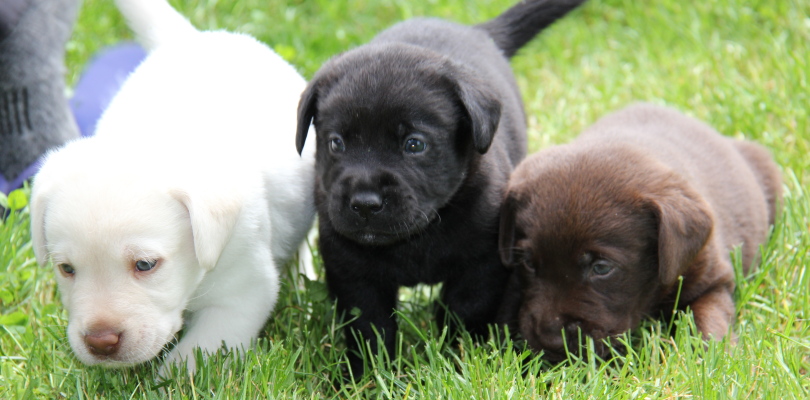
We have lab puppies for sale. They have been raised in our home with our children, and are very well socialized. They have been vet checked and come with 1 year health guarantee and CKC registration. For more details, please visit our website.

No paid content found
Visit website
Profile views 0 Outbound visits 0 Normal
English Lab puppies and American Labrador retriever puppies Full homepage screenshot

At a glance

Category
Pets & Animals
Language
English
Paid-content signal
No paid content foundObserved
Registered
2010
Hosting
udonstar.comInferred
HTTPS certificate trusted
PassedObserved
Last updated

Website review

This review may include AI-generated content and is not individually verified. Domain, certificate and other facts come from the observed data on this page.

What is Udonstar Labradors?

Udonstar Labradors is a small family kennel in Alberta, Canada, that breeds purebred, CKC-registered Labrador Retrievers. According to its site, it raises both English Lab puppies and American-style Labrador puppies, with dogs drawn from show and field trial lines. The kennel says its breeding dogs are health tested for common genetic disorders, and that puppies are raised in the home, handled daily, socialized with people and other animals, vet checked, and placed with a one-year health guarantee and CKC registration.

Who it suits

  • Families wanting a well-socialized puppy from a home-raised setting.
  • Buyers interested in either the stockier English type or the more athletic American type.
  • Hunters or competitors looking for field- or show-line genetics.
  • People willing to join a waiting list rather than buy immediately.

What to weigh

The site presents the dogs as versatile: family pets, hunting companions, and competition dogs. That breadth is plausible for Labradors, but it also means you should ask which line a given litter comes from, since English and American types can differ in build, energy, and drive. The kennel's move to a 90-acre farm near Carbon, Alberta, about an hour east of the Calgary airport, supports its claim of space for active dogs, though it also means most buyers will need to arrange transport or a long drive.

As a next step, decide whether you want an English or American Labrador, then ask the kennel which upcoming litters match that preference and what health clearances the specific parents have. If you are comparing kennels, the CKC's breeder referral at Canadian Kennel Club and the Labrador Retriever Club of Canada at Labrador Retriever Club of Canada can help you check breed-club expectations before committing to a waiting list.

What is the difference between English Lab puppies and American Labrador puppies?

English and American Labrador puppies are the same breed, Labrador Retriever, but they are bred toward different builds and working styles. English (show-line) Labs are usually stockier and calmer; American (field-line) Labs are typically leaner, taller and higher-energy. The split is about breeding focus, not separate breeds or guaranteed personality.

Quick comparison

Trait English Lab American Lab
Build Heavier, broader head, thicker coat Leaner, longer legs, athletic
Energy Moderate; settles more easily High; needs a real job or long daily exercise
Typical role Family pet, show, therapy work Field trials, hunting, dog sports
Training style Responds to calm, consistent routines Needs engaging, varied work to stay focused
Best home First-time owners, quieter households Active owners with time for running, swimming or hunting

What this means in practice

Udonstar Labradors raises both English Lab puppies and American-style Labrador puppies from show and field trial lines, and describes its dogs as suited to family pets, hunting companions and competition dogs. That mix matters if you want to choose a puppy by temperament rather than colour alone. The site also notes yellow, black and chocolate Lab puppies, and says its dogs are health tested for common genetic disorders and CKC registered.

If you have children and a moderate exercise routine, an English Lab is often the easier fit. If you run, hike, hunt or want a dog for field sports, an American Lab may match your lifestyle better. Either way, ask the breeder which litter or line a specific puppy comes from, because individual temperament varies more than the label suggests.

Next step

Before applying, decide how much daily exercise you can honestly provide, then ask Udonstar which of its current or upcoming litters is English versus American style. Compare that with other CKC breeders through Canadian Kennel Club so you can see health clearances and pedigree information in context.

How do I get on the waiting list for a puppy?

Apply through the waiting list form on Udonstar Labradors. The site's own wording is that if you are interested in a future puppy, you fill out the Application form, so the form — not a phone call or email — is the stated first step.

What to have ready before you apply

Udonstar describes itself as a small family kennel on a 90-acre farm near Carbon, Alberta, about an hour east of the Calgary airport, raising English and American style Labs from show and field trial lines, with health testing and CKC registration. Expect the application to ask about the things that determine whether a puppy fits your household:

  • Your colour and style preference — yellow, black or chocolate; English or American type.
  • Whether the dog is for family pet, hunting companion or competition work.
  • Your home, yard and daily exercise routine, since the site stresses that Labs are large working dogs needing space and time to stay active.
  • Household members and other pets, given the emphasis on socialization with children and animals.
  • Timing: a litter may be months out, so note when you could take a puppy home.

What happens after you apply

A waiting list means you are queued for a future litter rather than choosing from puppies available today. Ask when you submit the form: where you sit in the queue, which upcoming litters you would be considered for, how deposits work, and whether you can visit the farm or see the dam and sire. Puppy pictures and colour pages on the site are useful for narrowing preferences, but they are not a reservation.

A practical next step

Fill in the application, then send one short follow-up asking for a realistic timeline and the current queue position. If you need a puppy within a few weeks, a waiting list is the wrong route — look instead at breed club referral lists or rescue organizations, and compare what health testing and registration paperwork each breeder actually provides.

What health testing and genetic guarantees do the puppies come with?

Udonstar Labradors states that its breeding dogs are health tested for all common genetic disorders, and that puppies come with a one-year health guarantee and CKC registration. The site also says puppies are vet checked before going home. Those are the concrete commitments described on the page; the specific tests performed on the parents, and the exact terms of the guarantee, are not spelled out in the material provided.

What the site commits to

Item What is stated
Parent health testing All Labrador retrievers are health tested for all common genetic disorders
Puppy vet check Puppies are vet checked
Health guarantee One year
Registration CKC (Canadian Kennel Club) registered

What a buyer should confirm before placing a deposit

A one-year guarantee is fairly typical for a small kennel, but the value of any guarantee depends on its terms. Ask for the written contract and check:

  • Which tests, and with what results. "All common genetic disorders" is a broad phrase. For Labradors, buyers commonly want to see hip and elbow evaluations (OFA or PennHIP), eye certification, and DNA tests for conditions such as PRA, EIC and CNM. Ask for the registered names or kennel-club numbers of the sire and dam so you can verify results in the OFA or CHIC databases yourself.
  • What the guarantee actually covers. Does it cover only a fatal diagnosis, or also crippling but non-fatal conditions like hip dysplasia? Is there a time limit within which a diagnosis must be made?
  • What the remedy is. Replacement puppy, partial refund, or reimbursement of veterinary costs — and whether you must return the dog.
  • What voids it. Many contracts require proof of spaying/neutering, certain vaccines, or feeding a specified diet.
  • CKC registration paperwork. Confirm whether you receive full registration or a limited (non-breeding) registration, and when papers are transferred.

A practical scenario

If you are a family in Alberta looking for a pet, the health guarantee matters most if something goes wrong in the first year — a diagnosis of hip dysplasia at 18 months, for example, may fall outside a one-year window. Ask the breeder directly: "If my puppy is diagnosed with hip dysplasia at two years old, what does the guarantee do for me?" The answer tells you more than the guarantee's length.

For independent background on inherited conditions and what testing is recommended for the breed, see the Orthopedic Foundation for Animals and the Canadian Kennel Club. The Labrador Retriever Club of Canada or your national breed club can also point you to breed-specific health recommendations.

Your next step: request the written health guarantee and the parents' test results in writing before committing. A breeder who has done the testing will usually share documentation without hesitation.

What are the differences between yellow, black, and chocolate Labrador puppies?

The main differences are coat colour genetics and appearance; temperament, health and care needs are essentially the same across all three. The Udonstar Labradors site notes that Labs come in yellow, black and chocolate, and that it raises both English and American style puppies.

What actually differs

Trait Yellow Black Chocolate
Colour genetics Recessive; both parents must carry it Dominant; most common Recessive, like yellow
Nose and eye rims Black or liver (dudley) Black Liver (brown)
Pigment strength Can vary; lighter noses occur Usually strongest, most uniform Liver; sometimes lighter
Show-ring perception Common in both show and field lines Common in both Historically less favoured in some show lines
Practical effect None on health or trainability None None

Colour is cosmetic. A yellow, black or chocolate Lab from the same litter can be equally biddable, energetic and family-friendly. The site describes Labs generally as loyal, patient with children, highly intelligent and suited to work as service dogs, and stresses that they are large, high-energy working dogs needing space and daily exercise.

Where colour does matter

  • Buyer preference and waiting lists. Popular colours can mean longer waits or higher asking prices from some breeders, even though the dog is the same.
  • Visible dirt and shedding. Yellow coats hide light dust and show dark mud; black coats show light hair and dander on furniture; chocolate falls in between.
  • Sun and heat. Dark coats absorb more heat, which is worth noting for an active Lab in a hot climate.
  • Pigment-related quirks. A yellow Lab with a pinkish nose and light eye rims (often called "dudley") is healthy but may be marked down in conformation showing.

A practical next step

If you are choosing a puppy, decide on English versus American type and on the individual puppy's energy and structure before you decide on colour. Ask the breeder which colours the litter's parents carry, since yellow and chocolate puppies only appear when both parents carry the recessive gene.

For broader breed background and health testing standards, see Canadian Kennel Club and The Labrador Retriever Club.

Where is Udonstar Labradors located and can I visit the puppies?

Udonstar Labradors is based on a 90-acre farm near Carbon, Alberta — roughly an hour east of the Calgary airport. The kennel began near Qualicum Beach on Vancouver Island before relocating to the larger Alberta property.

On visiting: the site does not state a walk-in policy, visiting hours or an open-farm arrangement. What it does describe is a small family kennel where the puppies are handled daily from birth and socialized with people and other animals. The only stated route to a puppy is the Waiting List Application form, so visiting is best treated as something to arrange directly rather than something to assume.

What to do next

  • Submit the Waiting List Application and, in the same message, ask whether visits are possible, at what age puppies can be seen, and what biosecurity rules apply.
  • Expect a litter-based timeline rather than an off-the-shelf purchase: puppies are placed through the waiting list, so you may be reserving a future puppy rather than choosing one today.
  • If you are travelling, Carbon is a rural location about an hour from the Calgary airport, so plan a day trip or an overnight stay rather than a quick stop.

Questions worth asking before you commit

Topic Why it matters
Visit policy and timing Many breeders limit visitors until puppies have their first vaccinations; knowing the window prevents a wasted trip
Health testing documentation The site says dogs are tested for common genetic disorders — ask for the actual results, not just the claim
CKC registration papers Confirm what is provided and when
English vs. American lines The kennel raises both; the difference in build and energy affects which suits your household
Wait time and deposit terms Clarifies how far ahead you are planning and what is refundable

For general context on the breed before you apply, the Canadian Kennel Club Canadian Kennel Club publishes breed standards and breeder resources, and the Labrador Retriever Club of Canada Labrador Retriever Club of Canada covers health and club-affiliated breeders.
Related questions

More questions →
How to Find Reputable Labrador Breeders Near Me

To find a reputable Labrador breeder near you, start with breed-club and kennel-club directories rather than search-ad rankings, then verify health testing, registration, and living conditions before you pay a deposit. This guide applies if you want a CKC-registered Labrador Retriever puppy from a breeder you can visit or video-tour, and it assumes you're willing to wait on a waiting list rather than buy the first available puppy. Udonstar Labradors, a small family kennel near Carbon, Alberta, is used below as a concrete example of what a verifiable breeder looks like.

Step 1: Build a local candidate list

Don't rely on the first "breeders near me" ads. Ads reward marketing spend, not breeding quality. Instead:

  • Breed club directories — the national Labrador Retriever club and its regional branches list member breeders, who must usually agree to a code of ethics.
  • Kennel club listings — the Canadian Kennel Club (CKC) and similar bodies publish breeder and litter registrations; a breeder who registers litters will appear in these records.
  • Local breed clubs and dog shows — breeders who exhibit dogs are often the ones doing health testing and preserving breed type.
  • Vet and trainer referrals — a vet who sees many Labs can name breeders whose puppies stay healthy.

Udonstar is a working example of the kind of listing you're looking for: a small family kennel that states it is CKC-registered, health-tests its dogs, and gives a physical location (a 90-acre farm near Carbon, Alberta, about an hour east of the Calgary airport). A real address you can map is a baseline signal; a breeder who only gives a city name or a PO box is not.

Step 2: Verify registration and health testing

Registration and health testing are the two claims that separate a breeder from a puppy seller. Ask for documents, not assurances.

What to check What "good" looks like Why it matters
Registration CKC (or equivalent) registration for the litter and both parents Confirms the dogs are purebred Labrador Retrievers and traceable
Genetic health testing Parents tested for common Labrador genetic disorders Reduces risk of inherited disease
Hip and elbow screening Documented scores from an official screening scheme Labs are prone to joint problems; unscreened parents are a gamble
Health guarantee Written guarantee with a stated term Gives you recourse if a hereditary problem appears

Udonstar states that all its Labrador Retrievers are health tested for all common genetic disorders and that puppies come with a one-year health guarantee and CKC registration. That combination — registration plus testing plus a written guarantee — is the standard to hold every breeder to. If a breeder says testing is "not necessary" or "too expensive," treat that as a reason to keep looking.

Step 3: Ask about the puppies' early environment

Socialization in the first weeks shapes the adult dog. Udonstar describes raising puppies in its home, handling them daily from birth, and socializing them with people and other animals — the kind of routine that produces a confident family dog.

Ask any breeder:

  • Where are the puppies raised — in the house, a kennel building, or outdoors?
  • How often are they handled by people, and by children?
  • What have they been exposed to (household sounds, other animals, car rides)?
  • What food and veterinary care have they received before pickup?

Vague answers, or puppies kept in a separate facility you're never shown, are warning signs.

Step 4: Visit or video-tour before committing

Seeing the dogs is the single most useful check you can make.

  1. Request a visit or live video call. A breeder with nothing to hide will show you the puppies, the mother, and the living areas.
  2. Meet the mother. Her temperament and condition tell you more about the puppies than any photo. The father may be elsewhere, but you should still see his records.
  3. Look at the environment. Clean, spacious, and calm is the goal. Udonstar, for example, raises puppies on a large acreage in what it describes as a loving and clean environment.
  4. Watch the puppies move. Observe energy, curiosity, and how they respond to people.

A breeder who refuses any form of visit or video tour, or who insists on meeting in a parking lot, is a red flag regardless of how good the website looks.

Step 5: Compare price, waiting list, and contract

Price varies by region, bloodline, and colour, so ask directly rather than assuming. What you can compare consistently:

  • Waiting list process — Udonstar asks interested buyers to fill out an application form for a future puppy. A structured application and waiting list is normal for a serious breeder; instant "puppies available now, pay today" is not.
  • Deposit terms — how much, refundable or not, and what happens if the litter is smaller than expected.
  • Contract clauses — health guarantee length, return-or-rehome requirements, spay/neuter expectations, and registration paperwork.
  • What's included — vaccination and deworming records, microchip, starter food, and a vet check.

Get all of this in writing before paying anything.

Warning signs of a puppy mill or bad breeder

  • Sells many breeds, not just Labs, and always has puppies "ready now."
  • Won't let you visit, video-call, or meet the mother.
  • No health testing documents, or only verbal claims.
  • Puppies sold through a third party, broker, or pet store.
  • Pressure to pay a deposit immediately, or payment only by untraceable methods.
  • No written contract or health guarantee.

Quick decision checklist

Before you commit to a breeder near you, confirm all of these:

  • [ ] Found through a breed club, kennel club, or trusted referral — not just an ad
  • [ ] CKC (or equivalent) registration for the litter
  • [ ] Documented genetic, hip, and elbow testing on the parents
  • [ ] Written health guarantee and contract
  • [ ] Puppies raised and socialized in a home environment
  • [ ] You can visit or video-tour and meet the mother
  • [ ] Clear waiting-list process and deposit terms

If a breeder meets these conditions, distance becomes a secondary concern — many buyers travel several hours, as Udonstar's location an hour east of the Calgary airport illustrates, to get a puppy from a kennel they trust.

Labrador Retriever: Breed Traits, Care Needs, and Health Considerations

The Labrador Retriever is a medium-to-large sporting breed known for a friendly, eager-to-please temperament, a short double coat in black, yellow, or chocolate, and high exercise needs. It suits active households, families with children, and first-time owners who can commit to daily activity and consistent training — but it is a poor fit for people who want a low-energy or low-shedding dog. The notes below cover what the breed is like to live with, how English and American types differ, and what to ask a breeder before buying.

Key breed characteristics

Size and appearance

Labs are sturdy, athletic dogs with a broad head, deep chest, and a thick, weather-resistant double coat. Adults are typically described as medium-to-large, with males generally larger and heavier than females. The coat is short and dense with a soft undercoat, and it sheds year-round, with heavier seasonal shedding.

Three coat colors are recognized:

Color Notes
Black Solid black; historically common in field lines
Yellow Ranges from light cream to fox-red
Chocolate Solid brown, including shades from light to dark

Color is cosmetic and does not reliably predict temperament, trainability, or health. A common misconception is that "English" or "show" Labs are always calmer and "American" or "field" Labs are always higher-drive — the split is a tendency, not a rule, and individual lines vary widely.

English vs. American type

"English" (show/bench) and "American" (field) are informal labels, not separate breeds or AKC varieties.

  • English/show type: typically stockier, with a broader head, heavier bone, and a shorter muzzle. Often described as calmer and lower-drive, though this depends on the individual line.
  • American/field type: typically leaner and longer-legged, bred for retrieving work. Often higher-energy and more intense, which can make them a better fit for hunting or dog sports and a harder fit for casual pet homes.

If temperament matters more than appearance, evaluate the individual dog and its parents rather than the label.

Temperament and household fit

Labs are generally outgoing, biddable, and food-motivated, which is why they are common as family pets, service dogs, and search-and-rescue dogs. They tend to be good with children and often tolerate other dogs well, especially when socialized early.

Points to weigh before choosing the breed:

  • They are people-oriented. Labs often do poorly when left alone for long stretches and can develop destructive habits from boredom.
  • They stay "puppyish" for a while. Many Labs remain high-energy and mouthy well past one year, so plan for a long adolescent phase.
  • They are strong. An untrained adult Lab can be difficult to walk, especially for a smaller or less experienced owner.
  • They shed and they chew. Expect hair on furniture and a need for durable toys and chews.

First-time owners can do well with a Lab if they commit to training and exercise; the breed is forgiving but not low-maintenance.

Exercise, training, and grooming

Exercise

Labs were bred to work alongside hunters, so they need real daily activity — not just a short walk. A reasonable baseline is roughly an hour or more of vigorous exercise per day, split across walks, fetch, swimming, or structured play. Without an outlet, expect chewing, barking, digging, or escaping.

Training

Start obedience and socialization early. Labs respond well to positive reinforcement, short sessions, and consistency. Because they are food-motivated, training treats work well — but watch calorie intake, since the breed is prone to overeating and weight gain. Crate training and leash manners are worth prioritizing in the first months.

Grooming

  • Brush at least weekly, and more often during shedding season.
  • Bathe as needed; over-bathing can dry the coat.
  • Check and clean ears regularly, especially after swimming, since floppy ears trap moisture.
  • Trim nails and check teeth as part of routine care.

Common health issues

Labs are generally hardy, but the breed has known inherited conditions. Reputable breeders screen for these, and buyers should ask for documentation.

  • Hip and elbow dysplasia — joint conditions screened by OFA or PennHIP evaluations.
  • Exercise-induced collapse (EIC) — a genetic condition triggered by intense activity; DNA testing is available.
  • Centronuclear myopathy (CNM) — a genetic muscle disorder; DNA testing is available.
  • Progressive retinal atrophy (PRA) — an inherited eye condition; eye exams and DNA tests apply.
  • Obesity — very common and a major contributor to joint problems; manage portions and treats.
  • Ear infections — more likely in dogs that swim frequently.

Ask the breeder for health clearances on both parents, not just the puppies.

Choosing a breeder vs. a puppy mill

A responsible breeder and a puppy mill can look similar online, so use concrete signals.

Signs of a responsible breeder:

  • Willing to show health clearances (hips, elbows, eyes, and relevant DNA tests) for the sire and dam.
  • Lets you meet the dam and see where the puppies are raised.
  • Asks you questions about your home, activity level, and experience.
  • Provides a written contract covering health guarantees and return policies.
  • Keeps puppies until an appropriate age and sends them home with vaccination and deworming records.
  • Is transparent about price and does not pressure you to buy immediately.

Warning signs:

  • Multiple litters always available, or puppies sold through third parties with no access to the parents.
  • No health testing or vague answers about it.
  • Puppies available for pickup before they are old enough to leave the dam.
  • Pressure to pay a deposit before you see the dog or the facility.
  • No contract, or a contract with no health provisions.

If you are considering a specific breeder, such as Van Dalen Labradors in Georgia, verify the same items: health clearances, contract terms, and whether you can visit. The breed's popularity makes it a frequent target for high-volume breeding, so the paperwork matters as much as the puppy.

Quick decision checklist

Choose a Labrador Retriever if you can provide:

  • At least an hour of vigorous daily exercise.
  • Time for training and socialization, especially in the first two years.
  • Tolerance for shedding and chewing.
  • A home where the dog is not alone for long periods.
  • Budget for routine vet care, possible genetic screening, and food for a large dog.

Consider a different breed if you want a low-energy, low-shedding, or highly independent dog.

English Lab Puppies vs American Labrador Puppies: What's the Difference?

English and American Labrador puppies come from the same breed but are typically bred for different purposes, which shapes how they look and act. English (show-type) Labs tend to be stockier with broader heads and calmer temperaments, while American (field-type) Labs tend to be taller, leaner, and higher-energy. The right choice depends on your home, activity level, and whether you want a laid-back family companion or an athletic working partner. Udonstar Labradors, a small family kennel near Carbon, Alberta, raises both English Lab puppies and American-style Labrador puppies, so its breeding approach is a useful reference point for what to look for.

Appearance: build and head shape

The most visible difference is body structure.

Trait English (show-type) American (field-type)
Build Stockier, heavier bone Taller, leaner, more athletic
Head Broader, blockier muzzle Narrower, longer muzzle
Overall look Bred toward breed-standard conformation Bred toward working ability in the field

These are tendencies, not strict rules. Individual dogs vary, and a breeder's specific lines matter more than the label alone.

Temperament and energy

English Labs are often described as calmer and more laid-back, which can suit families who want a steady companion. American field lines are usually bred for stamina and drive, so they tend to need more exercise and mental stimulation.

Udonstar notes that Labradors generally are "large working dogs with all the energy of a breed created to spend long hours running in the field," and that owners should "ensure they have adequate space and time to keep these dogs active." That caution applies to both types, but it matters most for field-line dogs.

Which type fits which home

  • Families with young children: The source describes Labs as "patient with tiny humans" and well-suited to families. A calmer English-type puppy may be easier to manage in a busy household.
  • Active owners, runners, hikers: Either type can work, but an American field-line Lab is more likely to match a high-energy lifestyle.
  • Hunting or competition homes: Field lines are typically bred for this work. Udonstar states it strives to raise puppies that become "exceptional family pets, hunting companions, and competition dogs."
  • First-time owners: A calmer temperament can be an advantage, but both types need consistent training and daily exercise.

What to look for in a breeder

Whether you choose English or American lines, the breeder's practices matter as much as the type.

  • Health testing: Udonstar says all its Labrador retrievers are "health tested for ALL common genetic disorders." Ask any breeder which tests were done and for the results.
  • Registration: Udonstar breeds "Purebred CKC Registered Labrador Retriever Puppies." Confirm registration paperwork before committing.
  • Socialization: Udonstar raises puppies in a home environment, handles them daily from birth, and socializes them with people and other animals. Ask how and where puppies are raised.
  • Health guarantee: Udonstar's puppies come with a 1-year health guarantee and are vet checked. Ask what a guarantee actually covers.

Questions to ask a breeder

  1. Is this puppy from show lines, field lines, or a mix?
  2. What health tests were done on the parents, and can I see results?
  3. How are the puppies socialized before they come home?
  4. Can I meet the dam (and sire, if available)?
  5. What is the expected adult size and energy level for this litter?

Making the decision

If you want a calmer, stockier companion for a family home, English-type lines are usually the better fit. If you want a leaner, higher-drive dog for hunting, dog sports, or an active lifestyle, American field lines are typically the match. In both cases, prioritize a breeder who health tests, registers their dogs, and socializes puppies properly — those factors shape your experience more than the English-versus-American label alone.

How to Choose a Chocolate Labrador Puppy: Breeder, Health, and Price Checklist

A chocolate Labrador puppy is the same breed as a yellow or black Lab — the difference is coat colour, not temperament or health profile. What actually determines whether you get a healthy, well-adjusted dog is the breeder: health testing of the parents, CKC registration, socialization from birth, and a written health guarantee. Use the checklist below to evaluate any breeder before you put down a deposit.

Chocolate Labs: What the Colour Does and Doesn't Tell You

Labs come in three recognized colours: yellow, black, and chocolate. Chocolate is a recessive trait, which means both parents must carry the gene for a puppy to be chocolate. That's a genetics fact, not a quality signal — a chocolate puppy is not rarer in a way that justifies a premium on its own, and it is not inherently less healthy than a black or yellow littermate.

What does vary is the "style" of Lab, and this matters more than colour:

  • English (show) Lab — stockier build, broader head, shorter muzzle, often calmer and lower-energy.
  • American (field) Lab — leaner, taller, higher drive, often bred for hunting or field trials.

A breeder like Udonstar Labradors raises both English and American style Labs, so if you have a preference, ask which lines the litter comes from. For a family pet in a typical home, either can work; for an active hunting or competition home, field lines are usually the better fit.

How to Identify a Reputable Chocolate Lab Breeder

Run every breeder through these checks. A good breeder will answer all of them without hesitation and in writing.

Health testing of the parents

Ask for proof that both the sire and dam have been tested for common Labrador genetic disorders. Udonstar states that all of its Labradors are health tested for all common genetic disorders — ask to see the actual certificates, not just a verbal claim. Health testing is done on the parents, not the puppy, so this is your main tool for predicting the puppy's risk.

Registration

Purebred Labs should come with CKC (Canadian Kennel Club) registration. Udonstar describes its puppies as Purebred CKC Registered. Confirm that the registration papers are for the puppy you're buying and that the breeder will transfer them to you.

Socialization and rearing environment

This is where puppy temperament is shaped. Udonstar raises its puppies in a home environment, handles them daily from birth, and socializes them with people and other animals on a 90-acre farm near Carbon, Alberta — about an hour east of the Calgary airport. Look for a breeder who can describe specific socialization practices (handling, exposure to sounds, children, other pets) rather than vague claims.

Health guarantee and contract

Udonstar offers a 1-year health guarantee with its puppies. Read the terms before signing: what conditions are covered, what the remedy is (replacement, refund, or vet cost coverage), and what you must do to keep the guarantee valid (typically a vet visit within a set number of days).

Questions to ask any breeder

  • Can I see the health test results for both parents?
  • Are the puppies CKC registered, and will I receive the papers?
  • What does the health guarantee cover, and for how long?
  • Can I meet the dam (and sire, if on site)?
  • How have the puppies been socialized so far?
  • What food, worming, and vaccination schedule are they on?

What Affects the Price of a Chocolate Lab Puppy

The source material for this listing does not publish prices, so treat any figure you see elsewhere as breeder- and region-specific. In general, price is driven by:

Factor Effect on price
Health-tested parents Higher — testing costs money and signals quality
CKC registration Higher — paperwork and pedigree verification
Show or field trial bloodlines Higher — proven lineage
Breeder reputation and demand Higher — waiting lists push prices up
Colour alone Should not be a major factor

If a breeder charges significantly more only because the puppy is chocolate, ask why. Colour is not a health or quality guarantee.

The Waiting List Process

Udonstar operates a waiting list: if you're interested in a future puppy, you fill out an application form. Expect a similar process with most reputable breeders — good ones often have litters spoken for before they're born. Applying early gives you a better chance of getting a puppy from the colour and line you want.

Bringing Your Chocolate Lab Puppy Home

Once you've chosen a breeder and reserved a puppy, plan for the first weeks:

  1. Vet visit within days of pickup — confirm the puppy's health and start the vaccination schedule your breeder provided.
  2. Continue the food and routine the breeder used, then transition gradually if you switch.
  3. Start socialization immediately — expose the puppy to new people, sounds, surfaces, and gentle handling, while keeping it away from unvaccinated dogs until your vet clears it.
  4. Begin basic training early — Labs have above-average intelligence and learn quickly; short, positive sessions work best.
  5. Plan for exercise and space — Labs are large working dogs bred to run for hours. Udonstar notes owners must have adequate space and time to keep them active. A bored Lab becomes a destructive Lab.

A Realistic Fit Check

Labs are patient with children, generally get along with other pets, and are the dominant service-dog breed for the blind. They will alert you to strangers but are not guard dogs. If you want a calm, low-energy lap dog, a Lab — chocolate or otherwise — is the wrong breed. If you want a loyal, energetic family dog and can meet its exercise and space needs, a well-bred chocolate Lab from a health-tested, CKC-registered litter is a sound choice.

How to Evaluate a Labrador Breeder: Health Testing, Registration, and Red Flags

A reputable Labrador breeder can document three things before you pay a deposit: registration papers for both parents, health test results for the genetic conditions common in the breed, and a written health guarantee you can read in advance. If any of those are missing or vague, treat it as a reason to keep looking. The checklist below is built for buyers comparing breeders in person or online, including those searching for Lab puppies in Alberta or elsewhere.

Start with registration and pedigree

Ask which registry the litter is registered with and request the registered names or numbers of both the dam (mother) and sire (father). A breeder of purebred CKC Registered Labrador Retriever Puppies, for example, should be able to show CKC registration for the parents and explain how the puppies will be registered.

What to verify:

  • Both parents are registered, not just the puppies. A litter registration alone tells you less than the parents' records.
  • The pedigree is available on request. You don't need to interpret it, but a breeder who has it will share it.
  • The registry name matches what appears on any health certificates, so you can cross-check the same dog.

If a breeder says papers are "coming later" or avoids naming the registry, that's a gap, not a detail.

Ask for health testing on the parents

Labradors have well-known inherited conditions, and responsible breeders test for them rather than hoping for the best. Udonstar Labradors, for instance, states that all their Labrador retrievers are health tested for all common genetic disorders. Use that as the standard to hold any breeder to, and ask for the actual results.

Area What to ask for Why it matters
Hips and elbows OFA or equivalent evaluation scores Hip and elbow dysplasia affect mobility and can require surgery
Eyes Current eye clearance from a veterinary ophthalmologist Inherited eye disease can progress over a dog's life
EIC and CNM DNA test results Exercise-induced collapse and centronuclear myopathy are inherited in Labs
PRA DNA test results Progressive retinal atrophy leads to vision loss

Request the certificates or database listings, not a verbal "he's clear." A breeder who tests will usually volunteer this information before you ask.

Look at how the puppies are raised

Environment shapes temperament as much as genetics does. Ask specific questions rather than general ones:

  • Where are the puppies kept, and are they handled daily from birth?
  • Are they raised inside a home with children and other animals, or in a kennel building only?
  • What socialization happens between birth and pickup, and what will they have been exposed to?
  • Can you meet the dam, and see where the puppies live?

Udonstar describes raising puppies on a large acreage in a clean environment, handling them daily from birth, and socializing them with people and other animals. Those are concrete claims you can ask any breeder to match. Meeting the mother is especially useful: temperament is partly inherited, and the dam's condition tells you how the adults are kept.

Get the health guarantee in writing

A health guarantee should state what it covers, for how long, and what happens if a covered condition appears. Udonstar's puppies come with a 1 year health guarantee, which gives you a benchmark for comparison. Before committing, confirm:

  • Duration — how many months or years the guarantee runs.
  • Covered conditions — genetic only, or also congenital issues found at the first vet visit?
  • Your obligations — most guarantees require a vet check within a set number of days and may require you not to spay or neuter before a certain age.
  • Remedy — replacement puppy, refund, or reimbursement of vet costs.

Read it before you pay, not at pickup.

Red flags worth walking away from

  • No health testing on either parent, or results that can't be produced.
  • No registration papers for the parents, or refusal to name the registry.
  • Multiple litters always available at once, which is hard to do well in a home setting.
  • Refusal to let you visit, or to do a video call if distance makes visiting impractical.
  • Unusually low prices compared with other breeders of the same breed and registry.
  • Pressure to pay a deposit before you've seen any documentation.

Visiting or vetting from a distance

If you can visit, ask to see the dam, the puppies' living area, and the adults' condition. If you can't travel, request a live video call rather than only photos — photos are easy to reuse, and a call lets you see the setup and ask questions in real time. Udonstar, for example, is located about an hour east of the Calgary airport, so out-of-province buyers would reasonably ask for a call before committing.

A quick decision checklist

Before you put down a deposit, you should be able to answer yes to all of these:

  1. Both parents are registered, and I know which registry.
  2. I've seen health test results for hips, elbows, eyes, EIC, CNM, and PRA.
  3. I know where and how the puppies are raised, and whether they're handled daily.
  4. I've read the health guarantee and understand what it covers.
  5. I've met the dam, or seen her on a live call.
  6. Nothing on the red-flag list applies.

If you can't answer yes to the first four, ask for the missing information before deciding. A breeder who has it will share it without hesitation.

Website Overview

Identifiable technologies and additional version or configuration signals make the service easier to fingerprint, which may help targeted scanners narrow their checks. An established domain and managed infrastructure suggest continuity of operations and may support dependable delivery, although neither guarantees service quality.

Domain and Registration

Registered in 2010, this domain has about 15 years of history. That suggests continuity, although ownership and purpose may have changed. Transfer-protection status is present, helping reduce the risk of unauthorized domain transfers. The domain uses the common .com extension, which is not an independent safety signal.

DNS and Email

The observed email authentication setup is incomplete: DMARC is missing. Nameservers are provided by hostgator.com, indicating managed DNS hosting. MX records point to the udonstar.com email service. DNSSEC signatures were not detected, so this additional DNS authenticity protection is not confirmed. The lowest observed DNS TTL is 14400 seconds.

TLS and Certificates

The certificate uses an RSA 2048-bit public key, offering broad client compatibility. The server supplied a complete certificate chain. No organization name is present in the certificate; the available fields are consistent with domain validation. The certificate was issued by Let's Encrypt, commonly associated with automated certificate services. The certificate's total validity is about 89 days, consistent with a short renewal cycle.

HTTP and Browser Security

The Server header exposes the software version: nginx/1.29.8. This makes version-targeted checks easier, but is not proof of an exploitable vulnerability. The checked browser-security headers were not detected, leaving fewer explicit browser-side safeguards. No X-Powered-By header was found, reducing one common source of backend fingerprinting information. No obvious internal addresses or debug information were found in the headers. No explicit CDN or WAF marker was found in the response headers.

Technology Stack Analysis

The public page identifies Google Analytics, nginx 1.29.8, with exact versions exposed for 1 technologies. These details can narrow vulnerability checks, although exposure alone is not a vulnerability.

Search and Social Sharing

The meta description has 245 characters and may be shortened in search results. No homepage canonical URL was detected. If duplicate URLs exist, consolidation may be less explicit. Open Graph is partially configured; og:description is missing. The title has 59 characters, within a common display range. The observed directives allow indexing and link following.

Hosting and Email

DNShostgator.com
Hostingudonstar.com
Emailudonstar.com
Approximate IP geolocation (inferred; a CDN or proxy may differ from the origin server) United States flagPhoenix, Arizona, United States Inferred 192.254.236.93

Registration details

RDAP / WHOIS

RegistrareNom, LLC
Registered2010-12-24
Expires2026-12-24
Domain statusclient transfer prohibited
Nameserversns565.hostgator.com、ns566.hostgator.com
DNSSECunsigned

DNS records

DNS

TypeNameValueTTLPriority
Audonstar.com192.254.236.9314400—
MXudonstar.commail.udonstar.com144000
NSudonstar.comns6561.hostgator.com86400—
NSudonstar.comns6562.hostgator.com86400—
TXTudonstar.comv=spf1 a mx include:websitewelcome.com ~all14400—
CNAMEwww.udonstar.comudonstar.com14400—

TLS and certificates

TLS / SSL

AssessmentNormal configuration
Supported protocolsTLSv1.2、TLSv1.3
Negotiated protocolTLSv1.3
Certificate subjectwww.fundsolar.falconhunter.com
IssuerLet's Encrypt
Valid until2026-11-20T13:42 · Remaining when checked: 37 days
Verification detailsCertificate trust: Passed · Hostname match: Passed

HTTP response headers

HTTP

HeaderValue
content-typetext/html
servernginx/1.29.8

Identified technologies

Google Analyticsnginx 1.29.8

Pages, Search and Sharing

Meta descriptionWe have lab puppies for sale. They have been raised in our home with our children, and are very well socialized. They have been vet checked and come with 1 year health guarantee and CKC registration. For more details, please visit our website.
Canonical URLNot detected
LanguageEnglish (default)
Twitter CardNot detected
All bots 0 allowed · 3 disallowed
  • Disallow/cgi-bin/
  • Disallow/pay/
  • Disallow/pages/thankyou.html

User reviews (0)

  • No reviews yet.