Website profiles · Technology insights · Alternatives

vgleadsheets.com Paid content

Categories: Games & Board Games

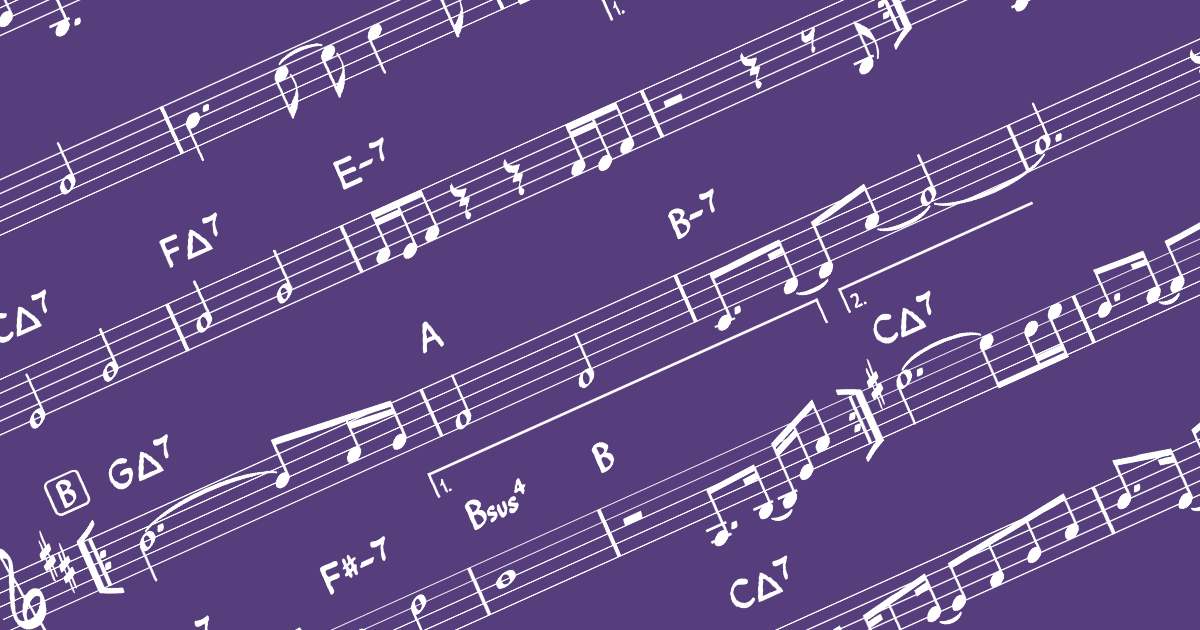
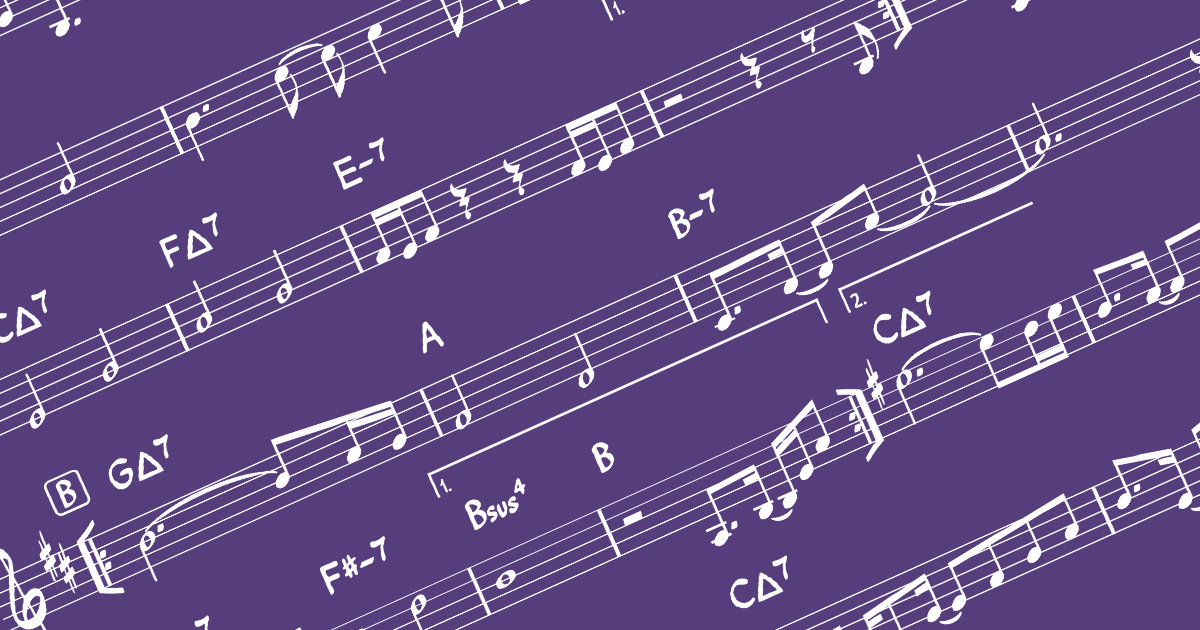
High quality lead sheets of your favorite video game music tunes ranging from Chrono Trigger to Super Mario Bros.

Visit website

Updated: 2026-09-27 04:06 Language: English (default) Access: Normal

Profile views 0 Outbound visits 0
VGLeadSheets.com Full homepage screenshot
Editorial Review

Website Review

What is VGLeadSheets.com?

VGLeadSheets.com is a free library of lead sheets for video game music. A lead sheet is a compact form of notation: the melody, chord symbols and rhythms on a single staff, rather than a full arrangement with every instrumental part written out. The site describes its sheets as a combination of transcription and reduction — accurate to the original notes, chords and rhythms, but trimmed down so a performer can read and interpret the tune without transcribing it themselves.

H3. Who it is for

The site names its intended audience broadly: performers, arrangers, composers, students, educators, hobbyists and newcomers to video game music. In practice, that means:

  • Players who want to sight-read or improvise over a familiar game theme.
  • Teachers looking for repertoire that students already recognize and enjoy.
  • Arrangers who need a reliable starting point for chords and melody rather than a finished arrangement.
  • Transcribers and analysts who want a reference to check their own ears against.

H3. What makes it distinctive

Two things stand out. First, transposition: sheets are offered for C, Bb, Eb, F, G, alto, bass and vocal instruments, so a trumpet player and a guitarist can read the same tune in their own key. Second, the "Musician Friendly" version — for songs originally written in awkward keys with many sharps or flats, an alternative is provided in a more readable key. The site also states that every sheet goes through peer review before publication and is reviewed again periodically.

H3. A practical example

Say you play alto sax and want to work on "The Town Inside Me" from Guilty Gear -STRIVE-, or a Kirby Super Star tune. You would look up the piece, choose the Eb version rather than transposing a concert-pitch sheet yourself, and use the chord symbols as a basis for improvisation. If the original is in a hostile key, check whether a Musician Friendly version exists before assuming you have to fight through six flats.

H3. How to decide whether to use it

If you want… This site suits you Consider elsewhere
Melody plus chords to interpret freely Yes —
A note-for-note full arrangement No Sites offering complete scores
Transposed parts for band instruments Yes —
Guaranteed current, complete catalogue Partly — updates are occasional Larger, more actively maintained archives

The main trade-off is coverage and cadence: the site says new content is added occasionally, with corrections made at any time, so it is a curated collection rather than an exhaustive one. Treat it as a strong first stop for the tunes it does carry, and expect to look further afield for anything missing.

A sensible next step is to open the site, pick one tune you already know well by ear, and compare the sheet against your memory — that quickly tells you whether the transcription style matches how you like to work.

What video game music is available on VGLeadSheets.com?

VGLeadSheets.com focuses on video game music from across several decades and genres, transcribed as lead sheets — melody, chords and rhythms rather than full arrangements. The catalogue is broad rather than tied to one franchise or era.

Examples named on the site include:

  • Chrono Trigger and Super Mario Bros. (mentioned as range examples)
  • Animal Crossing ("1:00 PM") and Animal Crossing: New Horizons ("Countdown – 11:30 PM")
  • Bowser's Fury ("Riding Plessie")
  • Castlevania: Symphony of the Night ("Wood Carving Partita")
  • Conker: Live & Reloaded ("Dis-moi Donc que tu es a Moi")
  • DELTARUNE ("NOW'S YOUR CHANCE TO BE A")
  • F-Zero ("Sand Ocean")
  • Famicom Grand Prix II: 3D Hot Rally ("Wind Commander")
  • Gabriel Knight: Sins of the Fathers ("Malia Gedde")
  • Genshin Impact ("Se mettre sur son trente-et-un !")
  • Guilty Gear -STRIVE- ("The Town Inside Me")
  • Hypnospace Outlaw ("Granny Cream's Hot Butter Ice Cream")
  • Ironsword: Wizards & Warriors II ("Icefire Mountain")
  • Jimmy White's Cueball ("BGM 1")
  • Kirby Super Star ("Candy Mountain")
  • Mabinogi: Fantasy Life ("With H…")

If you are looking for a specific tune, the practical next step is to browse the site's song list rather than search by series, since the selection spans Nintendo, Sega, PlayStation-era RPGs, indie games and mobile titles. Each sheet is offered in multiple instrument keys (C, Bb, Eb, F, G, alto, bass and vocal), so a piece you know in one key should still be usable if you play a transposing instrument. The site also notes that some songs have a "Musician Friendly" version when the original key is awkward — useful if you want to play along without wrestling with six sharps or flats.

How do I download and print a lead sheet from VGLeadSheets.com?

VGLeadSheets.com is built for reading and playing from the page, so the realistic workflow is: find the tune, pick the version that fits your instrument, then print or save it from your browser. The site provides transcriptions as lead sheets in C, Bb, Eb, F, G, alto, bass, and vocal versions, and some songs also have a "Musician Friendly" version when the original key is awkward.

H3 Practical steps

  1. Search or browse for the game or song title.
  2. Open the song page and choose the instrument transposition you need — for example, Bb for trumpet or tenor sax, Eb for alto sax, C for piano, flute, or guitar.
  3. Check whether a "Musician Friendly" version exists if the original key has many sharps or flats.
  4. Use your browser's print function (usually Ctrl+P or Cmd+P) and choose "Save as PDF" if you want a digital copy, or select your printer for paper.
  5. Print at 100% scale rather than "fit to page" if you want the notation at its intended size.

H3 What to expect

The sheets are transcriptions and reductions rather than full arrangements, so you get the essential melody, chords, and rhythms without every instrumental layer. That makes them useful for solo performance, jazz-style interpretation, arranging, teaching, or just learning a tune by ear and eye together. If you are a student or hobbyist, the chord symbols let you comp along even if you do not read every note.

H3 A note on versions

The available keys and the possible Musician Friendly alternative are the main decisions. If you play with others, match their transposition; if you are playing alone, pick the key you can read most comfortably. The site's own strategy guide explains its conventions in more detail.

For a concrete example: if you play alto sax and want the Animal Crossing theme, choose the Eb version, open it, and print or save it as PDF before you practice. If you are unsure which key suits your range, try the C version first to hear the melody, then switch to your instrument's transposition.

Are VGLeadSheets.com lead sheets free to use, and what are the copyright or licensing rules?

VGLeadSheets.com does not state a blanket "free to use" license, and the site's own description focuses on how the sheets are made (transcriptions/reductions, peer-reviewed, transposed for many instruments) rather than on granting reuse rights. Treat what you find there as sheet music of copyrighted video game compositions: free to view or download for personal practice does not automatically mean free to perform publicly, record, arrange, or redistribute.

What is clear from the site

  • Lead sheets are written for C, Bb, Eb, F, G, alto, bass, and vocal instruments, so the same tune is usable across common transpositions.
  • Sheets are transcriptions and reductions of the original game music, not new arrangements, and some have a "Musician Friendly" version in an easier key.
  • The site mentions a peer review process, regular review, and occasional updates and corrections.
  • There is a "Persona 5 - Price" page, which suggests at least some content is tied to a price rather than everything being unrestricted.

What is not stated

  • No explicit license terms (for example, public domain, Creative Commons, or "free for non-commercial use") appear in the supplied information.
  • No permission statement for public performance, YouTube/streaming use, commercial recording, or redistribution.
  • No statement about who owns the copyright in the transcriptions themselves, separate from the underlying game compositions.

Practical rules of thumb

Use Typical status
Private practice, study, teaching yourself Usually the safest use
School or classroom use Often acceptable, but check your institution's policy
Public performance or paid gig Needs permission from the rights holders
Recording, streaming, or uploading a performance Needs a license or platform clearance
Selling, redistributing, or reposting the sheets Almost certainly not allowed without permission
Arranging or sampling the music Needs permission from the composer/publisher

Next step

If you want to use a sheet beyond personal practice, contact the site through its contact page to ask about the specific sheet and intended use, and separately identify the game's composer and publisher for performance or recording rights. If the site cannot confirm permission, assume you need to clear it yourself. For general reference on video game music rights, the official U.S. Copyright Office site is U.S. Copyright Office.

How can I request a transcription of a video game song that isn't on VGLeadSheets.com?

VGLeadSheets.com does not publish a formal song-request form. The site directs questions, comments, and corrections to its contact page, and its stated workflow is that all sheets go through peer review before publication, with new content added occasionally. So the realistic path is to send a request through that contact channel and treat it as a suggestion rather than an order.

What to include in a request

  • The exact track title and the game it comes from, plus the platform or version if the soundtrack differs between releases.
  • A link to an official or licensed source (publisher store page, official soundtrack listing) so the transcriber can hear the version you mean.
  • The instrument or key you need: the site publishes lead sheets for C, Bb, Eb, F, G, alto, bass, and vocal instruments.
  • Whether you would accept a "Musician Friendly" version, since some songs are offered in an easier key when the original has six sharps or flats.
  • A note on what you want to do with it (perform, arrange, teach, study), which helps the transcriber judge how much detail matters.

Practical expectations

Requests are more likely to be acted on when a tune is well known, legally safe to transcribe, and useful to many players. Obscure tracks, very long pieces, or music under strict licensing may sit indefinitely. Since submissions go through peer review before appearing, even an accepted request can take a while to show up.

If you need it sooner

Consider transcribing it yourself with the site's existing sheets as a style model, or hiring a transcriber. Musicians who want game music in a lead-sheet format often start from the site's catalogue to learn its conventions, then apply the same approach to a missing track. Related communities such as MuseScore host user transcriptions you can study, and VGMdb is useful for confirming official track titles and soundtrack releases before you ask.

What does the 'Musician Friendly' version of a lead sheet mean on VGLeadSheets.com?

A "Musician Friendly" version is a playability edit: VGLeadSheets.com says it may provide one when a song is originally in a key with six sharps or flats, making the tune more accessible to perform while keeping the same music.

In practice, that usually means the sheet has been moved to a key that is easier to read — fewer accidentals, more comfortable fingerings and intonation for the intended instrument — rather than being rearranged into different music. It is still a lead sheet: melody, chords and rhythms transcribed from the game's source, not an arrangement.

This matters because the site's default goal is fidelity to the original composition. If you need to match the game's exact key (for a recording, a cover that must sit in the original pitch, or playing along with the soundtrack), the standard version is the one you want. If you are reading at sight, teaching a student, or playing a transposing instrument where six sharps or flats is a slog, the Musician Friendly version saves rehearsal time at the cost of absolute fidelity to the original key.

Quick decision guide

Your situation Better choice
Playing along with the original track Standard version
Sight-reading, teaching, casual performance Musician Friendly, when offered
Arranging or composing from the tune Standard version (or both, to compare)
Transposing instrument player wanting less pain Musician Friendly, then check the key suits your horn

Next step: open the specific song's page on VGLeadSheets.com and compare the available versions before printing — check the key signature and range first, since "easier key" for a pianist is not automatically easier for a saxophonist or vocalist. The site also notes that lead sheets come in C, Bb, Eb, F, G, alto, bass and vocal versions, so confirm both the key and the instrument transposition match your needs.

Related questions

More questions →
What Are Video Games and What Makes Them Different From Other Media?

A video game is interactive software: the experience only happens when a player provides input, and that input changes what occurs on screen. That single condition separates games from film, television, books, and music, all of which deliver a finished experience whether or not the audience does anything. If you want to understand the category, the useful move is to look at four things: the input loop, the genres, the platforms, and the people who build them.

The defining trait: player input drives the experience

In passive media, the work is complete before you arrive. A film plays the same whether you watch closely or leave the room. A game is not complete until it is played — the software holds rules and state, and your actions move that state forward.

That produces a feedback loop:

  1. Rules define what you may do (move, shoot, build, choose).
  2. Goals define what counts as success.
  3. Challenge creates resistance between you and the goal.
  4. Feedback tells you immediately whether your last action worked.

Remove the challenge and you have a toy — something to fiddle with, with no win condition. Remove the goals and you have a simulation, which models a system rather than asking you to beat it. Games sit where rules, goals, challenge, and feedback all apply at once.

The term covers many different things

"Video Games" is not one product category. It is an umbrella over genres and platforms that share almost nothing except interactivity.

Common genres

Genre Core activity Example of the appeal
Action Reflexes and timing Fast, moment-to-moment decisions
Role-playing (RPG) Character growth and story choices Long-term progression and narrative
Strategy Planning and resource management Outthinking an opponent or system
Puzzle Pattern recognition and logic Solving a contained problem
Simulation Managing a system Seeing consequences accumulate
Sports / racing Competing under physical rules Mastery of a specific skillset

Common platforms

  • Console — dedicated hardware connected to a TV.
  • PC — desktop and laptop systems, often with keyboard and mouse.
  • Mobile — phones and tablets, usually touch controls.
  • Browser — games that run inside a web page with no install.

The same genre can appear on any platform, but the controls shape the design. A strategy game built for mouse input plays differently from one built for a touchscreen.

Making a game takes several distinct roles

A finished game is usually the output of a team, and the roles map closely to other software and media work:

  • Design — defines rules, goals, balance, and pacing.
  • Art — creates characters, environments, and interface.
  • Programming — implements the systems that make the loop run.
  • Audio — music, sound effects, and voice.
  • Testing / QA — finds the cases where the loop breaks.

Small teams combine these roles; large productions separate them. This is also why game development overlaps with web development and design as a technical discipline — both are software built for an audience, and both live or die on how the interaction feels.

How to actually try games yourself

If the category is still abstract, the fastest way to make it concrete is to pick one path and start:

  1. Choose a platform you already own — a phone, a laptop, or a console.
  2. Choose one genre from the table above that matches something you already like (puzzles if you like logic, strategy if you like planning).
  3. Pick one starting title that is free or low-cost on that platform, so the commitment is small.
  4. Play for one session and watch the loop: what did you do, what happened, and did the feedback tell you whether it worked?

If step four is unclear, the game is probably not giving you enough feedback — which is itself a useful thing to notice, because it is the same failure mode that makes a website or app feel broken.

Video games are best understood not as a single medium but as a family of interactive systems. The label tells you one thing reliably: your input matters. Everything else — genre, platform, budget, team size — is a variable.

What Is Latin Jazz and How Does It Differ from Mainstream Jazz?

Latin jazz is jazz played with Afro-Caribbean rhythmic structures at its core rather than as decoration. The most audible difference from mainstream (straight-ahead) jazz is the rhythm section: Latin jazz builds on a repeating, dance-derived groove — the clavé, the tumbao, the cascara — while mainstream jazz typically rides a swinging cymbal pattern with a walking bass. If you want to hear the distinction in practice, trombonist and composer Papo Vázquez works squarely in this tradition, including Afro-Puerto Rican and Afro-Caribbean jazz, and his recordings are a practical entry point.

The core difference: rhythm is the foundation, not the flavor

In mainstream jazz, the drummer's ride cymbal and the bassist's walking line define the pulse, and soloists float over that swing feel. In Latin jazz, the groove is a fixed, repeating pattern that the whole band locks into. The rhythm doesn't just accompany the soloists — it is the form.

Dimension Mainstream / straight-ahead jazz Latin jazz
Rhythmic base Swinging ride cymbal, walking bass Clavé, tumbao, cascara, montuno patterns
Role of percussion Drum kit, occasional hand percussion Congas, timbales, bongos, güiro as core voices
Feel Swung, conversational, elastic Dance-derived, cyclical, locked
Bass Walking quarter notes Tumbao — syncopated, anticipatory
Piano Comping behind soloists Montuno vamps and repeated figures
Soloist's freedom Over the swing Over the groove, often in clave

Neither is "harder" or "better." They solve different problems: mainstream jazz prioritizes linear swing and interplay; Latin jazz prioritizes interlocking rhythm and collective groove.

Where Latin jazz comes from

Latin jazz is not one tradition but a family of them, shaped by the movement of African rhythms through the Caribbean and into the United States:

  • Afro-Cuban jazz — the best-known branch, built on son, mambo, and rumba rhythms, developed in New York and Havana.
  • Afro-Caribbean jazz — a broader category covering Cuban, Puerto Rican, Dominican, and other Caribbean roots.
  • Afro-Puerto Rican jazz — draws on bomba and plena traditions alongside jazz harmony and improvisation.

These are overlapping labels, not separate genres. A single band can move between them within one tune.

Papo Vázquez as a listening entry point

Papo Vázquez is a trombonist, composer, and arranger working in Latin jazz, Afro Puerto Rican jazz, and Afro Caribbean jazz. His site identifies him as a Grammy-nominated artist and an NEA Master Artist, and his working group is Papo Vázquez's Mighty Pirates Troubadours. Downbeat Magazine's Howard Mandel described the group as "stirring," and the site links to a Downbeat four-star review.

For someone new to the music, his catalog is useful because it sits at the intersection of the categories above — you can hear the rhythmic foundation and the jazz improvisation at the same time rather than as separate layers.

How to start listening

The site points to several ways to hear the music:

  • Streaming and digital platforms — Apple Music, iTunes, Amazon, Spotify, and Pandora are listed as available outlets.
  • Physical CDs — the site offers CD purchase for U.S. and Puerto Rico only.
  • Interviews and reviews — links include an interview on Cafe Latino with Laura Fernandez, a Fundación Nacional Para La Cultura Popular interview, and an NPR Alt Latino Best of 2024 mention.

If you are exploring the genre more broadly, a practical approach is to pick one rhythmic pattern — the clavé — and listen for it across several recordings. Once you can hear the clavé, the difference between Latin jazz and straight-ahead jazz becomes obvious rather than theoretical.

A quick way to test your ear

Play a mainstream jazz trio track and a Latin jazz track back to back and listen to the bass. If the bass is walking in even quarter notes, you are in swing territory. If the bass is playing a syncopated, repeating figure that anticipates the beat, you are hearing a tumbao — and you are in Latin jazz.

What Is a Video Game Lead Sheet and How Do You Use One?

A video game lead sheet is a single-staff transcription of a game tune that gives you the melody, chord symbols, and form — enough to perform, improvise over, or arrange the piece yourself. VGLeadSheets.com publishes these for soundtracks ranging from Chrono Trigger to Super Mario Bros., and describes its sheets as "a combination of a transcription and a reduction" rather than a full arrangement. That distinction matters: you get the essential notes and harmony, not every orchestral or synth layer written out. If you want to play a game theme without spending hours transcribing it by ear, a lead sheet is the tool for the job.

What a lead sheet actually contains

A lead sheet is a compact score format borrowed from jazz and the fake book / real book tradition. Instead of separate parts for every instrument, it puts the essentials on one staff:

  • The melody — the recognizable tune, written with correct pitches and rhythms.
  • Chord symbols above the staff — the harmonic framework, which you or another player realize into accompaniment.
  • The form — the section structure of the piece, so you know how the tune is laid out and repeated.

VGLeadSheets states that its sheets are written "as accurately as possible with the correct notes, chords, and rhythms from a theory perspective," so the melody and harmony stay true to the original composition. What you don't get is the full texture — the countermelodies, drum parts, and layered pads you'd hear in the game. That's the "reduction" half of the description, and it's deliberate: it leaves room for you to decide how to fill things in.

Why VGM lead sheets are transcriptions, not arrangements

An arrangement makes creative decisions for you — it fixes the instrumentation, the voicings, the texture. A transcription-and-reduction, by contrast, captures what the composer wrote and strips it to its essentials so you can rebuild it your way. VGLeadSheets says this approach lets "performers, arrangers, composers, students, educators, hobbyists, enthusiasts, and even VGM newcomers create the music they want to create, without having to spend the hours necessary to analyze and transcribe a song."

In practice, that means a lead sheet for a Persona 5 track gives you the tune and the changes, and you choose whether it becomes a solo piano piece, a small combo chart, or the basis for a fuller arrangement.

How to read and use one

  1. Start with the melody. Play the top line as written to hear the tune in its basic form.
  2. Read the chord symbols as your accompaniment guide. If you play piano or guitar, comp the chords underneath the melody. If you play a single-line instrument, the chords tell you what a rhythm section would play.
  3. Follow the form. Use the section markings to understand how the piece repeats and where it goes.
  4. Improvise if you want. Because you have chord symbols rather than fully written-out parts, you can solo over the changes the same way you would on a jazz standard.

The result is a playable version of a game tune that fits your instrument and skill level, rather than a fixed arrangement you have to match exactly.

Transposed versions for different instruments

VGLeadSheets makes its sheets available for C, Bb, Eb, F, G, Alto, Bass, and Vocal instruments, with the stated principle that "all instruments are created equal." This matters because a Bb trumpet or an Eb alto sax reads a different written pitch than a concert-pitch instrument. If you play a transposing instrument, you want the version written for your instrument so the notes you read produce the correct sounding pitch. Pick the version that matches your instrument and you can play along without transposing in your head.

What a "Musician Friendly" key version changes

Some songs are originally written in keys with many sharps or flats — VGLeadSheets gives the example of "a key with six sharps or flats." For those, the site offers a "Musician Friendly" version to make the song more accessible. This is a transposed or respelled version that's easier to read and play, while keeping the music intact. Use it when the original key is awkward for your instrument or reading level; use the original-key version when you need to match the source recording exactly.

Turning a lead sheet into your own arrangement

Because the sheet gives you melody plus chords rather than a finished texture, it's a natural starting point for arranging:

  • Solo players can play the melody in the right hand and comp chords in the left.
  • Small ensembles can assign the melody to one instrument and let others comp or improvise.
  • Students and educators can use the chord symbols to study the harmony of a game theme.
  • Composers and arrangers can treat the lead sheet as a sketch and add their own voicings, counterlines, and instrumentation.

VGLeadSheets notes that all its sheets go through a peer review process before publication and are reviewed regularly for quality, so the transcription you start from is checked rather than a rough first pass.

What Is a Fake Book and How Do You Use One?

A fake book is a collection of lead sheets—melody line plus chord symbols—that lets a musician play a tune without a full written-out arrangement. You use one by reading the melody, following the chord symbols, and supplying your own accompaniment, rhythm, and improvisation. It suits jazz and popular repertoire, and it also describes how video game music collections work: VGLeadSheets.com, for example, publishes transcriptions of game tunes as lead sheets in multiple instrument keys rather than as fixed arrangements.

The core idea: minimal notation, maximum interpretation

A lead sheet gives you only what you need to identify and perform a song:

  • Melody written out in standard notation
  • Chord symbols above the staff (e.g., Dm7, G7, Cmaj7)
  • Minimal or no accompaniment — no written bass line, no piano voicings, no drum part
  • Often a form marker such as repeats, D.C. al Fine, or section labels

Everything else is your job. That is the point. The notation is a skeleton, and the performer fills in the flesh.

Fake book vs. real book vs. single lead sheet

These terms overlap, and people use them loosely. The practical differences:

Term What it usually means Scope
Fake book Any collection of lead sheets, historically informal or unlicensed Many tunes in one volume
Real Book A specific, well-known series of jazz fake books (the Boston "Real Book" being the famous early one) Many tunes, jazz-focused
Lead sheet One tune's melody + chords Single song

So a real book is a kind of fake book, and a lead sheet is the unit a fake book is built from. "Fake book" is the general category; "Real Book" is a brand-like name within it.

The origin story matters for understanding the format. Jazz musicians in the mid-20th century needed a fast, portable way to call tunes on the bandstand. Full arrangements were impractical, so they compiled melody-and-chord charts—sometimes handwritten, sometimes photocopied—and "faked" the rest of the performance from those. Hence the name.

How you actually use one

1. Read the melody as written

Play the notated line at tempo. This is your reference for the tune's identity and phrasing.

2. Read the chord symbols as a harmonic map

The symbols tell you what harmony to play, not how to play it. On piano or guitar you choose voicings, inversions, and rhythm. On a horn you use them to guide improvisation.

3. Decide your role

  • Solo performer: melody in the right hand, chords in the left, or melody with chord stabs
  • Accompanist: comp chords behind someone else's melody
  • Improviser: state the melody, then solo over the chord changes
  • Arranger: treat the lead sheet as a starting point and write out parts

4. Confirm the form

Check repeats, intro/outro markings, and how many times through. A fake book chart often assumes you know the standard form (e.g., 32 bars AABA).

5. Verify the key

Fake books are usually written in one key, but singers and horn players often need another. Transposing is expected, not exceptional.

Where video game lead sheets fit

Video game music collections follow the same tradition. VGLeadSheets.com describes its output as "a combination of a transcription and a reduction"—accurate notes, chords, and rhythms, but reduced to essentials so performers, arrangers, composers, students, and educators can build their own version. That is exactly the fake book philosophy applied to game music.

Two details from the site are worth knowing if you use such collections:

  • Instrument keys: sheets are available for C, Bb, Eb, F, G, alto, bass, and vocal instruments, so transposing instruments get a readable part without you doing the transposition.
  • "Musician Friendly" versions: some songs have an alternate version, for example when the original key has six sharps or flats, making it more playable.

The site also notes that sheets go through peer review before publication and are reviewed regularly, with edits and corrections possible at any time—useful context if you are relying on a chart for performance or study.

Common pitfalls

  • Treating chord symbols as literal. They are a harmonic guide, not a voicing prescription.
  • Ignoring the melody's phrasing. The written rhythm is a starting point; swing, rubato, and articulation are yours to shape.
  • Assuming one key fits everyone. Check the range of your instrument or singer before committing.
  • Expecting a full arrangement. If you want every inner voice written out, a lead sheet is the wrong tool—you want a transcription or arrangement instead.

Quick decision guide

  • Want to learn a tune fast and play it your way? Use a lead sheet or fake book.
  • Want a specific jazz standard in a known, consistent edition? Look for a Real Book volume.
  • Want video game music in a playable, transposable format? A lead sheet collection like VGLeadSheets.com fits the same model.
  • Want every note fixed and written out? You need an arrangement or full transcription, not a fake book.

Website Overview

An established domain and managed infrastructure suggest continuity of operations and may support dependable delivery, although neither guarantees service quality. An active inbound-mail setup with incomplete authentication may leave the domain more open to impersonation. Provider hosting alone does not close that gap.

Domain and Registration

Registered in 2016, this domain has about 10 years of history. That suggests continuity, although ownership and purpose may have changed. The registrar is Tucows Domains Inc., a widely used domain service provider. The domain uses the common .com extension, which is not an independent safety signal.

DNS and Email

The observed email authentication setup is incomplete: DMARC is missing. Nameservers are provided by Cloudflare, indicating managed DNS hosting. MX records point to the vgleadsheets.com email service. No CNAME was found; the observed records resolve directly to addresses. DNSSEC signatures were not detected, so this additional DNS authenticity protection is not confirmed.

TLS and Certificates

The public key uses EC with 256 bits. The server supplied a complete certificate chain. No organization name is present in the certificate; the available fields are consistent with domain validation. The certificate was issued within the Google Trust Services cloud or CDN ecosystem. The certificate's total validity is about 90 days, consistent with a short renewal cycle.

HTTP and Browser Security

The checked browser-security headers were not detected, leaving fewer explicit browser-side safeguards. No X-Powered-By header was found, reducing one common source of backend fingerprinting information. The cf-ray response header indicates a CDN or caching proxy in the delivery path. No obvious internal addresses or debug information were found in the headers. The Server header identifies cloudflare without an exact version.

Technology Stack Analysis

The public page identifies Cloudflare without precise versions, leaving fewer clues for version-specific scanning.

Search and Social Sharing

No homepage canonical URL was detected. If duplicate URLs exist, consolidation may be less explicit. The title has 55 characters, within a common display range. A meta description is present, with 113 characters. The observed directives allow indexing and link following. No Generator meta tag is publicly exposed.

Hosting and Email

DNSCloudflare
HostingCloudflare
Emailvgleadsheets.com
Location Location unknown 104.21.14.60

User reviews (0)

  • No reviews yet.

Pages, Search and Sharing

Meta descriptionHigh quality lead sheets of your favorite video game music tunes ranging from Chrono Trigger to Super Mario Bros.
Canonical URLNot detected
LanguageEnglish (default)
Twitter CardNot detected
All bots 0 allowed · 0 disallowed

No sitemaps found

Registration details RDAP / WHOIS

RegistrarTucows Domains Inc.
Registered2016-02-28
Expires2027-02-28
Domain statusactive
Nameserverseva.ns.cloudflare.com、seth.ns.cloudflare.com
DNSSECunsigned

DNS records

TypeNameValueTTLPriority
Avgleadsheets.com104.21.14.60300—
Avgleadsheets.com172.67.158.27300—
AAAAvgleadsheets.com2606:4700:3033::ac43:9e1b300—
AAAAvgleadsheets.com2606:4700:3035::6815:e3c300—
MXvgleadsheets.com_dc-mx.f1a3f29ea12b.vgleadsheets.com3000
NSvgleadsheets.comeva.ns.cloudflare.com86400—
NSvgleadsheets.comseth.ns.cloudflare.com86400—
TXTvgleadsheets.com_mailchannels.vgleadsheets.com TXT v=mc1 auth=inmotionhosting300—
TXTvgleadsheets.comv=spf1 ip4:192.168.1.1 include:relay.mailchannels.net ~all300—

TLS and certificates

AssessmentNormal configuration
Supported protocolsTLSv1.2、TLSv1.3
Negotiated protocolTLSv1.3
Certificate subjectvgleadsheets.com
IssuerGoogle Trust Services
Valid until2026-11-05T22:16 · Remaining when checked: 39 days
Verification detailsCertificate trust: Passed · Hostname match: Passed

HTTP response headers

HeaderValue
content-typetext/html; charset=UTF-8
cache-controlno-cache, private
servercloudflare
set-cookieRedacted

Identified technologies

Cloudflare