
 简体中文
 English
Website review
This review may include AI-generated content and is not individually verified. Domain, certificate and other facts come from the observed data on this page.
What is the Virginia Institute of Marine Science?
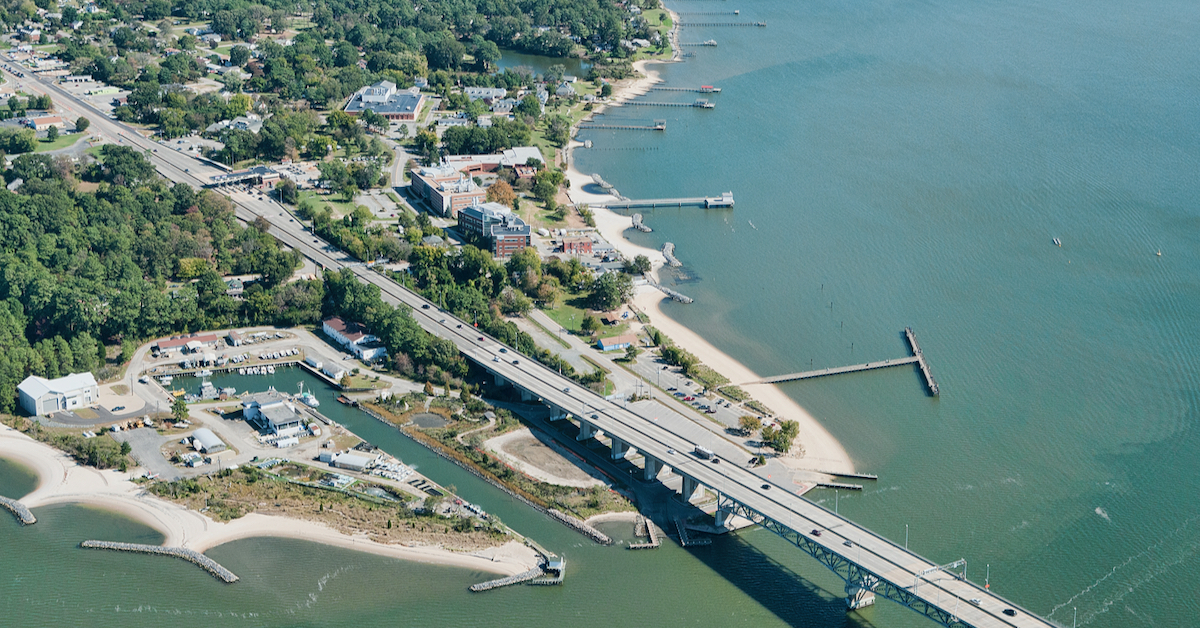
The Virginia Institute of Marine Science (VIMS) is a coastal and marine research and education institution in Virginia, affiliated with William & Mary and its Batten School. Its stated focus is confronting societal challenges in coastal and marine systems through research, discovery, innovation, and training the next generation of scientists and citizens, with findings translated into practical solutions.
Virginia Institute of Marine Science
What VIMS does
- Research and monitoring: Its work covers coastal and marine systems, including ecosystem health indicators such as submerged aquatic vegetation in the Chesapeake Bay.
- Practical problem-solving: Projects translate findings into solutions, such as the Nationwide Fishing Trap, Removal Assessment and Prevention (TRAP) Program, which reports recovering lost fishing traps and funding coastal cleanup projects.
- Education and training: VIMS and the Batten School enroll graduate students in M.A., M.S. and Ph.D. programs and undergraduates in coastal and marine sciences.
- Public and community engagement: It hosts events and outreach such as the Seaside Scholars summer camp at its Eastern Shore Laboratory.
- State and federal program administration: VIMS serves as Virginia’s administrator of the Boating Infrastructure Grant Program, helping citizens, businesses and municipalities apply for federal boating infrastructure funds.
Who it is for
- Prospective graduate and undergraduate students considering marine science or coastal studies.
- Researchers and agencies looking for regional marine data, monitoring, or collaboration.
- Coastal residents, boaters, and municipalities interested in cleanups, grants, or local marine education.
- Educators and families seeking camps and public science programming.
A practical next step
If you are deciding whether VIMS fits your needs, start by matching your goal to the relevant section of the site: prospective students should look at academic programs and admissions; local groups should check outreach, events, and the Boating Infrastructure Grant Program; researchers should look for research programs and publications. For broader context, compare with regional marine science organizations and Virginia state environmental agencies, and check current program pages for deadlines and eligibility details.
How does VIMS translate its research into practical solutions for coastal and marine systems?
VIMS frames its mission as turning coastal and marine research into practical solutions, and its public pages show that translation happening through four main channels: applied programs, direct public service, education and training, and partnerships.
Programs that act on findings The clearest example is the TRAP Program (Nationwide Fishing Trap, Removal Assessment and Prevention). After recovering more than 600,000 pounds of lost fishing traps in two years, it funded 11 new coastal cleanup projects across seven states. That is research and field work converting into a national removal and prevention effort rather than a single study. Similarly, VIMS now administers Virginia's Boating Infrastructure Grant Program, which helps citizens, businesses and municipalities apply for federal funds to improve public boating infrastructure — a case of institutional expertise becoming a funding and advisory service.
Monitoring that informs management VIMS reports on submerged aquatic vegetation as an indicator of Chesapeake Bay health, noting a 7% increase to the highest level since 2018. Long-term monitoring like this gives regulators and restoration groups a measurable signal for judging whether management actions are working.
Training the next generation The institute describes training scientists and citizens alongside its research. Concrete examples include 32 new students arriving at VIMS and the Batten School, and Seaside Scholars, a free summer day camp at the Eastern Shore Laboratory where young learners explore local marine organisms and habitats, including marsh survey research.
Local and regional engagement The Eastern Shore Laboratory, now led by its fifth director, Stacy Krueger-Hadfield, illustrates how a field station connects global research perspectives to a specific coastal community.
If you want to see this translation in practice, start with the News & Features section and follow one topic — say, bay grasses or the TRAP Program — from the research finding to the management or cleanup action it supports. That path shows how a finding becomes a solution.
Related institutions working on similar coastal and marine translation include NOAA, Woods Hole Oceanographic Institution and Chesapeake Bay Program.
What degree programs and training opportunities does VIMS offer for students interested in marine science?
VIMS offers marine science education at both the graduate and undergraduate levels, plus shorter training experiences for younger students and the public.
Graduate degrees. VIMS enrolls students in M.A., M.S. and Ph.D. programs through William & Mary's Batten School of Coastal & Marine Sciences. Its news notes that 18 graduate students entered these programs in a recent fall cohort, so the school operates as a research-intensive graduate institution rather than a large undergraduate campus.
Undergraduate study. Undergraduates can major in coastal and marine sciences as Stravitz Scholars; 14 students entered as the second cohort of that program. This is a small, cohort-based route rather than a broad menu of majors.
Pre-college and community training. The Eastern Shore Laboratory runs Seaside Scholars, a free summer day camp where local students explore marine organisms and habitats, including dogfish shark dissections and marsh surveys. VIMS also produces public-facing science content, such as the "Science for the Bay, Impact for the World" video, which is useful for prospective students who want a feel for the research culture before applying.
If you are choosing between paths, the practical split is: graduate applicants should look at specific faculty research programs and degree requirements, while undergraduates and younger students should check the Stravitz Scholars and Seaside Scholars pages for eligibility and timing. Start with the admissions or academics section of Virginia Institute of Marine Science, then contact the relevant program directly, since cohort sizes and deadlines change yearly.
How can I get involved with VIMS through events, community programs, or citizen science?
VIMS offers several entry points for public involvement, though the website's front page emphasizes news and institutional programs more than a single volunteer sign-up hub. The most reliable path is to check the Upcoming Events section and the Resources area on Virginia Institute of Marine Science, then contact the relevant lab, program or campus directly.
Practical ways to plug in
- Attend public events and lectures. VIMS runs seminars, open houses and community events tied to its research and education mission. The Upcoming Events listing is the fastest way to see what is open to the public.
- Join a citizen science or monitoring effort. Chesapeake Bay programs frequently rely on volunteers for water-quality sampling, shoreline surveys and species counts. Ask VIMS staff which current projects accept community volunteers, since opportunities shift with funding and season.
- Participate in coastal cleanups and trap-removal work. The TRAP Program, which recovered more than 600,000 pounds of lost fishing traps in two years and is expanding into new states, is a concrete example of hands-on conservation work where volunteers and local partners can contribute.
- Support education programs. The Seaside Scholars summer camp on the Eastern Shore gives young learners direct field experience with marine organisms and habitats. Adults can help by volunteering, mentoring or supporting similar outreach.
- Explore student and training pathways. VIMS and William & Mary's Batten School train graduate and undergraduate students in coastal and marine science. If you are considering a career change or advanced study, this is a formal route into the field.
A useful next step
Pick one specific interest — clean water, fisheries, coastal habitat or youth education — and email the corresponding VIMS department or lab. Ask two questions: Do you currently use community volunteers? and What training or time commitment is required? That turns a general interest into a realistic commitment.
How to choose
| If you want... | Start with... |
|---|---|
| One-time or occasional involvement | Public events, lectures, cleanups |
| Regular field or data work | Citizen science and monitoring programs |
| Long-term learning or a credential | Graduate or undergraduate programs |
| Impact for young people | Education and summer camp outreach |
For state or regional volunteer coordination beyond VIMS itself, Virginia's coastal programs and the Chesapeake Bay network can also point you toward local groups, but confirm details directly with VIMS before committing.
What is the TRAP Program and how does it address lost fishing traps in coastal waters?
The TRAP Program is the Nationwide Fishing Trap, Removal Assessment and Prevention Program run through William & Mary's Virginia Institute of Marine Science (VIMS) and the Batten School. It combines two jobs: removing derelict fishing traps already sitting in coastal waters, and preventing new losses through assessment and prevention work. According to VIMS, the program recovered more than 600,000 pounds of lost traps in its first two years and has expanded to fund 11 new coastal cleanup projects across seven states.
How it works in practice
- Removal: funded projects physically recover lost traps from coastal waters, the "R" in TRAP.
- Assessment: the program tracks where traps are lost and what that means for habitats and fisheries.
- Prevention: it aims to reduce future trap loss rather than only cleaning up afterward.
- Expansion: rather than running everything centrally, VIMS funds partner projects in multiple states, which fits a nationwide problem with local conditions.
Why lost traps matter
Derelict traps don't stop fishing when they're lost. They can keep capturing animals, damage bottom habitats such as submerged aquatic vegetation, and create navigational and safety hazards. That makes them a rare case where cleanup, fisheries management and ecosystem health all point the same direction. VIMS also reports Chesapeake Bay submerged aquatic vegetation rose 7% to its highest level since 2018, a reminder that coastal habitat indicators and gear-loss programs are often discussed together.
A useful next step
If you're a coastal manager, fisher, or community group, the practical question is whether your area has a documented trap-loss problem and a willing local partner. VIMS's model suggests starting with assessment, then applying for project funding, rather than organizing a one-off cleanup. For national context, see NOAA on marine debris and EPA on coastal water quality.
How does VIMS monitor and report on Chesapeake Bay ecosystem health indicators like bay grasses?
VIMS monitors bay grasses through its long-running submerged aquatic vegetation (SAV) surveys and reports the results publicly as ecosystem health indicators. The core approach is annual aerial and field survey work across the Chesapeake Bay, with findings summarized in news releases and indicator updates—for example, a recent report noted bay grasses rose 7% to their highest level since 2018, buoyed by gains in saltier waters.
What this means in practice
- Monitoring: Systematic SAV surveys track distribution and abundance of underwater grass beds, which serve as a key barometer of water clarity, nutrient levels and overall bay condition.
- Reporting: Results are translated into plain-language findings through VIMS news and features, making the data accessible to the public, policymakers and resource managers.
- Broader context: VIMS frames this work within coastal and marine research that aims to turn findings into practical solutions, alongside training the next generation of scientists.
Who uses this
- Bay managers and policymakers looking for trend data to guide restoration decisions.
- Researchers and students needing long-term SAV datasets and indicator context.
- General readers who want a clear, non-technical snapshot of bay health.
Next step
If you want the underlying numbers rather than the summary, start with the VIMS news section for the latest SAV report, then follow links to the relevant research program for methodology and historical trends. For comparison, the Chesapeake Bay Program also publishes SAV indicator data at Chesapeake Bay Program.
Decision criterion: Use VIMS reporting when you want research-institution interpretation and recent findings; use the regional program when you need cross-jurisdictional indicator tracking.
 Amazon.com, Inc.
 Microsoft 365

User reviews (0)