

 Visit website
 Updated: 2026-09-23 20:55
 Language: English (default)
 Access: Normal
 Profile views 8
  Outbound visits 1
 Website Review
What is Ancient Acupuncture & Chinese Herbs in Fairport?
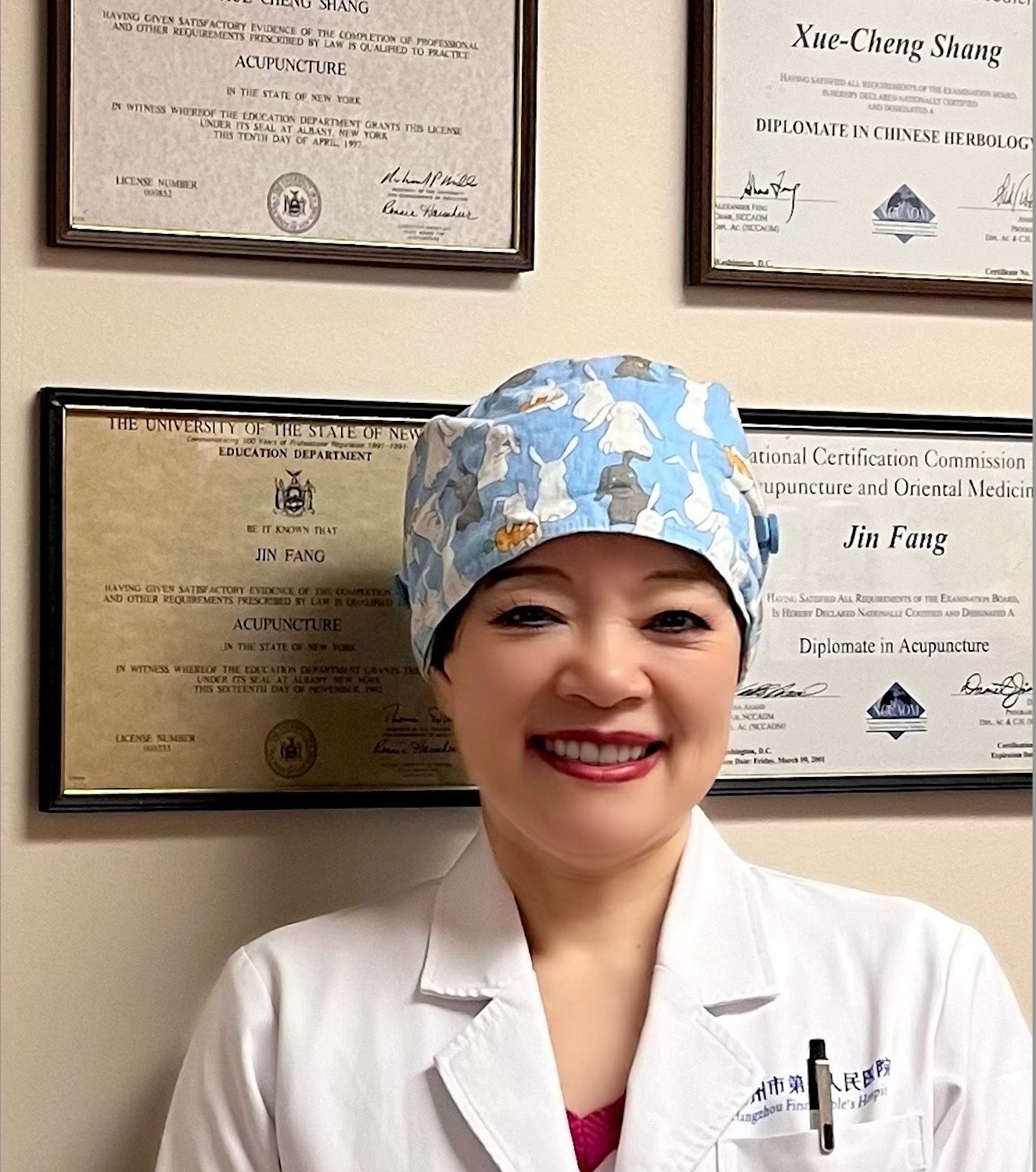
Ancient Acupuncture & Chinese Herbs is a Fairport, New York–based acupuncture and Chinese herbal medicine practice run by Jin Fang and Xue-cheng (John) Shang, both licensed acupuncture practitioners. The site describes a family lineage of medical training spanning four generations and says the two practitioners studied at Zhejiang Chinese Medical University from 1978–1983, with roughly 40 years of combined clinical experience in Chinese and Western medicine. The practice emphasizes a holistic, mind-body approach aimed at preventing and reversing disease rather than only treating symptoms, and it states that it accepts BCBS insurance.
What they offer
- Acupuncture and Chinese herbal medicine, with herbal formulas described as an alternative or complement to Western medicine.
- Natural pain relief, including a stated focus on helping people with sports injuries.
- A custom herbal formula called Happy Mood, which the site says Jin Fang formulated in 1992 and which was used by Cornell University students for depression, anxiety and insomnia.
- Educational materials, including a downloadable e-book by Jin Fang on healthy living, plus video and photo galleries, a Q&A page, a blog and an online order option.
Who it tends to suit
Someone in the Rochester–Fairport area looking for a long-established, family-run alternative-medicine practice, particularly for pain, sports injuries, or stress-related concerns like anxiety and sleep problems. It may also appeal to people who want herbal medicine alongside, not instead of, conventional care — the practitioners' Western medical training is presented as part of their background.
Practical considerations
- The site's claims about reversing disease and the safety of herbs are the practice's own framing, not independently verified medical conclusions; herbs can interact with prescription drugs, so tell both your doctor and the practitioner about everything you take.
- Insurance coverage is stated for BCBS, but you would need to confirm your specific plan, referral rules and visit limits directly.
- Contact is by phone at (585) 223-7880 or email at [email protected]; appointments and current availability are not detailed on the page.
A useful next step: call ahead and ask three questions — whether your BCBS plan covers acupuncture visits and how many, what a first appointment involves (intake, diagnosis, needling, herbs), and whether the practitioner will coordinate with your primary care doctor. If you are seeking help mainly for a sports injury, ask specifically about their experience with that type of injury and typical treatment frequency.
How can I book an appointment with Jin Fang or John Shang?
You book by calling (585) 223-7880 or emailing [email protected], the two contact routes listed on the site. The practice is Ancient Acupuncture & Chinese Herbs in Fairport, New York, and both practitioners — Jin Fang and Xue-cheng (John) Shang — are described as long-time licensed acupuncture practitioners.
H3 What to have ready
- Your main complaint and how long you've had it (the site highlights sports injury and pain relief).
- Any imaging, diagnoses or medication lists, since the practitioners were trained in both Chinese and Western medicine.
- Your insurance details. The site states it accepts BCBS, so confirm coverage for acupuncture visits when you call.
- Whether you want acupuncture, herbal medicine, or both — the practice offers both, and herbs are often prescribed alongside needling.
H3 A practical next step Call rather than email if you want a same-week slot; email suits general questions about herbs or insurance. When you reach them, ask directly: which practitioner has openings, what the first visit involves, and whether a course of treatment or a single session is recommended for your situation. If you're specifically seeking herbal formulas rather than needles, say so at booking so the right practitioner's time is reserved.
For background on what acupuncture treatment typically involves and questions worth asking a licensed practitioner, the U.S. National Center for Complementary and Integrative Health is a neutral starting point: NCCIH.
What conditions can acupuncture and Chinese herbal medicine treat?
Acupuncture and Chinese herbal medicine are most often used for pain, stress-related symptoms and chronic conditions that have not fully responded to other care. At Ancient Acupuncture & Chinese Herbs, the practitioners describe a holistic, mind-body approach aimed at preventing and reversing disease, with herbal formulas such as Happy Mood developed for depression, anxiety and insomnia.
Commonly addressed concerns
- Musculoskeletal and sports injuries: strains, sprains, tendonitis, back, neck, shoulder and knee pain.
- Chronic pain and headaches, including migraine and tension headaches.
- Stress-related and emotional issues: anxiety, depression, poor sleep and insomnia.
- Digestive complaints such as bloating, indigestion and irregular bowel habits.
- Women's health: menstrual cramps, PMS and menopausal symptoms.
- General wellness, fatigue and recovery support.
How the two approaches differ
| Approach | Typical use | Trade-off |
|---|---|---|
| Acupuncture | Pain, tension, sleep, stress; sessions are usually frequent at first | Requires repeated visits; effects build gradually |
| Chinese herbal medicine | Internal patterns such as digestion, mood, menstrual and chronic issues | Takes time to prepare and adjust; quality of herbs matters |
A practical next step If you are considering care, start by writing down your main symptom, how long you have had it, what you have already tried and any medications you take. Then call the clinic at (585) 223-7880 or email [email protected] to ask whether your condition is something they commonly see and what a realistic course of treatment would look like. For a broader view of what acupuncture is used for, the U.S. National Center for Complementary and Integrative Health at NCCIH publishes plain-language summaries.
Choosing between the two Use acupuncture alone when the problem is mainly pain, tension or sleep and you want a drug-free option. Add herbal medicine when symptoms are internal, long-standing or affect mood and digestion. In either case, tell your doctor about any herbs you take, especially if you are pregnant, on blood thinners or managing a serious condition.
Do you accept Blue Cross Blue Shield (BCBS) insurance?
Yes. The page states "We Accept BCBS insurance," so Blue Cross Blue Shield is accepted at this Fairport practice.
What that means in practice
Insurance coverage is rarely just "yes" or "no." Even when a clinic accepts BCBS, what you pay depends on your specific plan. Before booking, it helps to check:
- Whether your particular BCBS plan covers acupuncture and herbal medicine
- How many visits per year are covered
- Whether you need a referral from a primary care doctor
- What your copay, deductible or coinsurance is
- Whether the practitioner is in-network for your plan
Your next step
Call the office at (585) 223-7880 or email [email protected] and give them your BCBS member ID. Ask them to verify your benefits before your first appointment. That one call usually tells you more than any general statement about accepting insurance.
You can also confirm coverage directly with your insurer. Blue Cross Blue Shield plans are administered regionally, so the best source is the member services number on your card or the official Blue Cross Blue Shield site.
If BCBS does not cover your visits
Ask the clinic about self-pay rates and whether they provide receipts you can submit for out-of-network reimbursement. Some plans reimburse part of the cost even when the provider is not in-network.
How does the Happy Mood herbal formula help with depression, anxiety, or insomnia?
The site presents Happy Mood as a special herbal formula developed by Jin Fang in 1992, and it notes that the formula was used by Cornell University students dealing with depression, anxiety and insomnia. That is the page's own account of the formula's background and use; it is not an independent clinical finding, and the site does not publish a full ingredient list, dosage schedule or trial data for it.
In practical terms, a formula like this is usually positioned as supportive care rather than a replacement for diagnosis or treatment. If you are considering it, treat it as one part of a broader plan: sleep routine, stress management, exercise and any prescribed medication or therapy you already use.
A realistic reader scenario
Suppose you are sleeping badly, feeling anxious most days and have already seen a primary care doctor. You might book a consultation at a practice like Ancient Acupuncture & Chinese Herbs to ask how the formula is selected, what is in it, how long people typically take it, and what changes would suggest it is or is not helping. Bring a list of everything you take, including antidepressants, anti-anxiety medication, sleep aids, blood thinners and supplements.
Points to clarify before starting
- Full ingredient list and any known interactions or contraindications
- Whether it is meant to be taken alone or alongside acupuncture
- Expected timeline for noticing any change, and how that is tracked
- Cost per course and whether insurance such as BCBS applies to the consultation versus the herbs
- Who to contact if symptoms worsen
Where it fits alongside other options
| Approach | Typical role | Main trade-off |
|---|---|---|
| Herbal formula such as Happy Mood | Supportive, traditional use | Limited published evidence; interaction and quality questions |
| Acupuncture | Supportive, often used for pain and stress | Requires repeated visits; effects vary by person |
| Talk therapy or counselling | First-line for many anxiety and mood concerns | Requires time and a compatible therapist |
| Prescribed medication | Often first-line for moderate to severe symptoms | Side effects and adjustment period |
If your symptoms are severe, include thoughts of self-harm, or are getting worse, contact a doctor or emergency service rather than relying on an herbal formula alone. Otherwise, the useful next step is a short consultation focused on ingredients, interactions and a clear review date, so you can judge results against something concrete.
What can I expect during my first acupuncture visit?
The site's own pages don't spell out a step-by-step first-visit routine, so what follows separates what the clinic does say about itself from what typically happens at a first acupuncture appointment. Use it to know what to ask when you call to book.
What this clinic says about itself
Ancient Acupuncture & Chinese Herbs in Fairport describes itself as a holistic practice run by Jin Fang and Xue-cheng (John) Shang, both licensed acupuncture practitioners with training in China at Zhejiang Chinese Medical University (1978–1983). The site presents a four-generation family background in medicine and states that the practitioners were medically trained in both Chinese and Western medicine. It also notes that the practice accepts BCBS insurance and offers herbal medicine alongside acupuncture, including a formula the site says was created by Jin Fang in 1992.
What usually happens at a first acupuncture visit
- Intake and history. Expect a longer first appointment than follow-ups. You'll be asked about your main complaint, its timeline, sleep, digestion, stress, medications and past treatments. Bring a list of medications and any relevant test results.
- Chinese medicine assessment. A practitioner may look at your tongue and feel your pulse at several points on each wrist. This is a diagnostic method in Chinese medicine, not a substitute for a medical workup.
- Explanation and plan. You should leave knowing how many sessions are suggested, how often, and what changes would count as progress.
- Needling. Fine, single-use needles are placed and typically left in for a short rest period. Sensations range from nothing to a mild ache, heaviness or tingling.
- Afterward. Many people feel relaxed; some feel briefly lightheaded. Plan a low-key rest of the day rather than a hard workout.
Practical preparation
- Wear loose clothing with sleeves and pant legs that roll above the knee and elbow.
- Eat something light beforehand; don't arrive fasting or overly full.
- Avoid alcohol on the day, and skip heavy caffeine right before if you're sensitive.
- Tell the practitioner if you're pregnant, take blood thinners, have a bleeding disorder, a pacemaker, or are being treated for cancer.
Questions worth asking when you call
- How long is the first visit, and what does it cost? The site does not publish prices.
- Will herbs be recommended, and are they included or billed separately?
- Does the practice bill BCBS directly, or do you pay and seek reimbursement?
- How many visits are typical for a complaint like yours, and when would you reassess?
A concrete scenario
Suppose you're a runner in Fairport with a stubborn Achilles issue that hasn't settled with rest. A first visit here would likely start with the injury history and training load, then move to a Chinese medicine assessment and needling, possibly with a herbal recommendation. Because the site highlights sports injury among the people it helps, ask specifically how they coordinate with your orthopedist or physical therapist — acupuncture can sit alongside conventional care, not replace it.
Where to verify credentials
Licensing and complaint history for acupuncture practitioners are usually checkable through your state's professional licensing board. For general background on what acupuncture involves, the U.S. National Center for Complementary and Integrative Health at NCCIH is a plain-language starting point.
Next step: call the practice at the number listed on Ancient Acupuncture & Chinese Herbs and ask the four questions above before you book.
 Hosting and Email
 GoDaddy
 Hosting
 Amazon.com, Inc.
 Location
 United States
 Pages, Search and Sharing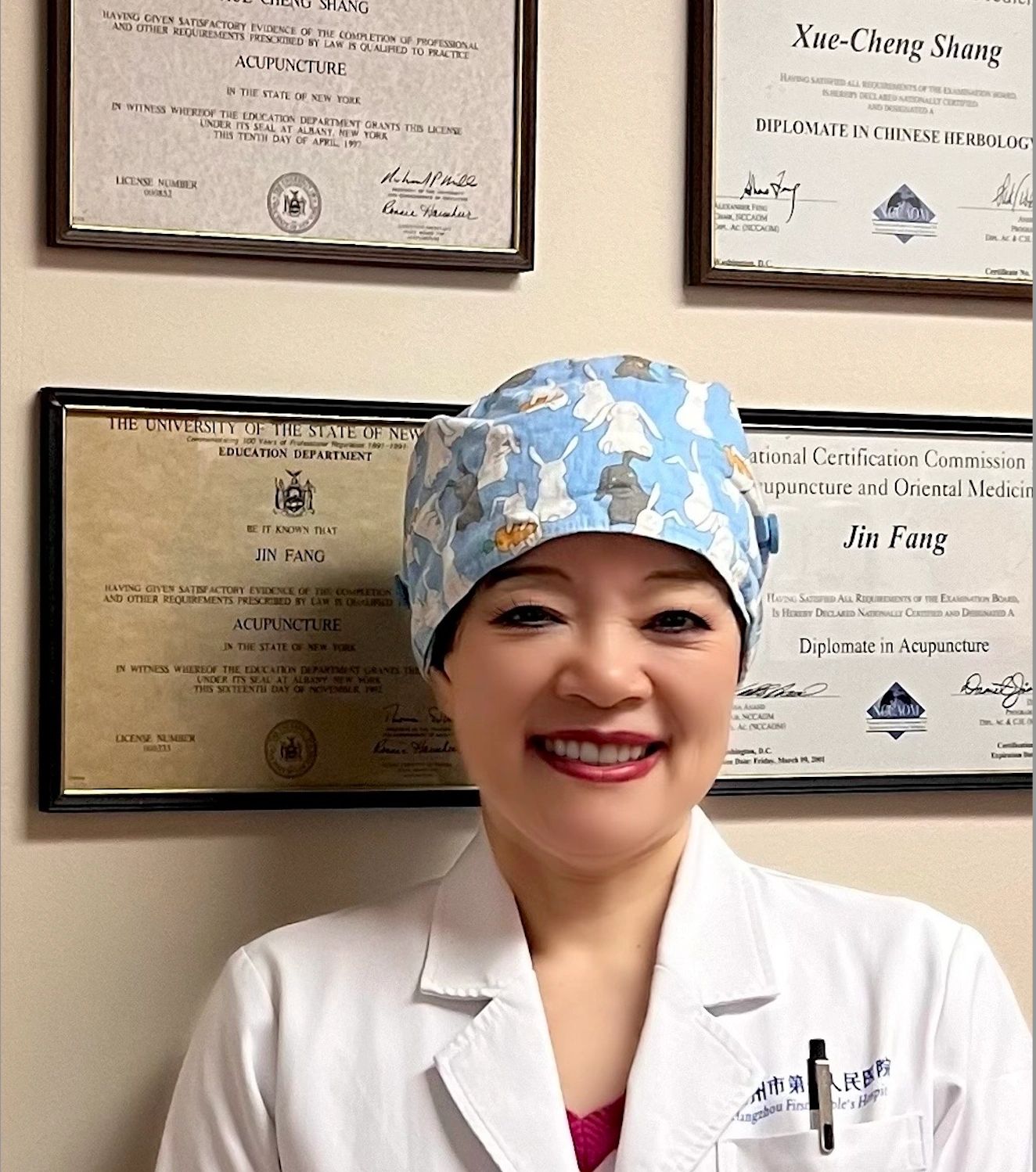



 All bots
 Registration details

 Identified technologies
User reviews (0)