
 简体中文
 English

Website review
This review may include AI-generated content and is not individually verified. Domain, certificate and other facts come from the observed data on this page.
What is Zephyrmarine.com?
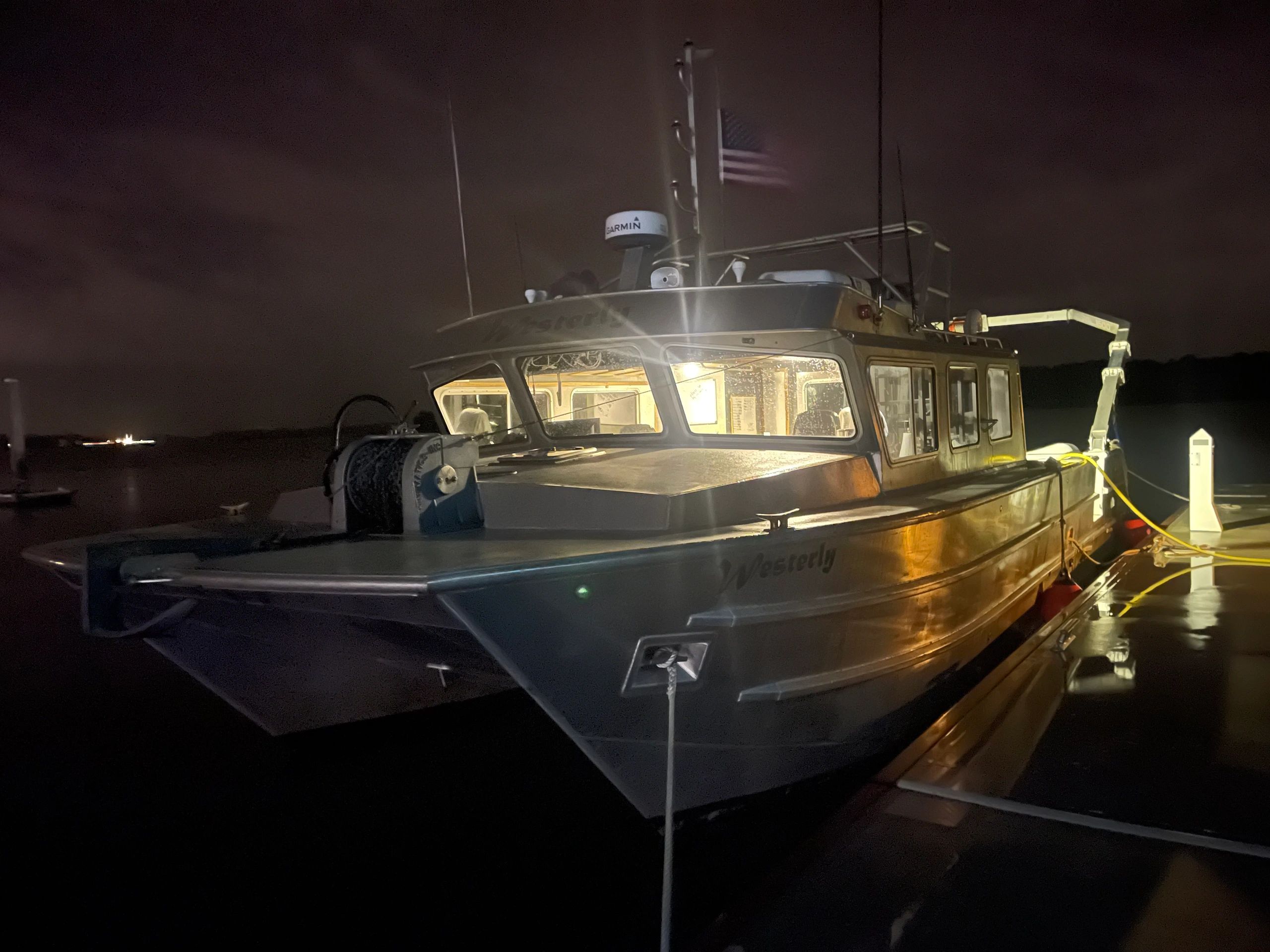
Zephyrmarine.com is the website of Zephyr Marine Inc., a small operator that rents out an oceanographic research and survey vessel. The featured asset is the R/V Westerly, offered for hire to groups that need a working boat for survey or research work rather than a passenger cruise.
What the site offers
- Vessel rental for survey work. The site's stated purpose is renting survey vessels so projects can be completed efficiently, aimed at people who need a platform at sea rather than a pleasure charter.
- A track record section. A "Past Projects" page suggests the operator positions itself around prior fieldwork, useful if you want to judge whether the boat has handled work like yours.
- Direct contact as the main booking route. Enquiries run through a form and listed phone number and email addresses, with a note that scheduling questions are welcome — so expect a conversation, not an instant online booking.
Who it suits
The likely audience is research teams, environmental and survey consultancies, universities, and government or tribal agencies needing a vessel for a defined project window. Because contact details point to Douglas, Alaska, the practical service area is presumably Alaskan and nearby coastal waters; anyone planning work elsewhere should confirm range and mobilisation first.
What to check before enquiring
The site gives little technical detail, so ask directly about:
- Vessel size, deck space, and available berths
- Endurance, range, and typical operating area
- Onboard equipment (sonar, winches, cranes, lab space)
- Crew credentials and whether you supply your own scientific party
- Day rates, minimum charter periods, and mobilisation costs
A useful next step is to send a short enquiry through the contact form describing your project dates, working depth, and equipment needs, then compare the response against quotes from a broader broker or a regional research fleet. If you are new to chartering, treat the first reply as a screening call: a clear answer on range, deck capacity, and crew will tell you quickly whether the R/V Westerly fits your survey plan.
How do I book the R/V Westerly for a research project?
The site provides a contact form and a phone number, and asks you to send a message with comments, questions, or scheduling concerns. It does not publish an online booking system, availability calendar, or rate sheet, so booking is a direct inquiry rather than a self-service reservation.
What to put in your first message
Send one message that covers the essentials so the operator can answer in a single reply:
- Project dates, plus a backup window if your schedule allows
- Operating area and home port or mobilization point
- Number of scientists and crew you expect to bring aboard
- What you need to do: multibeam or side-scan survey, CTD casts, water sampling, towed gear, ROV or AUV support, or simple transit
- Deck and lab requirements, including power, bench space, and any winch or A-frame needs
- Whether you need a licensed captain and crew or plan to provide your own
- Day rate or project budget range, and how your funding is structured
How to decide it fits
Ask for the vessel's specifications and a sample cruise plan before you commit. Research charters are usually priced by day plus fuel, crew, and mobilization, so the useful comparison is total project cost and days on station, not a headline day rate. If you are a university lab, a state agency, or a consulting firm working in Alaska waters, a smaller operator like this can be a good match when your gear is modest and your objectives are clear. If you need heavy over-the-side handling, large berthing, or multi-week blue-water endurance, confirm those capabilities in writing first.
Practical next step
Call the number listed on the site or use the contact form, then follow up with a short written summary of your requirements. Before signing, settle these points in writing: cancellation and weather-day policy, who pays for fuel and port fees, what scientific equipment is included, and whether the vessel's insurance covers your instruments and personnel. The site lists a Douglas, Alaska mailing address, so plan for travel and shipping logistics to and from the vessel accordingly.
For general context on vessel charter practices, see University-National Oceanographic Laboratory System and NOAA.
What types of oceanographic surveys can the R/V Westerly support?
The page itself doesn't list survey types. It presents the R/V Westerly as a survey vessel available for rental through Zephyrmarine.com, with contact details for scheduling and questions, so the specific capabilities of the vessel aren't published on the site.
Based on what the site does show, the practical route is to ask about your exact survey requirements directly. A vessel is usually matched to a survey based on deck space, lifting capacity, A-frame or winch setup, sensor mounting, berths, endurance, and sea-state limits, so the equipment list matters as much as the hull.
Common oceanographic survey types and what typically drives vessel choice
| Survey type | Typical vessel needs |
|---|---|
| Hydrographic and bathymetric | Multibeam or singlebeam sonar, precise positioning, stable platform at survey speed |
| Geophysical and sub-bottom | Sub-bottom profiler, side-scan sonar, towed gear handling |
| Environmental and water quality | CTD, water samplers, lab bench space, clean sampling area |
| Biological and fisheries | Net and trawl handling, wet lab, holding tanks |
| Oceanographic moorings and instruments | A-frame or crane, deck space, winch and wire capacity |
| ROV or diver support | Launch and recovery system, power, secure working deck |
What to ask before booking
- Which sensors, winches, and handling gear are already aboard, and what can be added?
- What are the working-deck dimensions and maximum lift?
- How many scientists and crew can be accommodated, and for how many days?
- What sea-state and weather limits apply to the planned work area?
- Is the vessel available for the dates and transit distance your project needs?
For a project in Alaska waters, seasonal weather and transit time can matter as much as the science payload, so confirm both with the operator early.
A useful next step is to send Zephyr Marine a short brief: survey type, target area, water depth, sensors, number of personnel, and preferred dates. That gives them enough to confirm whether the R/V Westerly fits or to suggest an alternative.
What equipment and onboard facilities does the R/V Westerly provide?
The page evidence for Zephyrmarine.com names the R/V Westerly as its featured vessel and describes the company as offering survey vessel rental for oceanographic research, but it does not list the vessel's equipment or onboard facilities. There is no inventory of sonar, coring gear, lab benches, berths, galley, deck crane or winch capacity, and no stated passenger or crew capacity. The visible content is limited to a vessel name, a mission statement, past projects and a contact form, so any specific fit-out claims would be guesswork.
What to do instead
Treat the site as a first contact point and ask directly for the vessel's specification sheet before planning a charter. A useful request would cover:
- Survey and sensor suite: hull-mounted or portable multibeam, side-scan sonar, sub-bottom profiler, CTD and winch wire type.
- Working deck: clear deck area, A-frame or crane lifting capacity, and any over-the-side handling gear.
- Laboratory space: wet or dry lab benches, power outlets, fume handling and sample storage.
- Accommodation and endurance: berths, day-passenger limit, fresh water and fuel range for multi-day work.
- Positioning: dynamic positioning, autopilot, AIS and navigational redundancy.
A concrete reader scenario
Suppose you are a coastal research group planning two weeks of benthic mapping in Alaska waters. You would use the site's contact form to request the vessel's equipment list and past-project summaries, then compare those against your sensor and berthing needs. If the response includes the specification sheet, you can check whether the deck and lab space support your gear; if it does not, ask for a short call with the operator.
As general advice, not a claim about this vessel: charterers usually confirm equipment in writing, ask whether mobilisation and demobilisation days are charged, and clarify who supplies fuel, food and any specialist technicians. For broader market context, see University-National Oceanographic Laboratory System for academic vessel standards and NOAA for survey practice references.
In which regions does Zephyrmarine.com operate?
Zephyrmarine.com does not list explicit operating regions on the page. The only location detail shown is the company's mailing address in Douglas, Alaska, which suggests a home base in Alaska and likely operations in Alaskan or North Pacific waters. The site also mentions the R/V Westerly as its survey vessel, but gives no service-area map or port list, so any broader regional claim would be speculation.
What this means in practice
- If your project is in Alaska or the North Pacific: this is the most plausible fit, based on the Douglas, AK address and the vessel-rental focus.
- If your project is elsewhere: you would need to ask directly whether the vessel can be mobilized to your area, and at what cost.
- If you need a specific port or coastal region confirmed: the site itself will not answer that; a direct inquiry is the only reliable route.
A useful next step
Use the contact form on Zephyrmarine.com to ask two concrete questions: which regions the vessel currently serves, and whether mobilization outside Alaska is possible. That turns a vague geographic question into a scheduling and cost decision.
For comparison, regional research-vessel operators with published coverage areas include UNOLS for U.S. academic fleets, though that is a different kind of service from a private rental.
Can I see examples of previous projects completed by Zephyrmarine.com?
Yes, but only in a limited way. The Zephyrmarine.com site includes a "Past Projects" link in its main navigation, so you can check that section for examples of prior work. The visible page content on the vessel page itself centers on the R/V Westerly and a contact form rather than a detailed project gallery, so the depth of those examples depends on what the Past Projects page actually contains.
What to check on the Past Projects page
- Project types: Look for the kind of work done, such as hydrographic surveying, environmental sampling, or equipment testing.
- Vessel used: Confirm whether the R/V Westerly was the platform, since that tells you what the vessel is proven to handle.
- Geography and conditions: Note where the work took place; coastal Alaska experience implies different sea-state and logistics demands than sheltered inland waters.
- Client or sector: Research institutions, government agencies and private firms each bring different scheduling and compliance needs.
If the examples are thin
Treat a sparse project list as a prompt for questions rather than a red flag. When you contact them, ask for references from comparable jobs, the vessel's typical operating range, and how they handle weather delays. For a broader sense of what comparable operators publish, you can compare against Website Name if you already know a specific official site in this sector.
A practical next step: open the Past Projects page, then use the site's contact form or the listed phone number to request two or three references that match your project's size and location.
 Amazon.com, Inc.

User reviews (0)