Website profiles · Technology insights · Alternatives

frogsleap.com

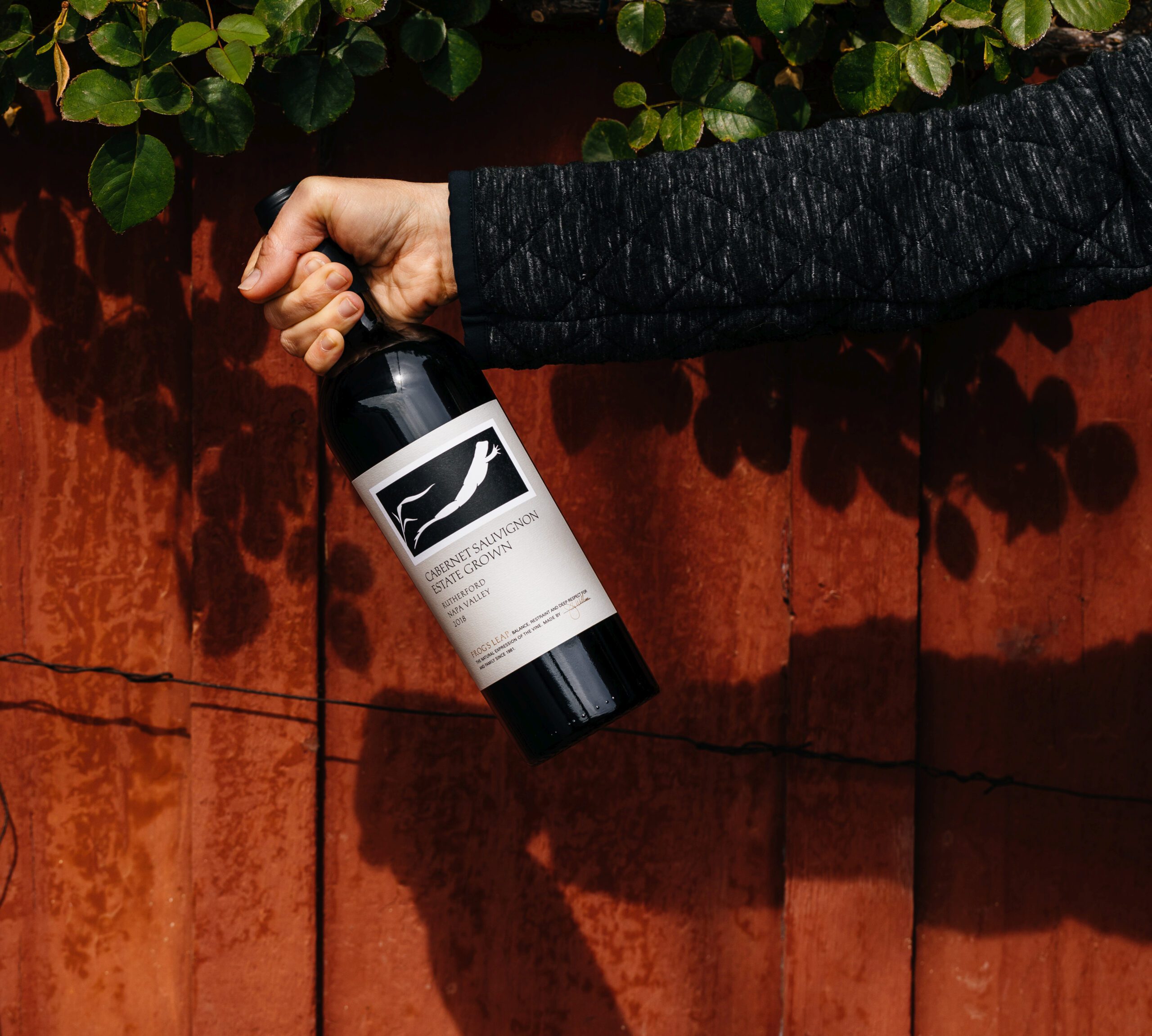
At Frog’s Leap, we grow it: we farm our wines organically, from non-irrigated soils, with respect for every human hand that contributes to the process. We make it: we’re not trying to become modern winemakers but rather to bring traditional winemaking into the modern world — with all of the challenges and opportunities that this entails.

No paid content found
Visit website
Profile views 1 Outbound visits 10 Normal
Frog’s Leap Winery Full homepage screenshot

At a glance

Category
Food & Recipes
Language
English
Paid-content signal
No paid content foundObserved
Registered
1995
Hosting
CloudflareInferred
HTTPS certificate trusted
PassedObserved
Last updated

Website review

This review may include AI-generated content and is not individually verified. Domain, certificate and other facts come from the observed data on this page.

What is Frog’s Leap Winery?

Frog’s Leap Winery is a Napa Valley winery based in Rutherford, California, best known for estate-grown wines made from organically farmed, non-irrigated vineyards and for a traditional, low-intervention approach to winemaking. Its stated mission is “to make wines of terroir, responsibly farmed, sustainably produced and joyfully shared,” and it frames responsible farming around regenerative agriculture rather than organic certification alone.

What it offers

  • Core wines: Cabernet Sauvignon, Sauvignon Blanc, Chardonnay (Shale & Stone), Merlot and Zinfandel, alongside reserve, library and limited “rarities” collections.
  • Visits: seated tastings and tours at its Rutherford vineyard house, including a garden tasting and a family-friendly option, plus virtual tastings.
  • Shopping: bottles and gift sets, branded goods, corporate gifting and build-your-own gift sets.
  • A membership program: the Fellowship of the Frog, with its own enrollment and member hub.

Who it suits

Frog’s Leap appeals to drinkers who want recognizable Napa Valley varietals with an explicit organic and dry-farmed story, and to visitors who prefer a seated, hosted tasting over a large walk-in tasting room. The Fellowship program is aimed at repeat buyers who want ongoing access rather than a one-off purchase.

A practical next step

If you are choosing between wineries for a Napa trip, compare Frog’s Leap with a nearby estate on two points: whether tastings are by reservation only, and whether the lineup centers on the varietals you actually drink. For a first visit, the vineyard house tour and tasting is the most direct introduction to the farming story; the garden tasting suits a more relaxed pace.

What does organic, non-irrigated farming mean for the taste of Frog’s Leap wines?

Organic, non-irrigated farming at Frog's Leap is best understood as a set of growing choices that shape ripeness, concentration and vintage variation—not a single flavor. The winery states that its wines are organically farmed in non-irrigated soils and frames this within regenerative agriculture Frog's Leap Winery. In practical terms, dry farming pushes vines to root deeper and produce smaller, more concentrated fruit; organic farming avoids synthetic inputs and tends to emphasize soil and canopy management. The likely taste consequences are firmer structure, more savory or earthy notes and clearer vintage-to-vintage differences, especially in Cabernet Sauvignon and Merlot, while Sauvignon Blanc may show more texture and less overtly fruity simplicity. These are tendencies, not guarantees: grape variety, picking date and winemaking still matter greatly.

A reader scenario

If you usually drink richly oaked, irrigated Napa Cabernet, expect Frog's Leap's core reds to feel a bit more restrained and food-oriented. If you enjoy wines that taste of a specific place and season, this approach is the draw.

How to decide

  • Choose it if you value farming philosophy, moderate alcohol and savory complexity alongside fruit.
  • Look elsewhere if you want maximum ripeness and consistency every year.
  • Best next step: taste a core Cabernet Sauvignon and Sauvignon Blanc side by side, ideally across two vintages, to see how dry farming shows in the glass.

Which Frog’s Leap wines should I try first if I’m new to the winery?

Start with the core varietal range rather than the reserves, rarities or library wines. The winery's own site names Cabernet Sauvignon, Sauvignon Blanc, Chardonnay (Shale & Stone), Merlot and Zinfandel as its core wines, which makes them the sensible entry point for someone new to Frog's Leap.

A practical first order

  • Sauvignon Blanc if you want the freshest, most immediate introduction. It is typically the easiest style to enjoy young and gives you a clear read on the house style without much cellar time.
  • Cabernet Sauvignon if you want the benchmark Rutherford red. This is the wine most associated with the estate's home ground, so it tells you the most about what the winery is known for.
  • Zinfandel or Merlot as a second red to compare against the Cabernet. Tasting two reds side by side shows you how the same farming and winemaking approach reads across different grapes.
  • Shale & Stone Chardonnay if you prefer white wine but want something with more texture than the Sauvignon Blanc.

A two- or three-bottle start—one white, one Cabernet, one contrasting red—is enough to form a view. Save the reserves, library wines and etched magnums for a later order, once you know which varietal you actually reach for.

How to choose between them

If your priority is… Try first
A light, refreshing white Sauvignon Blanc
The signature Napa red Cabernet Sauvignon
A richer white Shale & Stone Chardonnay
Comparing red styles Zinfandel or Merlot alongside Cabernet

The site also notes that 12 bottles ship for $20, with holiday gift sets at a $10 flat rate. That makes a mixed case a reasonable way to try several core wines at once, provided you expect to drink them over the coming months rather than cellaring them.

As a next step, check the tasting notes for the Sauvignon Blanc and Cabernet Sauvignon on Frog's Leap Winery, then decide whether your first order should be a single bottle of each or a small mixed case.

How do I plan a visit or book a tasting at Frog’s Leap in Rutherford?

Start with the Visit Us section of Frog's Leap's site, then confirm your date through the reservation page before building the rest of your trip around it. The winery lists several distinct experiences rather than a single tasting, so the booking choice depends on what you want from the visit.

Match the experience to your group

  • Vineyard House Tour & Tasting — the fullest introduction; best if you want the farming and winemaking story alongside the wines.
  • Rooted in Rutherford — a seated tasting framed around the estate's home appellation; suited to visitors who care about place and soil.
  • Garden Tasting — an outdoor format; a natural pick for a relaxed, leisurely stop.
  • Family Friendly Garden Tasting — choose this if you are bringing children or a mixed-age group.
  • Time in a Bottle and Fellowship Exclusive Experience — narrower, themed options; check availability and eligibility before assuming they fit a first visit.
  • Virtual Tastings — for people planning from a distance or unable to travel.

Practical steps

  1. Read "Plan Your Visit," "A Note About Reservations" and the FAQ first; they set expectations on booking, group size and arrival.
  2. Book the experience and time slot before arranging transport, since tasting times anchor the day.
  3. If you are travelling as a couple or small group, a Garden Tasting is the easiest default; for a serious first-time visitor, the Vineyard House Tour & Tasting gives more context.
  4. Check the Shop pages afterward if you want to take bottles home or build a gift set; the site notes shipping terms for larger orders.

For context on the wider valley, Visit Napa Valley can help with lodging and driving logistics around Rutherford.

What is the Fellowship of the Frog and who should join it?

The Fellowship of the Frog is Frog's Leap Winery's membership program, listed on its site alongside an enrollment page and a separate "Fellowship Hub" for existing members. The site doesn't spell out the benefits on the page provided, so treat the specifics—allocation sizes, shipping terms, event access—as things to confirm before joining. What the surrounding site does tell you is the character of the club: the winery frames itself around "wines of terroir, responsibly farmed, sustainably produced and joyfully shared," with organically farmed, non-irrigated vineyards in Rutherford and a tasting room that offers vineyard house tours, garden tastings and a family-friendly option.

Who it tends to suit

  • Repeat drinkers of the core wines. The lineup is narrow and classic—Cabernet Sauvignon, Sauvignon Blanc, Chardonnay, Merlot, Zinfandel and a "Shale & Stone" wine—so a member who already knows they like this style gets more from an allocation than someone still exploring.
  • Napa visitors who want a relationship, not just a purchase. The site pairs membership with in-person experiences (Time in a Bottle, Rooted in Rutherford, the Fellowship Exclusive Experience) and virtual tastings, which matters if you visit the valley regularly or want a reason to.
  • Gift-givers and hosts. The shop sells gift sets, etched magnums and build-your-own sets alongside farm goods, so a membership can double as a recurring gift for someone who entertains.

Who might skip it

If you drink broadly across regions, prefer to buy bottle by bottle, or live somewhere with awkward shipping, a commitment-style club adds friction. The site does advertise flat-rate shipping offers on multi-bottle orders—12 bottles for $20 and holiday gift sets at $10—which is a useful benchmark for judging whether a membership's shipping terms are actually favorable.

A practical next step

Before enrolling, check the Fellowship Hub and FAQ for the two numbers that decide value: cost per shipment and what flexibility you have to skip, customize or pause. Then compare against simply ordering a mixed case through the shop—if the flat-rate shipping already covers your buying pattern, the club needs to offer something extra, such as library wines, rarities or event priority, to justify itself. For broader context on Napa membership models, Napa Valley Vintners is a reasonable starting point.

How does Frog’s Leap approach sustainable and traditional winemaking compared with modern wineries?

Frog’s Leap presents its approach as traditional winemaking brought “into the modern world,” with organic farming in non-irrigated soils and a stated commitment to regenerative agriculture. The contrast it draws is less “old versus new” than “tradition plus responsible farming” versus winemaking driven by modern technique or intervention.

What the distinction means in practice

For a wine drinker, the useful comparison is not whether a winery looks traditional, but what it chooses to control:

Consideration Frog’s Leap’s stated approach A typical modern-winery emphasis
Farming Organic farming, non-irrigated soils, regenerative-agriculture principles Site selection and technology may be emphasized more than dry farming
Style Wines described as expressing terroir, with traditional methods adapted to today Consistency and precision through contemporary winemaking tools
Positioning “Responsibly farmed, sustainably produced and joyfully shared” Innovation, polish or new techniques may lead the story

This is a meaningful difference for someone choosing wine for a dinner where farming philosophy matters, or for a Napa Valley visit centered on vineyards and estate practices rather than a technology-forward tasting. The trade-off is that “traditional” does not automatically mean lower-intervention in every cellar decision; it is a stated identity, not a guarantee about each bottle. Likewise, “modern” wineries are not inherently less sustainable.

A practical next step

If you are comparing Frog’s Leap with another Napa producer, ask each winery two concrete questions: how its vineyards are farmed and irrigated, and which winemaking choices it considers essential to style. Frog’s Leap’s own site sets out its farming and winemaking positions at Frog’s Leap Winery, which is the best starting point before booking a Rutherford tasting or choosing among its core varietals.

Related questions

More questions →
What Visit and Tasting Experiences Are Available at Frog's Leap Winery?

Frog's Leap Winery in Rutherford, Napa Valley offers several distinct visit formats, from a vineyard house tour and tasting to garden tastings and a fellowship-only experience, plus virtual tastings for those who can't visit in person. The site lists these experiences under its "Visit Us" section and points visitors to a "Plan Your Visit" page, a reservation note, and an FAQ before booking. Because availability, seating, and booking rules can change, confirm details on the official site before making plans.

The Visit and Tasting Experiences Listed on frogsleap.com

The site's navigation lists the following experiences:

Experience What it suggests
Time in a Bottle A named seated tasting experience
Rooted in Rutherford A named experience tied to the estate's Rutherford location
Vineyard House Tour & Tasting A tour of the vineyard house combined with a tasting
Garden Tasting A tasting hosted in the garden setting
Family Friendly Garden Tasting A garden tasting format described as family friendly
Fellowship Exclusive Experience An experience reserved for members of "The Fellowship of the Frog"
Virtual Tastings A remote tasting option for people not visiting in person

The site does not publish prices, duration, group-size limits, or age policies in the material available here. Treat the table as a list of what exists, not as a confirmed schedule.

How to Choose Between the Experiences

Use the same criteria for each option:

  • If you want the fullest estate introduction: the Vineyard House Tour & Tasting combines a walk-through with the tasting, so it suits first-time visitors who want context as well as wine.
  • If you prefer a relaxed outdoor setting: the Garden Tasting fits that goal, and the Family Friendly Garden Tasting is the version to look at if you're bringing children.
  • If you're already a member: the Fellowship Exclusive Experience is the member-only option; enrollment is handled through the Fellowship section of the site.
  • If you can't travel to Napa: Virtual Tastings are the alternative.
  • If you want a themed, named experience: Time in a Bottle and Rooted in Rutherford are the two named formats to compare.

The site does not state how these experiences differ in price, length, or wine lineup, so the deciding factors available to you are format (tour vs. garden vs. virtual), audience (general vs. family vs. members), and setting.

Planning Your Visit and Booking

The site's visit section includes a "Plan Your Visit" page, "A Note About Reservations," and an FAQ, which is where booking mechanics and policies are addressed. The practical sequence is:

  1. Open the Visit Us section and read "A Note About Reservations" and the FAQ first; these are the pages the winery uses to communicate reservation expectations.
  2. Review "Plan Your Visit" for logistics before selecting an experience.
  3. Choose an experience from the list above and follow its booking path.
  4. If anything is unclear, use the Contact page linked in the site navigation.

The material available does not specify whether walk-ins are accepted, how far in advance to book, or whether a deposit is required. Those answers belong to the reservation note and FAQ, so check them directly rather than assuming.

Common Stumbling Points

  • Assuming all experiences are bookable the same way. The Fellowship Exclusive Experience is tied to membership, so it follows a different path than the public tastings.
  • Skipping the reservation note. It exists specifically to set expectations, and the FAQ covers the questions visitors ask most.
  • Overlooking the virtual option. If your dates don't work or you're planning from out of town, Virtual Tastings are listed as a real alternative, not a footnote.
  • Bringing children without checking the format. Only the Family Friendly Garden Tasting is described as family friendly; confirm policies for the others through the FAQ or Contact page.

Questions to Send Through the Contact Page

If the FAQ doesn't resolve your situation, the Contact page is the listed channel. Useful things to ask include availability for your dates, whether a specific experience can accommodate your group size, and what the current reservation requirements are. The site provides the contact route but not the answers, so a short, specific message is the fastest way to close the gap.

How Frog’s Leap Describes Its Farming and Winemaking Philosophy

Frog’s Leap presents its philosophy as a single, connected idea: make wines of terroir through responsible farming and sustainable production, then share them joyfully. On its official site, the Rutherford, Napa Valley winery says it farms organically in non-irrigated soils and treats that practice as one part of a larger commitment to regenerative agriculture. For winemaking, it says the goal is not to become a modern winemaker but to bring traditional winemaking into the modern world, with all the challenges and opportunities that involves. This explanation is for readers who want to understand the stated philosophy and decide whether it matches their own preferences for sustainably made wine.

The farming side: organic, dry-farmed, and regenerative

Frog’s Leap describes responsible farming as upholding “the principles of regenerative agriculture.” The site names two concrete practices:

  • Organic farming — the wines are described as organically farmed.
  • Non-irrigated soils — the vines are farmed without irrigation.

The site is explicit that these practices are “just one part of a larger story,” not the whole definition of responsible farming. In other words, organic and dry farming are presented as visible markers of a broader approach rather than a complete checklist.

The mission statement ties this directly to place: “wines of terroir, responsibly farmed, sustainably produced and joyfully shared.” Terroir here is not a separate marketing layer; it is presented as the result of farming responsibly in a specific place.

The winemaking side: tradition brought into the modern world

Frog’s Leap frames its winemaking against a specific contrast. It says it is “not trying to become modern winemakers but rather to bring traditional winemaking into the modern world.” The site acknowledges that this entails “all of the challenges and opportunities” that come with it, without claiming the path is simple.

This is a philosophy of continuity rather than novelty: traditional methods are the reference point, and modern conditions are the setting in which those methods are practiced. The site does not present a detailed technical protocol in the material available, so the practical meaning of “traditional winemaking” is best read as a stated orientation rather than a step-by-step method.

Respect for the people in the process

The site’s description also includes a human element: farming and making wine “with respect for every human hand that contributes to the process.” This places labor and people alongside soil and method in the winery’s self-description. For a reader evaluating the philosophy, this is a stated value rather than a certified labor standard; treat it as part of how the winery describes itself.

How the pieces fit together

Element What the site says What it means for a reader
Farming Organically farmed, non-irrigated soils; commitment to regenerative agriculture principles Organic and dry farming are named practices within a broader stated approach
Winemaking Traditional winemaking brought into the modern world, not chasing modern winemaker identity Tradition is the reference point; modernization is the context, not the goal
People Respect for every human hand in the process A stated value about labor and craft
Mission Wines of terroir, responsibly farmed, sustainably produced, joyfully shared Terroir, farming, production, and sharing are presented as one chain

What this means if you are deciding

If your preference is for wines described as organically farmed and made with minimal irrigation, Frog’s Leap’s stated philosophy aligns with that. If you want a winery that explicitly frames itself as modern or experimental, the site’s language points the other way: it positions tradition as the anchor.

A practical next step is to read the site’s farming and winemaking sections directly and compare the specific claims — organic farming, non-irrigated soils, regenerative agriculture — with what you look for in a producer. The philosophy is stated clearly; the details behind each claim are best checked on the winery’s own pages rather than inferred from the summary.

What Wines Does Frog's Leap Produce?

Frog's Leap Winery in Rutherford, Napa Valley lists five core varietals on its official site: Cabernet Sauvignon, Sauvignon Blanc, Chardonnay, Merlot, and Zinfandel. Within those, the site names Shale & Stone Chardonnay as a specific wine. Beyond the core lineup, the online shop organizes bottles into collections—Core Wines, Reserves, Rarities, Renegades, and Library Wines—so the practical answer depends on whether you want a current release, a limited bottling, or a back-vintage bottle.

The Core Varietals

These are the wines Frog's Leap presents as the foundation of its production. The site's "Our Core Varietals" section and the "Wines of Frog's Leap" menu both point to this set:

Varietal What it is
Cabernet Sauvignon Red; the flagship Napa Valley grape, grown in Rutherford
Sauvignon Blanc White; a Napa Valley staple and a common Frog's Leap bottling
Chardonnay White; includes the named Shale & Stone Chardonnay
Merlot Red; a classic Bordeaux varietal suited to Napa soils
Zinfandel Red; a heritage California grape

If you are choosing a bottle to try the winery for the first time, this list is the right starting point—these are the wines the estate treats as its identity.

Shale & Stone Chardonnay

Shale & Stone Chardonnay appears by name in the site's wine navigation, separate from the generic "Chardonnay" entry. That suggests it is a distinct bottling rather than a synonym for the core Chardonnay. The site does not publish tasting notes, vineyard sourcing, or pricing for it in the material available here, so treat the name as a label to look for in the shop rather than a specification.

How the Shop Is Organized

The online store groups wine into five collections. The distinction matters because "what wines does Frog's Leap make" and "what can I buy right now" are different questions.

  • Core Wines — the everyday, current-release lineup built around the core varietals above.
  • Reserves — a tier above the core wines; the site does not detail the selection criteria.
  • Rarities — limited or scarce bottlings.
  • Renegades — a separate collection name; the site does not define which wines fall under it.
  • Library Wines — older vintages held back from past releases.

Current releases vs. library wines

This is the most useful split for a buyer. Core Wines, Reserves, Rarities, and Renegades are current offerings—what the winery is selling now. Library Wines are past vintages released from the winery's own stock, so a Library purchase means a bottle with age on it rather than the newest vintage. If you want to drink a wine young and fruit-forward, stay in the current collections; if you want a bottle that has already matured in the winery's cellar, look at Library Wines.

The shop also lists non-wine items—Farm Goods & Wares, Gift Sets, Gift Cards, Corporate Gifting, Sample Branded Store Front, Custom Etched Magnums, and a Build Your Own Gift Set option—so not everything in the store is a wine.

Choosing Among Them

  • First-time buyer wanting the signature style: start with the core varietals, especially Cabernet Sauvignon and Sauvignon Blanc.
  • Looking for a specific white: check whether you want the core Chardonnay or the named Shale & Stone Chardonnay.
  • Gift or special occasion: the Reserves and Rarities collections, or the gift sets and etched magnums, fit better than core bottles.
  • Bottle with age: Library Wines.
  • Unsure about a collection's contents: the site names the collections but does not list which wines sit in Reserves, Rarities, or Renegades, so browse the shop pages directly rather than assuming.

What the Site Does Not Specify

The available site material does not include per-bottle prices, vintage years for each wine, production volumes, or the criteria separating Reserves from Rarities and Renegades. Shipping is mentioned on the site—"12 bottles ship for just $20" and "Holiday 2026 Gift Sets ship $10 flat rate"—but these are shipping terms, not product pricing, and they should be confirmed at checkout. For exact current offerings, vintages, and cost, the shop pages are the authoritative source.

What Is frogsleap.com? Frog's Leap Winery's Official Site Explained

frogsleap.com is the official website of Frog's Leap Winery, a winery based in Rutherford in the Napa Valley. The site combines brand and farming information with practical tools for visitors and buyers: it explains how the winery farms and makes wine, lists its core wines, describes tasting experiences, and hosts an online shop for wine, gifts, and branded goods. Use it if you want to learn about the winery, plan a visit, or buy bottles and gift sets directly; it is not a wine encyclopedia or a third-party retailer.

What the winery says about itself

The site states the winery's mission plainly: "to make wines of terroir, responsibly farmed, sustainably produced and joyfully shared." Three themes organize the homepage:

  • Responsibly farmed — the winery ties this to regenerative agriculture and says its wines are organically farmed in non-irrigated soils, while presenting that as one part of a larger story rather than the whole claim.
  • Sustainably produced — the stated aim is to bring traditional winemaking into the modern world rather than to become "modern winemakers."
  • Joyfully shared — the hospitality and gifting side of the business.

Main sections of the site

Section What you'll find
Farming "We Grow It," "Thinking Like A Vine," and vineyard pages
Winemaking The winemaking approach and the wines of Frog's Leap
Wines Core varietals including Cabernet Sauvignon, Sauvignon Blanc, Shale & Stone Chardonnay, Merlot, and Zinfandel
About Field Notes, Our Story, "We Are Frog's Leap," and a history timeline
Visit Us Tasting experiences, planning your visit, reservation notes, FAQ, and contact
Fellowship The Fellowship of the Frog: enrollment, a Fellowship Hub, and an explanation of the program
Shop Core wines, reserves, rarities, library wines, farm goods, gift sets, gift cards, corporate gifting, and custom etched magnums

Visiting and tasting

The Visit Us section lists several distinct experiences rather than a single tasting option: Time in a Bottle, Rooted in Rutherford, Vineyard House Tour & Tasting, Garden Tasting, Family Friendly Garden Tasting, a Fellowship Exclusive Experience, and Virtual Tastings. The site also includes a dedicated note about reservations and an FAQ, so check those pages before planning — availability and booking rules are set by the winery and can change by season.

Buying wine and gifts

The shop is organized by collection, so you can go straight to core wines, reserves, library wines, or non-wine items. Gifting has its own paths: pre-built gift sets, build-your-own gift set, gift cards, corporate gifting, and custom etched magnums. The site advertises shipping offers — for example, "12 bottles ship for just $20" and "Holiday 2026 Gift Sets ship $10 flat rate" — but treat these as promotional terms shown on the page at the time you read it, and confirm the current rate at checkout. Shipping rules, state availability, and any age verification requirements are determined during the order process.

The Fellowship of the Frog

This is the winery's membership-style program, with its own enrollment page, a Fellowship Hub for existing members, and an explainer answering "What is the Fellowship of the Frog?" If you are considering joining, read that explainer for what membership includes rather than relying on the name alone.

How to use the site depending on your goal

  • Researching the winery — start with Our Story and the history timeline, then the Farming and Winemaking pages for the production claims in the winery's own words.
  • Planning a trip to Napa — go to Visit Us, compare the tasting experiences, then read the reservations note and FAQ before booking.
  • Buying bottles or a gift — use the Shop collections; for presents, compare gift sets against build-your-own and gift cards.
  • Checking a specific wine — the Wines section covers the core varietals; reserves, rarities, and library wines are handled through the shop collections.

One caution: the site is a marketing and commerce property, so descriptions of farming and winemaking reflect the winery's own positioning. For independent verification of organic certification or specific vineyard practices, look for certification records or third-party sources rather than the brand's own pages.

What You Can Buy from the Frog's Leap Online Shop, and How Gifting Works

Frog's Leap sells wine in several tiers—Core Wines, Reserves, Rarities, Renegades, and Library Wines—plus non-wine Farm Goods & Wares, and it runs a full gifting line: Gift Sets, Gift Cards, Corporate Gifting, Custom Etched Magnums, and a Build Your Own Gift Set option. Shipping is promoted on the site at two flat rates: 12 bottles ship for $20, and Holiday 2026 Gift Sets ship for a $10 flat rate. Those are the only shipping terms the site states; it does not publish bottle prices, membership requirements, or whether checkout requires an account, so confirm those at the shop before ordering.

Wine: the five collections

The shop organizes wine into five collections, which is the fastest way to narrow a purchase:

Collection What it signals Best for
Core Wines The everyday lineup, including the varietals the winery highlights (Cabernet Sauvignon, Sauvignon Blanc, Shale & Stone Chardonnay, Merlot, Zinfandel) A first order or a mixed case to reach the 12-bottle rate
Reserves A step up from the core range Gifts where you want a clear upgrade
Rarities Limited or hard-to-find bottlings Collectors and experienced drinkers
Renegades Experimental or unconventional wines Buyers who want something off the standard list
Library Wines Older, held-back vintages Vertical tastings, anniversaries, milestone gifts

If you are buying to hit the $20 flat rate on 12 bottles, Core Wines is the most practical way to fill a case, with one or two Reserves or Library bottles added for range.

Gifting options

  • Gift Sets — pre-assembled packages; the site notes a $10 flat shipping rate specifically for Holiday 2026 Gift Sets, so this is the cheapest shipping path if a set fits your occasion.
  • Build Your Own Gift Set — choose the contents yourself rather than taking a preset combination.
  • Custom Etched Magnums — large-format bottles with etching, suited to corporate or milestone gifts where presentation matters.
  • Gift Cards — the right choice when you don't know the recipient's taste or delivery address.
  • Corporate Gifting — a dedicated route for business orders rather than assembling them one at a time through the regular shop.

For a corporate order or a large etched-magnum order, start with the Corporate Gifting entry point rather than the standard cart; those orders usually need coordination the self-serve checkout doesn't handle.

Non-wine merchandise

Farm Goods & Wares covers branded and farm-related items outside the wine list. It works as a add-on to a wine order or as a standalone gift for someone who doesn't drink.

Practical checks before you order

  1. Confirm the shipping rate applies to your cart. The $20-for-12-bottles and $10 gift-set rates are the site's stated promotions; verify they appear at checkout for your address and bottle count.
  2. Check state and age restrictions. Alcohol shipping rules vary by destination, and the site's FAQ and Plan Your Visit pages are the place to confirm delivery limits.
  3. Decide between a set and a build-your-own. A Gift Set is faster and qualifies for the $10 rate; Build Your Own gives control but may not fall under the same shipping promotion.
  4. Use gift cards for uncertain tastes. If you don't know whether the recipient prefers the Sauvignon Blanc or the Zinfandel, a card avoids a mismatched bottle.

The winery also runs a Fellowship program with its own enrollment and member hub. Membership terms and any member pricing are not described in the material available here, so check the Fellowship page directly if you want to know whether joining changes what you can buy or pay.

Website Overview

An established domain and managed infrastructure suggest continuity of operations and may support dependable delivery, although neither guarantees service quality.

Domain and Registration

Registered in 1995, this domain has about 30 years of history. That suggests continuity, although ownership and purpose may have changed. Transfer-protection status is present, helping reduce the risk of unauthorized domain transfers. The domain uses the common .com extension, which is not an independent safety signal.

DNS and Email

Nameservers are provided by worldnic.com, indicating managed DNS hosting. MX records point to the Microsoft 365 email service. SPF and DMARC are configured. DKIM status is unknown. TXT records include verification markers for Google, Meta, Microsoft. Such markers may also remain after a service stops being used. DNSSEC signatures were not detected, so this additional DNS authenticity protection is not confirmed.

TLS and Certificates

The public key uses EC with 256 bits. The server supplied a complete certificate chain. No organization name is present in the certificate; the available fields are consistent with domain validation. The certificate was issued by Let's Encrypt, commonly associated with automated certificate services. The certificate's total validity is about 89 days, consistent with a short renewal cycle.

HTTP and Browser Security

X-Powered-By exposes backend information: WP Engine. The checked browser-security headers were not detected, leaving fewer explicit browser-side safeguards. CORS permits any origin to read this response. This is common for public resources; sensitive responses need narrower handling. The cf-ray, x-cache response header indicates a CDN or caching proxy in the delivery path. No obvious internal addresses or debug information were found in the headers.

Technology Stack Analysis

The public page identifies WordPress, jQuery, Google Tag Manager, Google Analytics, Cloudflare without precise versions, leaving fewer clues for version-specific scanning.

Search and Social Sharing

No homepage meta description was detected, leaving snippet selection more dependent on page text. Twitter Card metadata is configured. The title has 44 characters, within a common display range. No Generator meta tag is publicly exposed. A viewport declaration is present, providing a basis for mobile layout.

Hosting and Email

DNSworldnic.com
HostingCloudflare
EmailMicrosoft 365
Approximate IP geolocation (inferred; a CDN or proxy may differ from the origin server) United States flagUnited States Inferred 141.193.213.10

Registration details

RDAP / WHOIS

RegistrarNetwork Solutions, LLC
Registered1995-11-20
Expires2030-11-19
Domain statusclient transfer prohibited
Nameserversns77.worldnic.com、ns78.worldnic.com
DNSSECunsigned

DNS records

DNS

TypeNameValueTTLPriority
Awp.wpenginepowered.com141.193.213.10300—
Awp.wpenginepowered.com141.193.213.11300—
MXfrogsleap.comfrogsleap-com.mail.protection.outlook.com9000
NSfrogsleap.comns77.worldnic.com7200—
NSfrogsleap.comns78.worldnic.com7200—
TXTfrogsleap.comMS=ms330471953600—
TXTfrogsleap.comfacebook-domain-verification=uw9vh8q8arftsnoq57isgvv1jaefkb900—
TXTfrogsleap.comgoogle-site-verification=OMqato9PRzQBzL-rPYtI15YFtwATbyY4helWdPxo1hs900—
TXTfrogsleap.comgoogle-site-verification=X_l9dN2XYYmEF_BaP64yxuRhVkVLRKLavnaOqL_NiXw900—
TXTfrogsleap.comklaviyo-site-verification=UB8LFY3600—
TXTfrogsleap.comlinkedin-site-verification=7f8872ee-fcc8-43fc-9df2-df95d9edc1693600—
TXTfrogsleap.comn6fg9o54hhusjq4ncpvfvvpdvv900—
TXTfrogsleap.comperplexity-ai-domain-verification-64k07y=xTk5kiDholaMPECA435jX5W4n14400—
TXTfrogsleap.comqm6jiqcrc4t72o8h7bahe6mu8r900—
TXTfrogsleap.comv=spf1 ip4:50.175.208.154 ip4:68.232.128.0/19 include:spf.protection.outlook.com include:_spf.commerce7.com include:_spf.salesforce.com include:spf.mandrillapp.com -all900—
CNAMEwww.frogsleap.comwp.wpenginepowered.com900—
DMARC_dmarc.frogsleap.comv=DMARC1; p=quarantine; rua=mailto:[email protected];900—

TLS and certificates

TLS / SSL

AssessmentNormal configuration
Supported protocolsTLSv1.2、TLSv1.3
Negotiated protocolTLSv1.3
Certificate subjectwww.frogsleap.com
IssuerLet's Encrypt
Valid until2026-11-29T17:46 · Remaining when checked: 34 days
Verification detailsCertificate trust: Passed · Hostname match: Passed

HTTP response headers

HTTP

HeaderValue
content-typetext/html; charset=UTF-8
cache-controlmax-age=600, must-revalidate
servercloudflare
access-control-allow-origin*

Identified technologies

WordPressjQueryGoogle Tag ManagerGoogle AnalyticsCloudflare

Pages, Search and Sharing

Meta descriptionNot detected
Canonical URLhttps://www.frogsleap.com/
LanguageEnglish (default)
Twitter Cardsummary_large_image
All bots 1 allowed · 1 disallowed
  • Allow/wp-admin/admin-ajax.php
  • Disallow/wp-admin/
  • IntervalCrawl delay 10 seconds

User reviews (0)

  • No reviews yet.