
 简体中文
简体中文 English
Website review
This review may include AI-generated content and is not individually verified. Domain, certificate and other facts come from the observed data on this page.
What is Gerbera.org?
Gerbera.org is an informational website devoted to the Gerbera, also known as the Barberton Daisy. Rather than acting as a shop or a general gardening portal, it focuses on one flower and covers it from several angles: its history, its botanical background, and practical advice for people who grow, buy or arrange it.
What it covers
- Background and botany – origins and characteristics of the plant, presented for a general reader rather than a specialist.
- Care tips – guidance relevant to keeping or growing Gerberas.
- Wedding and bouquet advice – suggestions for using the flower in arrangements and bridal work.
Who it suits
The site is typically most useful to home gardeners, flower enthusiasts, florists and couples planning wedding flowers. Someone who wants a quick identification of a bloom may find the botanical sections more detailed than needed, while a commercial grower may want more technical depth than a general-interest site usually provides.
The content is written in English and appears to be editorial rather than transactional: no prices, product listings or payment options are indicated in the available information. That makes it a reference and inspiration resource rather than a place to buy flowers. For anyone curious about why the Gerbera is such a common cutflower, it is a focused starting point.
What is the Gerbera (Barberton Daisy) and where does it come from?
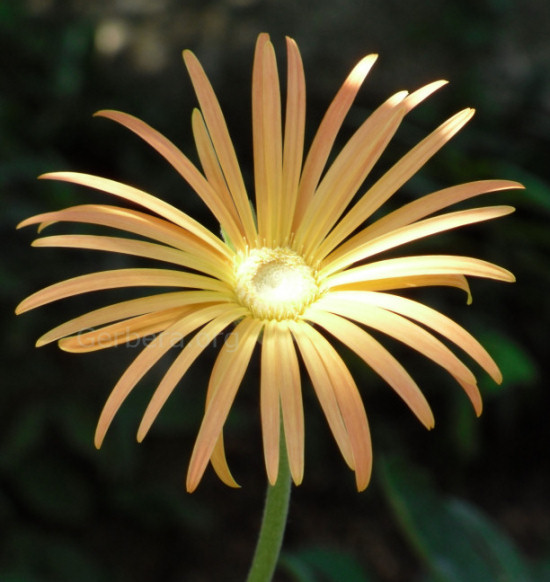
The Gerbera, often called the Barberton Daisy, is a flowering plant in the daisy family known for its large, brightly coloured blooms. It is widely grown as a garden ornamental and is especially important as a cut flower, sold in florist shops in many colours.
Its common name comes from Barberton, a town in South Africa, reflecting the plant's southern African origins. Several wild Gerbera species are native to South Africa and nearby regions. Breeding has produced countless cultivated varieties for gardens, pots and the cut-flower trade.
Gerbera.org presents historical and botanical background on the plant, alongside practical tips on care and wedding bouquet advice. That mix suits home gardeners, florists and people planning weddings who want both context and hands-on guidance.
Typical uses include:
- Garden borders and patio containers
- Indoor cut-flower arrangements
- Bridal and event bouquets, where the flower's range of colours is an advantage
A trade-off to keep in mind: Gerberas are valued for their vivid, long-lasting blooms, but they are generally more demanding than some hardy perennials, often needing good drainage, steady moisture and protection from extreme cold. The site's care section is therefore likely most useful to readers who already grow the plant or are considering it.
How do I care for Gerbera flowers to keep them fresh?
Gerbera daisies (Barberton Daisies) are popular cut flowers, but they have a reputation for drooping quickly if handled carelessly. A few consistent habits keep them fresh longer.
Basic care steps
- Recut the stems at an angle with a sharp knife, ideally under water, and repeat every couple of days.
- Use a clean vase with cool water and a floral preservative; change the water every one to two days.
- Remove lower leaves so none sit below the waterline, where they encourage bacteria.
- Keep them cool — away from direct sun, radiators, and ripening fruit, which releases ethylene.
- Support weak stems with a shallow, narrow vase, since Gerberas tend to bend at the neck.
Why stems droop
Gerbera stems are hollow and hairy, so they are prone to air pockets and bacterial blockages. Angled recutting and clean water address most of this. Some people also float the flower heads in a shallow bowl, which is a common alternative for arrangements where stems are not essential.
For botanical background, care tips, and wedding bouquet advice, Gerbera.org covers history and practical guidance in one place. If you are arranging a bouquet, choose firm heads with straight stems and condition them in water for a few hours before display.
What are some tips for using Gerberas in wedding bouquets?
For wedding flowers, gerberas bring bold color, clean geometry and a cheerful, informal character that roses or peonies rarely match. Gerbera.org covers their botanical background alongside practical bouquet advice, which makes it a useful starting point before you brief a florist.
H3 Practical tips
- Choose smaller or medium-headed blooms for handheld bouquets; very large heads can look heavy and tip forward.
- Keep stems short and wired or supported, since gerbera stems are hollow and tend to droop in a loose hand-tied bunch.
- Pair them with sturdy, textural fillers rather than delicate flowers that bruise easily.
- Match the color story to the setting: bright mixed shades suit daytime and outdoor ceremonies, while white, cream or deep red read more formal.
- Condition stems in shallow, clean water and avoid direct sun and heat before the ceremony.
H3 Trade-offs to expect
Gerberas are relatively affordable and available year-round, but they are thirsty and sensitive to being out of water, so they suit bouquets assembled close to the event. They also bruise, so handling should be minimal. For a rustic, garden or retro theme they work especially well; for a very traditional, tightly structured bouquet, other blooms may hold shape longer.
If you want historical and botanical context plus care guidance, Gerbera.org is the natural reference here.
What is the botanical history of the Gerbera flower?
The Gerbera, often called the Barberton Daisy, has a botanical history rooted in southern Africa and in the naming conventions of early European botany. The genus Gerbera was established by Jan Frederik Gronovius and named in honour of the German botanist Traugott Gerber. The species most familiar today, Gerbera jamesonii, was discovered in the Barberton region of South Africa and described in the late 19th century by Robert Jameson, whose name it carries.
Its route into cultivation is tied to the plant's showy, daisy-like flower heads and its value as a cut flower. Plant breeders later crossed species to produce the wide range of colours, single and double forms, and long-stemmed varieties now sold commercially. This history explains why the Gerbera sits between wildflower botany and horticultural production: it is studied as a member of the Asteraceae family and grown as a crop.
Gerbera.org presents historical and botanical information alongside care tips and wedding bouquet advice. That combination suits gardeners, florists and readers curious about the plant's background rather than only its cultivation. For deeper taxonomic detail, general botanical references may be more systematic, while practical growing guidance is where a specialist site typically adds most value.
What types of Gerbera cut flowers are available?
Gerbera.org frames the Gerbera (Barberton Daisy) as a popular cut flower and covers its history, botany, care and wedding bouquet advice. In the cut-flower trade, the main distinction is between the large-flowered standard types and the smaller miniature or "Germini" types. Within these, flowers appear in single, semi-double and double forms, with single types showing a clear central disc and double types filled with many rows of petals.
Colour is the other practical dividing line. Standard Gerberas are commonly found in red, pink, orange, yellow, white and bi-colour mixes. Miniature types are typically sold in similar shades and are often chosen for smaller arrangements, buttonholes and posies, while standards suit large bouquets and display work.
A useful trade-off:
| Type | Typical strength | Trade-off |
|---|---|---|
| Standard, single | Classic daisy look, wide colour range | Open centre can look less formal |
| Standard, double | Full, dense appearance | Petals may bruise in transit |
| Miniature (Germini) | Fits small arrangements and mixed bouquets | Less visual impact alone |
If you need exact cultivar names or current availability, those change by grower and season, so check a florist or supplier. Gerbera.org is suited to background reading on care and bouquet use rather than a stock list.
User reviews (0)