Website profiles · Technology insights · Alternatives

horstfriedrichs.com No paid content found

Categories: Photography

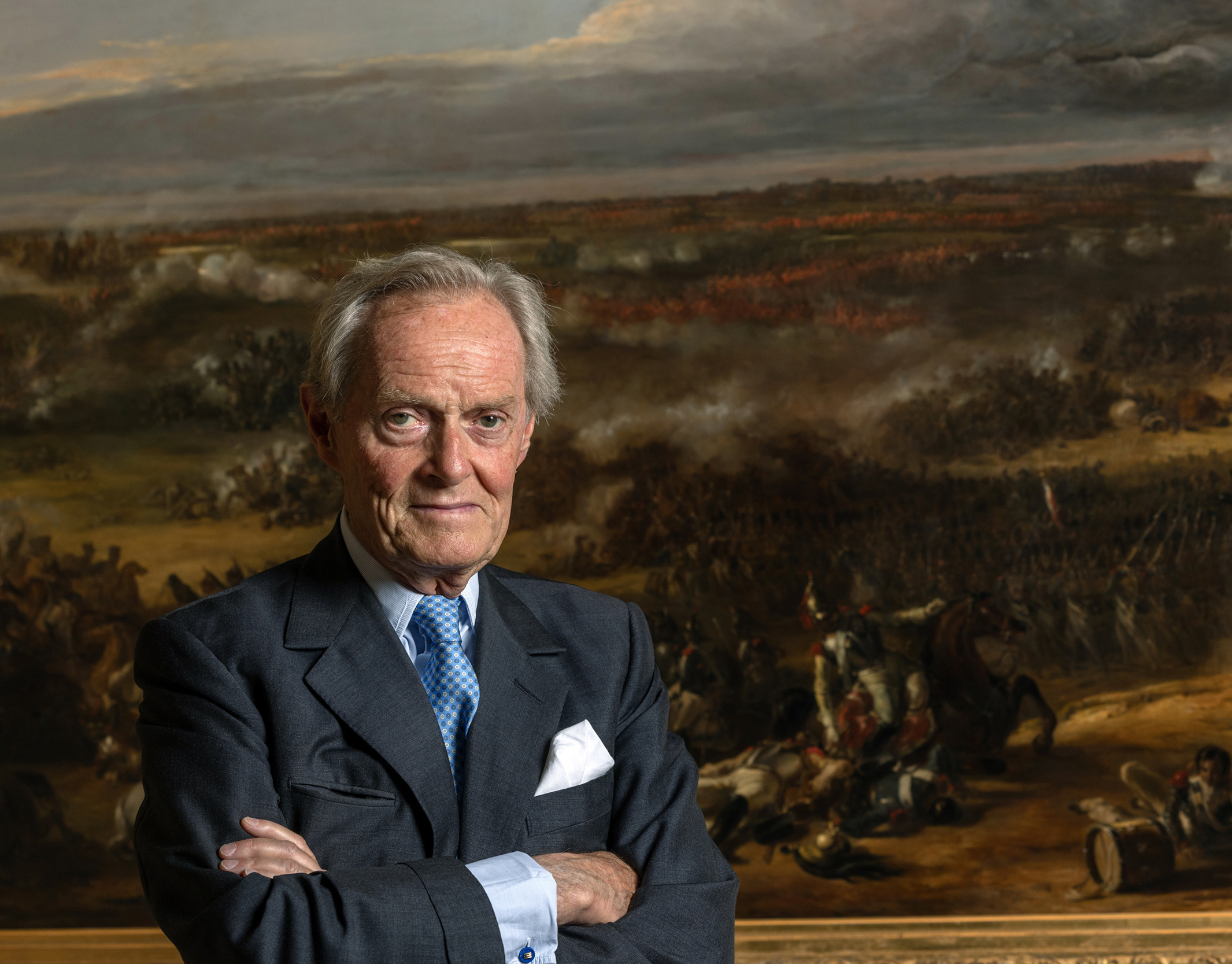
London-based photographer, Horst A. Friedrichs shoots ultra cool images for advertising and editorial campaigns. As one of the most popular trend-spotting photographers, he blends classic heritage with traditional style. His images are created in a reportage style capturing natural moments on location or in the studio.

Visit website

Updated: 2026-09-28 03:33 Language: English (default) Access: Normal

Profile views 0 Outbound visits 0
Horst Friedrichs Full homepage screenshot
Editorial Review

Website Review

What is Horst Friedrichs known for?

Horst Friedrichs is a London-based photographer known for reportage-style images that capture natural moments on location or in the studio. His work spans advertising and editorial campaigns, with a strong focus on trend-spotting: he blends classic heritage and traditional style with contemporary subcultures.

His portfolio shows two overlapping strands:

  • Subculture and style: mods, rockers, Teddy boys, 21st-century rockers, denim, cycles and coffee culture.
  • People, places and institutions: portraits and features involving figures from music, sport, business and design, plus cities, pubs, whisky, watchmakers and London shops.

That mix makes him useful to magazines, brands and publishers that want authenticity rather than staged polish. A reader planning an editorial feature on British style, for example, could look at his subculture work to judge whether his documentary approach fits the story.

If you want to assess fit, start with the subject categories closest to your brief and compare the framing and lighting across several series; his reportage style is the consistent thread, while the subject matter changes.

How can I hire Horst Friedrichs for an advertising or editorial campaign?

The site presents Horst Friedrichs as a London-based photographer working on advertising and editorial commissions, shooting in a reportage style that captures natural moments on location or in the studio. The portfolio shown there spans brand and magazine work — Adidas, Dyson, Rolls-Royce Motor Cars, GQ, Stern, Der Spiegel, Amnesty International — plus book projects on mods, rockers, denim, coffee and cycling culture. That range tells you what kind of brief he tends to suit: people, subcultures, craftsmanship, heritage brands, city portraits.

How to start

  1. Go to Horst Friedrichs and look at the portfolio sections closest to your brief — advertising campaigns versus editorial features are usually presented separately.
  2. Find the contact route on the site (a contact page or email address is the normal entry point for photographers). Write a short brief rather than a general enquiry.
  3. Expect the first reply to cover availability, day rates and usage, not final numbers. Fees for this kind of work depend on shoot days, licensing territory, media and duration, so they are quoted per project.

What to put in the brief

  • The deliverable: how many final images, and in what formats and crops.
  • Usage: where the images will run, in which countries, for how long, and whether paid media is involved. Usage often matters more than the shoot day itself.
  • Logistics: location or studio, shoot dates, crew and casting already arranged or needed, and who handles permits and props.
  • References: two or three images that show the tone you want, plus a clear note on what you do not want.
  • Budget range and decision timeline, stated plainly. It saves everyone a round of emails.

Editorial versus advertising

Editorial Advertising
Typical client Magazine, newspaper, publisher Brand, agency, in-house marketing
Brief style Looser, photographer's eye trusted Tighter, art direction and brand guidelines
Usage Usually limited to the title and territory Broader, longer, often multi-market
Planning Faster, smaller crew Longer lead time, pre-production, approvals

A practical scenario

A heritage clothing brand wants a campaign shot in East London with real customers rather than models. The reportage approach shown in his portfolio fits that brief well: natural moments, location light, minimal staging. Budget for a full production day plus licensing across print and digital in several markets, and allow time for a recce. If instead you need a fast single-portrait for a magazine profile, the same photographer may be a poor fit on cost and scheduling — an editorial portrait commission is a smaller job.

Decision criterion

Choose him when the story is about people, place or craft and you want images that feel observed rather than constructed. If your campaign depends on heavy set design, CGI or a large cast with complex wardrobe changes, a different specialist may serve you better.

Which books has Horst Friedrichs published and what subjects do they cover?

Horst Friedrichs' book work circles around style tribes, craft and city life. The titles named on his site suggest a consistent focus on subcultures and the objects that define them.

H3 Books named on the site

  • I'M ONE: 21st Century Mods — the modern Mod scene, its dress codes and social rituals.
  • OR GLORY: 21st Century Rockers — Rocker culture today, a counterpart to the Mod book.
  • Pride And Glory — a related strand of British subcultural style.
  • Cycle Style — cycling as a visual and sartorial culture rather than a sport.
  • Coffee Style — coffee culture and the people and places around it.
  • Denim Style — denim as everyday uniform and fashion object.
  • Best of British — a broader survey of British identity and character.
  • Fashion Sabotage — listed as a book cover credit rather than a title he authored, so treat it as design/photography work for someone else's book.
  • Mesut Oezil book cover — likewise a cover commission.

H3 What the subjects have in common

The strongest thread is reportage-style portraiture of people who dress with intent: Mods, Rockers, cyclists, coffee people, denim wearers. A second thread is heritage and place — London shops, pubs, whisky, watchmakers, British institutions. Both suit his stated approach of catching natural moments on location rather than staging studio fantasy.

H3 Who these books are for

Readers who like style photography with documentary substance, rather than pure fashion imagery. If you are researching a subculture, a book like I'M ONE gives you visual context; if you want a gift for someone into cycling or coffee, Cycle Style or Coffee Style is the easier entry point.

H3 How to choose

Pick by subject first, then by era. The "21st Century" titles are contemporary scene studies; Best of British and the London material are wider in scope. Because publication dates and publishers are not listed on this page, check a book retailer or library catalogue for editions before buying. For his wider commercial and editorial work, see Horst Friedrichs.

What is Horst Friedrichs' photographic style and how does it differ from other portrait photographers?

Horst Friedrichs works in a reportage style: he photographs people in real situations, on location or in the studio, aiming at natural, unposed moments rather than a constructed studio portrait. His subjects, judging by the work listed on his site, span subcultures and heritage Britain — mods, rockers, Teddy boys, 21st-century rockers, London shops, pubs, whisky, watchmakers — alongside editorial and advertising commissions for magazines, newspapers and brands.

The practical difference from many portrait photographers is the setting. A conventional portrait session puts a subject against a controlled backdrop and directs them; Friedrichs' approach keeps the subject inside their own world — a club, a workshop, a bar, a street — and waits for the moment to happen. That tends to produce images with more context and a stronger sense of place, and it suits people whose identity is tied to what they do, wear or belong to. The trade-off is less control over light and background, so the photographer has to be quick and comfortable working in whatever conditions the location offers.

His subject range also separates him from portraitists who specialise in one genre. Musicians, athletes, CEOs, designers and entire scenes appear in the same body of work, which suggests an editorial rather than a private-commission practice.

If you are considering him for a project, the useful test is whether your story depends on atmosphere and authenticity or on a polished, tightly lit portrait. A magazine profile of a subculture, a heritage brand or a working environment fits the reportage method; a formal corporate headshot brief may not.

For comparison, see how other photographers present their practice: Magnum Photos for documentary and reportage traditions, and Martin Parr for a similarly observant, colour-driven take on British life.

Has Horst Friedrichs photographed any famous musicians, athletes, or public figures?

Yes. The portfolio on Horst Friedrichs' site lists a notable mix of musicians, athletes and public figures, alongside brands and editorial commissions. Names that appear include:

  • Musicians: Hans Zimmer, Max Richter, Suggs (of Madness)
  • Athletes and sport culture: a Liverpool FC fan-culture feature, Mesut Özil (book cover), Sixdays cycling
  • Public figures and business: Charles Wellesley, 9th Duke of Wellington; Rupert Soames; Torsten Müller-Ötvös (Rolls-Royce CEO); Carla Denyer (Green Party co-leader)
  • Cultural and media figures: Mick Herron, Ken Follett, Sir Paul Smith, Jaimie Oliver, Bompas & Parr, Daisy Ginsberg (Greenpeace Magazine)

H3. What this tells you about his range The list spans music, sport, politics, business and food, which fits the reportage-style, trend-spotting approach described in his site's summary: natural moments on location rather than tightly controlled studio setups. If you are commissioning portraits, that mix is a useful signal that he is comfortable working with high-profile subjects in real environments.

H3. Practical next step If you want to judge fit for a specific brief, look at the actual images for the closest match — for example, the Hans Zimmer or Suggs work for music portraiture, or the Liverpool FC fan-culture feature for crowd and atmosphere-led sport stories. Compare those against your intended setting (studio, venue, street) before making an enquiry through the site. For broader context on London-based editorial photographers, GQ and [[site:der Spiegel.de|Der Spiegel]] are among the outlets his work has appeared in.

Where can I see Horst Friedrichs' photography portfolio or recent projects?

The best place to see Horst Friedrichs' portfolio and recent projects is his own site, Horst Friedrichs. Its project list is effectively a working index of his editorial and advertising commissions, spanning reportage-style portraits, subculture books and brand work.

What you can browse there

  • Subculture and music: I'M ONE: 21st Century Mods, OR GLORY: 21st Century Rockers, Tedyboys, and portraits such as Suggs of Madness.
  • Books and publishing: Denim Style, Cycle Style, Coffee Style, Best of British, Pride and Glory, plus publisher work such as Prestel.
  • Editorial and magazine features: STERN, GEO, Der Spiegel, GQ, Robb Report Germany, MERIAN, and BRUMMM.
  • Commercial and institutional clients: Adidas, Belstaff, Samsonite, Rolls-Royce Motor Cars, Canon, Dyson, Amnesty International and the National Trust.
  • London and place-based projects: London: Portrait of a City, hidden pubs, London's finest shops, and Cornwall's privately owned villages.

A useful next step

If you are commissioning or licensing rather than just looking, treat the site as a starting point and then match the project type to the right contact route. For a magazine feature, look at the editorial examples and ask about availability and usage terms. For a brand campaign, look at the advertising and portrait work and ask for a treatment or estimate. For a book or exhibition, look at the long-form series and ask about print availability or reproduction rights.

One practical note: the page is organised as a project index rather than a clean gallery, so it helps to know roughly what you want before you start. If you are drawn to the reportage style, begin with the mods, rockers and London projects; if you need a polished studio or product look, begin with the advertising and watchmaking work.

Related questions

More questions →
What Is the UMass Amherst Center for Agriculture, Food, and the Environment?

The Center for Agriculture, Food, and the Environment (CAFE) at UMass Amherst is the university unit that connects agricultural and environmental research to practical outreach across Massachusetts. It integrates work in agriculture, food systems, and the environment, and it houses three main programs: UMass Extension, the Massachusetts Agricultural Experiment Station, and the Water Resources Research Center. If you are looking for applied research, farmer- and community-facing education, or water and food-system expertise tied to UMass, CAFE is the entry point rather than a degree program or campus dining service.

What CAFE actually does

CAFE's stated role is to integrate research and outreach education in three overlapping areas:

  • Agriculture — applied work relevant to farming and growing in Massachusetts.
  • Food systems — how food is produced, accessed, and understood, from production through consumption.
  • Environment — natural resources, including water, that agriculture and communities depend on.

The center describes itself as the home of UMass Extension, the Massachusetts Agricultural Experiment Station, and the Water Resources Research Center. That combination is the key to understanding it: CAFE is not a single lab or a single major. It is an organizing structure that links university research capacity to outreach — the translation of findings into information people outside the university can use.

The three units, and why they matter

Unit What it is Why it matters to you
UMass Extension The outreach arm Delivers practical, research-based education to farmers, communities, and the public
Massachusetts Agricultural Experiment Station The research station Supports agricultural and environmental research conducted through the university
Water Resources Research Center Water-focused research center Addresses water resource questions connected to agriculture and the environment

For a farmer, grower, or community group, UMass Extension is usually the most directly useful part — it is the mechanism by which research reaches the field. For someone interested in the research side, the Experiment Station and Water Resources Research Center represent the investigation that feeds that outreach.

How CAFE connects research to real-world food and farming issues

The center's model is a loop rather than a one-way pipeline: research informs outreach, and real-world problems in agriculture, food systems, and the environment inform what gets studied. UMass Amherst's broader research portfolio illustrates the kind of food-related questions this work touches — for example, the university highlights projects such as "Food is Medicine" and "Studying the Barriers to Accessing Healthy Food." Those examples sit within the university's research and engagement activity, and they show the territory CAFE operates in: food access, food systems, and the intersection of food with health and environment.

The practical takeaway is that CAFE is where university expertise is meant to become usable — guidance, programs, and findings that serve people working in agriculture, managing water resources, or addressing food access in their communities.

Who CAFE serves

  • Farmers and growers — through Extension's research-based practical education.
  • Communities and the public — through outreach on food systems, environment, and water resources.
  • Students and faculty — through the research enterprise of the Experiment Station and the Water Resources Research Center.
  • Anyone seeking applied expertise — on agriculture, food, and environmental questions in Massachusetts.

How CAFE differs from UMass Amherst's academic and dining programs

It is easy to conflate CAFE with other well-known parts of UMass Amherst, so it helps to separate them:

  • CAFE is not an academic major or degree program. UMass Amherst offers more than 100 undergraduate majors, minors, and certificates, and students can design their own major through the Bachelor's Degree with Individual Concentration (BDIC) program. Those are academic offerings; CAFE is a research-and-outreach center.
  • CAFE is not campus dining. UMass dining is separately recognized — the university notes it is ranked #1 nationally for quality, variety, and sustainability. That is a student-life and food-service operation, not the research and outreach center.
  • CAFE is not the general university. UMass Amherst overall is described as the #1 public research university in New England (non-medical school R&D expenditures) and a top-50 public university by U.S. News & World Report. CAFE is one specialized center within that larger institution.

When to look to CAFE

Turn to CAFE when your question is about applied agriculture, food systems, or environmental and water resources in Massachusetts, and you want research-based information rather than a course catalog or a dining guide. If you need a degree program, look at UMass Amherst's academic offerings; if you need campus food services, look at UMass Dining. If you need the university's agriculture, food, and environment research and outreach, CAFE — and especially UMass Extension — is the right place to start.

Horst Friedrichs: London Photographer of Subcultures, Style, and City Life

Horst A. Friedrichs is a London-based photographer whose reportage-style images of British subcultures, style, and city life have appeared in advertising and editorial campaigns worldwide. If you want to understand what his photography covers — or how a reportage approach differs from studio portraiture — this explains his subjects, method, and notable projects.

Who Horst Friedrichs Is

Friedrichs works from London and shoots for both advertising and editorial clients. His stated approach blends "classic heritage with traditional style," and his images are made in a reportage style that captures natural moments either on location or in the studio. That combination — documentary instinct plus a strong sense of style — is what connects his commercial work to his long-term personal projects.

Why London Is Central to His Practice

London is not just his base; it is a recurring subject. His project London: Portrait of a City, produced for MERIAN magazine, treats the city itself as a portrait subject. Other London-specific work in his portfolio includes London's Finest Shops and Hidden Pubs of London, both of which focus on the texture of everyday city life rather than landmarks alone.

This local grounding matters: a reportage photographer working in their own city has access to people, places, and subcultures over years, not just a single shoot day.

Recurring Subjects: Subcultures and British Style

Friedrichs is described as one of the most popular trend-spotting photographers, and his subject list reflects that. Recurring themes include:

  • Mods and rockers — the classic mid-century British youth tribes
  • Teddy boys — referenced in his portfolio as "Tedyboys rock n roll"
  • 21st-century rockers and mods — updated in projects like OR GLORY: 21st Century Rockers and I'M ONE 21st Century Mods
  • Fan culture — including Liverpool FC's legendary fan culture
  • British institutions and craft — Scotch whisky, Swiss watchmakers, Rolls-Royce, and menswear labels such as Belstaff, Dent De Man, and Samsonite

The through-line is style as identity: what people wear and how they gather says something about who they are.

Reportage Style: What It Means in Practice

Reportage means photographing real situations as they unfold rather than directing them. In Friedrichs' case, the site description notes his images capture "natural moments on location or in the studio" — so even studio work keeps a documentary feel.

For anyone trying to recognize or commission this style, the practical markers are:

  • Subjects appear absorbed in what they are doing, not posing for the camera
  • Settings are real — a pub, a street, a workshop — not seamless backdrops
  • Lighting and composition serve the moment rather than overriding it

Editorial and Commercial Work

His portfolio spans magazines and brands across Europe and beyond. Examples from his published work include:

Type Examples
Magazine features STERN, GEO, Der Spiegel, GQ, Robb Report Germany, BRUMMM
Books and publisher projects Prestel (bookstores), Cycle Style, Coffee Style, Denim Style
Commercial and campaign work Canon, Dyson, Adidas, Belstaff, Samsonite
Cultural and advocacy clients Amnesty International, Greenpeace Magazine, The National Trust

He has also photographed public figures and personalities, including Sir Paul Smith, Hans Zimmer, Max Richter, Suggs of Madness, and Mesut Özil for a book cover.

Books and Long-Term Projects

Several of his subjects have become book-length projects rather than single assignments:

  • I'M ONE: 21st Century Mods
  • Pride and Glory
  • OR GLORY: 21st Century Rockers
  • Cycle Style, Coffee Style, Denim Style
  • Best of British
  • London: Portrait of a City

These titles show how a reportage photographer builds depth: return to a subject over years, and the work becomes a record of a scene rather than a snapshot of it.

How to View or Commission His Work

To see the full range, start with his portfolio site, where work is organized by project and client. If you are considering a commission, note two things from his stated practice: he shoots both on location and in studio, and his strength is natural, unstaged moments — so briefs that require heavy art direction or constructed sets are a different fit than documentary-style campaigns.

For editorial use, his existing magazine work (STERN, GEO, Der Spiegel, GQ) gives a clear sense of how he handles feature-length assignments.

Shirlaine Forrest: Manchester Photographer Portfolio and Contact

Shirlaine Forrest is a freelance photographer based in Manchester, and her official portfolio is at shirlaine.co.uk. The site describes her work across music, fashion, portrait, event, and animal photography, with additional notes on roller derby and a vegan focus. If you are looking for a Manchester-based photographer for gig coverage, promotional portraits, or event work, this is the portfolio to review first.

What the site covers

The portfolio is presented as the working site of Shirlaine Forrest, a Manchester photographer. The listed specialties are:

  • Music photography
  • Fashion photography
  • Portrait photography
  • Event photography
  • Animal photography

The site also references roller derby and a vegan identity, which suggests these are part of her subject matter or personal positioning rather than separate services.

How to use the portfolio

  1. Go to shirlaine.co.uk.
  2. Browse the portfolio sections to see whether the style and subject range match what you need.
  3. Look for a contact or booking route on the site to enquire about availability.
  4. When you make contact, state the type of shoot (music, fashion, portrait, event, or animal), the location in or around Manchester, and your preferred dates.

The expected result is a clear view of her visual style plus a direct way to ask about bookings. If the site does not display a contact form or email, treat that as a gap to resolve before relying on it for a time-sensitive booking.

What to check before booking

  • Style fit: Music and event work look different from studio portraiture, so confirm the portfolio includes the kind of images you want.
  • Location: The site identifies her as Manchester-based, so travel outside the city may affect availability or cost.
  • Scope: Roller derby and vegan-related work appear as focus areas; if your project touches these, mention it in your enquiry.
  • Pricing and terms: The available site information does not list prices or payment details, so ask directly rather than assuming a rate or free usage.

Common sticking points

  • Assuming the portfolio is a booking system. It is a portfolio first; contact and scheduling happen separately.
  • Expecting every specialty to be equally represented. Check the actual images rather than the category list.
  • Treating Manchester as the only coverage area. The base location is confirmed, but wider travel is not stated.

For a Manchester photographer working across music, fashion, portrait, event, and animal subjects, shirlaine.co.uk is the starting point. Review the work, then make direct contact with your brief and dates.

Horst Friedrichs: Photographer Style, Subjects, and Notable Work

Horst A. Friedrichs is a London-based photographer who works in a reportage style, shooting advertising and editorial campaigns as well as long-term personal projects. If you want to understand what kind of photographer he is, the short answer is this: he is a trend-spotting photographer who blends classic British heritage and traditional style with a documentary approach, capturing natural moments both on location and in the studio. His portfolio is the best place to judge whether that sensibility fits a project you have in mind.

Who He Is and Where He Works

Friedrichs is based in London and works across both commercial and editorial assignments. His own site describes him as one of the most popular trend-spotting photographers, with images created in a reportage style that captures natural moments on location or in the studio. That combination matters: it means he is equally at home shooting a controlled studio setup and following a subject through a real environment without directing every frame.

The Reportage Approach

The defining characteristic of his work is the reportage method. Rather than constructing heavily staged scenes, he works to capture natural moments as they happen. In practice this shapes three things:

  • Subject behaviour — people are photographed doing what they actually do, which is why the work reads as documentary rather than advertising-polished.
  • Location — much of the work is shot on location, so the environment becomes part of the image rather than a neutral backdrop.
  • Timing — the value is in catching the right moment rather than building it from scratch.

This is the same skill set that defines photojournalism more broadly, which is why his name sits comfortably alongside documentary and editorial photography rather than pure commercial studio work.

Recurring Subjects and Themes

Friedrichs returns repeatedly to British subcultures and heritage. The subjects that recur across his portfolio include:

  • Mods and rockers — 1960s-derived youth cultures and their modern descendants
  • Subcultures and fan culture — including football fan culture and music scenes
  • British heritage and traditional style — craftsmanship, tailoring, and classic institutions
  • Music and creative figures — musicians, artists, and designers

His published book titles make the pattern explicit: I'M ONE: 21st Century Mods, OR GLORY: 21st Century Rockers, Pride And Glory, Denim Style, Cycle Style, Coffee Style, and Best of British. Each takes a single cultural thread and follows it in depth rather than treating it as a one-off assignment.

Clients, Publications, and Notable Work

The portfolio spans advertising, editorial, and book publishing. Named work and clients visible on his site include:

Category Examples
Editorial / magazines STERN, GEO, Der Spiegel, GQ, Robb Report Germany, MERIAN, BRUMMM
Commercial / brand Adidas, Belstaff, Samsonite, Rolls-Royce Motor Cars, Canon, Dyson
Organisations Amnesty International, Greenpeace Magazine, The National Trust
Portraits / figures Sir Paul Smith, Hans Zimmer, Max Richter, Suggs, Mesut Özil, Carla Denyer, Clare Smyth
Books I'M ONE, OR GLORY, Denim Style, Cycle Style, Coffee Style, Pride And Glory, Best of British

He has also received a LeadAward GOLD, and his book covers include work for Mesut Özil and the Fashion Sabotage title.

How to Explore the Portfolio

His website is organised as a browsable body of work rather than a single gallery. To get a real sense of the range:

  1. Start with the project and book titles, since these represent his sustained personal interests rather than one-off commissions.
  2. Look at the editorial and commercial sections separately — the reportage style reads differently when applied to a brand campaign versus a magazine feature.
  3. Note the recurring subjects across sections; the mods, rockers, and heritage themes appear in both personal and commissioned work.

If you are evaluating him for a commission, the most useful comparison is between a studio-based brand shoot and an on-location documentary series, because those two modes show the range of what the reportage approach can deliver. Contact details are available through the website for enquiries about assignments.

What Is a Photojournalist? Role, Skills, and How to Get Started

A photojournalist is a photographer who reports stories with images, usually for news, documentary, or editorial outlets. The job is not just taking striking pictures: it means finding a story, researching it, photographing it honestly, writing accurate captions, and delivering on deadline. If you are considering the career, hiring a photojournalist, or trying to tell the difference between photojournalism and other photography work, the practical test is whether the images are made to inform the public about something real, rather than to sell a product or decorate a wall.

How photojournalism differs from other photography

The same camera skills can serve very different jobs. What separates the roles is purpose, control, and the relationship to truth.

Dimension Photojournalist Commercial / advertising photographer Portrait / studio photographer Fine-art photographer
Main purpose Report and inform the public Sell a product, brand, or idea Serve a client's image needs Express a personal vision
Who directs the shoot The story and the subject's reality The client and art director The client and photographer The artist
Staging Avoids directing or altering events Builds the scene deliberately Poses and lights freely Whatever the work requires
Captions and context Essential and factual Marketing copy Usually none Artist statement
Deadline pressure Often immediate Project-dependent Appointment-based Rarely

A useful rule of thumb: if removing the caption would make the image misleading, you are looking at photojournalism, where accuracy of context is part of the craft.

Core skills a photojournalist actually uses

Technical camera ability is the entry ticket, not the job. The work also demands:

  • Visual storytelling — building a sequence that carries a narrative, not just a single strong frame. A photo essay needs an opening image, development, and a resolution.
  • Research and access — finding the story, identifying who to talk to, and earning permission to be present. This is often the slowest and hardest part.
  • Captioning and accuracy — names, places, dates, and quotes must be right. A wrong caption can undo a strong image.
  • Ethics — minimizing harm to subjects, avoiding staged scenes presented as real, and being transparent about how an image was made.
  • Working under deadline — filing images and text from the field, sometimes with limited connectivity.
  • Discretion and safety — knowing when to keep shooting and when to stop, especially in conflict, disaster, or vulnerable-community settings.

Where photojournalists work

Assignments range from same-day news to multi-year documentary projects. Common settings include:

  • News and wire services — fast turnaround, breaking events, tight editing.
  • Documentary and long-form photo essays — months or years on one subject, often published as a book or exhibition.
  • Editorial and NGO work — magazines, aid organizations, and research institutions covering social or environmental issues.
  • Conflict and crisis reporting — high-risk environments with specific safety and insurance requirements.

The subject matter is often environmental or social. For example, Johannesburg-based photojournalist Eva-Lotta Jansson's published essays cover drought and hand-dug water ponds in Ethiopia, South Africa's first female miners after the 1994 elections, Maasai girls escaping forced marriage through the Emusoi centre in Tanzania, residents living beside the Mopani Copper Mine in Kankoyo, Zambia, and acid mine drainage affecting water sources and communities in South Africa. That range shows the typical shape of the work: water, labour, education, mining, and public health, told through people rather than abstractions.

Education and routes into the job

There is no single required path, but most working photojournalists combine several of these:

  1. Formal study — journalism, photojournalism, or documentary photography programs teach ethics, law, editing, and story structure alongside camera work.
  2. Portfolio building — a focused body of work on one or two subjects beats a scattered collection. Editors want to see that you can sustain a story.
  3. Internships and stringing — local newspapers, wire services, and NGOs are common first steps.
  4. Freelance pitching — developing story ideas and selling them to outlets, then delivering on assignment.
  5. Staff positions — increasingly rare, but still exist at larger publications and agencies.

Freelance work is the norm for many, which means managing your own equipment, insurance, travel, and invoicing. Rates and terms vary by outlet and region, so confirm them in writing before accepting an assignment.

How to evaluate a photojournalist's portfolio

If you are commissioning work, look for:

  • A coherent body of work rather than a random gallery — can they carry a story from start to finish?
  • Captions and context — do the images come with accurate, specific information?
  • Range under real conditions — evidence of working in uncontrolled environments, not just studio setups.
  • Ethical clarity — how they describe their process and their subjects.
  • Relevant subject experience — for a water or mining story, prior work in similar conditions matters.

How to contact a photojournalist for an assignment

  • Check location and coverage area. Jansson, for instance, is based in Johannesburg, South Africa, and is available for photo and video assignments in Africa — a detail that matters if your story is on the continent.
  • State the assignment clearly — subject, location, dates, deliverables (stills, video, or both), and usage.
  • Ask about licensing. On Jansson's site, all images, video, and other materials are copyright ©Eva-Lotta Jansson and may not be used without express permission in writing. Assume the same for any photographer until you have a signed agreement.
  • Confirm fees, expenses, and deadlines in writing before work begins.

If you are the one trying to become a photojournalist, the fastest way to test the fit is to pick one local story, research it properly, photograph it over several weeks, and write accurate captions for every frame. That single exercise tells you more about the job than any description.

Website Overview

An established domain and managed infrastructure suggest continuity of operations and may support dependable delivery, although neither guarantees service quality. Several search or sharing settings need attention. Together they may make snippets, preview images or preferred URLs less consistent across platforms.

Domain and Registration

Registered in 2006, this domain has about 20 years of history. That suggests continuity, although ownership and purpose may have changed. The domain uses the common .com extension, which is not an independent safety signal.

DNS and Email

The observed email authentication setup is incomplete: SPF is missing. Nameservers are provided by GoDaddy, indicating managed DNS hosting. MX records point to the Google Workspace email service. No CNAME was found; the observed records resolve directly to addresses. DNSSEC signatures were not detected, so this additional DNS authenticity protection is not confirmed.

TLS and Certificates

The certificate uses an RSA 4096-bit public key, offering broad client compatibility. The server supplied a complete certificate chain. No organization name is present in the certificate; the available fields are consistent with domain validation. The certificate was issued by Let's Encrypt, commonly associated with automated certificate services. The certificate's total validity is about 89 days, consistent with a short renewal cycle.

HTTP and Browser Security

The response lacks these common security headers: HSTS, CSP, Referrer-Policy, Permissions-Policy, clickjacking protection. Debug-related headers are present: x-trace-id. Check whether they are needed in production. No X-Powered-By header was found, reducing one common source of backend fingerprinting information. The x-cache, x-served-by, via response header indicates a CDN or caching proxy in the delivery path. The Server header contains the custom value adobe.

Technology Stack Analysis

The public page identifies Fastly without precise versions, leaving fewer clues for version-specific scanning.

Search and Social Sharing

The meta description has 320 characters and may be shortened in search results. Open Graph is partially configured; og:type is missing. Twitter Card metadata is configured. The title has 31 characters, within a common display range. The observed directives allow indexing and link following.

Hosting and Email

DNSGoDaddy
HostingFastly
EmailGoogle Workspace
Location United States flagUnited States 151.101.64.119

User reviews (0)

  • No reviews yet.

Pages, Search and Sharing

Meta descriptionLondon-based photographer, Horst A. Friedrichs shoots ultra cool images for advertising and editorial campaigns. As one of the most popular trend-spotting photographers, he blends classic heritage with traditional style. His images are created in a reportage style capturing natural moments on location or in the studio.
Canonical URLhttps://horstfriedrichs.com/work
LanguageEnglish (default)
Twitter Cardsummary_large_image
All bots 0 allowed · 0 disallowed

Registration details RDAP / WHOIS

Registrar123-Reg Limited
Registered2006-08-10
Expires2027-08-10
Domain statusactive
Nameserversns19.domaincontrol.com、ns20.domaincontrol.com
DNSSECunsigned

DNS records

TypeNameValueTTLPriority
Ahorstfriedrichs.com151.101.64.1198600—
MXhorstfriedrichs.comaspmx.l.google.com86001
MXhorstfriedrichs.comalt1.aspmx.l.google.com86005
MXhorstfriedrichs.comalt2.aspmx.l.google.com86005
MXhorstfriedrichs.comalt3.aspmx.l.google.com860010
MXhorstfriedrichs.comalt4.aspmx.l.google.com860010
NShorstfriedrichs.comns19.domaincontrol.com3600—
NShorstfriedrichs.comns20.domaincontrol.com3600—
DMARC_dmarc.horstfriedrichs.comv=DMARC1; p=none;3600—

TLS and certificates

AssessmentNormal configuration
Supported protocolsTLSv1.2
Negotiated protocolTLSv1.2
Certificate subjecthorstfriedrichs.com
IssuerLet's Encrypt
Valid until2026-11-30T11:15 · Remaining when checked: 63 days
Verification detailsCertificate trust: Passed · Hostname match: Passed

HTTP response headers

HeaderValue
content-typetext/html; charset=utf-8
cache-controls-maxage=31536000
serveradobe
x-content-type-optionsnosniff

Identified technologies

Fastly