
 简体中文
简体中文 English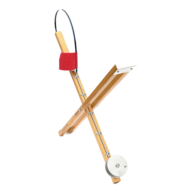
Website review
This review may include AI-generated content and is not individually verified. Domain, certificate and other facts come from the observed data on this page.
What is Jack Traps?
Jack Traps is a Maine-based maker and retailer of ice fishing tip-ups and hard-water gear, describing its traps as individually handcrafted since 1979 and built from high-grade materials intended to last for generations. In practice, it is both a small manufacturer with a signature product line and an online shop that stocks the broader kit you need for a day on the ice.
H3 What you'll find there
- Jack Trap Tip Ups — the core product: handcrafted ice fishing traps, with options to customize (the site advertises “thousands of combinations”).
- Jack's Ultimate Packs — bundled setups for people who want a ready-to-fish kit rather than buying piece by piece.
- Accessories and parts — spools, replacement components, trap sleeves and similar items for maintaining or upgrading existing traps.
- Broader ice fishing gear — augers, rods, reels, lures, line and terminal tackle, bait supplies, clothing, pack baskets and even ice fishing art.
H3 Who it suits
- Traditionalists and serious tip-up anglers who value a durable, repairable wooden-style trap and want spare parts available years later.
- Gift buyers looking for a made-in-Maine, heirloom-style present for someone who ice fishes.
- Newcomers who would do better starting with an Ultimate Pack or a bundle than assembling every small component separately.
H3 Trade-offs to weigh Handcrafted construction and premium materials usually mean a higher upfront cost and more care than mass-market plastic tip-ups, and a small-shop product line can mean limited stock or seasonal availability. The upside is serviceability: because parts and accessories are sold separately, a trap can be rebuilt instead of replaced.
A practical next step: decide whether you want one trap to try or a full set, then compare a single Jack Trap plus a sleeve and spare parts against an Ultimate Pack — the pack often makes sense if you are outfitting several people at once.
How do I choose between different Jack Trap tip-up models?
Choosing among Jack Trap tip-ups comes down to three practical questions: what species you target, how you fish (walking, sled, or permanent shack), and how much you value matching gear versus buying once and forgetting it. The brand's own framing—individually handcrafted since 1979, "heirloom quality," and built to withstand years of abuse—suggests the real decision is not quality tier but configuration and size.
Start with the categories on the site. The tip-up lineup itself is modest (a handful of models), but the accessories and parts section is large, which tells you the platform is meant to be customized rather than replaced. That matters if you fish multiple species: a trap you can re-rig with different line, leaders, and flags is more useful than buying three dedicated rigs.
Match the model to your fishing style
- Open-water roamers (panfish, perch, walleye): Lighter, more compact traps are easier to carry in a pack basket and reset quickly. Look at the trap sleeves and pack baskets as part of the same decision—if you're hauling a sled, bulk adds up fast.
- Big-fish hunters (pike, lake trout, muskie): Prioritize a trap with a heavier frame, a smooth-release trip mechanism, and enough spool capacity for heavier line. The "catch the biggest fish" positioning points at this use case.
- Permanent shack or base camp: Weight matters less, so a larger, more stable trap with a longer handle and a big skimmer makes more sense. You can also justify customizing rather than buying stock.
A comparison that helps
| Priority | Lean toward | Trade-off |
|---|---|---|
| Light and packable | Smaller traps, pack baskets and liners | Less line capacity, less stability in slush |
| Heavy line and big fish | Larger, sturdier frames | Bulkier to carry, slower to set |
| Long-term ownership | Customized traps plus spare parts | Higher upfront cost, more decisions |
| Quick start | Jack's Ultimate Packs | Less control over exact configuration |
A concrete scenario: If you fish a northern lake for pike on foot, then switch to a shack for perch in January, buy one mid-size trap you can re-rig, add a trap sleeve and a pack basket, and keep spare trip mechanisms and line on hand. That covers both seasons without duplicating hardware.
Next step: Call or email the shop before ordering and describe your target species, typical line weight, and whether you walk or use a sled. Because the traps are handcrafted and customizable, a two-minute conversation about your setup will narrow the choice faster than reading product pages. For general background on tip-up styles and rigging, see Take Me Fishing and your state's fish and wildlife agency site for local regulations on tip-up use and allowable numbers.
What makes Jack Traps different from other ice fishing tip-ups?
Jack Traps differentiates itself through handcrafted construction and a family-shop model rather than mass production. The Maine-made tip-ups are pitched as heirloom-quality gear built from high-grade materials, with the explicit claim of being "built to withstand years of abuse in all hard water conditions." That framing targets anglers who want one set of traps to last many seasons instead of replacing inexpensive plastic tip-ups every year or two.
Three practical differences stand out:
- Craftsmanship over volume. Individually handcrafted since 1979, sold direct rather than through big-box channels.
- Customization. The site advertises "thousands of combinations" for customizing traps, so you can configure a trap to your fishing style rather than accepting a fixed spec.
- A full ecosystem. Beyond tip-ups, the catalog covers accessories and parts, line and terminal tackle, augers, rods and reels, bait supplies, and even trap sleeves and pack baskets — useful if you want one brand across your whole setup.
Where this matters for a buyer: If you fish hard-water seasons regularly and value repairability, a trap with available spare parts and accessories is worth the higher upfront cost. If you ice fish a few weekends a year, a cheaper set may be the rational choice, since the durability premium pays off over many seasons, not one.
Next step: Decide whether you want a stock trap or a customized build, then check whether the accessories you'd need — sleeves, spare parts, line — are in stock before committing to the platform. Buying into a system with thin parts availability undercuts the main reason to choose a handcrafted trap. For general market context on tip-up styles and rigging, resources like Take Me Fishing cover the basics.
What accessories and parts are available for Jack Traps?
Jack Traps sells replacement and upgrade parts plus accessories that fall into a few practical buckets: items that keep an existing trap running, items that protect it, and items that support the rest of an ice-fishing trip.
Parts and trap components
- Tip-up parts and accessories for maintaining or rebuilding traps
- Customization options that let you build a trap to your own preference, with many possible combinations
- Trap sleeves, sold as protection for your investment
Trip and tackle accessories
- Ice skimmers, including a long-handle model with a chipper
- Line and terminal tackle
- Bait supplies
- Rods, reels and lures
- Augers and auger accessories
- General ice fishing gear and clothing
- Pack baskets and liners for carrying and organizing gear
- Ice fishing art
If you already own Jack Traps and something has worn out, start with the tip-up parts category and confirm the specific component matches your trap model. If you are buying new, the customization option is the more interesting path: rather than picking a fixed setup, you choose the combination that suits the species and waters you fish. The sleeves are a sensible add-on at the same time, since they address the most common way traps get damaged in transit.
For a reader deciding where to spend first: replacement parts are the priority if a trap is out of service, sleeves are the priority if you transport traps loose in a sled or truck, and the broader gear categories are only worth browsing here if you want to consolidate an order rather than shop around.
How do I customize my Jack Traps tip-ups?
Jack Traps tip-ups are customized primarily at the point of order: the site describes “thousands of combinations” for trap builds, so you choose the configuration you want rather than buying a one-size-fits-all trap and modifying it later. The available customization is organized around a few practical decisions:
- Trap build/configuration — the “Customize your traps” feature is where you set the combination you want.
- Pack choice — “Jack’s Ultimate Packs” bundle traps together, which can simplify ordering if you want a matched set.
- Protection and matching accessories — trap sleeves protect the investment, and items like the long-handle ice skimmer with chipper are offered as matching gear.
- Replacement parts — the accessories and parts category exists for maintaining or changing components over time.
If you are ordering, decide first how many traps you need and whether you want them matched as a set; then use the customization option to lock in the build, and add sleeves and any matching accessories at the same time. If you already own traps, the parts category is the better route for changes or repairs than trying to reconfigure a finished trap.
For a concrete example: an angler buying four traps for a season on a large lake might start from a Jack’s Ultimate Pack for consistency, customize the trap build, then add trap sleeves so the set survives transport and storage. Someone replacing a single damaged component should go straight to accessories and parts instead.
What should I consider when buying ice fishing gear for hard water conditions?
Start with safety and how you'll actually fish: hard-water gear is less about buying everything at once and more about matching tools to ice thickness, target species, mobility and how long you'll sit in the cold.
Priority order that works for most anglers
- Ice safety and access: spud bar, ice picks, throw rope, and a way to check thickness. No lure or trap matters if the ice isn't safe.
- Shelter and warmth: a pop-up or flip-over shelter, heater, and layered clothing extend your day and improve bite detection because you're comfortable enough to stay focused.
- Fish-finding: a flasher or sonar unit is often the single biggest upgrade for hard-water success. It tells you depth, structure and whether fish are responding.
- Presentation: rods, reels, line, jigs and bait should match your target species. Panfish, walleye, pike and lake trout all demand different action and line strength.
- Tip-ups or traps: if you're fishing with set lines, buy traps suited to your species and water. Wind, snow and slush are the real test.
- Mobility and storage: sleds, packs, augers and organizers determine how far you'll roam and how fast you'll set up.
Trade-offs to weigh
- Hand auger vs. powered auger: hand augers are lighter and cheaper but slow through thick ice; gas or electric augers cut fast but add weight, cost and maintenance.
- Flip-over shelter vs. pop-up: flip-overs move quickly and hold gear, but are heavier; pop-ups are lighter and roomier but slower to reposition in wind.
- Budget traps vs. handcrafted traps: inexpensive traps work, but wood and metal quality, smooth line release and repairability matter over many seasons.
- All-in-one kits vs. buying piece by piece: kits save time, but often include items you won't use. Buy core safety and sonar first, then specialize.
Concrete scenario If you fish a large lake for walleye and pike, you might run a sonar unit, a few rods for jigging, and several tip-ups spread across structure. In that setup, trap quality, line capacity and how easily you can see a flag in wind matter more than having dozens of lure options. If you chase panfish in a small pond, a light rod, small jigs and a single flasher will outperform a truckload of gear.
Brand example Jack Traps Ice Fishing Traps and Tip Ups is a Maine-based maker of handcrafted tip-ups and hard-water gear, with categories for traps, packs, accessories, line and terminal tackle, augers, rods, clothing and bait supplies. It suits anglers who value durable, repairable traps and are willing to pay for craftsmanship; it's less aimed at someone who just wants the cheapest disposable setup.
Next step Before buying, write down your three most common trips: species, average ice thickness and whether you walk or ride. Then buy the smallest kit that covers safety, fish-finding and presentation for those trips, and add traps or shelter only when you know how you'll use them.
 Cloudflare
User reviews (0)