
 简体中文
 English
Website review
This review may include AI-generated content and is not individually verified. Domain, certificate and other facts come from the observed data on this page.
What is Laurel Lime?
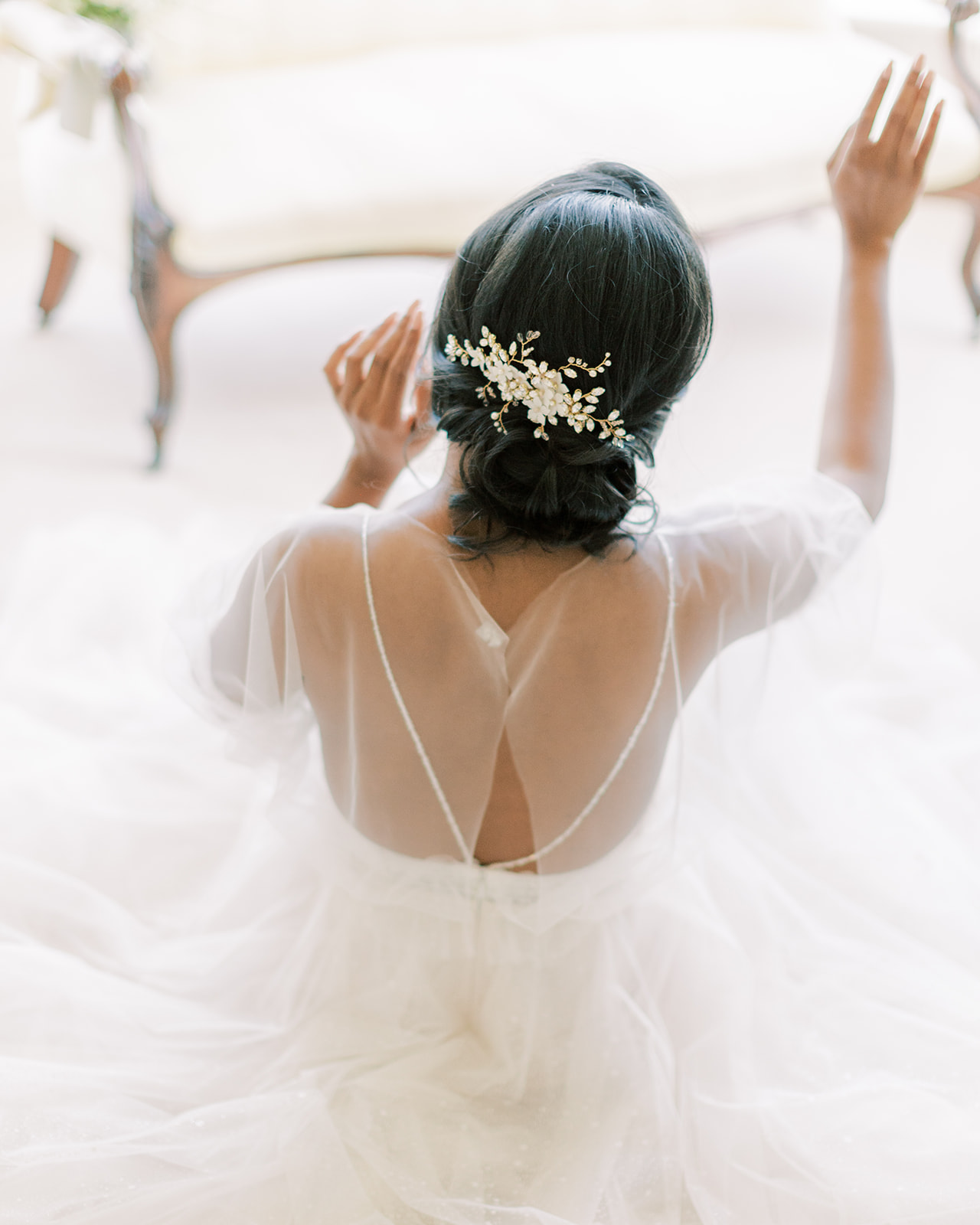
Laurel Lime is a UK bridal accessories studio run by maker Becky, specialising in modern, romantic wedding hair accessories and jewellery that are handcrafted in England. The brand describes its style as "simple, delicate and pared back," aimed at what it calls the "heartfelt, understated bride" rather than dramatic, statement-heavy bridal styling.
What the studio offers
- Wedding hair accessories: hair pins, hair vines, headbands, crowns and tiaras, all designed to be light and comfortable to wear.
- Bridal jewellery: including earrings, plus pieces a bride might wear again after the wedding.
- Made-to-order and customised pieces: adornments can be adapted for the individual bride.
- Bespoke commissions: working directly with Becky to create something personal.
- Repurposing meaningful jewellery: turning a cherished but unworn piece into something wearable on the wedding day.
Who it suits, and the trade-off
This is a good fit for brides who want accessories with a personal story behind them — family connections, places, memories — and who prefer delicate, pared-back design to large sparkle. The trade-off is that handcrafted, made-to-order and bespoke work usually means longer lead times and less ability to order at short notice than off-the-rack bridal accessories; if your wedding is close, ask about turnaround before falling for a piece.
A practical next step
If you're considering a bespoke or repurposed piece, arrive with specifics: photos of your dress neckline and hairstyle, the jewellery item you'd like reworked, and your wedding date. That lets the studio tell you quickly whether the idea is feasible in time. For style context, you can compare the understated look with other British bridal accessory makers such as Harriet Wilde or Eden B Studio.
How can I commission a bespoke wedding hair accessory for my bridal look?
Start with the maker's bespoke route: on Laurel Lime, bridal accessories are described as made to order and customisable, and there is a dedicated bespoke service for brides who want something "truly meaningful" rather than a piece from the ready collection. The designer, Becky, frames the process as listening to your story—family connections, places, memories—and translating it into a design. The site also mentions repurposing a cherished but unworn piece of jewellery into something wearable on the wedding day.
What to prepare before you enquire
- Your look: dress neckline and fabric, veil or no veil, and how you plan to wear your hair (up, half-up, loose). Comfort and light weight are stated priorities, so mention any sensitivity to weight or pull.
- The brief: whether you want a hair vine, pin set, tiara, crown or headband, plus the mood—the house style is described as simple, delicate and pared back. Bring reference images of shapes you like and dislike.
- Meaning: names, dates, flowers, a place, or an heirloom stone you would like worked in. This is the core of the bespoke offer, so be specific.
- Practicalities: wedding date, whether you need a trial or in-person fitting, and your budget range. Ask directly about lead time and how many revision rounds are included; the site does not state these, so confirm them before committing.
A realistic scenario
If you are wearing a plain silk slip dress and a low chignon, a delicate vine or a small set of pins will read as intentional without competing with the dress. If you have your grandmother's brooch, ask whether its stones can be reset into a comb—this is exactly the kind of heirloom project the studio describes.
Choosing between bespoke and made to order
| Made to order | Bespoke | |
|---|---|---|
| Best for | Brides who love an existing design and need small tweaks | Brides with a specific story, heirloom or unusual hair plan |
| Decisions | Finish, size, minor customisation | Shape, materials, meaning, from scratch |
| Time and cost | Usually simpler and quicker | More consultation and likely higher cost |
For comparison while you decide, Harriet Whinney and Jennifer Behr both show how different houses interpret bridal hair pieces. Your next step: email the studio with your date, three reference images and a short note on what the piece should mean, then ask for lead time, revision policy and a quote in writing before any deposit.
Can I have a cherished family jewellery piece repurposed into something I can wear on my wedding day?
Yes. Laurel Lime explicitly offers a repurposing service for a meaningful jewellery piece you don't wear but want to keep connected to the person and memories it represents, turning it into something you can wear on your wedding day. The site describes this as part of its bespoke bridal work, alongside made-to-order hair vines, tiaras, crowns and jewellery that can be customised, all handcrafted in England by Becky and her small studio.
How to judge whether repurposing suits your piece
- Sentimental but unworn: This is the clearest fit, since the point is keeping the memory in use rather than storing it.
- Fragile or irreplaceable stones: Ask what can be reset without risk before agreeing to any change; the site's emphasis on heirloom pieces suggests care, but the practical limits depend on the piece.
- A style mismatch: If the original setting is dated, a pared-back redesign may suit a modern, understated bridal look better than the original form.
- Strong emotional weight: Repurposing can make the piece feel more yours, but it also changes something a relative may remember as it was, so discuss it with family first.
Practical next step
Gather clear photos of the piece from several angles, note the metal and any stone details, and describe the wedding look you want. Then ask directly what is feasible, what the timeline is, and how the original elements will be preserved. If you want to compare approaches, Laurel Lime shows how a bespoke commission is framed, while a general jeweller can advise on structural risk for delicate pieces.
How do I choose between a hair vine, tiara, crown, or headband for my wedding hairstyle?
Match the piece to your hairstyle and the effect you want, not to the label. A hair vine is the most flexible and suits loose, braided or half-up styles; a tiara or crown is a statement piece best worn with a defined updo; a headband is the easiest to wear and works with most styles, including short hair.
Quick comparison
| Piece | Best with | Effect | Practical trade-off |
|---|---|---|---|
| Hair vine | Loose waves, braids, half-up, low buns | Soft, romantic, woven-in detail | Needs pinning; can be fiddly to place |
| Tiara | Structured updos, chignons | Formal, traditional, focal | Less versatile with loose hair |
| Crown | Full updos, statement looks | Bold, regal, editorial | Heavier visual weight; can dominate a delicate dress |
| Headband | Most styles, including short hair | Polished, understated | Fewer dramatic options; can feel less "special" |
How to decide
Start with your hairstyle, then your dress, then your comfort. If you plan to wear your hair down or in a soft braid, a vine will sit more naturally than a tiara. If you have short hair or want something you can put on without a stylist, a headband is the simplest choice. If the dress is heavily embellished, a pared-back piece usually balances it better than a crown.
On Laurel Lime, the designer describes a "simple, delicate and pared back" aesthetic and notes that pieces are designed for comfort and light wear, with each adornment customisable. That's useful if you want a vine or headband adapted to your colour palette or hairstyle, but it also means made-to-order pieces need lead time, so decide early.
A practical next step: book your hair trial first, then choose the accessory around the finished style. Bring one or two candidate pieces to the trial so you can see how each sits when your hair is actually styled.
How long does a made-to-order or customised piece take, and how does the ordering process work?
The page does not state a lead time for made-to-order or customised pieces, and it does not set out a step-by-step ordering process. What it does establish is the shape of the offer: a made-to-order collection of hair accessories, hair vines, tiaras, crowns and jewellery, each piece designed to be light and comfortable and described as customisable, plus a bespoke route and a separate service for repurposing meaningful jewellery. Orders are handled by the maker directly rather than through a published checkout flow.
What to ask before ordering
Because timing is not published, treat the lead time as something to confirm in writing at the start. Useful questions:
- The current lead time for the specific piece, and whether customisation adds to it.
- The date by which you must confirm changes for your wedding date to remain achievable.
- Whether rush options exist and what they cost.
- How a bespoke or repurposed commission begins, and what you need to send.
- What happens if a piece arrives and needs adjustment.
A realistic planning scenario
Suppose your wedding is in early September and you want a customised hair vine rather than an off-the-shelf design. Working backwards is more reliable than working forwards: fix a deadline for the finished piece at least two to three weeks before the day so there is time for a hair trial and any adjustment, then ask the maker whether your date fits. If the answer is tight, a made-to-order piece from the existing collection is usually the lower-risk choice, since customisation is the part most likely to extend a timeline.
Made-to-order versus bespoke versus repurposing
| Route | What it involves | Best for | Main trade-off |
|---|---|---|---|
| Made-to-order collection | A design from the collection, adjusted to suit you | Brides who like a shown design but want it personalised | Less freedom than a full commission |
| Bespoke commission | A piece developed around your story, venue or family references | Brides with a clear idea or nothing suitable in the collection | More decisions and correspondence, and likely a longer wait |
| Repurposed jewellery | An unworn, cherished piece reworked into something bridal | Family pieces with sentimental value | Depends on the original item; the outcome is less predictable |
For context on how made-to-order bridal timelines usually run, established accessories houses publish their lead times openly and are worth reading as benchmarks: Harriet Whinney and Botias Accessories. Comparing their stated timeframes with the answer you receive gives you a sense of whether a quoted wait is typical or unusually long.
The sensible next step is a single message to the studio with your wedding date, the piece or idea you have in mind, and whether you are customising or commissioning. That one exchange will settle both the timing and the process.
Are Laurel Lime's hair accessories and jewellery handmade in the UK, and what materials are used?
Yes. Laurel Lime describes its wedding hair accessories and bridal jewellery as handcrafted in England, made in the designer's own studio by Becky, the founder. The site presents the collection as made to order, with pieces that can be customised, and it also mentions a service to repurpose meaningful jewellery into something wearable for a wedding day.
On materials, the supplied page information does not name specific metals, stones, pearls or fabrics. The site speaks generally about a "simple, delicate and pared back" aesthetic, heirloom pieces and comfort, but it does not list material specifications on the evidence provided.
If material composition matters to you — for example, whether pieces use gold-filled or sterling silver findings, freshwater pearls or crystals, and how they suit sensitive skin or a particular dress — ask directly before ordering. A useful next step is to shortlist one or two designs, such as a hair vine or pair of earrings, and request the exact materials, dimensions and lead time for those pieces. That is general buying advice, not a statement of Laurel Lime's specific offerings.
 IONOS SE
 Germany
User reviews (0)