Website profiles · Technology insights · Alternatives

lonex.com No paid content found

Categories: Cloud & Hosting Development

Test before you buy! Our web hosting services are perfect for startups and businesses. 100% NVMe. 99.9% uptime. 24/7 tech support

Visit website

Updated: 2026-09-22 18:21 Language: English (default) Access: Normal

Profile views 0 Outbound visits 0
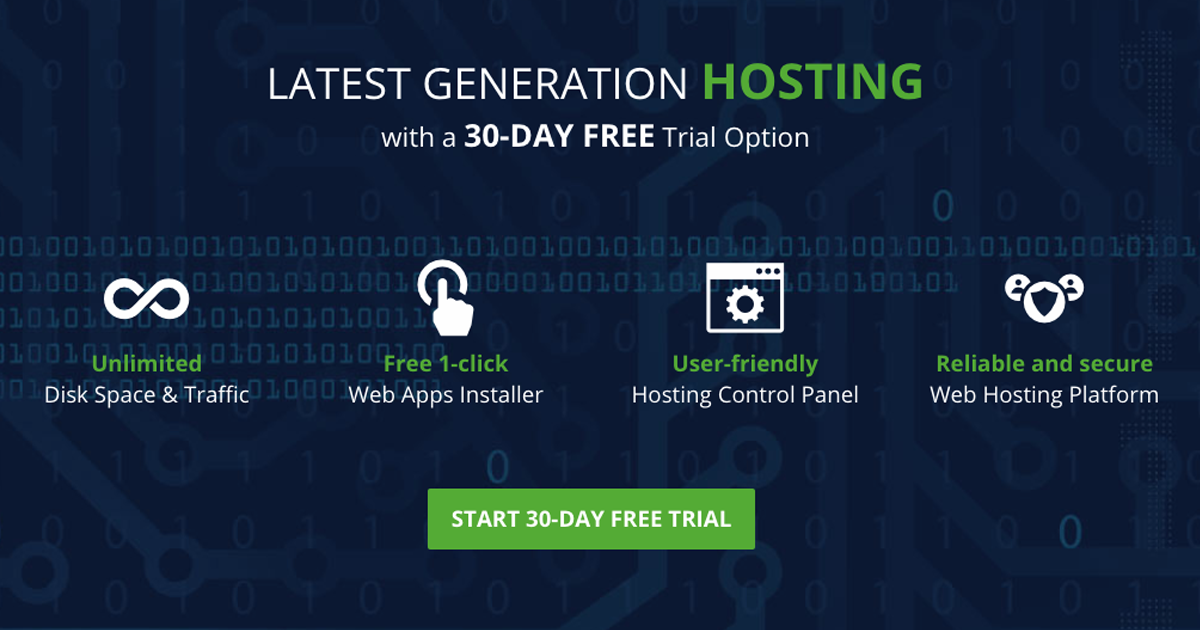
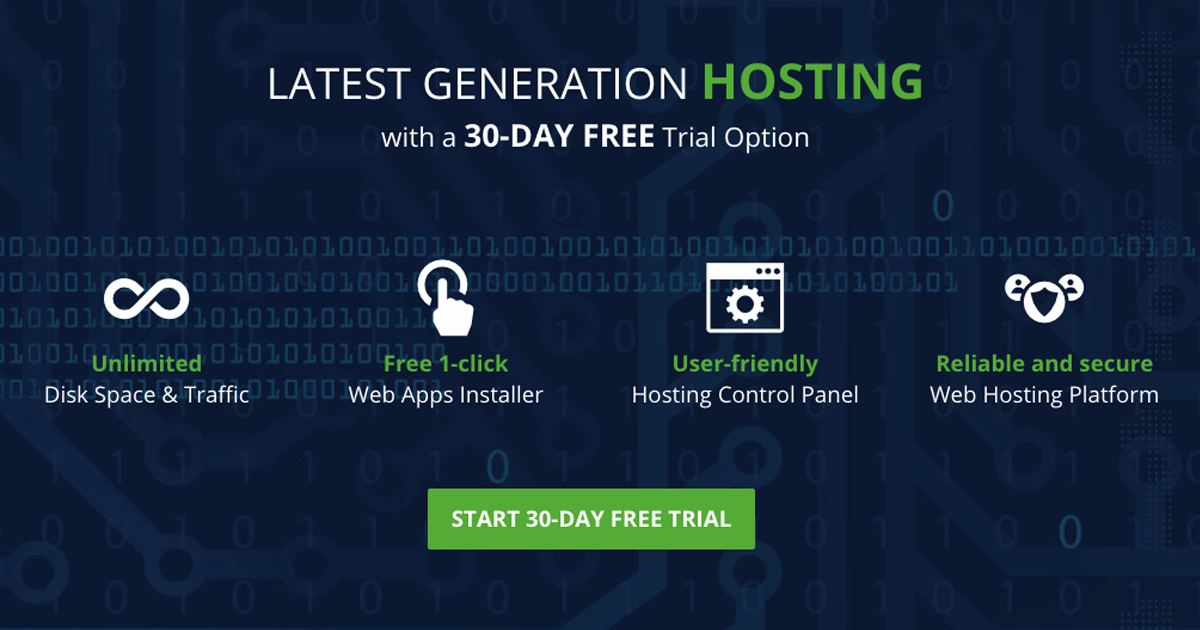
Lonex Full homepage screenshot
Editorial Review

Website Review

What is Lonex?

Lonex is a web hosting provider aimed at startups, small businesses and anyone launching a site for the first time. Its pitch centres on speed, reliability and a low-risk way to try the service before committing.

What it offers

  • Shared-style web hosting for business and personal sites
  • NVMe storage, which typically means faster disk access than older SATA-based hosting
  • A 99.9% uptime target
  • 24/7 technical support
  • A 30-day free trial, so you can test performance and the control panel before paying

Who it suits

The free trial makes Lonex a reasonable option if you are comparing hosts and want hands-on evidence rather than marketing claims. Startups and small businesses without an in-house server administrator are the clearest fit, since managed hosting removes most maintenance work. If you need dedicated hardware, complex compliance guarantees or enterprise-grade SLAs, a general host of this kind may not be the right match.

Trade-offs to weigh

A trial period is useful, but check what happens when it ends: renewal terms, resource limits and whether your site migrates smoothly. Uptime percentages are targets, not guarantees, so read the actual service terms. NVMe improves storage speed, yet overall site performance also depends on server location, caching and your own code.

For broader context, established alternatives include Bluehost and SiteGround.

What web hosting services does Lonex offer?

Lonex is a web hosting provider aimed at startups and businesses, with a stated focus on speed, security and reliability. According to its own description, it offers web hosting services built on NVMe storage, advertises 99.9% uptime, and provides 24/7 technical support. A 30-day free trial is highlighted, which lets prospective customers evaluate the service before committing.

Who it may suit

  • Startups and small businesses wanting a straightforward hosting plan without a long upfront commitment.
  • Site owners who prioritise storage speed, since NVMe drives typically handle database queries and file access faster than older SATA-based SSDs.
  • Teams needing round-the-clock assistance, though response times and channel options are not specified here.

Trade-offs to consider

The free trial lowers the risk of trying the platform, but trial terms, resource limits and renewal pricing are not stated in the supplied information. Likewise, the 99.9% uptime figure is a common industry target rather than a guarantee of performance for every account. Specific plan tiers, storage quotas, bandwidth, email hosting, domain registration or migration support are not detailed here, so those points would need checking directly with the provider.

For comparison, established hosts such as Bluehost and HostGator also target small businesses, while Namecheap bundles hosting with domain services. Lonex may appeal most to buyers who want to test NVMe-based hosting before paying.

How does Lonex's 30-day free trial work?

Lonex promotes a 30-day free trial as a way to test its hosting before committing. Based on the information available, the trial is a try-before-you-buy arrangement: you can evaluate the service for up to 30 days, then decide whether to continue with a paid plan.

H3 What the trial is suited to

  • Startups and small businesses that want to check performance and reliability before moving a live site.
  • Users comparing hosting options who prefer hands-on testing over marketing claims.
  • Anyone who wants to verify that the platform's NVMe storage, uptime and support meet their needs.

H3 What the website highlights

  • 100% NVMe storage, which typically means faster disk performance than older drive types.
  • A 99.9% uptime target, a common benchmark for business hosting.
  • 24/7 technical support, useful if setup or migration issues arise during the trial.

H3 Practical considerations The exact mechanics — how to register, whether a payment method is required, and what happens when the 30 days end — are not specified here. Check the provider's official site for the current terms. Trial length and conditions can change, and a free trial may not include every feature of a paid plan.

For the official details, see Lonex. If you are also weighing alternatives, established hosts such as Bluehost and HostGator offer their own trial or money-back arrangements, though terms differ.

What are the benefits of NVMe hosting with Lonex?

NVMe hosting on Lonex refers to hosting that stores website data on NVMe solid-state drives rather than older SATA SSDs or spinning hard disks. NVMe drives connect over a faster interface and handle many parallel requests at once, which typically translates into quicker page loads, faster database queries and snappier file operations.

For visitors, that speed often means pages render sooner, especially on content-heavy sites, online stores or applications with frequent database reads and writes. Search engines and conversion rates tend to reward faster responses, so the practical benefit is not only technical but commercial.

Lonex presents its hosting as suited to startups and businesses, with an emphasis on speed, 100% NVMe storage, a stated 99.9% uptime target and around-the-clock technical support. A 30-day free trial is highlighted, which lets a business test real performance before committing.

Trade-offs: NVMe improves storage speed, but overall site performance also depends on CPU, memory, network and software configuration. Buyers should compare plan limits and support responsiveness, not storage type alone.

Related providers for comparison include Lonex.

Is Lonex suitable for startups and small businesses?

Lonex is positioned as a web hosting provider aimed at startups and small businesses, and its feature set generally aligns with what those audiences need.

Where it fits well

  • New projects and testing: A 30-day free trial lets founders evaluate speed, reliability and the control panel before committing. This lowers the risk of choosing the wrong host early on.
  • Performance-sensitive sites: 100% NVMe storage typically means faster disk reads and writes, which helps dynamic sites such as WordPress, small e-commerce stores and web apps.
  • Limited in-house IT: 24/7 technical support and a stated 99.9% uptime target suit teams without dedicated system administrators.
  • Growing businesses: The "business hosting" framing suggests room to scale as traffic and storage needs increase.

Trade-offs to weigh

A free trial and uptime claims are useful signals, but they don't tell you everything. Startups should still check the specific resources included in each plan, renewal terms, backup policies and how easily they can upgrade. Businesses with strict compliance, custom server configurations or very high traffic may find shared hosting limiting and might need a VPS or dedicated option.

Lonex is a reasonable starting point for budget-conscious startups and small businesses that want NVMe performance and support, provided the plan details match their expected growth. Compare it with alternatives such as Bluehost or SiteGround before deciding.

What kind of technical support does Lonex provide?

Lonex advertises 24/7 technical support as part of its hosting service, according to the information provided on Lonex. This means customers can typically reach a support channel at any hour rather than being limited to standard business hours.

What is stated

  • 24/7 tech support is listed as a service feature.
  • It accompanies hosting plans aimed at startups and businesses.
  • The site highlights 100% NVMe storage and a 99.9% uptime target alongside support.

What is not specified here

The available details do not identify the specific channels used, such as live chat, ticket system, email or phone. They also do not state response-time guarantees, whether support is included with every plan, or whether any premium support tier exists. These details would normally appear on the provider's support or contact pages.

Practical implications

Round-the-clock support is most valuable to businesses running sites outside local office hours, or to owners who need help during an outage or setup problem. For a startup evaluating hosts, it may be worth confirming the actual contact methods and typical response times before committing, since "24/7 support" can mean different things in practice.

If you are comparing providers, check whether support is included in the entry-level plan and how issues are escalated.

Related questions

More questions →
What Does an IDX Website Actually Do for a Real Estate Agent?

An IDX website pulls live listings from your local MLS and displays them on your own domain, so visitors can search homes without leaving your site. That single capability changes what a website does for your business: instead of a static brochure that describes who you are, it becomes a working search tool that captures leads at the moment they're actively looking. A built-in CRM then takes those inquiries and turns them into an ongoing contact record rather than a message buried in your inbox.

The Core Difference: Brochure Site vs. IDX Site

A generic agent website typically has a homepage, an "About Me" page, a few testimonials, and a contact form. Visitors read, maybe click "Contact," and leave. There's little reason to return.

An IDX-enabled site adds a searchable listing database. Visitors filter by price, bedrooms, neighborhood, or property type, save favorites, and come back to check for new matches. The practical difference shows up in behavior:

Brochure site IDX-enabled site
Primary visitor action Reading about you Searching homes
Reason to return Rare New listings, saved searches
Lead trigger "I want to talk to an agent" "I want info on this specific home"
Typical inquiry General, low urgency Property-specific, higher intent
Follow-up context Almost none Which listings they viewed and saved

Neither type is useless. But if your goal is capturing buyers who are in the market right now, the search experience is what keeps them on your domain instead of sending them to a national portal where you're one of many agents competing for the same click.

What "IDX" Actually Means in Plain Terms

IDX stands for Internet Data Exchange. It's a reciprocal arrangement among MLS participants: brokers agree to let their listings appear on each other's websites in exchange for the same courtesy. Your MLS governs the rules — what data can display, how often it refreshes, how listings must be attributed, and which fields can be shown.

For you as an agent, the practical takeaway is:

  • The feed comes from your MLS, not from the website provider. The provider builds the display; the MLS supplies the data.
  • Coverage depends on your MLS. If you belong to one MLS, you typically get that MLS's listings. If you belong to several, you may need multiple feeds.
  • Rules vary by region. Some MLSs require specific disclaimers, refresh intervals, or restrictions on certain fields.

This is why "does it have IDX?" is the wrong first question. The better question is "does it support my MLS, and what does the display look like?"

How the CRM Connects the Dots

A listing search without follow-up is just a nicer brochure. The CRM is what closes the loop.

Here's the flow in a well-integrated setup:

  1. A visitor searches listings and clicks "Request a showing" or "Ask a question" on a specific property.
  2. The inquiry lands in the CRM with the property address attached, not just a name and email.
  3. The agent sees what the lead was looking at, which makes the first reply specific instead of generic.
  4. The lead enters a follow-up sequence — new listings matching their criteria, price-change alerts, or a simple check-in.
  5. Over time, the contact record accumulates: saved searches, past inquiries, showing history.

The alternative — leads arriving as raw emails — means you're reconstructing context from memory and hoping you remember to follow up. Most agents don't, not because they're careless, but because there's no system prompting them.

What to Expect During Setup

Setup is usually more about approvals than technical work. A realistic sequence:

1. Choose a domain

Use your name or brand (for example, yourname.com). Many providers include a free domain with a paid plan; confirm whether it renews free or at standard rate after year one.

2. Select a template and connect your branding

Logo, colors, headshot, service areas, and a short bio. This is the part you control fully.

3. Submit your MLS IDX approval

This is the step that catches people off guard. Your MLS must approve you as a participant authorized to display IDX data. You'll typically need your license number and MLS credentials. Approval can take anywhere from a day to a couple of weeks depending on the MLS.

4. Verify the feed and listing display

Once approved, confirm that listings actually appear, that search filters work, and that required disclaimers show. Check a handful of known addresses to make sure the data is current.

5. Set up lead capture and CRM routing

Decide where inquiries go, who gets notified, and what the first automated response says. Test it yourself with a fake inquiry before going live.

6. Publish and review on mobile

Most real estate searches happen on phones. Check the search flow on your own device before announcing the site.

Limitations Worth Knowing Before You Commit

IDX is powerful but not unlimited. Ask a provider these questions directly:

  • Which MLSs do you support? Get a specific answer for your MLS, not a general "we support many."
  • How often does the feed refresh? Some MLSs mandate near-real-time; others allow delays.
  • Can I display sold and pending data? Rules differ, and sold data is often restricted.
  • What happens if I switch brokers or MLSs? Can the feed be transferred or re-approved?
  • Is the CRM included or an add-on? Some providers bundle it; others charge separately.
  • What are the limits on contacts or emails? A CRM that caps out at 500 contacts may not fit a growing database.
  • Who owns the lead data if I leave? Export rights matter more than most agents realize until it's too late.

Pricing structures in this category commonly start in the range of a few tens of dollars per month for a basic plan, with higher tiers adding features like advanced CRM, additional MLS feeds, or expanded marketing tools. Confirm current pricing and what each tier includes directly with the provider, since plan contents change.

A Reasonable Way to Decide

Ask yourself three questions:

  1. Do buyers in my market search online before contacting an agent? In most markets, yes — which means a searchable site meets them where they already are.
  2. Do I have a follow-up system I actually use? If not, the CRM half of an IDX site is arguably more valuable than the listings half.
  3. Is my MLS supported? Without this, nothing else matters.

If the answer to all three is yes, an IDX site with integrated CRM is a reasonable infrastructure investment. If your MLS isn't supported, or you won't use the follow-up tools, a simpler site plus a standalone CRM may serve you better.

The honest framing: an IDX website doesn't generate leads by itself, and no provider can promise rankings or sales. What it does is give interested visitors a reason to stay on your domain and give you a structured way to follow up when they raise their hand. Whether that translates into business depends on how consistently you work the leads it captures.

Website Overview

An established domain and managed infrastructure suggest continuity of operations and may support dependable delivery, although neither guarantees service quality. An active inbound-mail setup with incomplete authentication may leave the domain more open to impersonation. Provider hosting alone does not close that gap.

Domain and Registration

Registered in 2002, this domain has about 24 years of history. That suggests continuity, although ownership and purpose may have changed. Transfer-protection status is present, helping reduce the risk of unauthorized domain transfers. The domain uses the common .com extension, which is not an independent safety signal.

DNS and Email

The observed email authentication setup is incomplete: DMARC is missing. Nameservers are provided by lonex.com, indicating managed DNS hosting. MX records point to the lonex.com email service. No CNAME was found; the observed records resolve directly to addresses. TXT records include verification markers for Google. Such markers may also remain after a service stops being used.

TLS and Certificates

The certificate issuer is Sectigo Limited, a commercial certificate authority. The certificate uses an RSA 2048-bit public key, offering broad client compatibility. The server supplied a complete certificate chain. No organization name is present in the certificate; the available fields are consistent with domain validation. The certificate is valid for about 378 days in total, with 79 days remaining.

HTTP and Browser Security

The response lacks these common security headers: HSTS, X-Content-Type-Options, Referrer-Policy, Permissions-Policy. No X-Powered-By header was found, reducing one common source of backend fingerprinting information. No obvious internal addresses or debug information were found in the headers. The Server header identifies nginx without an exact version. Cookie security attributes are unknown.

Technology Stack Analysis

The public page identifies Google Analytics, nginx without precise versions, leaving fewer clues for version-specific scanning.

Search and Social Sharing

The title has 67 characters and may be truncated in search results. JSON-LD includes Organization data, helping describe the organization as an entity. A meta description is present, with 129 characters. The observed directives allow indexing and link following. No Generator meta tag is publicly exposed.

Hosting and Email

DNSlonex.com
HostingLiquidNet US LLC
Emaillonex.com
Location United States flagUnited States 198.23.53.67

User reviews (0)

  • No reviews yet.

Pages, Search and Sharing

Meta descriptionTest before you buy! Our web hosting services are perfect for startups and businesses. 100% NVMe. 99.9% uptime. 24/7 tech support
Canonical URLhttps://www.lonex.com/
LanguageEnglish (default)
Twitter CardNot detected
All bots 0 allowed · 16 disallowed
  • Disallow/terms/*
  • Disallow/cart/*
  • Disallow/*?*
  • Disallow/domain-suggestions/
  • Disallow/hosting-brochure/
  • Disallow/hosting-catalog/
  • Disallow/hosting-portfolio/
  • Disallow/vps-brochure/
  • Disallow/kvm-catalog/
  • Disallow/openvz-catalog/
  • Disallow/dedicated-catalog/
  • Disallow/dedicated-brochure/
  • Disallow/semi-dedicated-catalog/
  • Disallow/semi-dedicated-brochure/
  • Disallow/domains-brochure/
  • Disallow/promo-offers/

Registration details RDAP / WHOIS

RegistrareNom, LLC
Registered2002-03-26
Expires2035-03-26
Domain statusclient transfer prohibited
Nameserversns1.lonex.com、ns2.lonex.com
DNSSECunsigned

DNS records

TypeNameValueTTLPriority
Awww.lonex.com198.23.53.673600
MXlonex.comsmtp.lonex.com8640010
NSlonex.comns1.lonex.com3600
NSlonex.comns2.lonex.com3600
TXTlonex.comgoogle-site-verification=jLAGq-NXj3KHFGWPycoL2jRBs-T157cx9t9YSoc3wgE3600
TXTlonex.comv=spf1 a mx ip4:198.23.53.46 ip4:198.23.56.33 ip4:199.244.72.40 include:turbo-smtp.com a:tbjjbihbhcbbe.turbo-smtp.net -all3600

TLS and certificates

AssessmentNormal configuration
Supported protocolsTLSv1.2
Negotiated protocolTLSv1.2
Certificate subject*.lonex.com
IssuerSectigo Limited
Valid until2026-12-10T23:59 · Remaining when checked: 79 days
Verification detailsCertificate trust: Passed · Hostname match: Passed

HTTP response headers

HeaderValue
content-typetext/html; charset=UTF-8
cache-controlno-store, no-cache, must-revalidate
servernginx
content-security-policyscript-src 'self' 'unsafe-inline' 'unsafe-hashes' 'unsafe-eval' *.lonex.bg *.lonex.com http://www.google.com/recaptcha/api.js https://www.gstatic.com/ http://image.providesupport.com https://www.googletagmanager.com/gtag/js https://www.google-analytics.com/analytics.js https://vm.providesupport.com https://messenger.providesupport.com; frame-ancestors 'self';
x-frame-optionsSAMEORIGIN
set-cookieRedacted

Identified technologies

Google Analyticsnginx

Recent Updates

  • Website images
  • Screenshots
  • Pages and Search Information