
 简体中文
简体中文 English
Website review
This review may include AI-generated content and is not individually verified. Domain, certificate and other facts come from the observed data on this page.
What is Outward Bound Costa Rica?
Outward Bound Costa Rica is an adventure-based learning organization that runs expeditions in Costa Rica and Panama, built around outdoor challenge, leadership development and service. Its stated aim is to inspire “a lifetime of leadership, growth and a commitment to serve” through immersion in cloud forests, rainforests, coastlines and local communities rather than through classroom instruction.
Who it serves
The course catalog is organized mainly by age and life stage:
- Teens (roughly 13–18): summer expeditions combining activities such as surfing, scuba diving, backpacking, cultural immersion and service.
- Adults (19 and up): shorter surf-and-service or backpacking trips, plus a longer coast-to-coast expedition.
- Gap year and semester students: multi-week leadership semesters, including a Costa Rica and Panama program.
- Custom groups: tailored courses for schools, educators and organized groups such as Girl Scout Destinations.
What participants actually do
Activities listed across the programs include rainforest trekking, scuba diving, surfing, sea kayaking, whitewater rafting, service projects and certification courses. Trips range from about one week to two to three months, so the commitment varies enormously — a one-week surf and service course is a very different experience from a semester expedition.
What makes it distinctive
The model is expeditionary rather than touristic: participants hike, camp, cook and travel as a team, with service work and local community contact built into many itineraries. The page includes alumni reflections describing physical challenge (one teen alum recalls hiking 40 miles through rainforest with a heavy pack) and personal growth (another describes becoming more capable as a person, leader and adult). A school principal on a custom course noted how welcoming and supportive the staff were. These are individual impressions rather than guarantees, but they point to the intended outcome: stretch, teamwork and reflection rather than comfort or sightseeing.
How to decide if it fits
Ask three questions before choosing a course:
- Time and fitness: Can you commit to the length and physical demands of the specific itinerary, from a week to several months?
- Goal: Are you seeking a first outdoor challenge, a leadership credential, academic credit or a group program for a school?
- Support needs: Do you want a structured teen cohort, an adult group, or a custom program with your own organization?
A useful next step is to browse the course list by age, length and activity, then read the “Preparing for Your Expedition” and scholarship and credit information before enrolling. Related outdoor education options include the National Outdoor Leadership School at NOLS and Outward Bound USA at Outward Bound USA for comparison.
How do I choose between a teen expedition, adult course, and gap year semester program?
Choose by who is going, how much time you have, and what you want the trip to do for you. Outward Bound Costa Rica splits its adventures into teen expeditions (roughly ages 14–18), adult courses (19 and up), and gap year or semester programs, so the first filter is simply age and life stage.
Quick comparison
| Option | Typical audience | Time commitment | What it is best for |
|---|---|---|---|
| Teen expedition | Ages 14–18 | About 1–3 weeks | A first big adventure, summer break, building independence with peers |
| Adult course | 19 and up | About 1–3 weeks | Adults who want the same adventure without a youth-group setting |
| Gap year/semester | Post-high school or college-age | 4 weeks to 2–3 months | A longer, more immersive leadership or career-shaping experience |
How to decide
- Pick a teen expedition if the traveler is in high school, has a school holiday window, and wants a structured group experience with other teenagers.
- Pick an adult course if the traveler is 19 or older and wants the physical challenge and service component without being grouped with minors.
- Pick a gap year or semester program if there is a full season available and the goal is deeper leadership development, certifications, or a transition between school stages.
Match the activity, not just the label
The program type matters less than the daily reality. Outward Bound Costa Rica lists rainforest treks, scuba diving, surfing, sea kayaking, whitewater rafting, service projects, and certifications. A two-week surf-and-service course and a two-month leadership semester can both be "Outward Bound," but they ask for very different levels of fitness, patience, and independence.
A concrete way to test your choice
Ask: If the trip ended after one week, would I feel I got what I came for? If yes, a teen or adult short course is probably enough. If the answer is no, and you want the arc of a longer expedition, look at the gap year and semester options. The site's own course filters let you sort by age, length, and activity, which is the fastest way to see what actually fits your calendar.
For a broader sense of how Outward Bound programs work internationally, Outward Bound is the parent organization, and Outward Bound Costa Rica's sister site can help with general context.
What types of financial aid, scholarships, or academic credit are available for Outward Bound Costa Rica courses?
Outward Bound Costa Rica lists scholarships and academic credit as a dedicated part of its enrollment support, alongside a "Scholarships & Credit" page in its main navigation. The site also references the Duke of Edinburgh Award, which suggests some expeditions can be structured to count toward that program's award requirements. Specific dollar amounts, eligibility rules, deadlines, and partner institutions are not detailed on the homepage, so those details need to be confirmed directly with the organization.
What the site indicates
- Scholarships — A named scholarships section exists, implying financial assistance is offered, but the homepage does not state award sizes or criteria.
- Academic credit — Credit is grouped with scholarships, indicating some courses may be eligible for school or university credit, typically arranged through the participant's own institution or a partner provider.
- Duke of Edinburgh Award — Listed among the offerings, relevant if you are completing award sections and need a qualifying expedition.
- Custom courses — Available for groups such as schools, which is often how credit-bearing or school-funded trips are organized.
Practical next step
If you are a student, ask your school's study-abroad or registrar's office whether they will accept credit from an Outward Bound Costa Rica expedition before you enroll, and request the course syllabus or learning outcomes. For financial aid, contact Outward Bound Costa Rica directly through its contact page and ask three things: which scholarships you qualify for, the application deadline, and whether awards can be combined with any payment plan.
How to think about the trade-offs
| Route | Best for | Main trade-off |
|---|---|---|
| Scholarship | Teens and adults with financial need | Competitive; deadlines usually fall well before course start |
| Academic credit | Students needing credit toward a degree | Requires prior approval from your institution; extra fees may apply |
| Duke of Edinburgh Award | Participants completing award sections | Must confirm the specific course meets the award's requirements |
| Custom/group course | Schools and organized groups | Less individual flexibility; arranged through the group |
For general context on outdoor leadership programs, see Outward Bound and, for U.S. gap-year credit questions, NACAC.
What does a typical day or itinerary look like on a Costa Rica surf and service expedition?
A Costa Rica surf-and-service expedition blends daily surf instruction with hands-on community or conservation work, usually in a coastal or rainforest-adjacent setting. Days tend to alternate or split between time in the water and time at a project site, with evenings for group reflection, cooking and camping or lodge-based downtime.
What a day often includes
- Morning surf session: coaching and practice, typically timed around tides and swell.
- Service block: a few hours on a community or environmental project — construction, trail work, teaching support or similar, depending on the partner and season.
- Afternoon activity or travel: more surfing, a hike, a cultural visit, or moving between locations.
- Evening: group meal, debrief, journaling and rest.
Exact timing shifts constantly because surf conditions, weather and project schedules dictate the plan. Expeditions often move between two or more base areas rather than staying put, so some days are largely travel and transition.
Who it suits
This format works well for teenagers and young adults who want structured adventure with a purpose, not a pure surf camp or a pure volunteering trip. It asks for flexibility, physical effort and comfort with basic living conditions.
Trade-offs to weigh
- Surf progress vs. service depth: splitting time means neither gets a full day's focus.
- Group pace: you follow the group's schedule, not your own.
- Conditions: flat spells or blown-out surf can reshuffle plans, so the service component often becomes the anchor of the week.
Outward Bound Costa Rica lists surf-and-service options for teens and adults, alongside backpacking, scuba and leadership semesters, so you can compare formats on Outward Bound Costa Rica. If you want a closer match to a specific itinerary, ask the program directly for a sample day-by-day schedule and how many hours go to service versus surfing.
How physically demanding are the rainforest treks, scuba, and backpacking courses, and what fitness level is required?
The rainforest treks and backpacking expeditions are the most physically demanding options, while scuba courses are moderate but require comfort in water and basic swimming ability. Outward Bound Costa Rica describes its setting as cloud forests, tropical rainforests and rugged coastlines, and its course list includes rainforest trek, backpacking, scuba, surf, sea kayak and whitewater raft activities, so expect full days of hiking with a loaded pack on uneven, humid terrain for the trek-heavy courses.
What each activity demands
- Rainforest trek and backpacking: sustained walking, often 40 miles or more over a course, carrying a large pack, with heat, humidity, mud and elevation change. One teen alum quoted on the site, Ann, highlights hiking 40 miles through the rainforest with a huge backpack as a defining memory. This is the category where you need to arrive genuinely fit.
- Scuba: less about endurance, more about water confidence, equalising, and being able to stay calm underwater. Certification-focused courses add classroom and skills sessions rather than long hikes.
- Surf and sea kayak: upper-body and balance work, paddling against surf and currents; fitness helps but technique and water comfort matter more.
- Service and cultural immersion: low physical demand, but long days, group living and travel fatigue.
Fitness level in practice
You do not need to be an athlete. You do need to train. A realistic baseline for a trek or backpacking course is being able to walk several hours on consecutive days with a weighted pack, plus stair or hill work for climbing. If you can currently manage a long day hike and recover overnight, you are in the right range; if a two-hour walk leaves you sore for days, start a 8–12 week build-up. Courses are also age-banded (13, 14–18, 19 and up) and length-banded (1 week to 2–3 months), so a one-week course is a gentler entry point than a semester expedition. The site's own alum quote from Ian frames the experience as tough and thrilling in equal measure, which matches the reality of expedition-style travel: the difficulty is part of the design, not a side effect.
Choosing between them
| If you want… | Pick | Main physical limiter |
|---|---|---|
| Maximum challenge, hiking focus | Backpack, rainforest trek, coast-to-coast | Pack weight, daily distance, heat |
| Water skills, less hiking | Scuba, surf, sea kayak | Swimming, water confidence |
| Lower physical load | Service, cultural immersion | Travel and group stamina |
Next step
Match the course length and activity mix to your current fitness rather than your ambition. Read the specific course page for the activity you are considering on Outward Bound Costa Rica, then build a training plan around the dominant activity — hill walking with a pack for treks, pool and open-water swimming for scuba and surf. If you are unsure, contact the organisation directly and ask what a typical day looks like on that course; daily hours and pack weight are the two numbers that tell you most about how hard it will feel.
Can educators or group leaders arrange a custom Outward Bound Costa Rica program for their students?
Yes. Outward Bound Costa Rica runs custom programs, and educators and group leaders are a named audience for them.
What the site shows
The course navigation lists Custom Programs alongside teen expeditions, adult expeditions, gap year/semester options and educator resources. The site also includes Educator Resources, plus a testimonial from a school principal and chaperone who took part in a custom course. That combination points to a program model built for schools, scout groups, and other organized groups rather than only individual enrollees.
How a group leader would typically use it
- A teacher or administrator defines learning goals (leadership, service, science, team-building, outdoor skills) and the age range of the group.
- The provider shapes an itinerary around those goals, drawing on its activity menu: rainforest trekking, scuba diving, surfing, service work, sea kayaking, whitewater rafting, and certifications.
- A chaperone or school staff member often travels with the group, as the principal's testimonial suggests.
Practical decision criteria
| Consideration | Why it matters |
|---|---|
| Group size and ages | Custom courses are usually built around a specific cohort, so age mix affects activity choices and supervision. |
| Trip length | The site's standard options run from one week to two to three months; a custom program can sit anywhere in that range. |
| Learning objectives | Service, leadership, or certification goals change the itinerary and staffing. |
| Chaperone role | Some schools send their own staff; clarify expectations early. |
| Credit or awards | The site mentions scholarships, credit, and the Duke of Edinburgh Award, so ask how a custom course maps to those. |
Next step
Contact Outward Bound Costa Rica directly through the contact details on Outward Bound Costa Rica and ask for the custom programs team. Come with your dates, group size, age range, and two or three learning goals; that is enough for them to tell you whether a custom itinerary is feasible and what it would involve.
 Cloudflare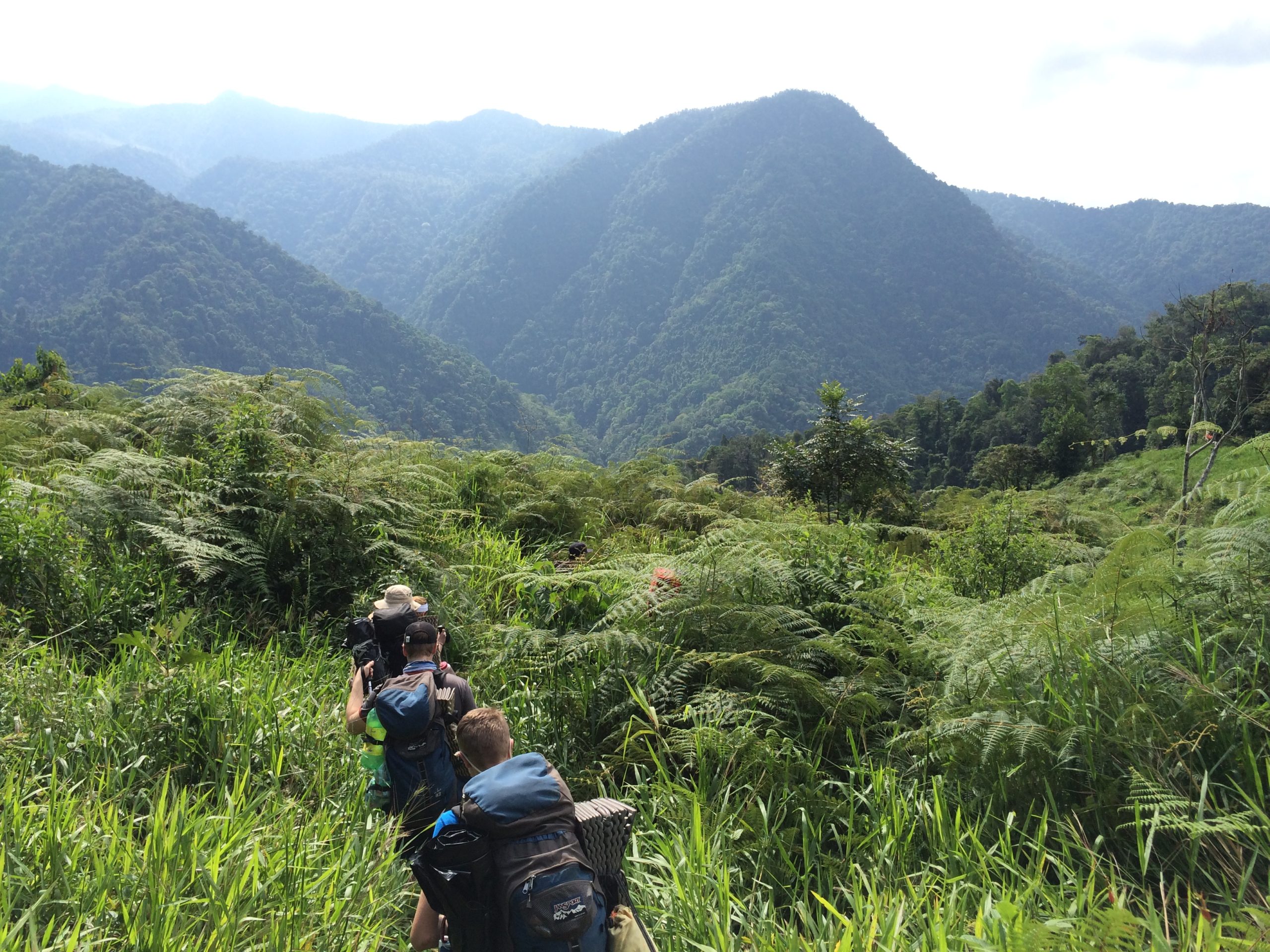
User reviews (0)