
 简体中文
 English

Website review
This review may include AI-generated content and is not individually verified. Domain, certificate and other facts come from the observed data on this page.
What is Seald Sweet?
Seald Sweet is a fresh-produce company with deep roots in Florida citrus, operating since 1909 and now part of the Greenyard Group. It grows, packs and ships fruit and vegetables for major U.S. retailers, handling the process from packing through shipping.
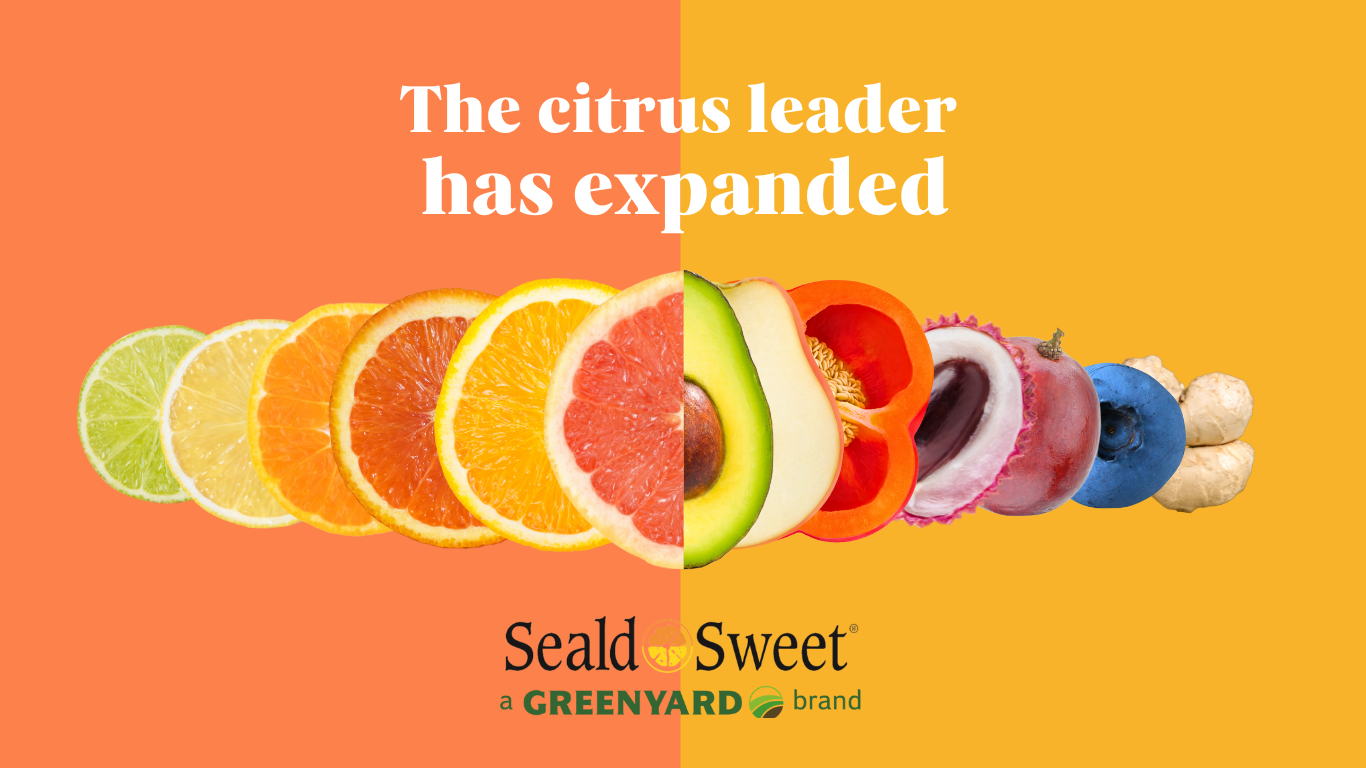
Its range has widened well beyond citrus. Current offerings include oranges, lemons, clementines, limes and grapefruits, alongside grapes, blueberries, avocados, lychees, ginger, pears, cucumbers and bell peppers. The site also highlights a state-of-the-art blueberry facility, avocado growers in Jalisco, Mexico, and a goal of 100% recyclable packaging by 2025.
If you are evaluating it as a supplier, start with the seasonality question: which items are available in your selling window, and can they be consolidated into one shipment? A retailer planning a year-round citrus and berry program, for example, would want to confirm volume commitments and packaging formats before building planograms around the range.
For consumer-facing background, see Seald Sweet.
How can I subscribe to Seald Sweet's produce deliveries?
Seald Sweet is a grower, packer and shipper, not a consumer subscription box. The site’s own language points to serving “top retailers in the USA” and managing packing and shipping to them, so there is no evident way for a household to sign up for produce deliveries directly through Seald Sweet. The word “subscribe” appears on the site, but it is not tied to a consumer delivery plan.
What you can realistically do
- Ask where their produce is sold. Use the site’s contact route to ask which retailers or wholesale partners carry Seald Sweet citrus, blueberries, avocados and other items in your area.
- Shop those retailers. If Seald Sweet supplies a nearby grocery chain, that store is your practical “delivery” option, either in person or through the retailer’s own delivery service.
- Look at produce-box services instead. If you want recurring home delivery, a regional farm box or grocery delivery subscription is the better fit. Seald Sweet’s role is upstream in that chain.
- Watch for seasonal availability. Their listed “Growing Now” items include oranges, lemons, clementines, limes, grapefruits, grapes, blueberries, avocados, lychees, ginger, pears, cucumbers and bell peppers. Availability will vary by season and region.
A useful next step
If your goal is a weekly fruit box, decide between two paths: a retailer that already stocks Seald Sweet (ask the store’s produce manager), or a direct-to-consumer produce subscription that delivers in your ZIP code. For Seald Sweet specifically, contact them through their site and ask for retail availability near you rather than looking for a personal signup page.
What types of retailers does Seald Sweet supply?
Seald Sweet supplies top retailers in the USA — that is the retailer type named on its home page. The site does not break that down into specific channels (for example, grocery chains, club stores or foodservice), so the safe answer is large U.S. retail buyers rather than a named list.
What the page does make clear is the scope behind that retail supply:
- Year-round produce program: citrus plus grapes, blueberries, avocados, lychees, ginger, pears, cucumbers and bell peppers, aimed at meeting families' year-round needs.
- Retailer-facing capabilities: packing and shipping are handled in-house, from facility selection through delivery.
- Sourcing footprint: Florida citrus roots dating to 1909, avocado growers in Jalisco, Mexico, and membership in the Greenyard Group.
Practical takeaway: If you are a retail buyer or category manager, treat Seald Sweet as a U.S. retail supplier with a broad fresh-produce basket and its own packing and shipping operation. If you need to know whether they serve a specific channel — such as regional grocery chains, wholesale distributors or foodservice — that detail is not stated on the page, so ask directly before assuming.
Next step: Browse the product and grower sections at Seald Sweet to see which categories match your shelf, then contact them with your channel, volume and delivery requirements.
Where does Seald Sweet source its avocados from?
Seald Sweet sources its avocados from growers in Jalisco, Mexico, according to the grower feature on its site: Seald Sweet. The page highlights those growers directly, so Jalisco is the specific origin the company is promoting.
For context, Jalisco is one of Mexico's major avocado-producing states, and Mexico is the largest supplier of avocados to the U.S. market. A retailer or shopper looking for origin details should check the produce sticker or PLU tag at the point of sale, since the website feature describes the growing region rather than a specific farm or lot.
What sustainability initiatives does Seald Sweet have?
Seald Sweet's most specific public sustainability commitment is a packaging goal: 100% recyclable packaging by 2025, listed under "Our Impact" on its home page. That is the only concrete initiative stated there, so it is the one to hold them to if packaging waste matters to your decision.
The rest of the site frames sustainability more broadly, through how the company operates:
- Year-round fresh produce sourcing rather than seasonal-only supply, which the company presents as part of meeting families' needs throughout the year.
- Direct oversight from packing to shipping, which it describes as a way to control freshness and quality across the supply chain.
- Grower relationships, including avocado growers in Jalisco, Mexico, and a facility dedicated to selecting blueberries.
For a retail buyer or procurement team, the practical next step is to request the packaging roadmap behind the 2025 recyclable goal, since the site states the target but not the materials, formats or verification method. If you are a shopper, the recyclable-packaging pledge is the item most likely to show up in what you actually handle at home.
How does Seald Sweet ensure the freshness of its produce?
Seald Sweet's freshness story is built around vertical control: it states that it oversees every step from packing to shipping for the retailers it serves, rather than handing produce off between unrelated parties. That matters most for the items on its "Growing Now" list — citrus such as oranges, lemons, clementines, limes and grapefruits, plus grapes, blueberries, avocados, lychees, ginger, pears, cucumbers and bell peppers — where time between harvest and cold storage decides how the product looks on a shelf days later.
Three concrete points from the site support this:
- Packing-to-shipping oversight. Consolidating those stages under one operation shortens the gap between harvest and dispatch, which is where most freshness loss happens.
- A dedicated selection facility for blueberries. The site describes a state-of-the-art facility used to select the finest blueberries, implying sorting and grading close to the source.
- Named grower relationships. Avocados are sourced from growers in Jalisco, Mexico, and the site invites visitors to meet them — a sign of direct sourcing rather than anonymous spot-market buying.
What this means in practice
If you are a retail buyer or produce manager, the useful question is not "do they claim freshness" but "how many handoffs occur between field and my loading dock." A vertically integrated supplier like this one typically gives you fewer, and that usually shows up as tighter arrival temperatures and more consistent ripeness across a pallet.
For a shopper, the same structure explains why citrus and avocados can appear year-round: Florida citrus roots going back to 1909 supply part of the calendar, while expanded sourcing — including Mexico for avocados — covers the rest. The site also states a goal of 100% recyclable packaging by 2025, which is a sustainability commitment rather than a freshness measure, though better packaging can reduce bruising in transit.
Next step
Ask for the cold-chain specifics that the homepage does not cover: harvest-to-cooling time, transit temperature ranges, and shelf-life guarantees by commodity. Those are the numbers that let you compare Seald Sweet against another supplier on equal terms. As background, the company operates as part of the Greenyard Group Greenyard, whose corporate pages may carry additional supply-chain detail.
 Cloudflare
 Proofpoint
User reviews (0)