
 简体中文
 English
Website review
This review may include AI-generated content and is not individually verified. Domain, certificate and other facts come from the observed data on this page.
What is SOFTLIGHTS?
SOFTLIGHTS is a maker of custom lighting tools for cinematographers and gaffers, aimed at film and television production. Its own description frames the company around wireless lighting and custom solutions, and notes a history that spans fluorescent to LED sources — so it positions itself as a specialist supplier rather than a mass-market lighting brand.
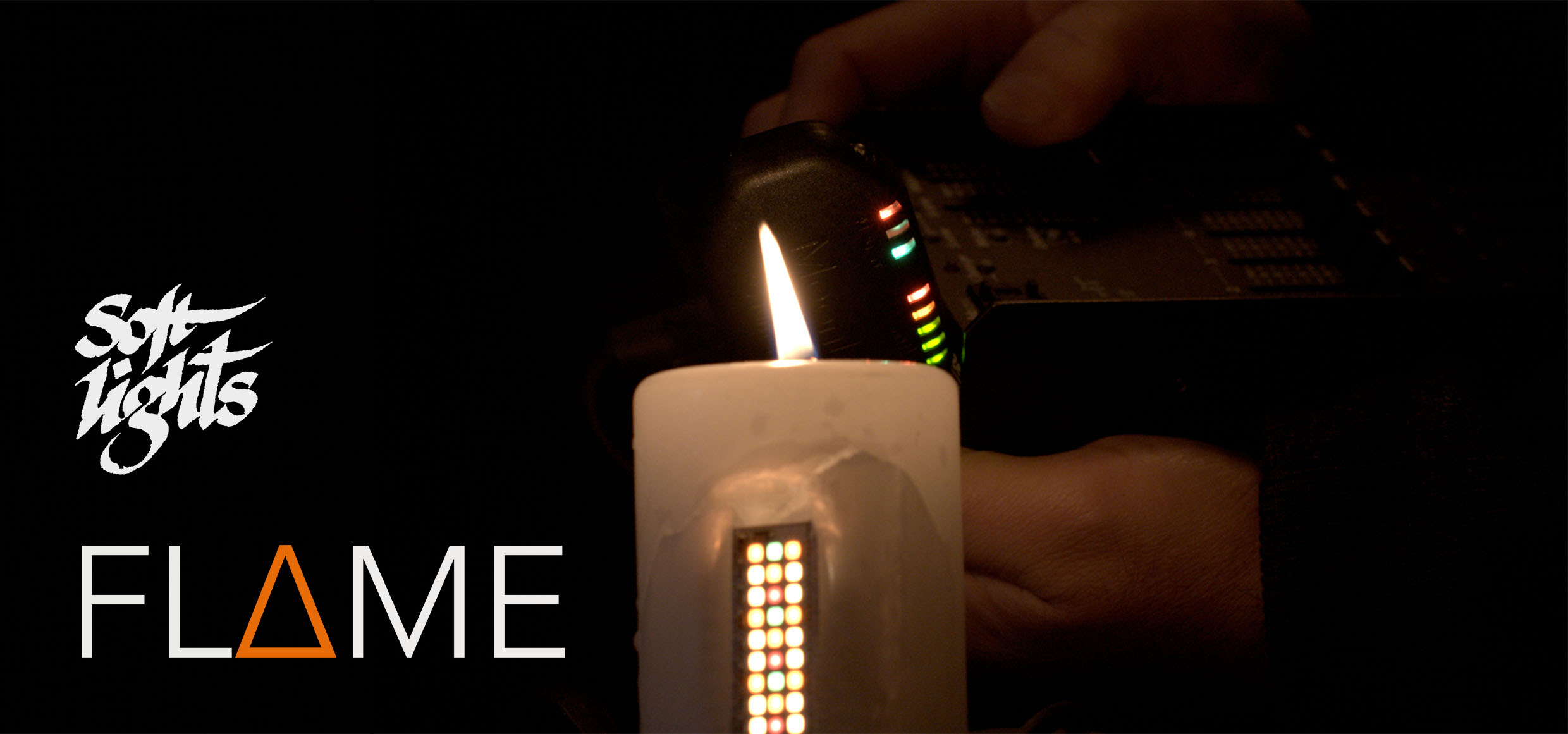
Its most visible product in the supplied material is FLAME, described as usable as both a key-light and a fill-light. The page also lists credits where FLAME was used, including The Walking Dead: Daryl Dixon 3 (2023, Netflix) with DOP Tommaso Fiorilli, Le Rouge et le Noir (2026, Siècle Production and France TV) with gaffer Guillaume Ader, and SULIS 1907 (2023, STORYLINE production) with DOP Anders Bohman.
Who it suits: working gaffers, DOPs and rental or production companies that need fixtures adapted to a specific set, rig or workflow. The trade-off is typical of custom and specialist gear — you are buying fit and direct support rather than off-the-shelf availability, and pricing is handled by enquiry ("contact us for details / price on request") rather than published rates.
If you are evaluating it for a shoot, start by describing your setup to the company directly: camera, desired key-to-fill ratio, rigging position and power availability. That conversation will tell you faster than a spec sheet whether a FLAME configuration fits, and whether the lead time works for your schedule.
What types of lighting solutions does SOFTLIGHTS offer for film and TV production?
SOFTLIGHTS makes custom lighting tools for cinematographers and gaffers, with a focus on wireless lighting and bespoke solutions rather than a broad catalogue of standard fixtures. Its work spans fluorescent to LED technology, so it is relevant to productions that need a specific look or a fixture built around a particular set or rigging problem.
The product most clearly described on the site is FLAME, which can serve as both a key light and a fill light. That dual role is useful on tight schedules: a single unit type can cover a lead actor's key and then be re-tasked as fill for a wider setup, reducing the number of different fixtures a gaffer has to manage.
The page also points to real productions where FLAME was used, including The Walking Dead: Daryl Dixon with DOP Tommaso Fiorilli, Le Rouge et le Noir with gaffer Guillaume Ader, and SULIS 1907 with DOP Anders Bohman. These credits are the site's own examples, not independent test results, but they show the kind of work the tools are aimed at: narrative film and television where lighting continuity and control matter.
If you are weighing SOFTLIGHTS against a conventional rental package, start by defining the problem a standard fixture cannot solve — a rigging constraint, a colour or dimming behaviour, or a wireless control requirement. Then contact SOFTLIGHTS directly, since the site indicates details and pricing are available on request rather than published. For general context on how such fixtures compare with established cinema lighting brands, you can also look at ARRI and Litepanels.
How does SOFTLIGHTS customize lighting tools for cinematographers and gaffers?
SOFTLIGHTS builds custom lighting tools for cinematographers and gaffers rather than selling a fixed catalog of standard fixtures. Its stated approach is to work closely with creative crews and translate their on-set needs into purpose-built gear, covering the range from fluorescent to LED sources. The clearest example on the site is FLAME, used as both a key light and a fill light, with credits including The Walking Dead: Daryl Dixon (2023, Netflix, DOP Tommaso Fiorilli), Le Rouge et le Noir (2026, Siècle Production and France TV, gaffer Guillaume Ader) and SULIS 1907 (2023, STORYLINE production, DOP Anders Bohman).
What "custom" means in practice
- Start from the shot, not the product: the crew describes the lighting problem (a soft key for a specific space, a fill that matches an existing source, a rig that has to fit an awkward location).
- Match the source type to the job: the site frames its work as spanning fluorescent and LED, so the choice follows the look and the power/heat constraints of the set.
- Treat key and fill as one design conversation: FLAME is presented in both roles, which suggests the tool is meant to be flexible across a lighting setup rather than locked to a single position.
- Build for wireless and custom solutions: the site explicitly names wireless lighting and custom solutions as part of its offering, which matters on sets where cabling is impractical or the fixture has to be controlled remotely.
H3: Who benefits most This is aimed at working professionals — DOPs, gaffers and lighting crews on film and TV productions — rather than casual buyers. If you are a gaffer who keeps running into a fixture that almost works, a custom build is the more sensible route than compromising on a rental. If you are a student or a solo shooter with a fixed kit list, standard production lighting will usually be cheaper and faster to source.
H3: How to decide Ask three questions before contacting them: What exactly is the fixture doing in the shot (key, fill, accent, effect)? What constraints does the location impose (power, rigging, cable runs, wireless control)? And is this a one-off build or something you would want repeated across productions? If the answers point to a recurring, specific need, a custom tool is worth the conversation. The site lists prices as on request, so budget has to be discussed directly rather than read off a page.
H3: Next step Gather reference frames, a floor plan and your power/control requirements, then contact SOFTLIGHTS for details and pricing. For a wider look at how custom and standard film lighting tools compare, official manufacturer sites such as ARRI and Litepanels show the conventional alternatives you would be measuring a custom build against.
What are the key features and benefits of SOFTLIGHTS' FLAME lighting system?
SOFTLIGHTS' FLAME is a custom lighting tool aimed at cinematographers and gaffers, built by a company that describes itself as making special lighting for cinema and TV, including wireless and custom solutions. From the page evidence, its clearest documented strength is real production use as a key-light and fill-light: FLAME is cited in The Walking Dead: Daryl Dixon season 3 (2023, Netflix) with DOP Tommaso Fiorilli, in Le Rouge et le Noir (2026, Siècle Production and France TV) with gaffer Guillaume Ader, and in SULIS 1907 (2023, STORYLINE production) with DOP Anders Bohman.
What the page actually supports
- Dual role on set: FLAME is presented as usable both as a key-light and as a fill-light, which matters for crews that want one fixture family to cover both primary shaping and softer support.
- Professional peer usage: The references come from working DOPs and gaffers on drama and TV series, not just studio tests.
- Custom and wireless orientation: SOFTLIGHTS frames its wider business around wireless lighting and custom solutions, so FLAME sits within a maker that positions itself as adapting tools to creative needs rather than selling only off-the-shelf units.
- Price on request: The page says "contact us for details / price on request," so there is no published price or specification set to compare.
Practical reading
If you are a gaffer choosing between FLAME and a mainstream LED panel, the useful question is not "is it good?" but "does its key-and-fill flexibility and custom/wireless approach save me rigging time on a specific shoot?" A concrete scenario: a DOP shooting a night interior who wants a compact key that can be re-rigged as fill without swapping fixture types may find that dual-purpose design valuable, while a crew standardized on a large rental inventory may prefer a more widely stocked alternative.
For official details, start with SOFTLIGHTS and ask directly about FLAME's output, control and wireless options, since the public page does not list them.
Which films or TV shows have used SOFTLIGHTS products?
SOFTLIGHTS lists several film and TV credits on its own site, all tied to its FLAME fixture. These are production credits cited by the manufacturer, so treat them as claims rather than independently verified placements.
- The Walking Dead: Daryl Dixon (2023, Netflix) — FLAME used as key-light and fill-light; Tommaso Fiorilli, DOP.
- Le Rouge et le Noir (TV series, 2026, Siècle Production and France TV) — Guillaume Ader, gaffer.
- SULIS 1907 (2023, STORYLINE production) — Anders Bohman, DOP.
What this tells you
The credits cluster around one product used in a dual role: as a primary key source and as fill. That suggests a fixture intended to be flexible across setups rather than a single-purpose effect light. For a gaffer or cinematographer, the practical question is whether a light that can shift between key and fill matches how you actually work — fewer fixture types on the truck, but potentially more time spent re-rigging between scenes.
A concrete scenario: you are lighting a dialogue scene in a confined location where a soft key and a subtle fill need to sit close together. A light positioned for both roles could simplify the package; a light optimized for only one may force you to bring a second unit.
Next step
Ask SOFTLIGHTS directly for the production context behind these credits — which scenes, what modifiers, and what output levels were used. The site says to contact them for details, with price on request. You can also check whether the credited DOPs or gaffers have discussed the fixtures in interviews; that gives you an independent view rather than a manufacturer's list. Related industry coverage sometimes appears on American Cinematographer or IMDb for production credits.
How can I request pricing or place an order for SOFTLIGHTS products?
SOFTLIGHTS does not publish prices or an online checkout on its site. To get pricing or place an order, you contact the company directly and describe your production needs. The site's own wording is "contact us for details / price on request," so pricing is handled as a conversation rather than a listed catalog figure.
What to include in your inquiry
- The specific product you are interested in, such as FLAME, and whether you need it as a key light, fill light or both.
- Your intended use: cinema, TV series, commercial, or rental inventory, plus a short note on the shoot or project.
- Quantity and whether you need a single unit, a set, or a custom build.
- Your country and, if relevant, whether you need wireless or other custom solutions.
- Your timeline, including shoot dates or delivery deadlines.
How to send it
Use the contact option on SOFTLIGHTS. Because the site presents custom lighting tools for cinematographers and gaffers, a direct message that reads like a brief is more useful than a one-line price request. If you are a gaffer or DOP specifying gear for a production, mention the format and lighting setup so the reply can address the right configuration.
Practical next step
Draft a short email with the product name, quantity, project type, country and deadline, then send it through the site's contact channel. If you do not hear back quickly, follow up with the same details rather than a new inquiry, so the thread stays easy to track.
 ovh.net
 France
User reviews (0)